How to Improve Soil for Healthier Plants and Higher Yields
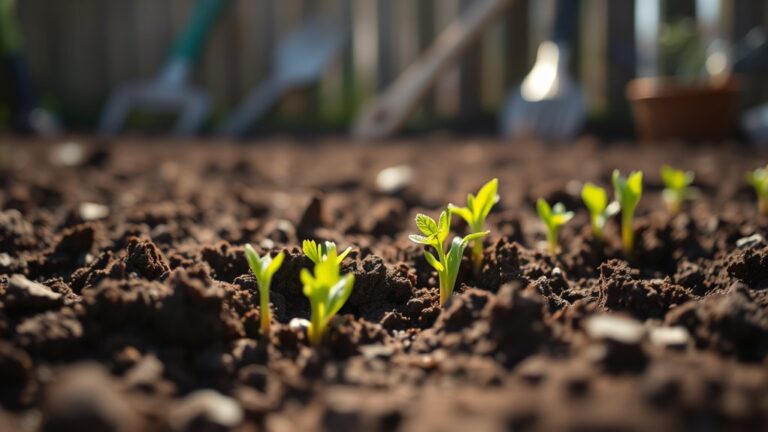
Improving soil involves enhancing its structure, fertility, and biological activity to support healthy plant growth. This can be achieved by adding organic matter, balancing pH levels, and optimizing nutrient content. Addressing soil compaction and drainage also plays a key role in making soil more productive.
Soil quality directly impacts crop health, garden productivity, and environmental sustainability. Poor soil can lead to weak plants and low yields, while good soil encourages robust roots and improves water retention. Since soil conditions vary widely, targeted improvements help gardeners and farmers get the best results from their land.
This article explores practical ways to improve soil, including organic and mineral amendments, soil testing and pH adjustment, enhancing soil texture, and fostering beneficial microbial life. We will also cover common mistakes to avoid and compare various soil improvement strategies to help you select the best approach.
Understanding Soil Composition and Structure

Basic Soil Components
Soil is made up of minerals, organic matter, water, and air in varying proportions. The mineral fraction includes sand, silt, and clay particles, which determine the soil’s texture and physical properties. Organic matter consists of decomposed plant and animal material providing nutrients and improving structure.
The balance of these components affects drainage, nutrient availability, and root penetration. For example, sandy soils drain quickly but hold fewer nutrients, while clay soils retain moisture but may become compacted and poorly aerated.
Soil Structure and Its Impact
Soil structure refers to the arrangement of soil particles into aggregates or clumps. Well-structured soil has a crumbly texture that promotes good aeration and root growth. Poor structure leads to compaction and waterlogging, restricting oxygen and nutrient uptake.
Improving soil structure often involves increasing organic matter content and minimizing tillage. This encourages diverse microbial populations and improves the soil’s ability to retain moisture and resist erosion.
- Enhanced root development
- Improved water infiltration
- Reduced erosion risk
- Better nutrient cycling
Adding Organic Matter to Boost Soil Fertility
Types of Organic Matter for Soil Improvement
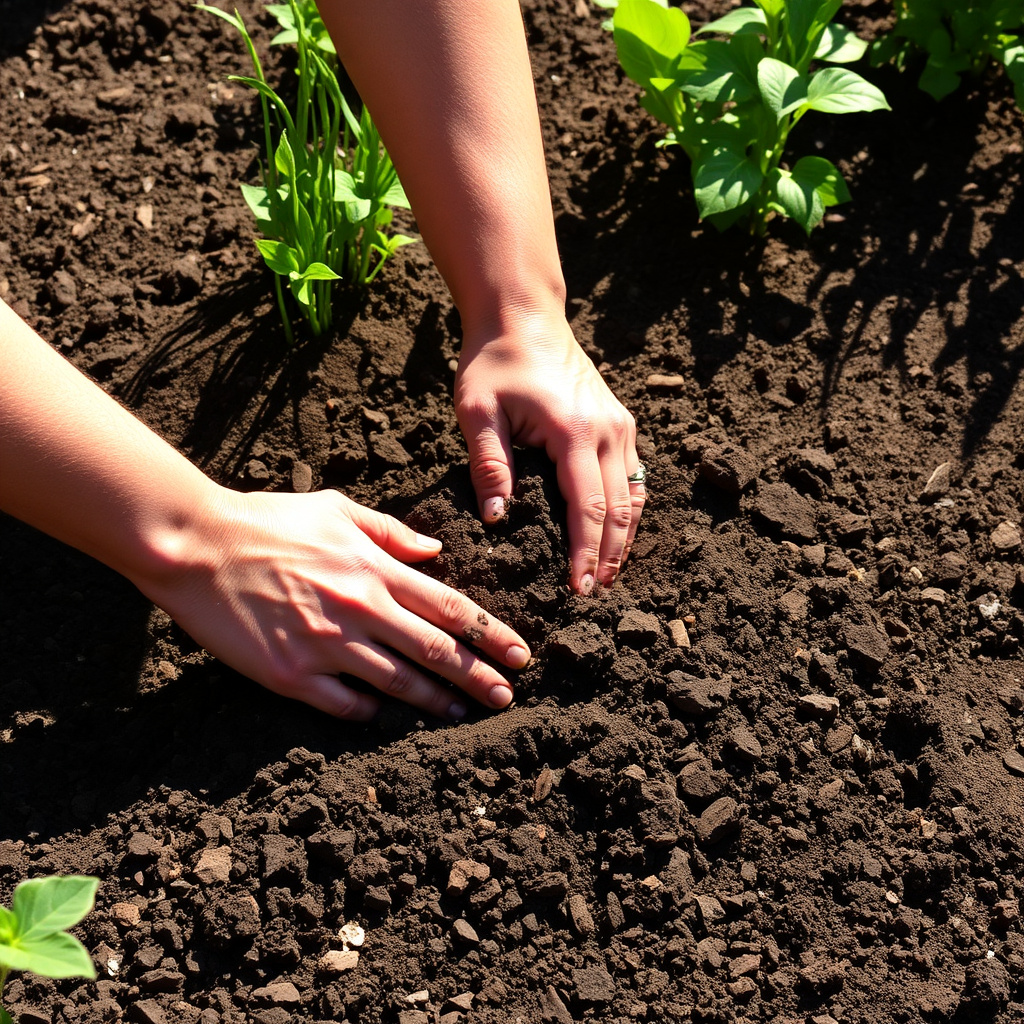
Organic matter sources include compost, manure, cover crops, leaf mold, and crop residues. Compost is stable, nutrient-rich, and enhances soil texture. Manure adds nutrients but requires careful aging to avoid burning plants. Cover crops fix nitrogen and protect soil from erosion during off-seasons.
Incorporating various organic amendments provides a broad spectrum of benefits including improved nutrient availability, enhanced microbial activity, and increased soil moisture retention.
- Compost
- Aged manure
- Green manure/cover crops
- Leaf mold
How to Apply and Maintain Organic Matter
Regular yearly addition of organic matter is ideal. Spread compost or aged manure on soil surface and lightly incorporate it to avoid disrupting soil life. Using cover crops in fallow periods replenishes nutrients and protects soil from compaction and erosion.
Avoid over-applying fresh manure, which can introduce pathogens or excess salts. Mulching also helps conserve moisture and feeds soil organisms. Consistent care with organic matter will gradually improve soil fertility and structure.
Testing and Adjusting Soil pH

Why Soil pH Matters
Soil pH affects nutrient availability and microbial activity. Most plants thrive in slightly acidic to neutral soils (pH 6-7). If soil is too acidic or alkaline, essential nutrients become locked up, leading to deficiencies despite adequate fertilization.
Testing soil pH with a home test kit or through lab analysis is essential before adjusting. Knowing the pH guides which amendments to apply for improving plant nutrition.
For more on this, see our related guide: How to Improve Plant Growth: Practical Tips for a Thriving Garden.
Methods to Adjust Soil pH
To raise soil pH and reduce acidity, apply lime (calcium carbonate) or dolomite, which also adds magnesium. For lowering alkaline soil pH, sulfur compounds or acidic organic matter like pine needles and peat moss can be used carefully.
Changes to pH happen gradually and should be monitored over months. It's important not to over-apply amendments, as this can cause imbalances or harm plant roots.
- Apply lime to raise pH
- Use sulfur to lower pH
- Incorporate acidic organic matter
- Test pH regularly
Improving Soil Texture and Drainage

Amending Heavy Clay Soils
Heavy clay soils tend to be dense, poorly drained, and prone to compaction. Adding coarse sand, organic matter, and gypsum helps loosen the soil, improving aeration and drainage. Gypsum works by displacing sodium ions that cause soil particles to bind tightly.
Regular incorporation of organic matter improves soil aggregation and water infiltration. Avoid working clay soils when wet to prevent structural damage.
- Add coarse sand or grit
- Incorporate compost and leaf mold
- Apply gypsum for sodium-affected soils
- Avoid working when wet
Enhancing Sandy Soils
Sandy soils drain rapidly but do not retain nutrients or moisture well. Adding organic matter such as compost, peat moss, or biochar significantly improves water retention and nutrient holding capacity. Mulches also reduce evaporation and temperature fluctuations.
Frequent applications of organic amendments and mulching can transform sandy soils into productive garden beds suitable for a wide range of plants.
- Add organic matter regularly
- Use mulches to conserve moisture
- Incorporate biochar for nutrient retention
- Consider water retention gels in extreme cases
Stimulating Beneficial Soil Microbes

Why Microbial Activity Is Key
Soil microbes break down organic matter, fix nitrogen, and help plants access nutrients like phosphorus. Healthy microbial populations increase disease resistance and improve soil structure by producing glues that bind soil particles.
Disturbing soil through over-tillage or chemical use can reduce microbial diversity. A balanced soil biology supports long-term fertility and plant health.
For more on this, see our related guide: Cannabis pH Levels for Soil: How to Maintain the Perfect Balance.
Ways to Encourage Microbial Growth
Add compost and organic materials regularly to feed microbes. Avoid heavy use of synthetic fertilizers and pesticides that harm soil life. Incorporating mycorrhizal fungi inoculants or planting legumes can boost nitrogen fixation and symbiotic relationships.
Maintaining adequate moisture and avoiding compaction also create an environment favorable to microbial communities essential for improved soil quality.
- Use compost and mulch
- Minimize chemical disturbances
- Apply beneficial microbial inoculants
- Plant nitrogen-fixing cover crops
Choosing Soil Improvement Methods for Your Garden

Testing Before Applying Amendments
A soil test reveals nutrient status, pH, and organic matter content to help select appropriate improvement methods. DIY kits or professional laboratories provide detailed reports that guide amendment choices.
Without testing, you risk adding unnecessary or harmful substances that can upset soil balance and plant health.
- Test for nutrients and pH
- Check soil texture and organic content
- Identify deficiencies or toxicities
For a detailed overview of specific soil improvement methods and their scientific basis, refer to soil improvement techniques on Wikipedia. Soil improvement techniques on Wikipedia.
Tailoring Strategies to Soil Type and Crop Needs
Different crops have unique soil requirements, so customizing amendments is important. For example, root crops benefit from loose, well-drained soil, whereas leafy greens prefer nutrient-rich, moisture-retentive beds.
Matching soil improvement techniques—like adjusting pH or adding organic matter—to specific garden goals helps maximize productivity and plant health.
Common Soil Improvement Techniques Comparison
Here’s a quick comparison of popular soil improvement methods and their key benefits to help you decide which fits your garden best.
| Method | Primary Benefit | Typical Application Frequency | Cost Range |
|---|---|---|---|
| Compost addition | Improves fertility and structure | Annually or biannually | Low to moderate |
| Lime or sulfur application | Adjusts soil pH | Every 2-3 years | Moderate |
| Cover crops | Adds organic matter and nitrogen | Seasonally | Low |
| Gypsum for clay soils | Improves texture and drainage | Every 1-2 years | Moderate |
| Mycorrhizal inoculants | Enhances nutrient uptake | Once per planting season | Moderate to high |
Frequently Asked Questions
How often should I add organic matter to improve soil?
Adding organic matter like compost once or twice a year is ideal to maintain and improve soil fertility and structure over time.
What soil pH range is best for most plants?
Most plants grow best in soil with a pH between 6.0 and 7.0, which allows optimal nutrient availability.
Can I improve sandy soil and clay soil with the same method?
No; sandy soils benefit most from organic matter to retain moisture, while clay soils require amendments like sand, gypsum, and organic matter to improve drainage and texture.
Why is soil microbial health important?
Healthy soil microbes break down organic material, improve nutrient availability, and boost plant disease resistance, which supports overall soil fertility.
Should I test my soil before adding amendments?
Yes, soil testing provides crucial information about nutrient levels and pH, helping you apply the correct amendments efficiently.
Key Takeaways
- Improving soil involves enhancing structure, fertility, and microbial activity for healthy plant growth.
- Organic matter additions are foundational and improve both texture and nutrient content.
- Testing soil pH guides appropriate amendments like lime or sulfur to optimize nutrient availability.
- Tailoring soil improvement techniques to soil type and crop needs maximizes garden success.
Conclusion
Deciding how to improve soil starts with understanding its current condition through testing and observation. Recognizing the soil’s texture, nutrient status, and pH forms the basis for selecting appropriate amendments. Combining strategies such as organic matter additions, adjusting pH, managing soil texture, and encouraging beneficial microbes creates a holistic approach to enhancing soil performance for your plants.
For gardeners working with heavy clay soils, incorporating coarse sand, gypsum, and ample organic matter loosens the soil and improves drainage. Those with sandy soils will see major benefits from regular compost and mulch applications that increase moisture retention and nutrient levels. Applying lime or sulfur based on soil pH tests can unlock nutrients otherwise unavailable. Including cover crops and microbial inoculants can also boost fertility without excessive chemical use.
Start improving your soil by conducting a reliable soil test and observing your garden’s plant health and drainage patterns. From there, select a combination of methods suited to your soil type and plants. Consistent care with amendments and attention to soil biology will reward you with thriving, resilient plants and better yields over time.