How to Start a Seed Garden: A Complete Beginner’s Guide
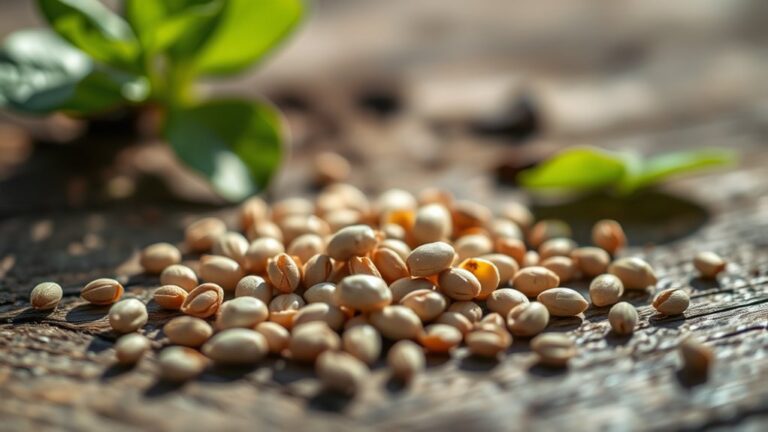
Starting a seed garden means growing plants from seeds in your own space, providing control over plant varieties and timing. To begin, choose seeds suitable for your climate and available space, prepare quality seed-starting mix, and set up containers with proper light and moisture. This hands-on approach lets you produce your own vegetables, herbs, or flowers from the ground up.
Growing a seed garden matters because it offers a rewarding, cost-effective way to propagate plants with tailored choices. It also expands your gardening skills, promotes sustainability by reducing dependence on purchased plants, and enhances satisfaction by watching seeds germinate and flourish. This method allows you to experiment with rare or heirloom varieties unavailable as seedlings at nurseries.
In this article, we’ll cover choosing the right seeds, preparing your seed-starting medium, setting up lighting, watering strategies, and transplanting seedlings outdoors. You'll learn practical techniques for timing your sowing and caring for young plants to help your seed garden thrive all season long.
Choosing Seeds for Your Seed Garden

Selecting Seed Varieties Suitable for Beginners
For novice gardeners, choosing easy-to-grow seed varieties reduces initial challenges. Look for fast-germinating seeds like lettuce, radish, beans, or sunflowers. These tend to have high germination rates and can handle standard indoor conditions.
Also consider your garden's climate zone. Seeds adapted to your temperature range usually perform better. Consult seed catalogs or extension services to find regional recommendations for your growing zone.
- Lettuce varieties
- Radishes
- Bush beans
- Sunflowers
Understanding Seed Packets and Label Information
Seed packet labels provide critical details: recommended planting dates, days to germination, and how much sunlight the plant requires. These help you schedule sowing and placement to ensure strong growth.
Pay attention to the seed’s viability date to avoid using expired or low-viability seeds. Heirloom, hybrid, and organic labels also indicate seed source and potentially affect genetic diversity or disease resistance.
Preparing Your Seed-Starting Medium

Choosing the Right Soil Mix for Seeds
Seed-starting mix should be light, well-draining, and sterile to reduce fungal issues. Avoid garden soil as it can be too dense and carry pathogens. Typical commercial seed mixes contain peat moss, vermiculite, or perlite.
You can make your own by combining equal parts of peat moss, vermiculite, and perlite. The goal is to retain moisture while allowing air circulation around developing roots.
Sterilizing Soil and Containers to Prevent Disease
Pathogens in soil or containers cause damping-off disease, killing seedlings rapidly. To prevent this, sterilize soil by heating it in an oven at 180°F (82°C) for 30 minutes. Use clean containers and disinfect them with a mild bleach solution before planting seeds.
Avoid reusing pots without thorough cleaning, and if using trays, make sure drainage holes are free and clean to prevent waterlogging.
Setting Up Optimal Lighting Conditions

Using Natural Light versus Artificial Grow Lights
Seedlings need adequate light to prevent them from becoming leggy and weak. A south-facing window can provide natural sunlight but may not be enough for all plants or longer growth periods.
Artificial grow lights designed for seedlings emit balanced light in blue and red spectrums, promoting compact, healthy growth. Adjustable light timers simplify consistent daily light exposure.
- South-facing windows
- LED grow lights
- Fluorescent tubes
For more on this, see our related guide: What Affects Plant Growth: Key Factors Explained for Healthy Gardens.
Light Duration and Distance from Seedlings
Seedlings generally require 12–16 hours of light per day. Too little light causes spindly stems; too intense light placed too close might scorch leaves.
Position grow lights 2 to 4 inches above seedlings and raise them gradually as plants grow to keep light intensity even. Use timers to maintain steady light cycles.
Watering and Moisture Management for Seed Starting

Proper Watering Techniques to Avoid Overwatering
Seed-starting mix should stay consistently moist but not soggy. Overwatering leads to mold growth and root rot, while underwatering causes poor germination.
Use a spray bottle or gentle watering can with a fine flow to moisten soil evenly. Avoid heavy watering that disturbs seeds or compacts soil surface.
Using Humidity Domes and Temperature Controls
Covering seed trays with clear humidity domes traps moisture and promotes faster germination by raising humidity and warmth.
After germination, remove domes gradually to harden off seedlings and reduce fungal risks. Maintaining the correct soil temperature (65–75°F) also helps seed viability.
- Humidity dome benefits
- Soil temperature ranges
- Gradual dome removal
Transplanting Seedlings to Outdoor Gardens

When and How to Harden Off Seedlings
Hardening off means slowly acclimating indoor-grown seedlings to outdoor conditions over 7–10 days. Start by placing seedlings in a shaded area outdoors for a few hours, then gradually increase sunlight and exposure duration.
This process reduces transplant shock and improves survival. Avoid exposing seedlings to strong winds or full sun abruptly.
For more on this, see our related guide: How to Compare Seed Varieties for Successful Gardening.
Planting Seedlings in Garden Beds or Containers
Choose garden beds with well-prepared soil enriched with compost and ensure adequate spacing according to plant type. Dig holes slightly larger than root balls and firm soil gently after planting.
For container planting, pick pots with drainage holes and quality potting soil. Water well immediately after transplanting and monitor moisture closely during the first two weeks.
Common Challenges and Troubleshooting for Seed Gardens

Addressing Poor Germination and Damping-Off
Poor germination often results from dry soil, old seeds, or unsuitable temperatures. Test seed viability by sprouting a few seeds in damp paper towels before gardening.
Damping-off appears as wilting or collapsed seedlings caused by fungal pathogens. To prevent, practice hygiene, avoid overwatering, and provide adequate airflow.
For more technical background on seed sowing techniques and terminology, see this comprehensive resource on seed saving and starting basics on Wikipedia. Seed saving and starting basics on Wikipedia.
Dealing with Leggy Seedlings and Pest Issues
Leggy seedlings happen due to insufficient light or crowded growing conditions. Increasing light intensity and spacing seedlings properly helps combat this.
Common pests like fungus gnats or aphids can attack seedlings. Use yellow sticky traps and inspect plants regularly. Neem oil or gentle insecticidal soaps can control infestations safely.
Seed Garden Starting Methods Comparison
Here’s a comparison of popular seed-starting approaches highlighting their pros, cons, and best uses.
| Method | Setup Complexity | Cost | Time to First Plant | Best For |
|---|---|---|---|---|
| Indoor Seed Trays with Grow Lights | Moderate | $$ | 4-8 weeks | Vegetables, herbs |
| Direct Outdoor Sowing | Low | $ | Varies by crop | Cold-hardy plants |
| Peat Pots or Biodegradable Pellets | Easy | $ | 4-6 weeks | Transplants, seedlings |
| Hydroponic Seed Starting | High | $$$ | 3-5 weeks | Advanced growers |
Frequently Asked Questions
How long does it take for seeds to germinate in a seed garden?
Seed germination time varies by plant species, typically ranging from 3 days to 3 weeks. Factors like temperature, moisture, and seed freshness strongly influence timing.
Can I use regular garden soil for seed starting?
Regular garden soil is usually too dense and may contain pathogens. A light, sterile seed-starting mix is preferred for better drainage and disease prevention.
When should I transplant seedlings outdoors?
Transplant seedlings outdoors after they develop several true leaves and when outdoor conditions are favorable with consistent temperatures above frost risk.
How often should I water seedlings in a seed garden?
Seedlings require consistently moist, not waterlogged, soil. Water gently when the surface begins to feel dry to maintain good moisture without drowning roots.
What is damping-off and how can I prevent it?
Damping-off is a fungal disease causing seedling collapse. Prevent it with sterile soil, proper watering, sufficient airflow, and avoiding overly wet conditions.
Key Takeaways
- Select seed varieties suited to your climate and gardening experience.
- Use sterile, light seed-starting mix to promote healthy seedlings.
- Provide consistent light and moisture to avoid leggy growth and diseases.
- Harden off seedlings gradually before transplanting to outdoor gardens.
Conclusion
Starting a seed garden involves thoughtful preparation and care from seed selection through transplanting. Understanding your local climate and plant needs guides your seed choices, while preparing sterile soil and managing light and moisture sets the stage for robust seedling development. Practical attention to detail reduces common problems like leggy seedlings or fungal diseases and fosters a thriving seed garden.
For beginners, selecting easy seeds such as lettuce or radishes combined with simple indoor trays under artificial grow lights provides a manageable introduction. More experienced gardeners may explore peat pots or hydroponic methods for advanced seed starting. Following appropriate watering regimes and gradually hardening off seedlings ensures smooth transitions to outdoor beds or containers.
To start your seed garden with confidence, gather fresh seeds, invest in quality seed-starting mix, and create a well-lit, warm space for sprouting. Regularly monitor moisture levels and seedling health, adjusting care as needed. With practice and patience, your seed garden will become a rewarding source of fresh, homegrown plants all season.