How to Start a Garden Indoors: A Step-by-Step Guide for Beginners
Starting a garden indoors begins with selecting the right plants, picking suitable containers, and providing adequate light and water. You can successfully grow herbs, vegetables, and flowers inside your home without a yard, as indoor gardening allows you to enjoy fresh greenery year-round.
Indoor gardening matters because it creates a controlled environment, protecting plants from harsh weather and pests. It also improves air quality and provides mental benefits. Even beginners can create thriving indoor gardens with basic knowledge and the correct setup.
This article will guide you through essential steps such as choosing the best plants, understanding light requirements, selecting containers, managing soil and watering, and maintaining your indoor garden to keep plants healthy and productive.
Choosing the Right Plants for Your Indoor Garden
Best Plants for Indoor Gardening
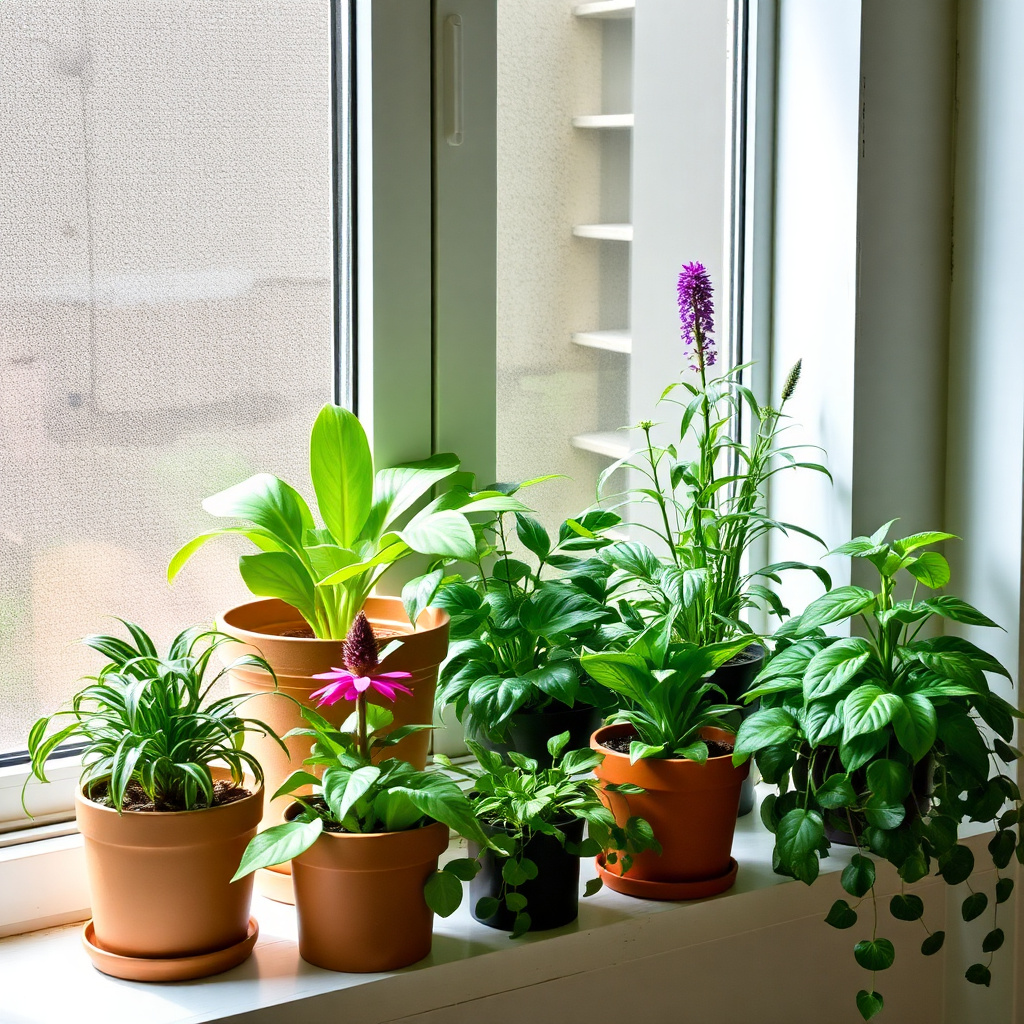
Certain plants adapt better to indoor environments due to their light, water, and space needs. Herbs like basil, mint, and thyme thrive indoors. Leafy greens such as lettuce and spinach grow well under artificial lights. Flowering plants like African violets add color with minimal care requirements.
Choosing plants that match your home's natural light levels enhances success. Low-light tolerant plants like snake plant and pothos do well in shaded corners. Seed-starting vegetables require brighter spots or supplemental grow lights.
- Popular indoor herbs: basil, parsley, mint
- Vegetables: lettuce, spinach, cherry tomatoes
- Low-light plants: snake plant, pothos, ZZ plant
- Flowering options: African violet, peace lily
Plant Selection Based on Available Space
Consider the size you have indoors before selecting plants. Small apartments benefit from compact or vertical garden setups like hanging planters or windowsill pots. For larger spaces, dwarf fruit trees or larger shrubs offer more variety.
Growth habits matter; trailing plants can cascade from shelves, while upright plants suit countertop pots. Proper planning prevents overcrowding and aids airflow, reducing disease risks.
- Compact plants for small spaces
- Use vertical gardening techniques
- Avoid overcrowding for healthy growth
- Match plant size to available light
Understanding Light Requirements for Indoor Gardening
Assessing Natural Light in Your Home
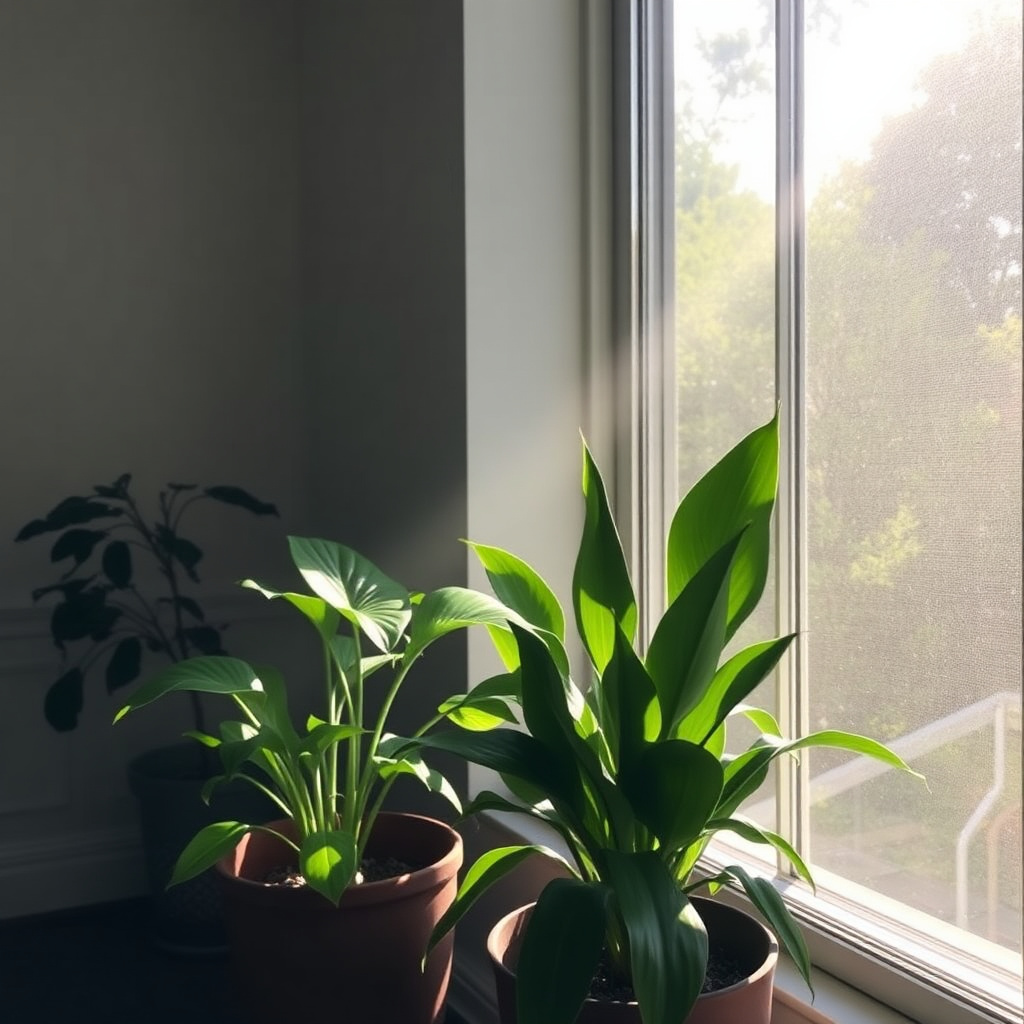
Begin by observing the rooms where you want to grow plants. South-facing windows provide the most sunlight, ideal for sun-loving plants. East and west windows offer moderate light, while north-facing windows have low light suitable for shade-tolerant species.
Using a light meter or smartphone apps can help measure light intensity. Remember that obstacles like curtains and nearby buildings may reduce available sunlight, impacting plant health.
- Identify window directions in your home
- Measure light intensity if possible
- Consider window obstructions reducing light
- Choose plants suited to your light levels
For more on this, see our related guide: What Affects Plant Growth: Key Factors Explained for Healthy Gardens.
Supplementing Natural Light with Grow Lights
When natural light is insufficient, artificial grow lights provide the spectrum plants need for photosynthesis. LED and fluorescent grow lights are popular options due to efficiency and low heat output.
Set grow lights 6 to 12 inches above plants and use timers to mimic natural daylight cycles, usually 12 to 16 hours daily. This helps seedlings and vegetable plants develop strong growth indoors.
- Use LED or fluorescent grow lights
- Position lights close to plants (6-12 inches)
- Operate lights 12-16 hours daily with timers
- Adjust height as plants grow
Selecting Containers and Soil for Indoor Gardens
Choosing the Right Containers
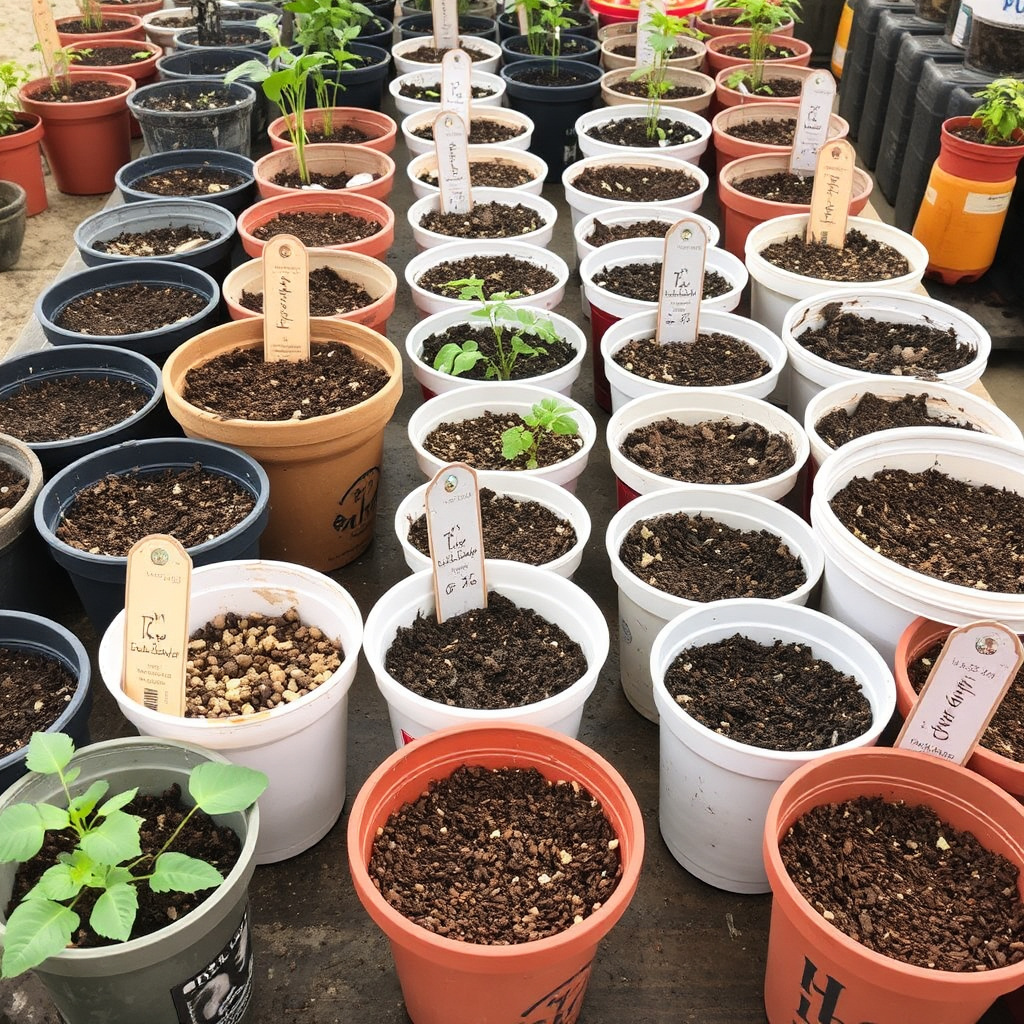
Containers must allow adequate drainage to prevent root rot. Clay pots offer breathability but dry out quickly. Plastic pots retain moisture longer and are lightweight, suitable for moving plants as needed.
Size matters; pots should be proportional to the plant's root system to avoid overwatering or stunted growth. Self-watering containers help maintain consistent moisture for beginner gardeners.
- Ensure containers have drainage holes
- Match pot size to plant root size
- Consider material: clay, plastic, ceramic
- Try self-watering pots for ease
Picking the Best Soil Mix
Use high-quality, lightweight potting mix specifically designed for indoor plants. Garden soil is often too dense and may contain pests or diseases unsuitable for pots.
Soil mixes with peat moss, perlite, and vermiculite balance moisture retention with aeration. Adding some compost or organic fertilizer can provide nutrients for healthy growth.
- Choose sterile, well-draining potting mix
- Avoid using garden soil indoors
- Use peat moss, perlite, and vermiculite blends
- Supplement with organic fertilizers if needed
Watering and Humidity Management for Indoor Plants
Watering Techniques for Healthy Roots
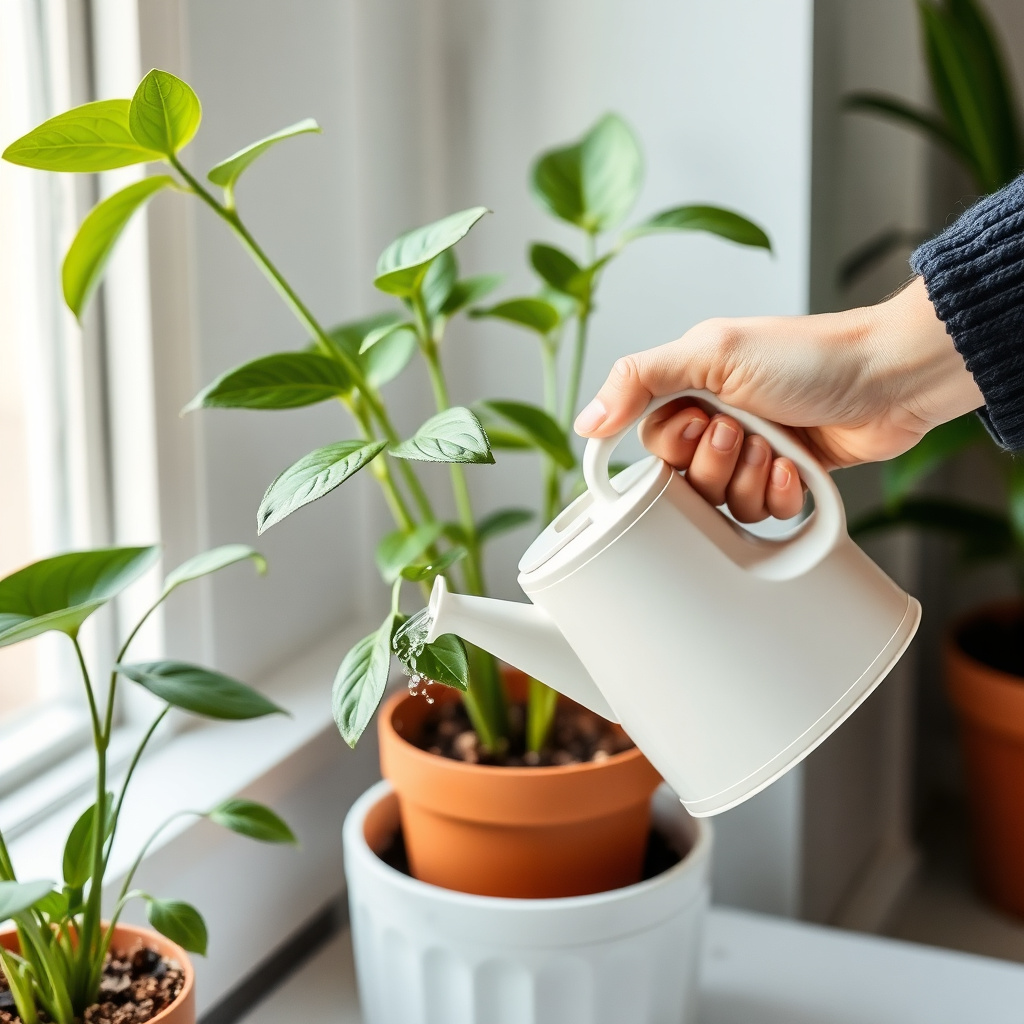
Overwatering is the most common cause of indoor plant stress. Water only when the top inch of soil feels dry. Use room temperature water to avoid shocking roots.
Water thoroughly until excess drains from the pot's bottom. Empty saucers to prevent standing water that encourages root rot. Adjust frequency by season, plants generally needing less water in winter.
- Check soil moisture before watering
- Water until excess drains out
- Avoid letting plants sit in water
- Adjust watering in cooler months
For more on this, see our related guide: How to Read a Seed Catalog: A Complete Guide for Gardeners.
Maintaining Proper Indoor Humidity
Many indoor plants thrive in moderate to high humidity. Use humidifiers or place trays of water near plants to increase moisture in dry environments, especially during winter heating.
Grouping plants together also raises humidity naturally. Regular misting can help but is less effective than humidifiers for sustained humidity levels.
- Use humidifiers for consistent humidity
- Place water trays under or near plants
- Group plants to increase moisture in air
- Mist plants occasionally if needed
Maintaining Your Indoor Garden: Pest Control and Pruning
Controlling Common Indoor Pests
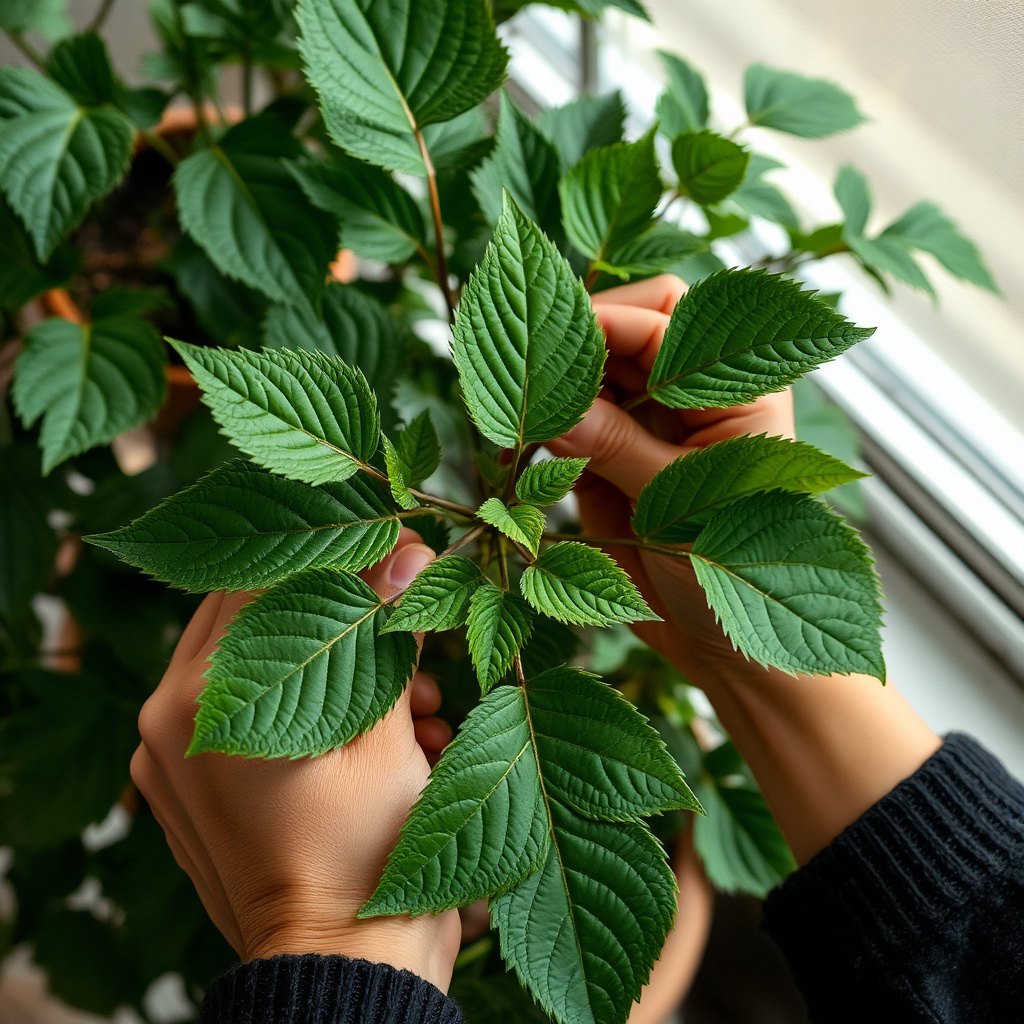
Indoor plants can attract pests such as spider mites, aphids, and fungus gnats. Inspect plants regularly and isolate new arrivals before introducing them to your garden.
Use natural remedies like neem oil spray or insecticidal soap to manage infestations, avoiding harmful chemicals indoors. Keeping plants healthy reduces pest susceptibility.
- Inspect plants weekly for pests
- Isolate new plants before adding to garden
- Use neem oil or insecticidal soap
- Maintain plant health to prevent infestations
For more detailed information on indoor gardening practices and history, see this indoor gardening overview. Indoor gardening overview.
Pruning and Grooming for Vigorous Growth
Regular pruning encourages bushier growth and removes dead or yellowing leaves that may harbor diseases. Pinch back leggy stems to promote fuller plants.
Clean pruning tools after use to prevent spread of pathogens. Grooming also improves airflow around plants, reducing fungal risks indoors.
- Prune to encourage bushy growth
- Remove dead or damaged leaves
- Disinfect tools regularly
- Maintain airflow by spacing plants
Indoor Gardening Plant Category Comparison
This table compares popular indoor plant categories on growth needs, space, and benefits to help you choose the right plants.
| Category | Light Requirements | Water Needs | Space Needed | Benefits |
|---|---|---|---|---|
| Herbs | Moderate to High | Moderate | Small pots or windowsills | Fresh flavor, culinary use |
| Leafy Greens | High | Regular moisture | Medium pots or grow trays | Nutritious, fast growth |
| Flowering Plants | Moderate | Moderate | Small to medium pots | Decorative, mood boosting |
| Low-Light Foliage | Low | Low | Small pots | Air purification, easy care |
| Dwarf Fruit Trees | High | Moderate | Large pots | Homegrown fruit, decorative |
Frequently Asked Questions
Can I start an indoor garden without natural sunlight?
Yes, you can use grow lights designed to provide the full spectrum of light plants need, making it possible to grow indoors without sunlight.
How often should I water indoor plants?
Watering frequency varies but generally when the top inch of soil feels dry. Overwatering can harm plants, so check moisture before watering.
What soil is best for indoor gardening?
A lightweight, well-draining potting mix containing peat moss, perlite, and vermiculite provides good moisture retention and aeration for indoor plants.
How can I prevent pests in my indoor garden?
Regular inspection, isolating new plants, and using natural treatments like neem oil help control pests without harmful chemicals.
Do indoor plants need fertilizer?
Yes, because nutrients in potting soil deplete over time. Use balanced, water-soluble fertilizer every few weeks during the growing season.
Key Takeaways
- Select plants suited to your indoor light levels and space.
- Use proper containers and well-draining potting soil for healthy roots.
- Supplement natural light with grow lights when necessary.
- Maintain correct watering and humidity to prevent common problems.
Conclusion
Deciding to start an indoor garden involves balancing plant selection, environmental factors, and maintenance practices. Focus on matching plants to the natural light and space available in your home. Proper containers and soil sets the stage for healthy root development, while attentive watering and humidity control keep plants thriving year-round. Each step builds on the previous, creating an environment where your garden can flourish regardless of outdoor seasons.
For beginners, starting with low-light foliage plants like pothos or snake plants offers an easier introduction to indoor gardening. Those with more light should experiment with herbs or leafy greens, which provide fresh ingredients from home. Including flowering plants adds color and improves ambiance. To optimize growth, supplement natural sunlight with LED grow lights and maintain regular care routines, including pruning and pest management, for best results across categories.
The next step is to evaluate your home's light conditions and available space, then choose plants accordingly. Investing in quality containers and soil will improve success rates. Starting small with a few plants allows you to learn each species' needs before expanding. Over time, your indoor garden can become a vibrant, productive space offering enjoyment and fresh produce throughout the year.