How to Plant Seeds in the Ground for Successful Growth
Planting seeds in the ground requires selecting the right site, preparing the soil correctly, and sowing the seeds at an appropriate depth with proper spacing. To start, loosen the soil and remove weeds, then place seeds according to instructions before covering them lightly and watering gently.
Understanding these basics is key because the success of your plants depends largely on how well they germinate and establish roots. Proper seed planting contributes directly to healthy growth and ultimately a bountiful garden or lawn.
This article will guide you through the essential steps including site preparation, soil selection, seed sowing techniques, watering, and aftercare strategies to maximize your chances of growing robust plants from seeds.
Selecting the Right Location for Planting Seeds
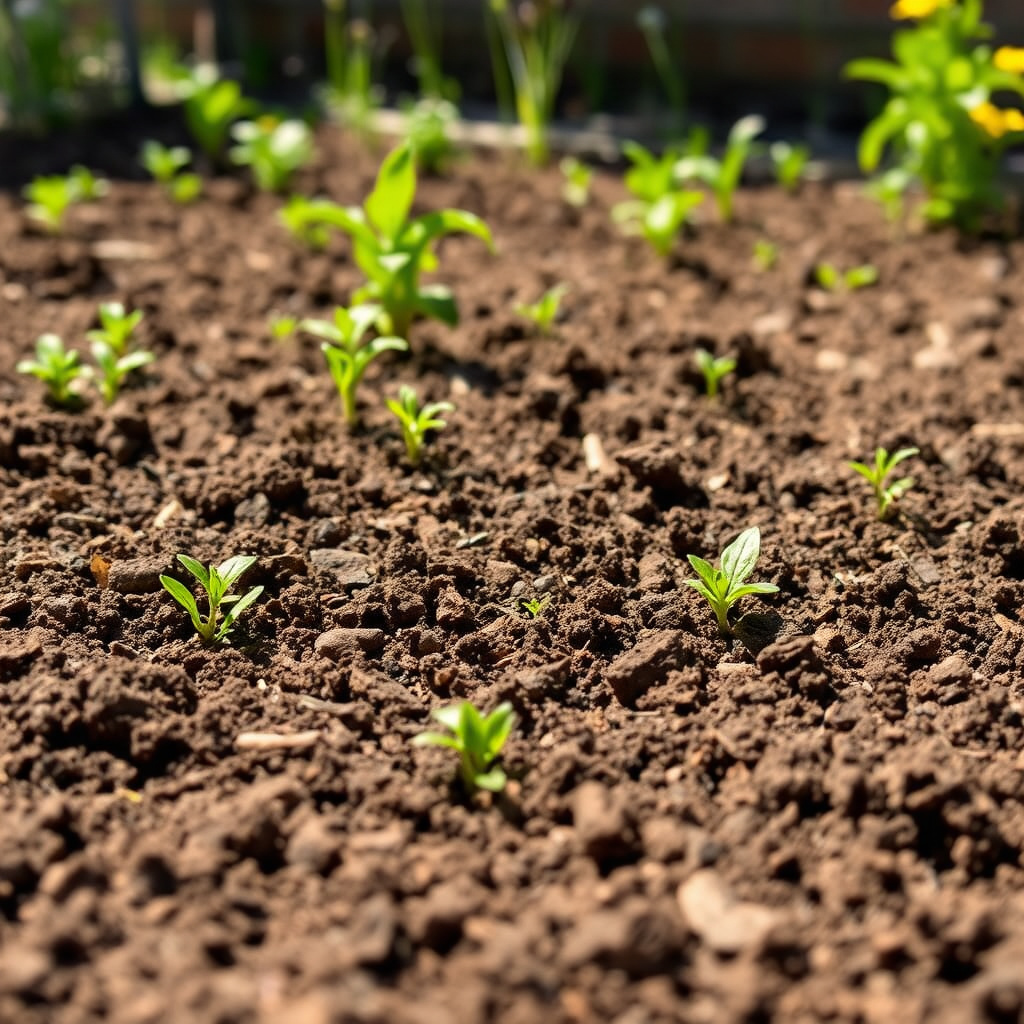
Assessing Sunlight Requirements
Most seeds require full sunlight to germinate and grow well. Choose a location that receives at least six to eight hours of direct sunlight each day to maximize photosynthesis and development.
Some seeds do better in partial shade, so check seed packet instructions for specific needs. Proper exposure will help avoid weak, spindly plants.
- Full sun: 6-8 hours direct sunlight
- Partial shade: 4-6 hours sunlight
- Avoid deep shade as it slows growth
Checking Soil Conditions and Drainage
Ensure the soil is well-drained to prevent waterlogging, which can cause seed rot. Sandy loam soils are ideal because they retain moisture but also drain excess water efficiently.
Poor drainage areas like low spots or heavy clay soils should be amended with organic matter or avoided if possible, as they can hinder seed germination and root development.
- Loosen soil to improve aeration
- Add compost to enhance nutrient content
- Avoid compacted or overly wet soils
Preparing the Soil Before Planting Seeds
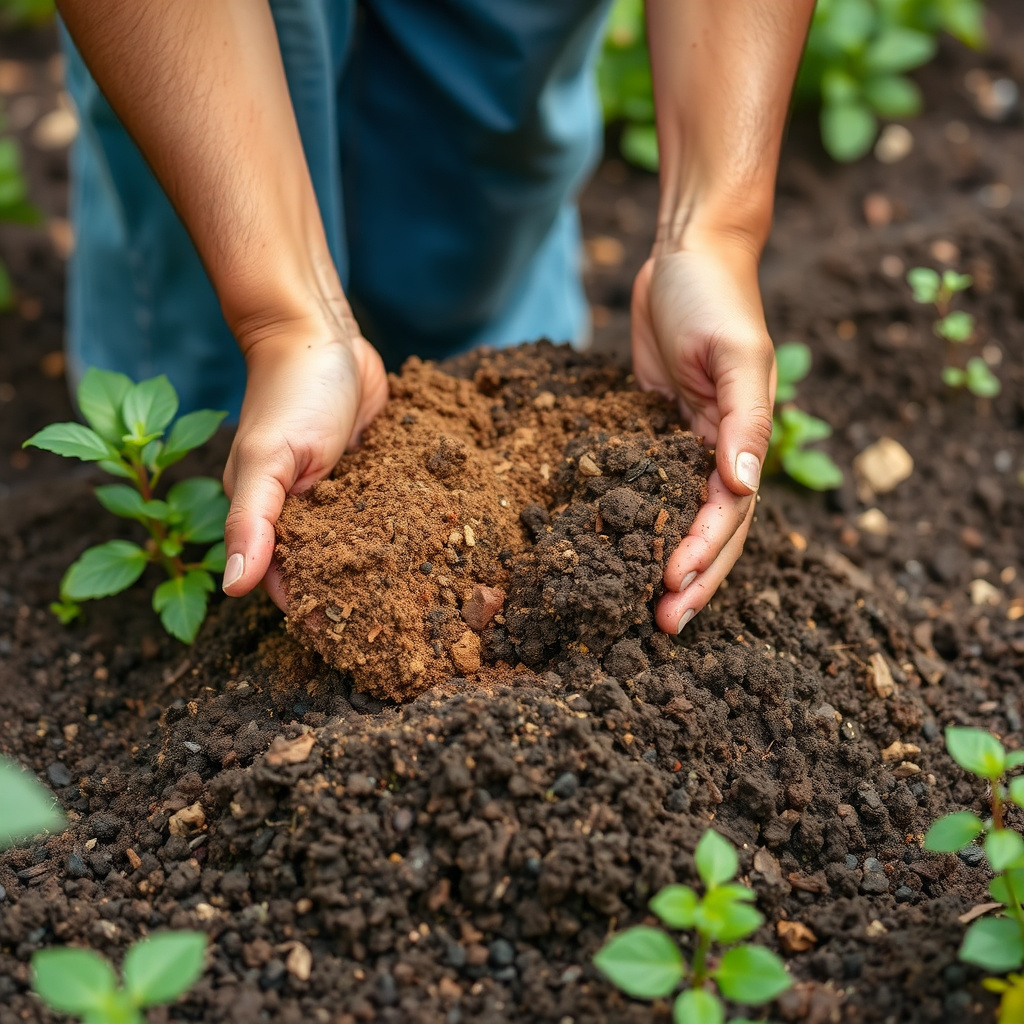
Loosening and Amending the Soil
Begin by loosening the soil to a depth of 6 to 12 inches to allow young roots to penetrate easily. Breaking up clumps and removing debris creates a smooth seedbed.
Incorporate organic matter like compost or well-rotted manure to improve the soil structure and provide vital nutrients that support seedling growth.
- Use a garden fork or tiller for loosening
- Spread 2-3 inches compost evenly
- Rake surface smooth for even seed depth
Testing and Adjusting Soil pH
Most seeds prefer slightly acidic to neutral pH (6.0-7.0). Conduct a soil pH test before planting to identify necessary changes.
If pH is too low (acidic), add lime to raise it. If too high (alkaline), sulfur or peat moss can help reduce pH, optimizing nutrient availability for seeds.
- Test kits available at garden centers
- Apply soil amendments several weeks before planting
- Re-test to confirm pH adjustment
How to Plant Seeds Properly in the Ground
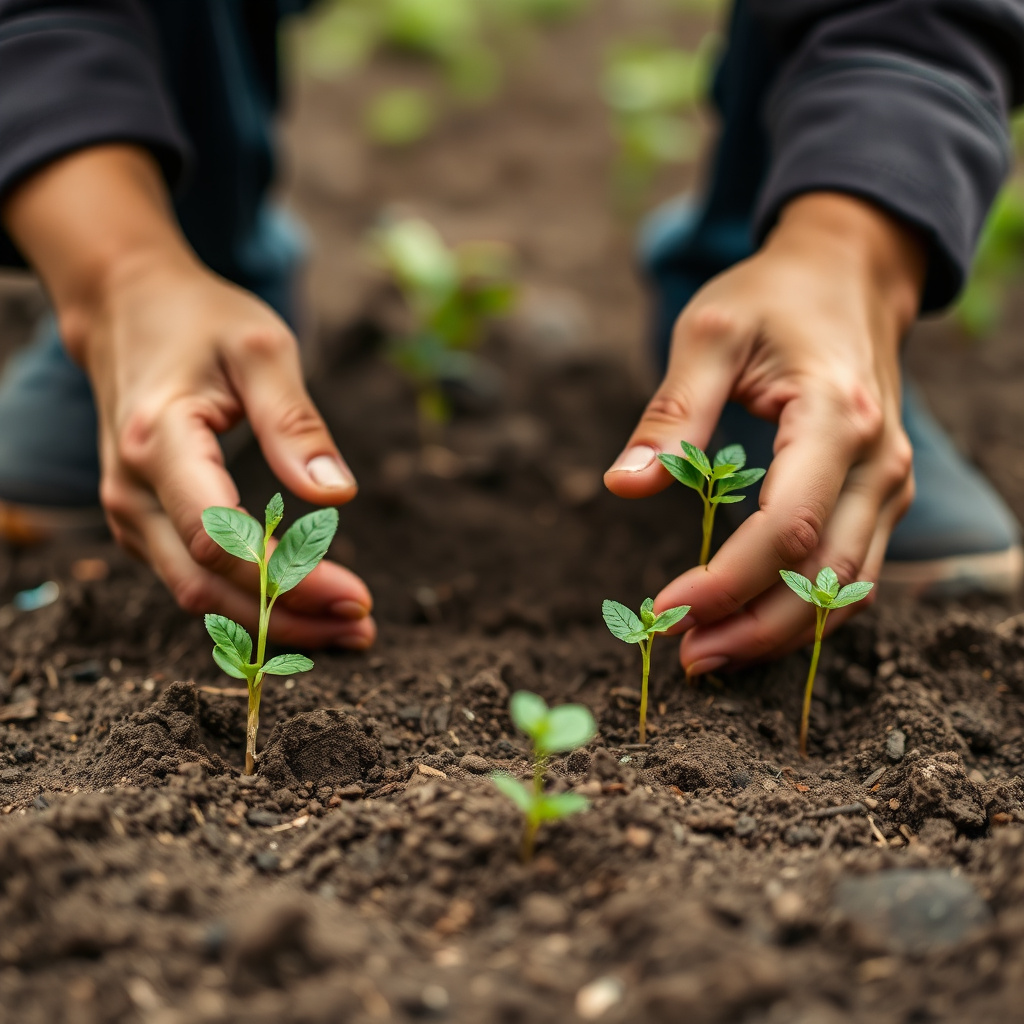
Depth and Spacing Guidelines
Plant seeds at a depth about twice their diameter to protect them from drying out and encourage proper germination. Larger seeds need to be buried deeper, smaller seeds closer to the surface.
Spacing seeds too close leads to overcrowding and weak growth, so follow packet recommendations for distance between seeds to give seedlings room to mature.
- Small seeds: 1/8 to 1/4 inch deep
- Medium seeds: 1/2 to 1 inch deep
- Large seeds: 1 to 2 inches deep
- Thin rows or broadcast thinly then thin seedlings later
For more on this, see our related guide: How to Store Seeds Long Term for Maximum Viability and Freshness.
Sowing Techniques for Even Coverage
For uniform seed distribution, consider creating shallow furrows or use a seed spreader. Cover seeds gently with soil and press lightly to ensure good contact without compacting the soil.
Water immediately after sowing with a fine spray to settle soil and begin the germination process, taking care not to wash seeds away.
- Use finger or tool to measure sowing depth
- Avoid burying seeds too deeply
- Water gently but thoroughly
Watering and Caring for Newly Planted Seeds
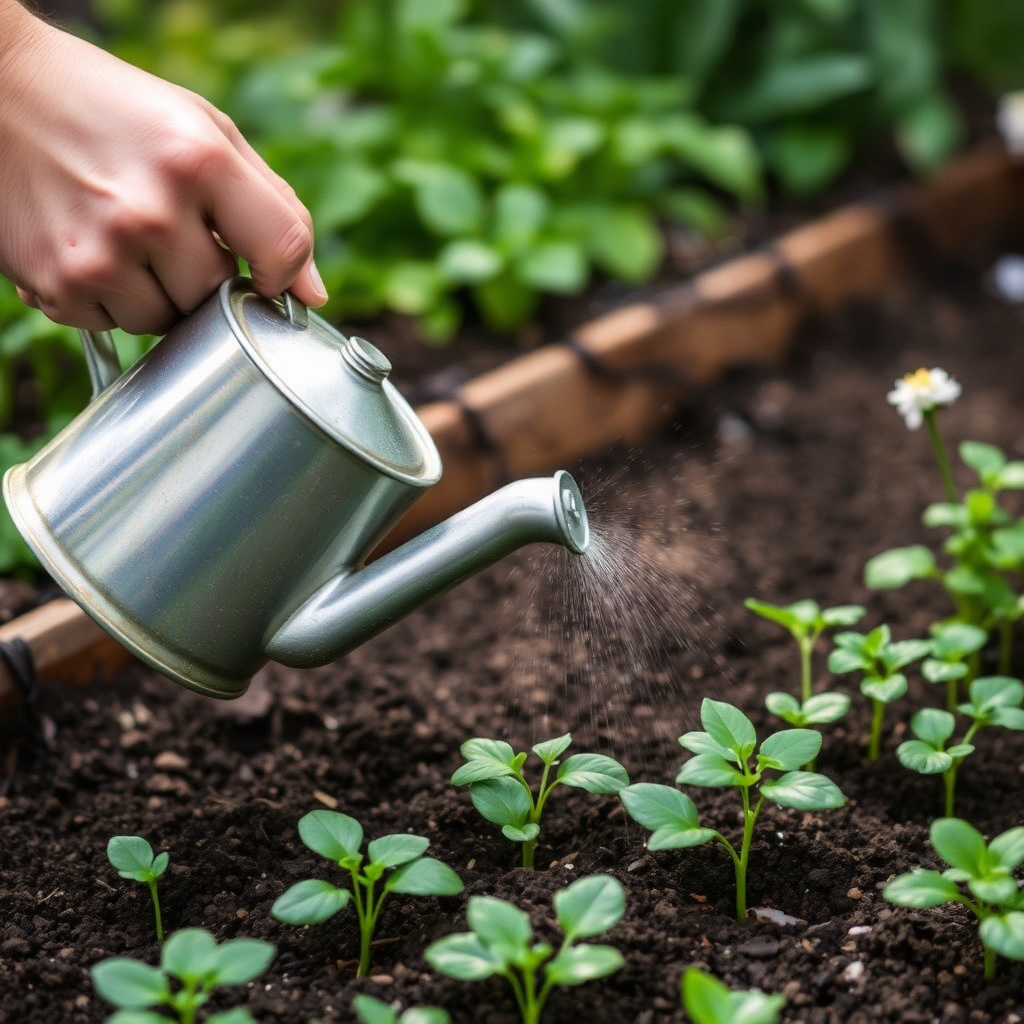
Watering Frequency and Techniques
Keep the soil consistently moist but not waterlogged during germination, usually daily or every other day depending on weather and soil type. This moisture supports seed imbibition and sprout emergence.
Use a gentle spray or mist to avoid disturbing the seeds or soil. Avoid heavy watering that causes runoff or seed displacement.
- Water early morning or late afternoon
- Avoid dry spells during germination
- Monitor soil moisture regularly
Protecting Seeds from Pests and Environment
Birds, rodents, and insects may eat seeds before they sprout. Use netting or lightweight covers to deter animals without blocking sunlight.
Mulching lightly with straw or fine mulch can help retain moisture but avoid thick mulch that blocks light and air circulation essential for seed growth.
- Use garden fabric or netting
- Apply pest repellents safely
- Mulch thinly to conserve moisture
Troubleshooting Common Seed Planting Issues
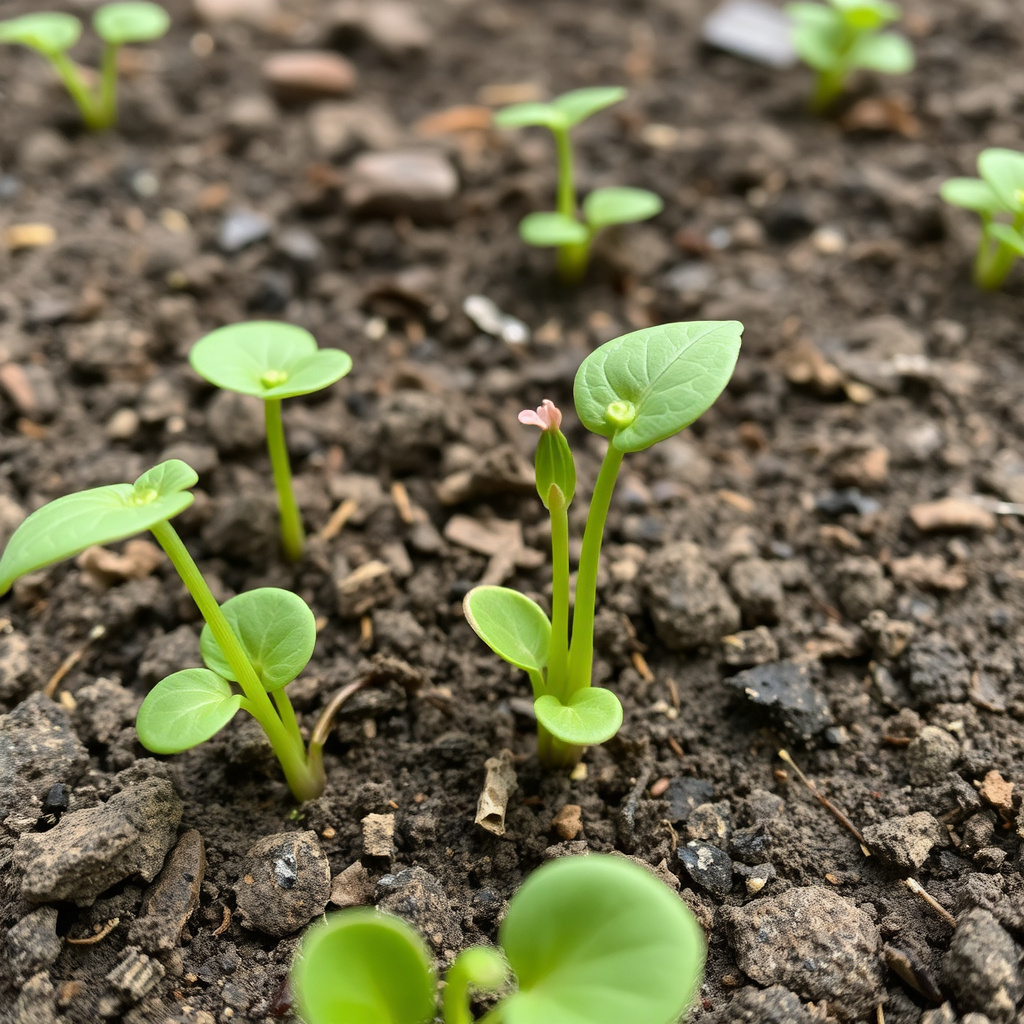
Dealing with Poor Germination
Poor germination can result from planting seeds too deep, old or damaged seeds, or dry soil conditions. Confirm planting depth and seed viability before sowing.
Also check soil temperature since too cold or too hot conditions can inhibit sprouting. Use seed trays indoors to start seeds if outdoor conditions are unfavorable.
- Use fresh, quality seeds
- Pre-soak seeds if recommended
- Maintain consistent moisture
For more on this, see our related guide: How to Prevent Root Rot in Plants: Effective Strategies for Healthy Growth.
Managing Seedling Damping Off and Diseases
Damping off fungus infects young seedlings causing collapse. Avoid overly wet soil and ensure good airflow around plants.
Use sterilized soil for planting and avoid overcrowding seedlings to reduce disease risk. Remove affected plants immediately to prevent spread.
- Water at soil level, not leaves
- Avoid excess nitrogen fertilizers early
- Space seedlings apart for air circulation
Selecting the Best Soil for Seed Planting
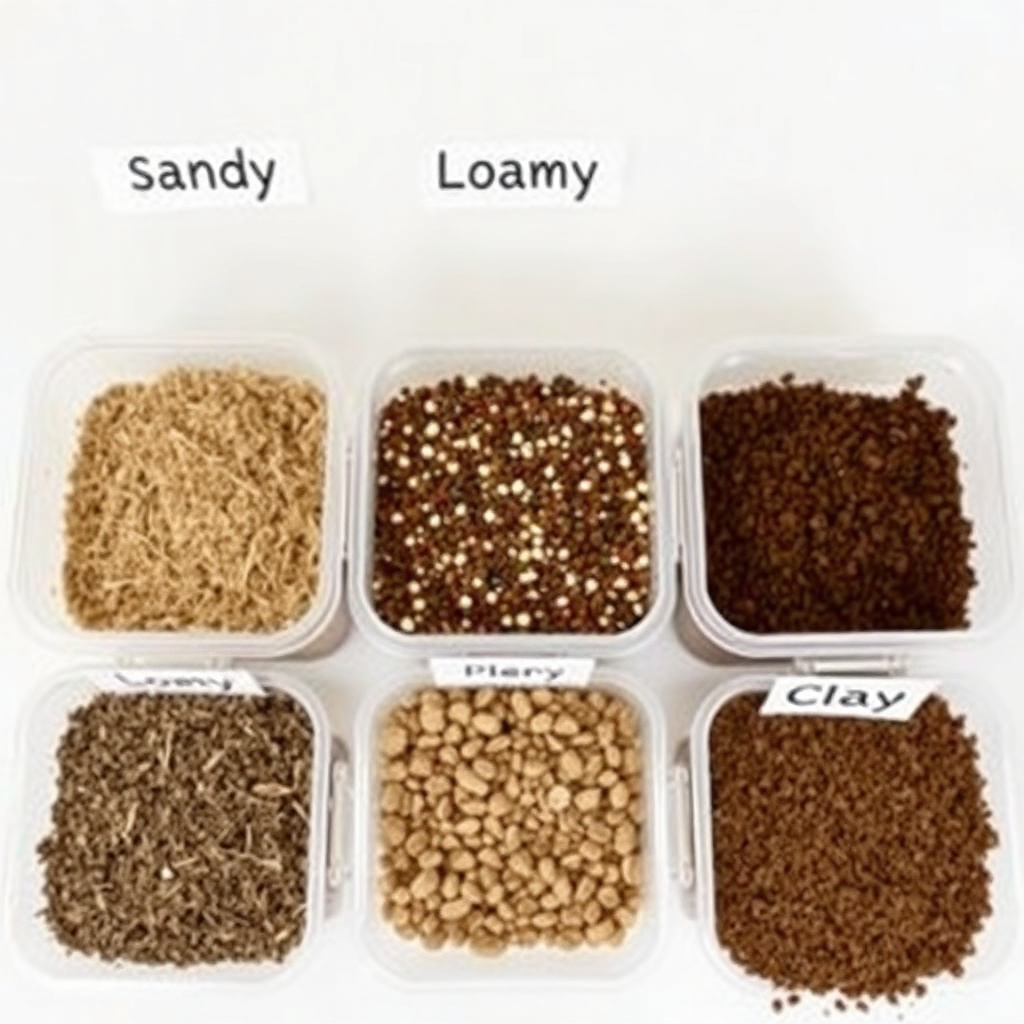
Characteristics of Ideal Seed Planting Soil
The best soil for seed planting is loose, nutrient-rich, well-draining, and has good moisture retention without being heavy or compacted. Loamy soils often meet these criteria.
Organic matter helps improve fertility and structure, creating a supportive environment for seed germination and root development essential for healthy seedlings.
- Loamy texture balances drainage and moisture
- High organic content nurtures seedlings
- Neutral pH around 6.0-7.0
For a more detailed overview of seed planting basics, you can visit the relevant Wikipedia page. seed planting basics.
Amending Poor or Native Soils
If your native soil is sandy, add compost or peat to increase water retention. Clay soils can benefit from coarse sand and organic amendments to enhance drainage and aeration.
Test soil quality and add amendments accordingly before planting seeds to set the foundation for vigorous seedling growth.
- Add compost or manure
- Incorporate sand into clay soils
- Use mulch to moderate moisture
Comparison of Seed Planting Methods
Different approaches to planting seeds vary by soil preparation, depth control, and watering practices. The table below summarizes key differences.
| Method | Soil Preparation | Seed Depth Accuracy | Watering Technique | Best For |
|---|---|---|---|---|
| Direct In-Ground Planting | Loosen and amend soil | Manual measurement | Gentle hand watering | Large garden beds |
| Seed Trays Indoors | Sterile potting mix | Controlled environment | Regular misting | Early starts, delicate seeds |
| Broadcast Seeding | Minimal tilling | Uneven depth | Moderate watering | Cover crops, lawns |
| Row Planting with Furrows | Loosened rows | Consistent furrow depth | Drip irrigation possible | Vegetable gardens |
Frequently Asked Questions
How deep should I plant seeds in the ground?
Most seeds should be planted at a depth about twice their size. Small seeds go just under the surface, while larger seeds require deeper planting around one to two inches.
Can I plant seeds directly outdoors?
Yes, many seeds can be planted directly outdoors if soil conditions are favorable. Ensure the soil is prepared, warm enough, and there's no risk of frost.
How often should I water newly planted seeds?
Keep the soil consistently moist by watering daily or every other day. Use gentle watering to avoid disturbing seeds and adjust frequency depending on weather.
What if my seeds don’t germinate?
Poor germination could be due to old seeds, incorrect planting depth, or unsuitable soil conditions. Use fresh seeds and check soil moisture and temperature.
Is it necessary to thin seedlings after they sprout?
Yes, thinning prevents overcrowding so surviving seedlings have enough space and nutrients to grow strong and healthy.
Key Takeaways
- Prepare and amend soil before planting seeds in the ground
- Plant seeds at the correct depth and spacing to optimize growth
- Keep soil consistently moist with gentle watering during germination
- Protect seeds from pests and environmental stress for better survival
Conclusion
Knowing how to plant seeds in the ground well begins with picking an appropriate location that offers enough sunlight and well-drained soil. Preparing the soil through loosening and adding nutrients creates a fertile bed for seeds. Following planting guidelines like seed depth and spacing ensures healthy root development and prevents crowding. Consistent moisture and pest protection complete the care process improving germination rates and seedling survival.
For gardeners tackling various seeds, consider sowing hardy, large seeds like beans and sunflowers directly in the garden with prepared soil, while starting delicate or slow-germinating seeds indoors in trays can give them a head start. For lawns or cover crops, broadcasting seeds might be efficient but requires thinning later. Each method fits different garden scales and plant types, so match your approach accordingly.
Start by testing your soil and choosing seeds suited for your climate and space. Next, focus on good soil preparation and follow the proper planting steps described here to achieve vibrant growth from seed. Taking these practical steps will lead you toward a thriving garden and a rewarding planting experience.