How to Fix Overwatered Plants: Effective Steps to Save Your Greenery
If your plants are showing droopy leaves, yellowing, or soggy soil, you are likely dealing with overwatering. To fix overwatered plants, the first step is to stop watering immediately and allow the soil to dry out. Improving drainage by repotting damaged plants into fresh, well-draining soil helps roots recover from excess moisture.
Overwatering can suffocate roots and lead to fungal infections such as root rot, which can severely harm or kill plants if left unaddressed. Understanding how to fix overwatered plants not only prevents long-term damage but also helps you maintain healthier, more resilient plants by restoring proper moisture balance.
This article explains the key signs of overwatering in plants, practical corrective actions like adjusting watering routines and repotting, ways to improve drainage and soil quality, and tips for recovering plants to full vigor. By following these steps, you can revive your overwatered plants and encourage stronger growth.
Identifying the Signs of Overwatered Plants
Visual Symptoms to Watch For
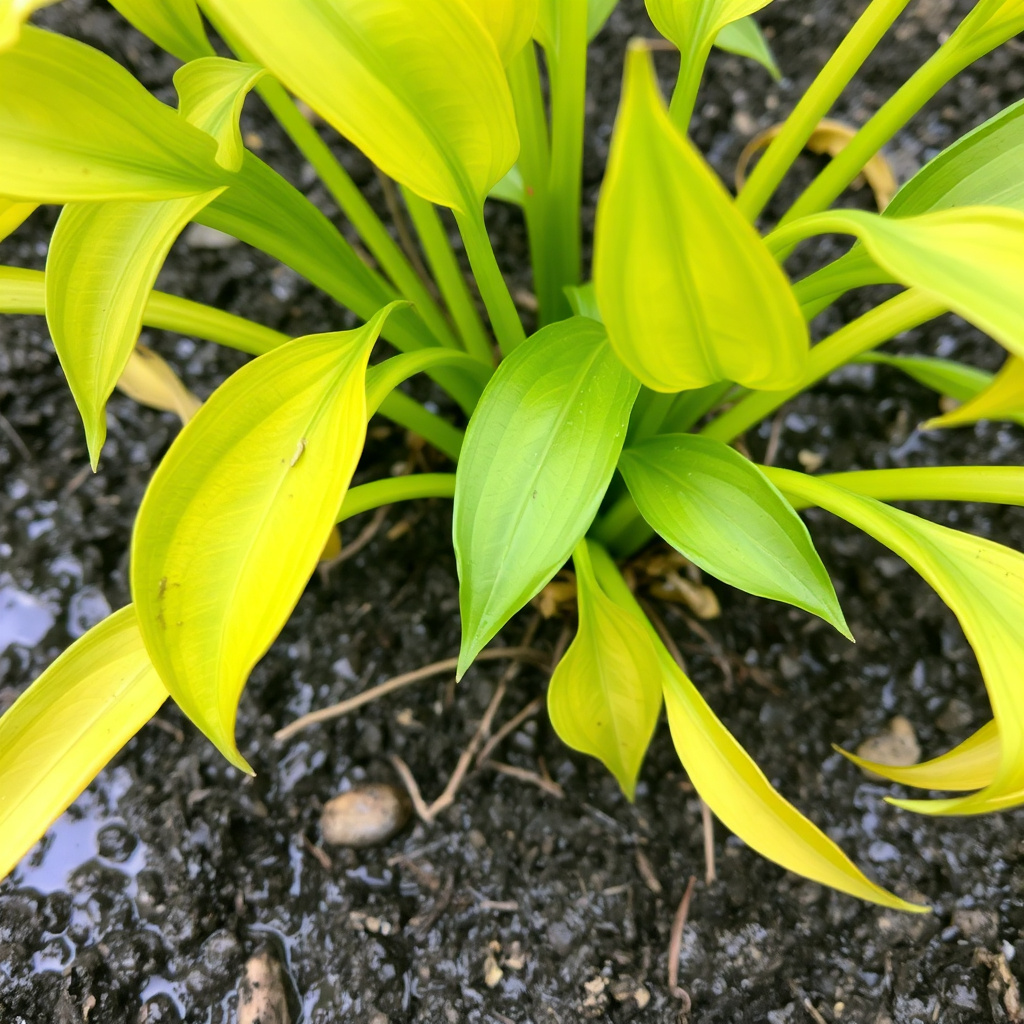
Common signs of overwatering include soft, yellow, or translucent leaves that look limp or wilted despite moist soil. Soil that remains consistently wet and soggy is a strong indicator. In some cases, brown or black roots may mean root rot has set in, which is detrimental to plant health.
Leaves may also show spots or feel mushy. You might notice a mildew or moldy smell from the soil surface, signaling excess moisture and fungal presence. Recognizing these symptoms early prevents further damage.
- Yellowing or browning leaves
- Drooping despite wet soil
- Mushy or soft leaves
- Persistent soggy soil
- Foul or musty soil smell
How Overwatering Affects Plant Roots
Roots need oxygen to stay healthy, and waterlogged soil blocks this crucial air exchange. When roots sit in too much water, they start to drown, decay, and rot, losing the ability to absorb nutrients effectively. This can cause the entire plant to suffer from nutrient deficiencies and stunted growth.
Over time, rotting roots create a breeding ground for harmful fungi and bacteria. These pathogens worsen the plant’s condition, often making it impossible for the plant to recover if overwatering persists.
Immediate Steps to Fix Overwatered Plants

Cease Watering and Drain Excess Moisture
Stop watering immediately and give the plant a chance to dry out. If the soil is in a pot, remove excess water from the drainage tray and allow air circulation around the pot. Removing the plant from its container to inspect the roots can help determine the severity of the issue.
If the soil is saturated, letting it dry out completely before watering again prevents ongoing damage. Avoid covering the soil with plastic or other coverings, which trap moisture and slow drying.
- Stop watering immediately
- Remove standing water from saucer
- Increase air circulation
- Allow soil to dry thoroughly
For more on this, see our related guide: How to Fix Overwatered Cannabis Plants: Effective Recovery Tips.
Repotting to Promote Recovery
For severely overwatered plants, repotting is often necessary. Gently remove the plant from its pot and trim away any blackened, mushy roots using clean scissors. Replant using fresh, well-draining soil to prevent future water retention issues.
Choosing a pot with adequate drainage holes is vital. Using a potting mix designed for your specific plant type or amended with perlite or sand can significantly improve soil aeration and moisture control.
- Remove damaged roots carefully
- Use fresh, well-draining soil
- Select pots with good drainage
- Avoid compacted soil mixes
Improving Soil and Drainage for Overwatered Plants

Choosing the Right Soil Mix
Soil that holds too much water is a primary cause of overwatering problems. Opt for a mix with components like peat moss, bark, perlite, or sand that improve drainage while retaining enough moisture for plant roots. Tailoring soil to plant species supports better water balance.
Houseplants like succulents and cacti require fast-draining soil to prevent moisture buildup, while other tropical plants may benefit from mixes that retain moderate moisture but still allow airflow.
- Incorporate perlite or sand for drainage
- Use peat moss for moisture retention
- Match soil type to plant needs
- Avoid heavy clay soils indoors
Enhancing Pot Drainage Systems
Ensure containers have sufficient drainage holes to let excess water escape freely. If necessary, drill additional holes or elevate pots on pot feet or gravel layers. This stops water from pooling at the roots, which is a common contributor to overwatering.
Self-watering pots can complicate moisture monitoring; consider adjusting or avoiding these systems if overwatering issues arise frequently.
- Check for adequate drainage holes
- Use pot feet or gravel layers
- Modify or avoid self-watering pots
- Elevate pots for airflow underneath
Adjusting Watering Habits to Prevent Overwatering

Proper Watering Frequency and Technique
Water plants only when the top inch or so of soil feels dry to the touch. Using a finger test or soil moisture meter helps decide the right time. Avoid a fixed schedule since plant water needs vary by species, pot size, climate, and season.
Water deeply but infrequently so roots develop fully and access oxygen between watering. Ensure excess water drains freely and never let containers sit in standing water.
- Check soil moisture before watering
- Water deeply and evenly
- Avoid daily or rigid watering schedules
- Empty excess water from trays promptly
For more on this, see our related guide: How to Prevent Root Rot in Plants: Effective Strategies for Healthy Growth.
Seasonal and Environmental Considerations
Plants generally need less water during cooler months or dormancy periods. Adjust watering based on indoor humidity, temperature, and light conditions. Dry heat indoors can increase watering needs, whereas damp, shaded spaces require less frequent moisture.
Monitoring plant behavior and soil often helps identify subtle signs for timing watering correctly and avoiding overwatering in different environments.
Helping Overwatered Plants Recover Fully

Promoting Root and Leaf Health
After reducing moisture stress, encourage root recovery by repotting and using a balanced, diluted fertilizer cautiously once new growth appears. Avoid fertilizing stressed plants aggressively, as weakened roots cannot handle excess nutrients.
Pruning affected leaves removes energy drains and helps direct resources to healthy parts. Maintaining stable temperatures and indirect bright light aids healing without causing additional stress.
- Use mild fertilizer after recovery starts
- Prune damaged leaves and stems
- Provide indirect bright light
- Maintain consistent indoor temperatures
For more detailed information on the causes and effects of overwatering, you can review the overwatering on Wikipedia. overwatering on Wikipedia.
Monitoring for Recurring Overwatering
Stay vigilant for any signs of recurring overwatering or root rot after recovery steps. Continued soil moisture monitoring and adjusting watering routines based on plant feedback helps prevent setbacks.
Regularly inspect plants and soil condition, especially in seasons of changing humidity or temperature, to catch any early issues before they turn severe.
Comparison of Common Potting Soil Types for Overwatered Plants
This table outlines various potting soils and how they support drainage, moisture retention, and root health to help fix overwatered plants.
| Soil Type | Drainage | Moisture Retention | Best For |
|---|---|---|---|
| Peat-based mix | Moderate | High | Tropical houseplants |
| Sandy mix | High | Low | Succulents and cacti |
| Loamy soil | Balanced | Balanced | General indoor plants |
| Perlite-amended mix | Very high | Low | Plants prone to root rot |
| Coconut coir mix | Good | Moderate | Environmentally friendly option |
Frequently Asked Questions
Can I save a plant with root rot from overwatering?
Yes, by removing the plant promptly, trimming rotten roots, repotting in fresh soil, and adjusting watering habits, many plants can recover from root rot if caught early.
How long should I wait before watering an overwatered plant again?
Wait until the soil feels dry to about an inch deep, which can take several days to weeks depending on conditions, before watering again to prevent repeating overwatering.
Does overwatering kill plants faster than underwatering?
Overwatering can cause root suffocation and rot faster and is often more immediately damaging than underwatering, which usually shows slower signs of stress.
Are certain plants more prone to overwatering issues?
Yes, plants like succulents, cacti, and orchids are more sensitive to excess water and require well-draining soil and careful watering routines.
Is using a moisture meter helpful to prevent overwatering?
A moisture meter provides an objective measure of soil dampness, helping to avoid watering plants while soil is still wet, which is useful for preventing overwatering.
Key Takeaways
- Stop watering and let soil dry immediately when overwatering is detected.
- Repot plants with damaged roots using fresh well-draining soil.
- Adjust watering based on soil moisture and plant needs, not fixed schedules.
- Improve pot drainage to prevent future moisture buildup.
Conclusion
Fixing overwatered plants requires a careful balance of stopping excess watering, improving root environment, and recognizing plant signals. Understanding the impact of saturated soil on roots helps guide corrective steps such as repotting and adjusting watering frequency. Observing plant symptoms and refining soil and pot choices supports long-term health.
For plants showing early signs of overwatering, pausing watering and improving drainage often leads to full recovery. More severely affected plants may need root trimming and fresh soil repotting. Different soil mixes—from peat-based to sandy soils—serve varied plant needs but all focus on preventing water retention that harms roots. Adjust your approach based on species sensitivity and environmental conditions.
Begin by thoroughly inspecting your plants if you suspect overwatering, then act promptly by ceasing watering and considering repotting if needed. Use soil moisture checks and proper pot drainage to keep your plants healthy going forward. This proactive care minimizes stress and keeps your greenery vibrant and thriving.