Health Benefits of Chia Seeds: Why Are They Good for You?
Feeling overwhelmed trying to stay healthy and fit? You’re not alone—many people struggle with finding simple ways to boost their nutrition and energy levels daily.
Chia seeds are a nutritional powerhouse that can boost your digestion, support heart health, and increase your energy levels. Their high fiber content helps regulate your bowel movements, while omega-3 fatty acids reduce inflammation and support cardiovascular wellness.
Plus, their healthy fats and antioxidants keep you feeling full longer, aiding in weight management. Incorporating chia seeds into your diet is simple, and uncovering more ways they can benefit your health is just a step away.
Key Takeaways
- Rich in omega-3 fatty acids, supporting brain health and reducing inflammation.
- High fiber content promotes digestive health and helps prevent constipation.
- Contains essential minerals like calcium and magnesium, which are good for your bones.
- Provides antioxidants that fight oxidative stress and boost your immunity.
- Sustains energy levels and enhances endurance during physical activities.
What Are Chia Seeds and Why Are They a Superfood?
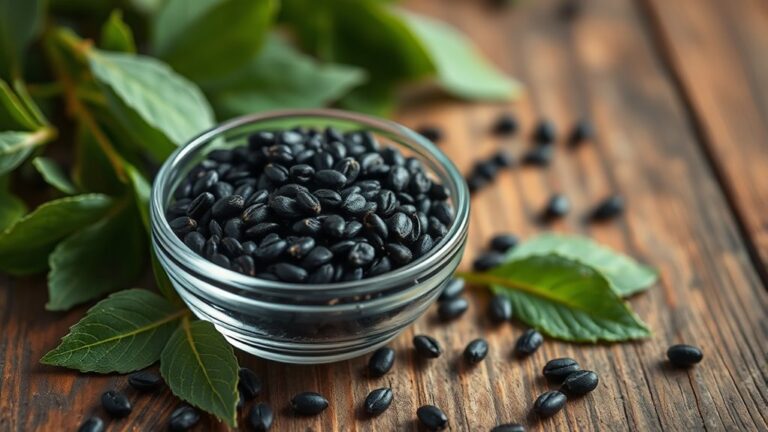
Chia seeds are tiny, nutrient-packed superfoods that have become popular for their health benefits. Their history goes back centuries to ancient Mesoamerican cultures like the Aztecs and Mayans, who relied on chia seeds as an essential energy source. They used chia seeds for both sustenance and medicinal purposes.
Chia seeds, ancient superfoods from Mesoamerica, fueled Aztec and Mayan vitality with their nourishing powers.
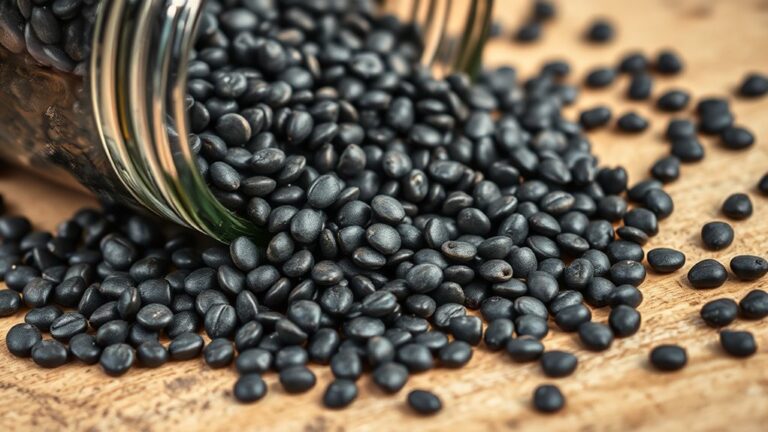
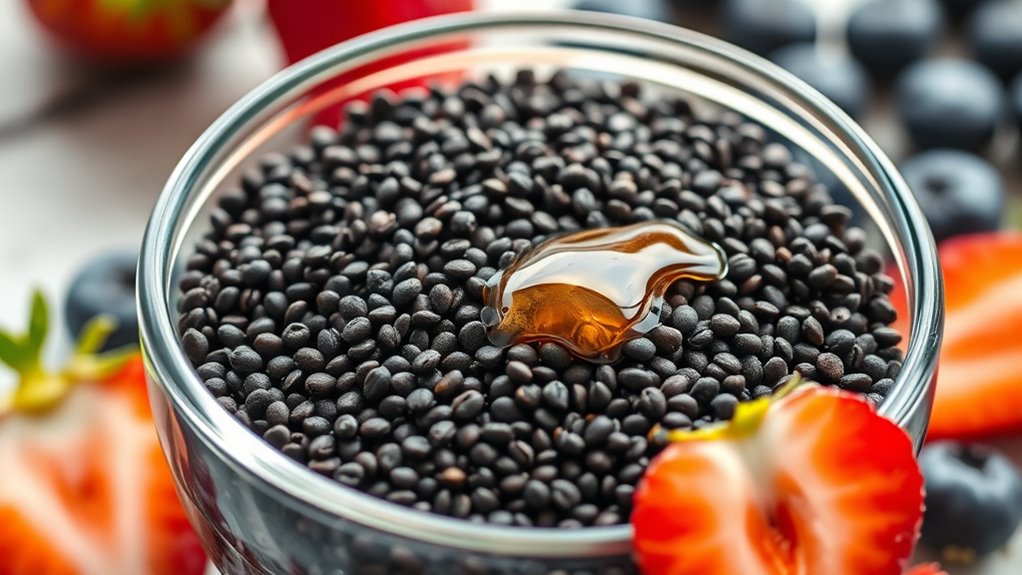
Today, most chia seed varieties are limited to black and white seeds, and both offer the same nutritional benefits. Their small size makes them easy to add to your diet—sprinkle on oatmeal, blend into smoothies, or toss into baked goods.
What makes chia seeds a superfood is their impressive nutrient profile, including fiber, omega-3 fatty acids, and antioxidants. Their long history and variety highlight why they’re such a powerful addition to your health routine.
Their versatility and long-standing use make chia seeds a truly exceptional superfood.
What Nutrients Are in Chia Seeds? (Vitamins, Minerals, and Fats)
Packed with an impressive array of nutrients, chia seeds are a small but mighty superfood. Their nutrient profile includes a variety of essential vitamins, minerals, and healthy fats.
You’ll find a good amount of vitamin content, especially vitamin B complex and vitamin E, which support energy production and skin health. The mineral composition of chia seeds is similarly impressive, featuring calcium, magnesium, phosphorus, and manganese, all crucial for bone strength and metabolic processes.
The healthy fats in chia seeds mainly consist of omega-3 fatty acids, which promote brain function and reduce inflammation. These fats are a key part of their nutrient profile, making them a valuable addition to your diet.
How Do Chia Seeds Support Digestive and Heart Health?
Consuming chia seeds can significantly boost your digestive and heart health thanks to their high fiber and healthy fats. The soluble fiber in chia seeds adds bulk to your stool, helping with regular digestion and preventing constipation, which is a big plus for your gut.
These fibers also feed good gut bacteria, supporting a healthy microbiome. When it comes to heart health, chia seeds are packed with omega-3 fatty acids, which can lower inflammation and bad cholesterol levels.
This helps prevent arterial plaque buildup and keeps your cardiovascular system working well. The fiber and omega-3s work together to support overall heart health.
Adding chia seeds to your diet is easy—they can go into smoothies, yogurt, or oatmeal. Eating them regularly can help keep your digestion smooth and your heart healthy, making chia seeds a smart daily addition.
Can Chia Seeds Boost Your Energy and Endurance?
If you’re looking for a natural way to boost your energy and endurance, chia seeds can be a smart addition to your diet. They serve as effective energy sources, providing sustained fuel during workouts and daily activities.
The endurance benefits of chia seeds come from their rich fiber and healthy fats, which help stabilize blood sugar levels and delay fatigue. They can improve performance by supporting hydration and electrolyte balance, thanks to their ability to absorb water and promote hydration support.
Chia seeds also contribute to athletic recovery by reducing muscle soreness and replenishing lost nutrients. Their natural stimulants help boost metabolism, leading to increased stamina and energy levels.
Regularly including chia seeds in your workout nutrition can help with fatigue reduction and stamina improvement, making them a versatile and natural supplement for athletes and active individuals alike.
How Do Chia Seeds Help You Feel Full and Manage Weight?
Because of their high fiber content and ability to absorb water, chia seeds can help you feel full longer, making them an effective tool for weight management. When you include chia seeds in your meals, they expand in your stomach, which helps you recognize hunger cues sooner and prevents overeating.
This means you can better control portion sizes without feeling deprived. Since chia seeds are dense in fiber and healthy fats, they slow digestion, keeping you satisfied for hours. Incorpor’s a small amount into your snacks or meals can curb cravings and reduce the tendency to snack unnecessarily.
As a result, you naturally eat less throughout the day, supporting your weight management goals. By listening to your hunger cues and managing portion sizes effectively, chia seeds become a simple yet powerful addition to your balanced diet.
What Are the Best Ways to Incorporate Chia Seeds Into Your Diet?
You can easily sneak chia seeds into your diet with just a few simple recipes and snacks. For example, toss them into smoothies, stir them into yogurt, or make some quick energy bites. They’re super versatile and add a nice crunch or texture wherever you use them.
Another easy way to enjoy chia seeds is by mixing them into drinks like water or juice. Just a teaspoon or two, and you’re good to go! It’s a quick and effortless way to get their health benefits without much hassle. Overall, these methods make adding chia seeds to your daily routine both simple and delicious.
Easy Recipes and Snacks
Incorporating chia seeds into your diet is easy and versatile, making them a perfect addition to many daily snacks and meals. You can make chia pudding the night before for a quick breakfast or add them to energy bars for sustained energy.
Smoothie bowls become more nutritious with a sprinkle of chia seeds, and you can create delicious chia jam to spread on toast or yogurt. Overnight oats are improved with chia seeds for added fiber and texture.
Use them as salad toppings to boost crunch and nutrients, or include them in baked goods like muffins and bread. For convenient snacking, pack chia seed snack packs to enjoy on the go.
These simple ideas help you effortlessly enjoy the health benefits of chia seeds throughout your day.
Incorporate Into Drinks
Adding chia seeds to your drinks is an easy way to boost their nutritional value. You can blend them into smoothies or mix them into water for a hydrating boost.
Chia seeds work well in shakes and protein drinks, adding texture and fiber. For a twist, stir them into juices or create chia-infused teas that slowly release their nutrients.
You can also sprinkle chia seeds over your lattes for extra crunch and health benefits. For a fun cocktail, try incorporating chia seeds—they add visual appeal and extra nutrients.
Are Chia Seeds Safe to Eat Every Day?
Is it safe to eat chia seeds daily? For most people, yes, but it’s important to consider a few things.
Chia seeds are nutrient-dense and generally safe when eaten in moderation. However, because they absorb a lot of water and expand, eating large amounts without enough liquid can cause digestive issues like bloating or constipation.
To avoid these problems, always soak your chia seeds or drink plenty of fluids when adding them to your diet. People with certain health conditions, such as low blood pressure or swallowing difficulties, should check with a healthcare provider before eating chia seeds regularly.
If you’re on blood-thinning medication, it’s a good idea to consult your doctor because chia seeds contain omega-3 fatty acids that could affect blood clotting. Overall, when eaten responsibly, chia seeds are a healthy, versatile addition to your daily routine.
How Do Chia Seeds Compare to Other Superfoods?
Chia seeds often come up in conversations about superfoods, but how do they compare to other nutrient-rich options? They stand out for their high fiber, omega-3 fatty acids, and protein content, offering impressive superfood benefits.
While berries are rich in antioxidants and vitamins, chia seeds provide a concentrated source of fiber that supports digestion and satiety. Quinoa offers complete plant protein, but chia seeds contain more omega-3s per serving.
Green leafy vegetables are packed with micronutrients, yet chia seeds are easy to incorporate into various dishes without changing flavor notably. Overall, they deliver unique superfood benefits through their dense nutrient profile.
Chia seeds are a versatile addition to your diet. They may not replace all other superfoods, but their combination of fiber, healthy fats, and plant-based protein makes them a valuable complement to your nutritional routine.
What Does Science Say About the Benefits of Chia Seeds?
What does scientific research reveal about the health benefits of chia seeds? Chia seed research consistently highlights their nutritional power, supported by numerous health studies. These studies show that chia seeds are rich in fiber, omega-3 fatty acids, antioxidants, and essential minerals.
Scientific studies confirm chia seeds’ incredible nutritional benefits, including fiber, omega-3s, antioxidants, and essential minerals.
Their nutritional analysis reveals they can improve heart health, aid digestion, and support weight management. When comparing superfoods, chia seeds often outperform others thanks to their dense nutrient profile.
Consider these key findings:
- High fiber content promotes digestive health and satiety
- Rich in omega-3s benefits cardiovascular health
- Antioxidants help fight free radicals and reduce inflammation
- Nutritional analysis shows they boost overall nutrient intake
How Much Chia Seeds Should You Eat Daily?
So, how much chia seeds should you actually be eating each day? Well, a good rule of thumb is about 1 to 2 tablespoons. That way, you get to enjoy all the health benefits without going overboard. It’s also smart to keep an eye on your portions—measuring out your servings can help you avoid taking in too much fiber or calories.
And remember, it’s best to introduce chia seeds into your diet gradually. That way, you can see how your body responds and avoid any digestive discomfort. Just take it slow, and you’ll be good to go!
Recommended Daily Intake
For most adults, about 1 to 2 tablespoons of chia seeds daily is a good amount to enjoy their health perks without going overboard.
This helps keep your nutrition balanced and prevents taking in too much.
You can easily add these servings to your diet—like in smoothies, yogurt, or oatmeal.
To get the most benefits and avoid stomach issues, start small and gradually increase your intake.
Remember, moderation is key to reaping chia seeds’ benefits without overdoing it.
Keeping track of how much you eat ensures you get their fiber, omega-3s, and antioxidants without upsetting your overall nutrition.
Consistency is important, so find a daily routine that fits your lifestyle.
Portion Control Tips
To enjoy the health benefits of chia seeds without overdoing it, it’s important to control your portion size. Typically, a standard serving is about one to two tablespoons, which provides plenty of nutrients without excess calories.
Practicing mindful eating helps you recognize when you’re full and prevents overeating. Try adding chia seeds to smoothies, yogurt, or oatmeal, following simple serving suggestions.
Keep portion sizes consistent to avoid consuming too many calories or fiber at once, which can cause digestive discomfort. Using measuring spoons can help you stay accurate, especially when you’re just starting.
Frequently Asked Questions
Are There Any Potential Allergic Reactions to Chia Seeds?
Yes, you can have allergic reactions to chia seeds, especially if you’re sensitive or allergic to them. Some people might experience immune responses like itching, swelling, or trouble breathing.
If you notice these symptoms after eating chia seeds, it’s important to stop eating them and see a healthcare professional. Being aware of potential allergies can help you avoid reactions and stay safe, especially if you have a history of food allergies.
Can Chia Seeds Interfere With Any Medications?
Chia seed interactions with medications are rare, but they can affect how your body absorbs certain drugs. Since chia seeds are high in fiber, they might slow down digestion and interfere with medication absorption if you eat a lot of them.
About 50% of medications can be affected by food, so it’s a good idea to talk to your healthcare provider. To avoid any issues, try to take your medications at a different time than when you consume chia seeds.
How Do Chia Seeds Affect Blood Sugar Levels?
Chia seeds help regulate blood sugar levels by forming a chia gel, which slows down carbohydrate digestion and sugar absorption. When you soak chia seeds, the gel creates a barrier that stabilizes your blood sugar, preventing spikes after meals.
Including chia seeds in your diet can support steady energy levels, especially if you have insulin sensitivity or diabetes. Just remember to consume them with balanced meals for the best effect.
Are Organic Chia Seeds More Beneficial Than Non-Organic?
Like a modern-day David facing Goliath, choosing organic chia seeds gives you a clear advantage. Organic farming minimizes chemical exposure, ensuring your chia seeds retain more nutrients and promote better absorption.
You benefit from higher antioxidant levels, supporting your overall health. So, yes, organic chia seeds are more beneficial, helping you maximize their nutritional potential and enjoy a purer, more wholesome addition to your diet.
Do Chia Seeds Have Any Side Effects if Consumed Excessively?
If you eat too many chia seeds, you might run into digestion issues like bloating or constipation because of their high fiber content.
They also soak up a lot of water, so if they’re not properly hydrated before eating, it could cause choking or discomfort.
To avoid these side effects, just enjoy them in moderation.
Make sure to soak them well beforehand and drink plenty of water to keep things moving smoothly and stay hydrated.
Conclusion
Incorporating chia seeds into your daily routine is like planting tiny seeds of wellness that bloom into vibrant health. They’re a nourishing symphony of nutrients, supporting your digestion, heart, and energy levels.
With each spoonful, you weave a tapestry of liveliness, turning simple habits into a powerful shield against imbalance. Welcome these humble seeds, and watch as your well-being blossoms.
Chia seeds are proof that small changes can grow into mighty transformations. Adding them to your diet can boost your health and make you feel more resilient every day.