How Much Fiber Is in Chia Seeds?
Many people struggle to meet their daily fiber goals, which can leave you feeling sluggish or hungry sooner than you’d like. You’re not alone—getting enough fiber is a common challenge for many.
Luckily, chia seeds are a simple, delicious way to boost your intake. You’ll find about 10 grams of dietary fiber in just one ounce of chia seeds, making them a top plant-based source. This high fiber content helps support digestion, keep you feeling full, and manage blood sugar levels.
Incorporating chia seeds into your diet is simple—they work well in yogurt, smoothies, or puddings.
Keep going to uncover how these tiny seeds can effortlessly help you reach your daily fiber goals and boost overall health.
Key Takeaways
- One ounce (28 grams) of chia seeds contains about 10 grams of dietary fiber.
- Chia seeds provide both soluble and insoluble fiber, which support digestion and help control blood sugar levels.
- The high fiber content can help you feel full longer and support weight management.
- Adding chia seeds to your meals is an easy way to increase your daily fiber intake.
- They are a great plant-based source of dietary fiber for a balanced diet.
How Much Fiber Is in Chia Seeds?
A single ounce of chia seeds has about 10 grams of dietary fiber, making them one of the best plant sources of fiber out there. This fiber is a major benefit, helping your digestion and keeping you feeling full.
Including chia seeds in your diet taps into a powerful fiber source that can help control blood sugar and support gut health. They contain both soluble and insoluble fiber, which aids in regular bowel movements and prevents constipation.
Their fiber benefits go beyond digestion—chia seeds can also help with weight management by helping you feel satisfied longer. You can sprinkle them on yogurt, blend into smoothies, or add to baked goods.
Eating chia seeds is an easy and nutrient-dense way to boost your daily fiber intake and enjoy their overall health perks.
What Are Chia Seeds and Why Are They a Superfood?
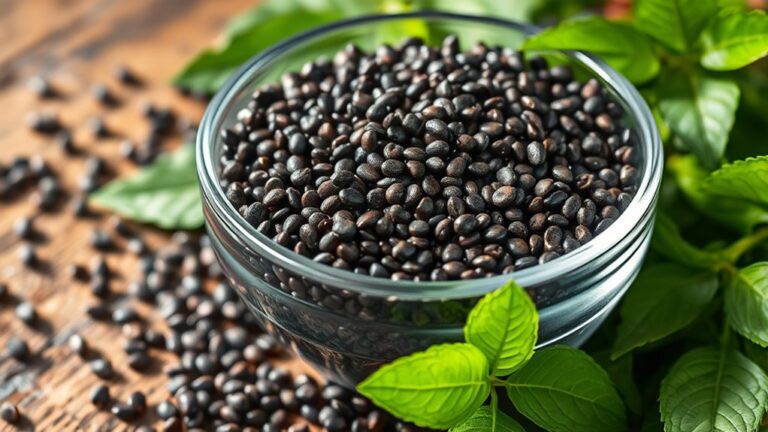
Chia seeds are these tiny little powerhouses packed with all sorts of essential nutrients that do great things for your health. They’re loaded with antioxidants, which help protect your body from damage caused by free radicals. Plus, they’re super versatile, so you can easily toss them into many different meals without any hassle. Because of all these amazing qualities, chia seeds are often called a superfood — and for good reason!
Rich Nutrient Profile
Because of their dense concentration of essential nutrients, chia seeds have earned recognition as a true superfood. They boast remarkable nutrient density, providing a wide range of vitamins, minerals, and healthy fats in small servings.
You get significant amounts of calcium, magnesium, and phosphorus, which support bone health. Furthermore, chia seeds are rich in omega-3 fatty acids, promoting heart health and reducing inflammation.
The high protein content aids in muscle repair and keeps you feeling full longer. Their fiber content supports digestion and helps regulate blood sugar levels.
High in Antioxidants
Since they are packed with powerful antioxidants, chia seeds help protect your body from oxidative stress and reduce signs of aging. Their antioxidant properties neutralize free radicals, which can damage cells and speed up aging.
By including chia seeds in your diet, you boost your overall health, supporting your immune system and promoting healthier skin. These tiny seeds are rich in compounds like flavonoids and polyphenols, which give them their high antioxidant content.
Consuming chia seeds regularly may help lower inflammation and decrease the risk of chronic diseases. Their antioxidant power makes them a valuable addition to a balanced diet, giving your body extra protection and supporting long-term wellness.
Versatile Superfood
Packed with nutrients and easy to add to your meals, chia seeds have earned a reputation as a superfood. Their versatility makes them perfect for many recipes, from smoothies to puddings and baked goods.
You can sprinkle them on yogurt or mix them into your oatmeal for extra texture. The nutritional benefits are impressive—they provide fiber, omega-3s, protein, and antioxidants in a small package.
This makes chia seeds a great choice for boosting your health effortlessly. Since they absorb liquid and expand, they add bulk and help keep you full longer.
Whether you’re enhancing breakfast or making nutritious snacks, chia seeds are a convenient, nutrient-dense superfood worth adding to your diet.
Why Is Dietary Fiber Important for Your Health?
Dietary fiber plays an essential role in maintaining your overall health, supporting digestion, and preventing certain diseases. There are different fiber types—soluble and insoluble—that work together to promote digestive health.
Soluble fiber helps lower cholesterol levels and stabilizes blood sugar, while insoluble fiber adds bulk to your stool, preventing constipation. Meeting your daily intake of fiber is vital for a healthy gut microbiome, which influences immunity and nutrient absorption.
Including a variety of fiber sources, such as fruits, vegetables, whole grains, and seeds like chia, guarantees you get these benefits. Adequate fiber intake can also help with weight management by promoting fullness and reducing overeating.
How Do Chia Seeds Compare to Other High-Fiber Foods?
Chia seeds stand out among high-fiber foods because of their impressive nutrient density and versatility. When comparing fiber content, you’ll see that chia seeds pack a punch compared to other sources.
For instance, a single ounce of chia seeds offers about 10 grams of fiber, similar to a slice of whole wheat bread or a cup of cooked beans.
| Food Source | Fiber Content per Serving |
|---|---|
| Chia Seeds (1 oz) | 10 grams |
| Whole Wheat Bread | 3-4 grams |
| Cooked Beans | 13 grams (per cup) |
| Oats | 4 grams (per ½ cup) |
| Fruits (e.g., Apple) | 4 grams (medium apple) |
This comparison shows that chia seeds are a highly concentrated source of fiber, making them a smart addition to your diet along with other foods.
What Are the Benefits of Eating Chia Seeds for Fiber?
Eating chia seeds offers numerous benefits thanks to their high fiber content. The soluble fiber in chia helps regulate digestion, making it easier for your body to process food. This can lead to better digestion and less bloating.
The fiber also acts as a prebiotic, nourishing the good bacteria in your gut and supporting overall gut health. Including chia seeds in your diet promotes a healthier digestive system, which can help prevent constipation and other issues.
Plus, the fiber in chia seeds slows down sugar absorption, helping to control blood sugar levels. This steady energy release can support weight management and reduce cravings.
How Can You Easily Add Chia Seeds to Your Meals?
- Add them to chia breakfasts like cereal or yogurt.
- Stir into chia salads for crunch and fiber.
- Mix into chia dressings or dips for extra health benefits.
With these simple tricks, you’ll effortlessly include chia seeds in your daily meals and enjoy their fiber benefits.
Are There Any Risks or Precautions When Eating Chia Seeds?
While adding chia seeds to your meals can boost your fiber intake, it’s important to be aware of potential risks. Chia seeds can pose a choking hazard if eaten dry, so it’s best to soak them before consumption.
Allergy concerns are rare but possible. If you have nut or seed allergies, check for reactions before eating them.
Digestive issues like bloating or constipation may happen if you eat too many seeds without enough water. Since chia absorbs water and expands, staying hydrated is key.
To prevent problems, stick to portion sizes of one to two tablespoons daily and drink plenty of fluids. Seed quality also matters—choose reputable brands to avoid contaminants.
Always start with small amounts to see how your body reacts. By paying attention to these precautions, you can enjoy chia seeds safely and get the most health benefits without unnecessary risks.
How to Read Labels to Check Fiber Content in Chia Seeds?
To effectively check the fiber content in chia seeds, start by examining the nutrition label on the packaging. The label is really important because it tells you exactly how much fiber is in each serving.
Pay close attention to the serving size since that determines how much fiber you’re actually getting. Always compare fiber amounts based on the listed serving size, not the total package.
Look for the dietary fiber listed in grams. Higher grams mean more fiber. Also, check if there are any added ingredients or fillers that could dilute the fiber content.
Understanding these details helps you make smarter choices. Reading labels carefully ensures you know the actual fiber content since serving sizes can vary.
This simple step keeps you on track with your nutritional goals and helps you get the most out of your chia seeds.
Can Incorporating Chia Seeds Help You Reach Your Daily Fiber Goals?
Thinking about ways to hit your daily fiber goals? Adding chia seeds to your diet might just do the trick. They’re packed with fiber and super easy to include in your meals. You can toss them into smoothies, stir them into yogurt, or sprinkle them on oatmeal—whatever you prefer. Just a little bit goes a long way, and it can really help you meet your fiber targets without much effort.
Chia Seeds’ Fiber Content
Chia seeds pack a powerful punch of dietary fiber, making them an excellent addition to your diet if you’re aiming to meet your daily goals. Just one ounce (about 2 tablespoons) provides around 10 grams of fiber, making them a top fiber source.
This high fiber content supports digestion, helps control blood sugar, and promotes feelings of fullness. Including chia seeds in your meals can boost your overall health benefits.
To get the most out of them, consider these points:
- They are easy to incorporate into various dishes
- They add bulk and help you feel satisfied longer
- They complement other fiber sources for a well-rounded diet
Adding chia seeds to your routine is a simple way to increase your fiber intake and enjoy the health benefits that come with it.
Easy Ways to Incorporate
Incorporating chia seeds into your daily routine is an easy way to boost your fiber and support overall health. You can add chia gel to smoothies for extra fiber or sprinkle it over salads to improve texture and nutrition.
Use chia seeds in breakfast bowls or overnight oats to make them more filling. You can also bake them into muffins or energy bars for a simple snack.
Chia pudding is a quick, tasty option that combines flavor with fiber benefits. Meal prep by mixing chia into yogurt or making fiber-rich smoothies to stay on track.
These simple methods help you hit your fiber goals while adding variety to your diet. With minimal effort, chia seeds can become a versatile part of your healthy eating routine.
Summary: Boost Your Fiber Intake Naturally With Chia Seeds
If you’re looking for an easy way to increase your fiber intake naturally, chia seeds are an excellent choice. They’re packed with fiber sources that deliver impressive benefits, helping support digestion and overall health.
Adding chia seeds to your diet is simple—you can sprinkle them on yogurt, blend into smoothies, or mix into oatmeal. This versatile superfood makes it easy to boost your daily fiber intake without extra effort.
Adding chia seeds to your meals is easy—sprinkle, blend, or mix for a fiber boost with minimal effort.
Remember, incorporating fiber-rich foods like chia seeds can improve your digestion, regulate blood sugar, and promote satiety. To get the most benefits, aim for a variety of fiber sources in your diet.
- Boosts digestive health naturally
- Supports weight management
- Helps regulate blood sugar levels
Frequently Asked Questions
Do Different Types of Chia Seeds Have Varying Fiber Content?
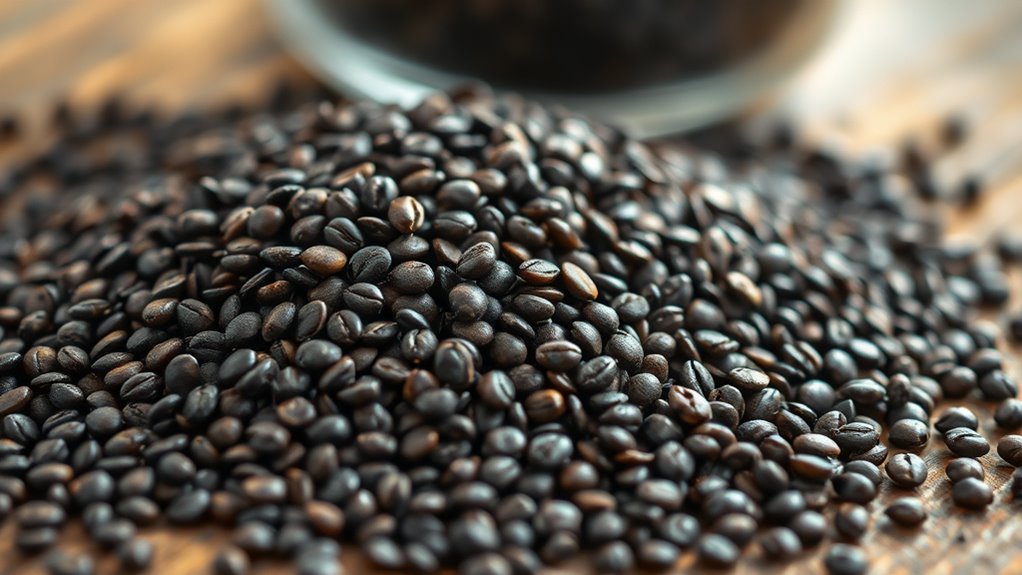
Different types of chia seeds, like black versus white, generally have similar fiber content. But small differences can happen because of how the seeds are processed.
Processing can impact seed integrity and nutrient retention, so you might see minor variations. Still, both black and white chia seeds are great sources of fiber, providing about 10-11 grams per ounce.
Instead of focusing on color, prioritize quality and freshness. That way, you’ll still get the fiber benefits you’re after.
How Does Cooking Chia Seeds Affect Their Fiber?
Cooking chia seeds is like opening a door to a different world. Your fiber’s journey changes when you cook them. Heat can break down some of the seed’s structure, which slightly reduces fiber absorption.
Methods like soaking or adding seeds directly to recipes help preserve more fiber. In contrast, boiling or frying can diminish the fiber content more.
Can Chia Seeds Cause Digestive Issues Due to High Fiber?
Yes, eating too many chia seeds can cause digestive issues because of their high fiber content.
If your fiber intake suddenly jumps, it might lead to bloating, gas, or constipation, especially if you’re not used to it.
To keep your digestion happy, start with small amounts of chia seeds and drink plenty of water.
Moderation is key to enjoying their benefits without any discomfort.
Are Organic Chia Seeds Higher in Fiber Than Non-Organic?
Think of organic chia seeds as a treasure chest. You get more of nature’s pure benefits.
Generally, organic chia seeds aren’t higher in fiber than non-organic varieties, but they often have better nutrient profiles because they contain fewer pesticides and chemicals.
As a prime fiber source, they support digestion and overall health.
Choosing organic benefits your well-being and supports sustainable farming, making your fiber source both clean and effective.
How Long Does It Take to See Fiber Benefits From Chia Seed Consumption?
You’ll usually notice fiber benefits from chia seed consumption within a few days to a week. As your body starts absorbing fiber, it helps improve digestion and keeps things moving regularly.
Chia seeds’ high fiber content helps bulk up your stool and support gut health. Just remember, consistent intake is key.
Over time, digesting chia seeds can boost your overall digestive wellness, leaving you feeling more energized and comfortable.
Conclusion
By adding just a tablespoon of chia seeds to your diet, you’re unleashing a fiber powerhouse capable of transforming your health overnight! It’s like giving your digestive system a superhero cape, fighting off constipation, boosting your energy, and making you feel unstoppable.
Don’t underestimate the power of this tiny seed; it’s your secret weapon for reaching fiber goals faster than you ever thought possible. So go ahead, sprinkle, blend, and conquer your health today with chia seeds’ impressive fiber content!