How Do Chia Seeds Make You Poop?
Are you tired of feeling bloated or struggling with irregular bowel movements? You’re not alone—many people face these common digestion issues and are searching for natural solutions.
Luckily, chia seeds can be a game-changer for your gut health.
Chia seeds make you poop by their high fiber content and water-absorbing ability. When you eat them, they swell in your gut, forming a gel-like substance that softens your stool and promotes smoother, easier bowel movements. This helps prevent constipation and encourages regularity.
Their prebiotic properties also nourish beneficial gut bacteria.
If you’re interested in how to maximize these benefits and use chia seeds safely, keep exploring how they support your digestion.
Key Takeaways
- Chia seeds are packed with soluble fiber that adds bulk to your stool and helps keep things regular.
- When soaked, they turn into a gel-like substance that softens stool and makes it easier to pass.
- This gel slows down digestion, so your body absorbs more water and your gut moves things along smoother.
- Eating chia seeds also helps your digestive system hold onto more water, which can prevent constipation.
- Plus, they act as prebiotics, feeding good gut bacteria and supporting healthy digestion and regularity.
How Chia Seeds Support Digestive Health
Chia seeds are a powerful addition to your diet because they can considerably support your digestive health. When you include chia seeds, they help maintain a healthy probiotic balance in your gut, which is essential for ideal digestion.
They act as a prebiotic, nourishing the beneficial bacteria in your gut microbiome and promoting a diverse, resilient microbial community. A strong gut microbiome improves nutrient absorption and reduces digestive discomfort.
The mucilaginous texture of soaked chia seeds can soothe your stomach lining, easing inflammation and irritation. As a result, your overall digestive function becomes more efficient.
The Role of Fiber in Chia Seeds and Bowel Movements
Chia seeds are really full of fiber, which is great for keeping your bowel movements regular. When you soak them in water, they soak up the liquid and get all plump and gel-like. This helps with digestion and makes your stool softer, so things move more smoothly. Adding chia seeds to your diet can actually give your digestive system a nice little boost!
High Fiber Content
The high fiber content in chia seeds is key to supporting healthy digestion and regular bowel movements. These seeds are packed with fiber sources that help add bulk to your stool, making it easier to pass.
Most of the fiber in chia seeds is soluble fiber, which interacts with your digestive enzymes. It slows down digestion and helps promote smoother bowel movements.
This process helps waste move more efficiently through your intestines. Since fiber is vital for gut health, eating chia seeds can prevent constipation and support overall digestion.
Adding chia seeds to your diet gives your body a natural, effective way to boost fiber intake. It helps keep your digestive system running smoothly.
Water Absorption Process
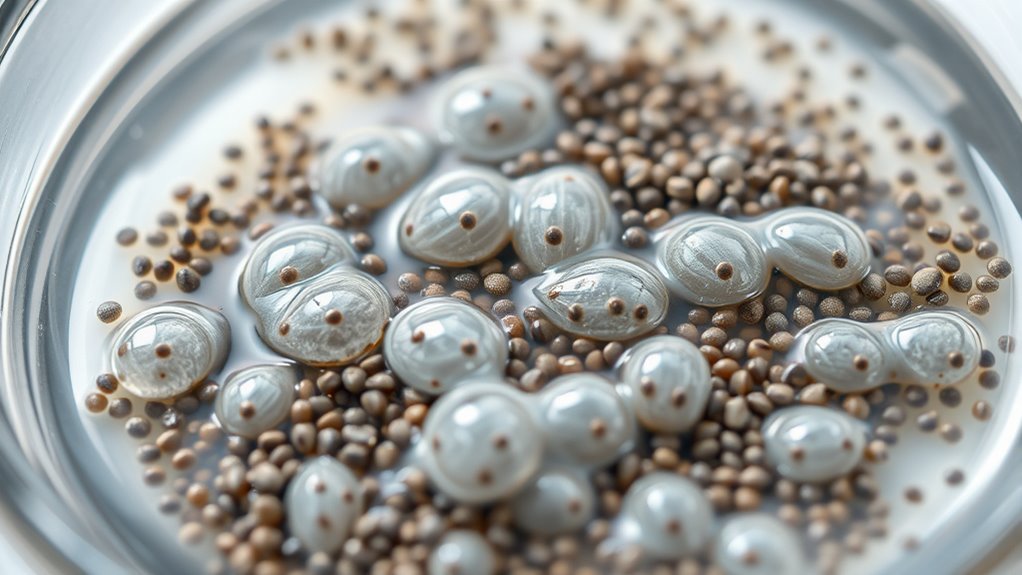
Because of their high soluble fiber content, chia seeds have an impressive ability to absorb water, which plays an essential role in digestion. When you soak or eat chia seeds, they form a gel-like substance that helps retain water in your digestive system.
This gel softens stool, making it easier to pass. The water absorption process also creates a viscous environment that slows digestion, giving your digestive enzymes more time to break down food effectively.
As a result, chia seeds support smoother bowel movements and help prevent constipation. By increasing water retention and working with digestive enzymes, they promote overall gut health.
That’s why adding chia seeds to your diet can help keep things regular and support healthy digestion.
Digestive Benefits
Since fiber plays an essential role in maintaining healthy digestion, the high soluble and insoluble fiber content in chia seeds offers notable benefits. These include improved bowel regularity and reduced constipation.
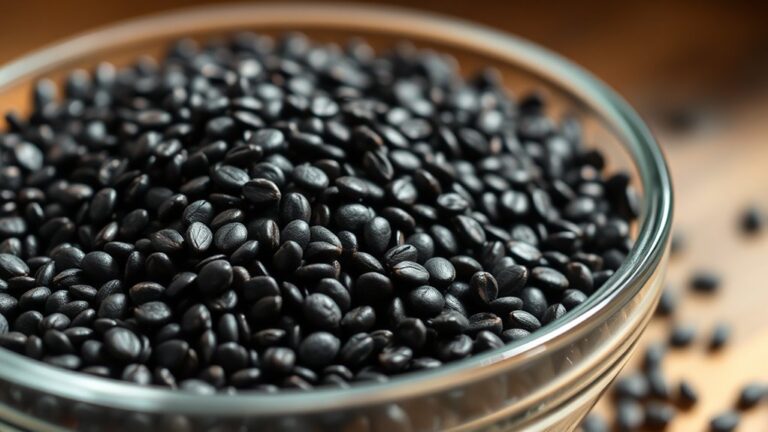
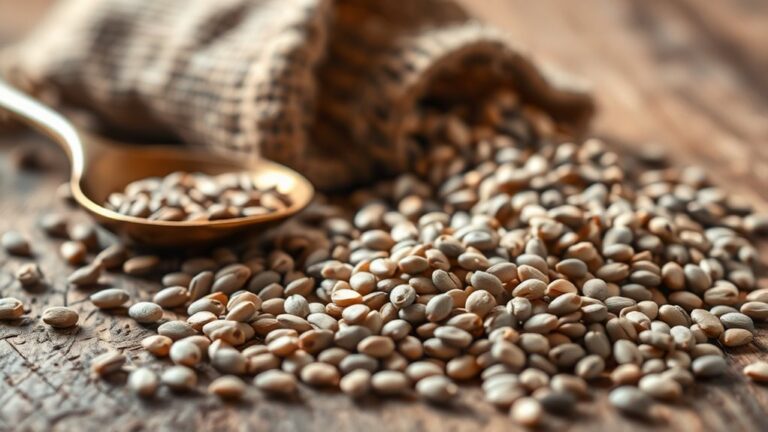
The fiber in chia seeds adds bulk to your stool and helps it move smoothly through your digestive system. Different chia seed varieties, like black and white, provide similar fiber levels, so your choice doesn’t impact fiber intake.
How Much Chia Seeds Should You Eat for Better Digestion
To support better digestion with chia seeds, it’s important to find the right amount to include in your diet. Portion control is key to maintaining digestive balance without overdoing it.
Experts recommend starting with about one to two tablespoons of chia seeds daily. This amount provides enough fiber to promote regularity without causing discomfort or bloating.
You can mix chia seeds into yogurt, smoothies, or oatmeal for easy consumption. Be mindful of your body’s response—if you notice any digestive issues, reduce your intake and gradually increase as your body adjusts.
Drinking plenty of water alongside chia seeds helps prevent any potential choking or constipation. Remember, consistent, moderate amounts are most effective for supporting digestion and overall health.
How Chia Seeds Absorb Water and Expand in Your Gut
Sure! Here’s the modified version with a more conversational tone:
When you eat chia seeds, they don’t just sit there—they actually absorb water pretty quickly and start to swell up. Basically, their outer layer is porous, so it traps moisture and turns into a gel-like substance. It’s pretty neat how they do that!
As they hydrate and expand, they take up more space in your gut. That can help with digestion and also makes you feel full, which is great if you’re trying to curb your appetite. So, those tiny seeds pack a pretty powerful punch!
Water Absorption Process
Chia seeds are unique because they can absorb water quickly, turning into a gel-like substance when they touch liquid. This helps with water retention and keeps your digestive system hydrated and working well.
As the seeds soak up water, they swell up and form a gel that slows down digestion. This gives your body more time to absorb important nutrients from your food.
This water absorption also softens stool and promotes regular bowel movements. When you eat chia seeds, they act like tiny sponges, increasing the volume of what’s in your gut and supporting healthy digestion.
Gel Formation Mechanism
As chia seeds come into contact with liquid, their outer shell, called the mucilaginous coating, quickly absorbs water and begins to swell. This creates a gel with unique properties that influence digestion.
The gel forms a viscous barrier, slowing down digestion and allowing nutrients and digestive enzymes to work more effectively. Its gel properties help regulate blood sugar levels and promote a feeling of fullness.
As the seed absorbs water, it expands, making it easier for your gut to process and move the seeds along. The gel also acts as a natural laxative by softening stool.
This process guarantees that the chia seed’s nutrients are released gradually, aiding digestion and supporting bowel regularity. The gel forms a thick, mucilaginous layer, which helps improve digestion and promotes satiety.
Gut Expansion Effects
Once chia seeds come into contact with liquid in your digestive system, they quickly absorb water through their mucilaginous coating, causing them to expand a lot.
This expansion helps improve your gut health by adding bulk to your stool and encouraging regularity.
As the seeds swell, they form a gel-like substance that lubricates your digestive tract, making it easier for waste to pass through.
This process also boosts the activity of digestive enzymes, helping break down food more efficiently.
The increased volume from the expanded seeds can stimulate peristalsis, the muscle contractions that move food along your gut.
Benefits of Soaking or Grinding Chia Seeds
Soaking or grinding chia seeds can really boost how well your body can digest and absorb their nutrients. When you soak chia seeds, they soften up, making their nutrients easier for your body to access. Grinding breaks down the seed’s outer shell, which means easier digestion and better nutrient uptake.
This process helps your body get more omega-3 fatty acids, fiber, and antioxidants from chia seeds. Plus, soaking or grinding can reduce the chance of choking or stomach discomfort.
It also makes chia seeds simpler to blend into smoothies or recipes. And by releasing more soluble fiber, it can help boost hydration. Overall, soaking or grinding makes chia seeds more effective and beneficial for your diet.
Signs That Chia Seeds Are Improving Your Digestion
When chia seeds start to improve your digestion, you’ll notice some clear signs. Increased regularity is one of the main indicators, meaning your bowel movements become more consistent.
You might also see softer stools, which show better gut function and that chia is helping promote healthy digestion.
Plus, fewer episodes of bloating and discomfort suggest your digestive system is adjusting well.
| Digestive Sign | What It Means |
|---|---|
| Regular bowel movements | Improved gut motility |
| Softer stools | Better absorption and fiber effectiveness |
| Reduced bloating | Less gas and better digestion |
| Less discomfort | Overall gut health improvement |
These signs show your body is responding positively to chia seeds and that they’re benefiting your digestion.
What Happens If You Eat Too Many Chia Seeds?
Eating too many chia seeds can cause some uncomfortable digestive issues because their high fiber content can be hard on your gut if you eat too much. When you overdo it, your digestive system has a tough time processing all that fiber, which can lead to problems.
You might notice symptoms like bloating, gas, and stomach cramps that make you feel uncomfortable. Some people may also experience constipation or diarrhea depending on how their body reacts.
Here are some effects of eating too many chia seeds:
- Increased bloating and gas
- Stomach cramps or discomfort
- Constipation or diarrhea
- Nausea or feeling overly full
- Potential dehydration because fiber absorbs water
To avoid these issues, try to keep your chia seed intake moderate and pay attention to how your body feels. Remember, balance is key when adding high-fiber foods to your diet.
Tips for Safely Adding Chia Seeds to Your Diet
To enjoy the health benefits of chia seeds without upsetting your digestion, it’s important to introduce them gradually into your diet and follow some simple safety tips. Start by adding small amounts to your favorite chia seed recipes, like smoothies or yogurt, and increase your daily intake slowly.
Drinking plenty of water is essential because chia seeds absorb liquid and expand in your stomach, which can cause discomfort if you don’t stay hydrated. Aim for a maximum of 1 to 2 tablespoons per day to avoid overdoing it.
If you’re new to chia seeds, soak them before eating to make digestion easier. Listen to your body, and if you notice any bloating or discomfort, reduce your intake.
Consistency is key, so incorporate chia seeds into your routine gradually to enjoy their benefits safely and comfortably.
Chia Seeds vs. Other Natural Digestive Aids
When you compare chia seeds to other natural digestive aids, one thing that really stands out is their high fiber content. This fiber helps keep things moving smoothly in your digestive system, promoting regularity.
Plus, chia seeds are super easy to add to your diet. You can throw them into smoothies, mix them into yogurt, or even toss them into baked goods. Because they’re so simple to incorporate, they’re a convenient option whether you want to support your digestion alongside other remedies or choose them as your go-to.
Fiber Content Comparison
Chia seeds are known for their high fiber content, making them a great natural aid for digestion. They pack a good amount of soluble and insoluble fiber, which helps improve digestion.
You’ll find about 10 grams of fiber per ounce in chia seeds, which is more than many other natural options. Flaxseeds offer similar omega-3s but contain less fiber.
Psyllium husk provides concentrated soluble fiber for quick relief, while oats are rich in beta-glucan, supporting gut health. Fruits like apples offer natural soluble fiber, and vegetables such as broccoli contribute to your overall fiber intake.
Ease of Use
Compared to other natural digestive aids, chia seeds are really easy to add to your daily routine.
You don’t need special prep—just toss them into smoothies, yogurt, or oatmeal. Their neutral flavor mixes well with many dishes, so it’s simple to boost your intake without any hassle.
Unlike herbal teas or supplements that might need specific timing or prep, chia seeds require minimal effort. You can prepare them ahead of time or just sprinkle them directly onto your meals.
Their versatility makes it more likely you’ll stick with your routine. Plus, they don’t have strong tastes or odors, so they’re easy to tolerate.
When to Talk to Your Healthcare Provider About Digestive Changes
Noticing persistent or severe digestive changes after adding chia seeds to your diet can be a sign that it’s time to talk to a healthcare professional. If your digestive symptoms stick around or get worse, don’t hesitate to seek medical advice.
Persistent issues could mean there’s an underlying condition or that you need to adjust how much chia you’re eating. Consider reaching out to your healthcare provider if you notice:
Persistent digestive issues may indicate underlying problems or the need to modify your chia intake—consult a healthcare professional.
- Severe abdominal pain or cramping
- Constipation or diarrhea lasting more than a few days
- Blood in your stool or black, tarry stools
- Sudden weight loss or loss of appetite
- Symptoms that interfere with your daily life
These warning signs shouldn’t be ignored. Addressing digestive problems early can help prevent complications and ensure you’re safely adding chia seeds to your diet. Your healthcare provider can assess your symptoms and suggest the right dietary adjustments or treatments.
Frequently Asked Questions
Can Chia Seeds Cause Constipation or Digestive Discomfort?
Chia seeds can cause constipation or digestive discomfort if you overeat or don’t drink enough water. They’re high in fiber, which helps with digestion, but sometimes, especially if you have chronic constipation, they might cause bloating or discomfort.
Chia seeds also contain digestive enzymes that help with digestion, but improper hydration can lead to blockage or strain. To avoid issues, it’s best to consume them in moderation and stay well-hydrated.
Are There Any Allergy Risks Associated With Chia Seed Consumption?
Chia seed allergies are rare but possible, like finding a hidden thorn in a rose. You might experience allergic reactions such as itching, swelling, or difficulty breathing if you’re sensitive.
It’s wise to start with a small amount and watch for symptoms. If you notice any adverse effects, stop consuming and consult a healthcare professional.
Being mindful helps you enjoy chia seeds safely without risking uncomfortable allergic reactions.
How Do Chia Seeds Compare to Fiber Supplements?
Chia seeds are a natural fiber source that offers digestive benefits similar to fiber supplements. When you eat chia seeds, they absorb water and swell, helping your digestion and keeping you regular.
Compared to fiber supplements, chia seeds also provide extra nutrients like omega-3s and antioxidants. They’re a versatile, whole-food option that supports gut health and boosts your fiber intake naturally.
Can Children Safely Consume Chia Seeds for Digestion?
Yes, children can safely consume chia seeds in moderation, offering valuable nutritional benefits like omega-3s, fiber, and protein. To keep it safe, start with small servings—about one teaspoon—so they can enjoy the digestive benefits without discomfort.
You can add chia seeds to smoothies, yogurt, or oatmeal as tasty options. Just make sure to encourage kids to drink plenty of water when eating chia seeds to help digestion and prevent choking.
Do Chia Seeds Affect Gut Bacteria or Microbiome Health?
Think of your gut as a busy city, where many different bacteria work together to keep things running smoothly. Chia seeds are like good neighbors, helping to nourish and support these gut bacteria.
They contain prebiotic fibers that feed helpful microbes, which can boost microbiome diversity. By doing this, chia seeds promote a healthier, more balanced gut environment.
Having a thriving microbiome can improve digestion, strengthen immunity, and support overall health. So, chia seeds play a helpful role in maintaining gut and microbiome health.
Conclusion
Incorporating chia seeds into your diet can boost your digestion because they’re packed with fiber—about 5 grams per tablespoon.
Just remember, eating too many at once might cause some discomfort, so it’s best to start small.
Interestingly, studies show that chia seeds can absorb up to 10-12 times their weight in water, which helps promote healthy bowel movements.
By gradually adding them to your meals and staying hydrated, you’ll support your gut health safely and effectively.
In summary, chia seeds make you poop by increasing fiber intake and absorbing water, aiding regularity and digestion.