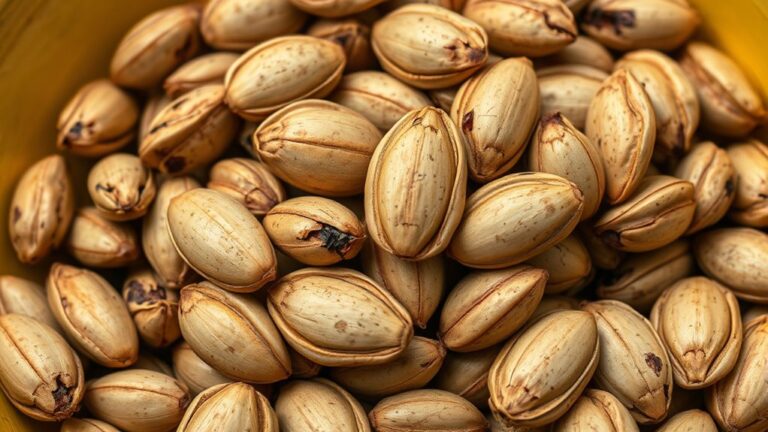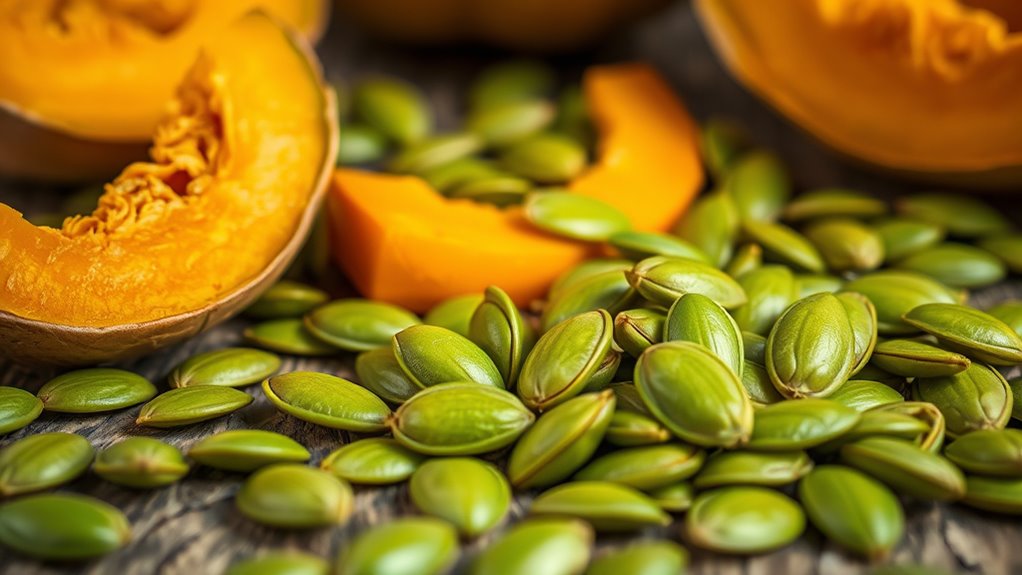
What Do You Gain From Eating Whole Pumpkin Seeds?
Are you looking for a simple way to boost your health without overhauling your entire diet? Many people struggle to find nutritious snacks that truly support their wellness goals.
Eating whole pumpkin seeds gives you a nutrient-packed boost, providing essential minerals like magnesium, zinc, and iron that support your energy, immune system, and blood health.
They contain healthy fats that promote heart health, reduce inflammation, and help you feel full longer, aiding weight management.
Plus, their high fiber and antioxidants improve digestion and fight oxidative stress.
Keep exploring to uncover more about how these tiny seeds can elevate your overall wellness.
Key Takeaways
- Rich in essential minerals like magnesium, zinc, and iron that support your metabolism and immune health.
- Promote heart health by providing healthy fats that improve blood flow and lower bad cholesterol.
- Boost your immune function and antioxidant levels, helping you fight oxidative stress and infections.
- Enhance sleep quality and relaxation because of their high magnesium content.
- Support digestive health with fiber and digestive enzymes that improve gut function.
What Nutrients Are in Pumpkin Seeds and How Do They Help You?
Pumpkin seeds are packed with essential nutrients that can boost your health in many ways. These tiny powerhouses contain benefits like magnesium, zinc, iron, and healthy fats, all supporting your overall well-being.
Magnesium helps with muscle function and energy production, while zinc strengthens your immune system. Iron is key for healthy blood, and healthy fats promote brain health.
Magnesium supports muscles and energy, zinc boosts immunity, iron keeps blood healthy, and healthy fats enhance brain function.
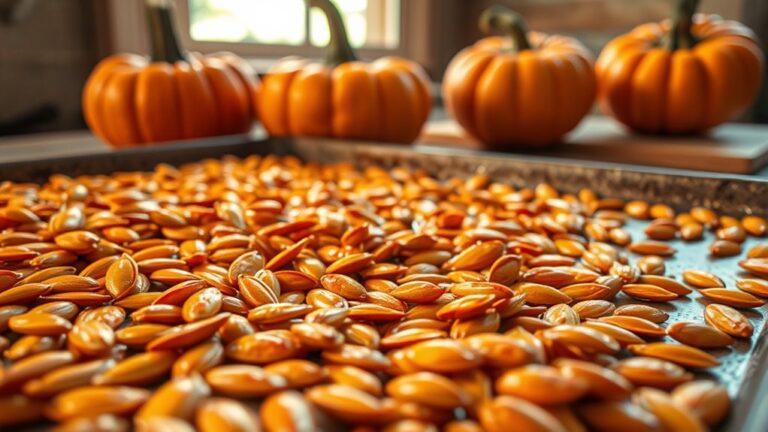
You can enjoy pumpkin seeds in many ways—sprinkled on salads, added to yogurt, or roasted as a snack. Roasting enhances flavor, but don’t overdo it to keep the nutrients intact.
Raw pumpkin seeds also keep their full nutrient profile if you prefer a less processed option. Incorporating these seeds into your diet is easy and versatile.
Whether you eat them alone or add them to dishes, their nutrients can help improve your skin, boost your energy, and support your immune health.
How Do Pumpkin Seeds Support Heart Health?
Because they are rich in healthy fats, fiber, and antioxidants, pumpkin seeds can play a significant role in supporting heart health. The heart-friendly fats in pumpkin seeds, especially monounsaturated and polyunsaturated fats, help lower bad cholesterol levels, reducing the risk of heart disease. These fats promote better blood flow and overall cardiovascular function.
Furthermore, magnesium benefits from pumpkin seeds are essential for maintaining a healthy heart. Magnesium helps regulate blood pressure, prevent arterial stiffness, and support proper muscle function, including the heart muscle itself. Consuming pumpkin seeds regularly can contribute to a balanced intake of this important mineral, which many people lack.
Together, the healthy fats and magnesium support work synergistically to protect your heart, improve circulation, and reduce the risk of cardiovascular issues. Incorporating pumpkin seeds into your diet is a simple and tasty way to boost your heart health naturally.
Can Eating Pumpkin Seeds Boost Your Immune System?
The nutrients in pumpkin seeds that support your heart health also help boost your immune system. They’re packed with zinc, magnesium, and antioxidants that can help your body fight off illnesses more effectively.
Zinc is especially important because it helps immune cells work better and respond quickly to infections. Eating pumpkin seeds can also help your body absorb nutrients better, so you get the most out of your diet.
When your immune system is working well, it can spot and eliminate germs faster, which means shorter and milder illnesses. The antioxidants in pumpkin seeds fight oxidative stress, which can weaken your defenses over time.
Including pumpkin seeds in your diet not only supports your heart but also strengthens your body’s natural defenses. Regularly eating them can make your immune system more resilient, helping you stay healthier all year round.
Do Pumpkin Seeds Help Improve Your Sleep Quality?
Have you ever wondered if eating pumpkin seeds can help you sleep better? The answer might be yes, thanks to their potential for sleep improvement. Pumpkin seeds are rich in magnesium, a mineral known to promote relaxation and improve sleep quality.
Magnesium helps regulate neurotransmitters that calm your nervous system, making it easier to fall asleep and stay asleep through the night. Including pumpkin seeds in your diet can be a simple way to boost your magnesium intake naturally.
Consuming a handful before bed may help you unwind and achieve deeper, more restful sleep. Keep in mind, while pumpkin seeds aren’t a miracle cure, their magnesium content makes them a beneficial addition to a sleep-supportive diet.
How Do Pumpkin Seeds Reduce Inflammation in Your Body?
Inflammation is a natural way your body fights off injury or infection, but when it becomes chronic, it can cause health issues. Pumpkin seeds have powerful anti-inflammatory properties that help reduce this ongoing inflammation.
They’re packed with omega-3 fatty acids, which are known to fight inflammation in the body. Including pumpkin seeds in your diet helps these healthy fats regulate your immune response and lower the production of inflammatory compounds.
This can help ease symptoms like joint pain or fatigue linked to chronic inflammation. Plus, pumpkin seeds are rich in antioxidants that neutralize free radicals, supporting your body’s ability to fight inflammation.
Are Pumpkin Seeds Good for Bone Strength and Density?
Since bones need essential nutrients to stay strong and dense, including pumpkin seeds in your diet can be really helpful. They’re packed with minerals like magnesium, zinc, and phosphorus, which are key for maintaining bone health and balancing minerals in your body.
These nutrients help your body absorb calcium better, which strengthens your bones and can lower the risk of osteoporosis. Pumpkin seeds are a natural, easy way to boost your nutrient intake without needing supplements.
The magnesium in pumpkin seeds is important for bone formation and density. Zinc helps produce collagen, which is vital for bone structure. Eating pumpkin seeds regularly can support your overall skeletal health.
Magnesium supports bone density, while zinc boosts collagen production for stronger, healthier bones.
Adding these seeds to your diet is a simple, effective step toward keeping your bones strong and healthy. When combined with other nutrient-rich foods, they can really make a difference in maintaining good bone density.
Can Pumpkin Seeds Aid in Weight Management?
Ever wonder if pumpkin seeds can help with weight management? Well, they actually can! Eating pumpkin seeds can help you feel full longer, which means you might end up eating less throughout the day. That’s a pretty handy trick when you’re trying to watch your weight.
Plus, they support your metabolic health, which is super important for maintaining a healthy weight. And because pumpkin seeds are packed with essential vitamins and minerals, you get all those nutrients without adding a bunch of extra calories. It’s like getting a nutritious snack that can help you stay on track!
Promotes Feelings of Fullness
Eating pumpkin seeds can help you feel full longer, making them a smart snack choice for weight management. Their high protein and healthy fats promote satiety, reducing the urge to snack excessively.
When you’re looking for snack alternatives, pumpkin seeds offer a nutritious option that supports portion control. A small handful provides enough nutrients to curb hunger without overdoing it.
Because they are dense and satisfying, you’re less likely to reach for unhealthy snacks later. Incorporating pumpkin seeds into your diet can help you maintain steady energy levels and prevent overeating.
Enjoying them mindfully is key to maximizing their fullness-promoting benefits. Remember, moderation is important, so savor your pumpkin seeds as part of a balanced diet.
Supports Metabolic Health
Because pumpkin seeds are packed with nutrients like magnesium, zinc, and healthy fats, they can support your body’s metabolic processes. These nutrients help regulate blood sugar levels and support enzyme functions that are essential for energy production.
Including pumpkin seeds in your diet can help you maintain energy balance, which is key for managing your weight. Magnesium helps turn food into energy, while zinc supports hormone production that influences your metabolism.
Healthy fats provide a steady energy source and help keep blood sugar stable. This reduces cravings and can prevent overeating. Adding pumpkin seeds to your routine can boost your metabolic health and make it easier to stay at a healthy weight and feel your best.
Provides Nutrient Density
The nutrient density of pumpkin seeds makes them an excellent addition to your diet if you’re aiming to manage your weight. They pack a variety of essential nutrients that support overall health and help improve nutrient absorption.
Their healthy fats provide sustained energy and promote satiety, reducing the likelihood of overeating. Including pumpkin seeds in your meals can also boost your intake of essential minerals like magnesium, zinc, and iron, which are important for metabolic processes.
- Rich in healthy fats that aid in satiety and energy balance
- High nutrient density supports effective nutrient absorption
- Contains essential minerals that boost metabolic health
What Antioxidants Are Found in Pumpkin Seeds and Why Do They Matter?
Pumpkin seeds are packed with powerful antioxidants that help protect your body from oxidative stress. These antioxidants fight free radicals, which can damage cells and harm your overall health.
They contain a mix of antioxidants like vitamin E, carotenoids, and phenolic compounds. The antioxidant levels can vary depending on the seed variety, but all of them support your immune system and skin health.
| Seed Variety | Key Antioxidants |
|---|---|
| Raw Pumpkin Seeds | Vitamin E, phenolics |
| Roasted Pumpkin Seeds | Carotenoids, flavonoids |
| Sprouted Seeds | Increased nutrient levels |
| Organic Seeds | Fewer pesticides, more antioxidants |
Knowing which types pack the most antioxidants can help you make smarter choices. Eating a variety of pumpkin seeds ensures you get a wide range of these beneficial compounds, boosting your body’s defenses.
How Do Pumpkin Seeds Promote Digestive Health?
If you want to support your digestive health, incorporating pumpkin seeds into your diet is a smart move. They contain valuable fiber that helps keep your bowel movements regular and prevents constipation. The fiber adds bulk to your stool, making digestion smoother and gut health better.
Pumpkin seeds are also packed with digestive enzymes that help break down food more efficiently. This reduces bloating and discomfort, making your digestion easier overall. These enzymes support nutrient absorption too, helping your body get the most from your food.
To get the most benefits, try adding pumpkin seeds to your snacks or meals regularly. They work together to keep your digestive system running smoothly. Remember, a diet rich in fiber and enzymes can really improve your gut health.
Including pumpkin seeds is an easy way to boost these components naturally. As a result, you may feel lighter and more comfortable throughout the day.
What Are Easy Ways to Add Pumpkin Seeds to Your Diet?
Looking for easy ways to add pumpkin seeds to your diet? Well, one simple trick is to sprinkle them over your salads. They give your salad a nice crunch and a boost of nutrition at the same time.
You can also toss a handful into your smoothies. It’s a quick way to enhance the flavor and get those health benefits without much extra effort.
Honestly, these little tricks make it super easy to enjoy pumpkin seeds every day.
Sprinkle on Salads
Adding pumpkin seeds to your salads is one of the easiest ways to boost their nutritional value and add a satisfying crunch. They work perfectly as salad toppings, giving your dish a delightful texture and a subtle nutty flavor.
Pumpkin seeds also serve as a natural flavor booster, enriching the overall taste without overpowering other ingredients. Just sprinkle a handful over your greens, vegetables, or grain bowls for an instant upgrade.
You can also mix them into homemade dressings or use them as a garnish for roasted vegetables. Their versatility makes them an ideal addition to any salad.
They provide extra protein, healthy fats, and minerals with every bite. Incorporating pumpkin seeds as a topping is a quick and simple way to make your meals more nourishing and flavorful.
Blend Into Smoothies
Incorporating pumpkin seeds into smoothies is an easy way to boost their nutritional value without changing the flavor too much. Just blend a handful of seeds into your favorite recipes for extra crunch and health benefits.
Pumpkin seeds add healthy fats, magnesium, and zinc, which improve both nutrition and texture. To make it even easier, try mixing the seeds with fruits like bananas or berries for a subtle flavor boost.
You can also toast the seeds beforehand for a nuttier taste. Here’s a quick guide:
| Ingredient | Purpose | Tips |
|---|---|---|
| Pumpkin seeds | Protein, healthy fats | Use raw or roasted |
| Banana | Creamy texture, sweetness | Freeze for thickness |
| Berries | Flavor, antioxidants | Fresh or frozen |
| Yogurt or milk | Base liquid | Dairy or plant-based |
| Honey or maple syrup | Natural sweetness | Adjust to taste |
Frequently Asked Questions
Are There Any Potential Allergies Associated With Eating Pumpkin Seeds?
Yes, you can experience pumpkin seed allergies, though they’re rare. If you’re allergic, you might notice symptoms like itching, swelling, or difficulty breathing.
Always check for allergy symptoms after eating pumpkin seeds, especially if it’s your first time. If you suspect an allergy, avoid eating them and talk to a healthcare professional for proper testing and advice.
Being cautious helps prevent potential allergic reactions.
How Many Pumpkin Seeds Should I Eat Daily for Optimal Benefits?
Wondering how many pumpkin seeds you should eat daily? For ideal benefits, aim for a serving size of about a handful, roughly 1 ounce or 28 grams.
This amount gives you a healthy dose of nutrients without going overboard. Your daily intake can vary based on your overall diet and health goals, but sticking to this serving size supports digestion, heart health, and boosts your energy levels.
Can Pumpkin Seeds Help Manage Blood Sugar Levels?
Yes, pumpkin seeds can help manage blood sugar levels. They support blood sugar regulation by providing magnesium, which boosts insulin sensitivity.
Eating pumpkin seeds regularly might help keep your blood sugar stable, reducing spikes and crashes. Their high fiber content also helps with healthy digestion.
Try adding a handful of whole pumpkin seeds to your daily diet. This simple step could improve your insulin response and help you maintain better blood sugar control naturally.
Do Roasted Pumpkin Seeds Retain Their Nutritional Value?
Roasted pumpkin seeds do retain much of their nutritional value, especially if you follow a gentle roasting process. The key is to avoid high temperatures and prolonged roasting, which can degrade nutrients like healthy fats, magnesium, and zinc.
Are Organic Pumpkin Seeds More Beneficial Than Non-Organic Ones?
Yes, organic pumpkin seeds offer more benefits because they’re free from pesticides and chemicals, making them a healthier choice. You’ll likely get a better nutritional comparison, with higher levels of antioxidants, vitamins, and minerals.
Choosing organic seeds supports sustainable farming and reduces your exposure to harmful substances. Overall, organic pumpkin seeds provide a more nutritious, cleaner snack, helping you maximize health benefits while enjoying their delicious crunch.
Conclusion
By embracing pumpkin seeds, you’re gently opening the door to a wealth of health benefits. From supporting your heart and immune system to helping you unwind and stay balanced, these little seeds can be a quiet yet powerful ally.
Incorporate them effortlessly into your daily routine and enjoy the subtle, nourishing boost they offer. Sometimes, the smallest changes can lead to the most delightful transformations.
Consider pumpkin seeds your new secret to feeling your best and reaping their many health benefits.