Is It Legal to Grow Industrial Hemp? Understanding the Laws and Regulations
Growing industrial hemp is legal in many countries, but strict regulations govern its cultivation. In the United States, for example, the 2018 Farm Bill legalized hemp production nationwide, provided the crop contains less than 0.3% THC. However, farmers must comply with state-level rules and obtain necessary licenses.
The legal landscape around industrial hemp matters because the crop is distinct from marijuana, despite both belonging to the cannabis family. Hemp is valued for fiber, seeds, and CBD products and offers economic opportunities for agriculture. Yet, adherence to regulatory limits is necessary to avoid penalties and crop destruction.
This article explains the laws shaping industrial hemp cultivation, the licensing process, THC restrictions, state and international variations, and practical tips for growers. If you’re considering hemp farming, knowing these essentials will keep your operations lawful and productive.
Understanding Industrial Hemp Legal Definitions
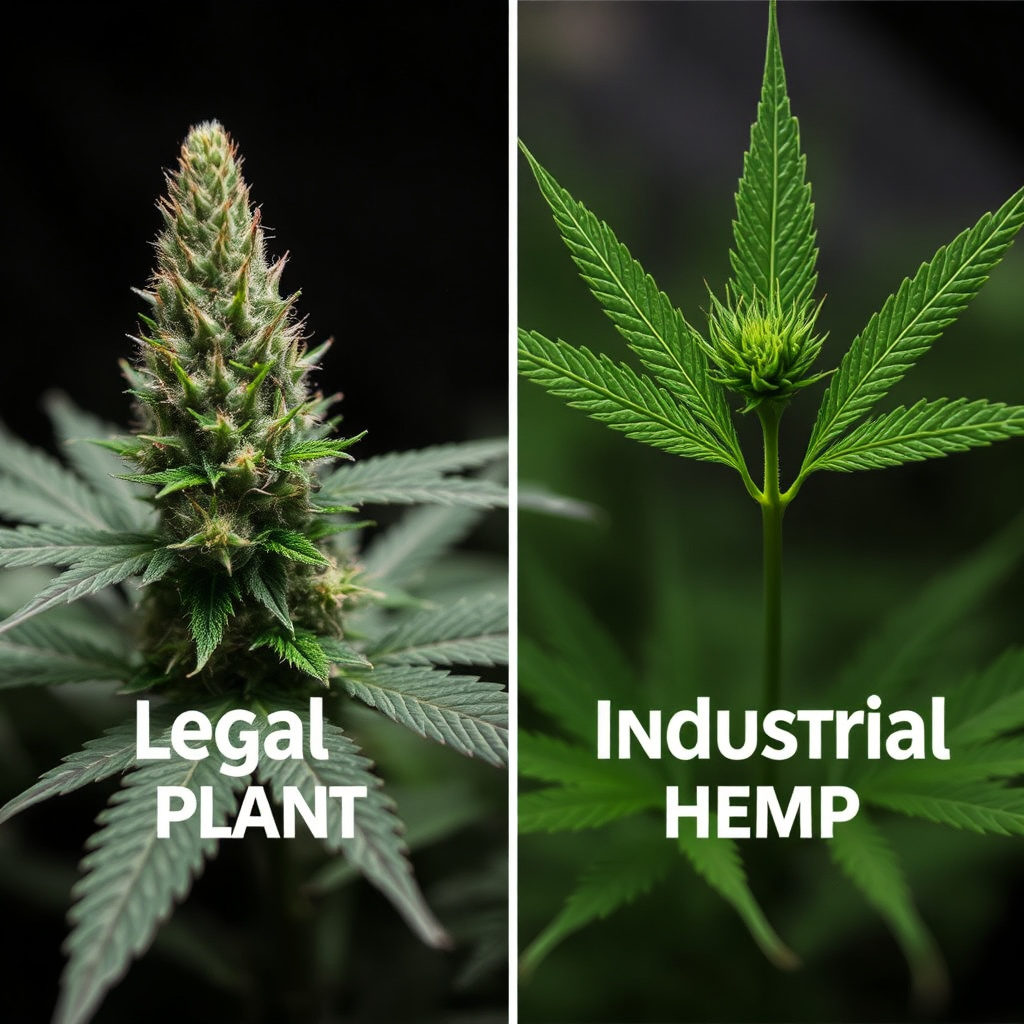
What Qualifies as Industrial Hemp?
Industrial hemp is defined primarily by its THC content. The federal standard in the U.S. limits THC concentration in hemp plants to 0.3% on a dry weight basis. Plants exceeding this threshold are classified as marijuana and prohibited unless licensed for marijuana cultivation.
This legal distinction is crucial because hemp and marijuana look similar but serve very different purposes. Hemp cultivators must test crops regularly to ensure compliance with these THC limits, or risk legal and financial consequences.
Differences Between Hemp and Marijuana Laws
Marijuana laws generally criminalize growing plants with high THC levels, used for recreational or medicinal consumption. Conversely, hemp laws promote agricultural production of cannabis low in THC for industrial uses such as textiles, food, and CBD.
The hemp legalization movement often depends on annual crop testing, licensing requirements, and reporting. Law enforcement oversight varies by state and country, but growers must always distinguish hemp cultivation from prohibited marijuana to operate legally.
License and Registration Requirements for Growing Industrial Hemp
Federal and State Licensing Processes
In the U.S., hemp growers must register with the state department of agriculture or a federal program if their state lacks one. The application involves providing personal information, crop plans, and agreeing to testing and inspection requirements.
Some states impose additional requirements such as background checks, training, or specific planting conditions. Licenses typically last for one year and must be renewed annually, with fees varying by jurisdiction.
- Federal USDA hemp program registration
- State agricultural department licensing
- Annual renewal and fee payment
Other Documentation and Compliance Measures
Growers may also need to submit GPS coordinates for fields, participate in random crop testing, and keep detailed records of seed sources and acreage. Compliance helps prevent unintentional cultivation of non-compliant plants and supports traceability.
Failure to adhere to these documentation and testing standards can result in crop destruction orders or legal penalties, so strict recordkeeping is a core part of legal hemp farming.
THC Limits and Crop Testing for Industrial Hemp

Importance of THC Testing
Detecting THC content is the linchpin that differentiates industrial hemp from marijuana. Reliable testing ensures crops stay within the legal THC limit, protecting growers from forfeiture or criminal charges.
Testing usually occurs at flowering before or at harvest. Innovative testing methods include gas or liquid chromatography to measure THC concentration accurately, which must be conducted by state-approved labs.
For more on this, see our related guide: Are Cannabis Seeds Legal in the USA? Understanding the Legal Landscape.
Handling Non-Compliant Crops
If crop tests exceed the THC threshold, growers are typically required to destroy the entire crop by a specified deadline. Some jurisdictions allow for retesting, but the initial failure often leads to financial loss and regulatory reporting.
Proactive planting of compliant seed varieties and consistent monitoring reduce the risk of non-compliance. Additionally, some farmers stagger planting dates or select strains with genetics that minimize THC accumulation.
- Crop destruction mandates
- Possibility of retesting
- Genetics selection for THC control
State and International Variations in Industrial Hemp Legalities
United States State Differences
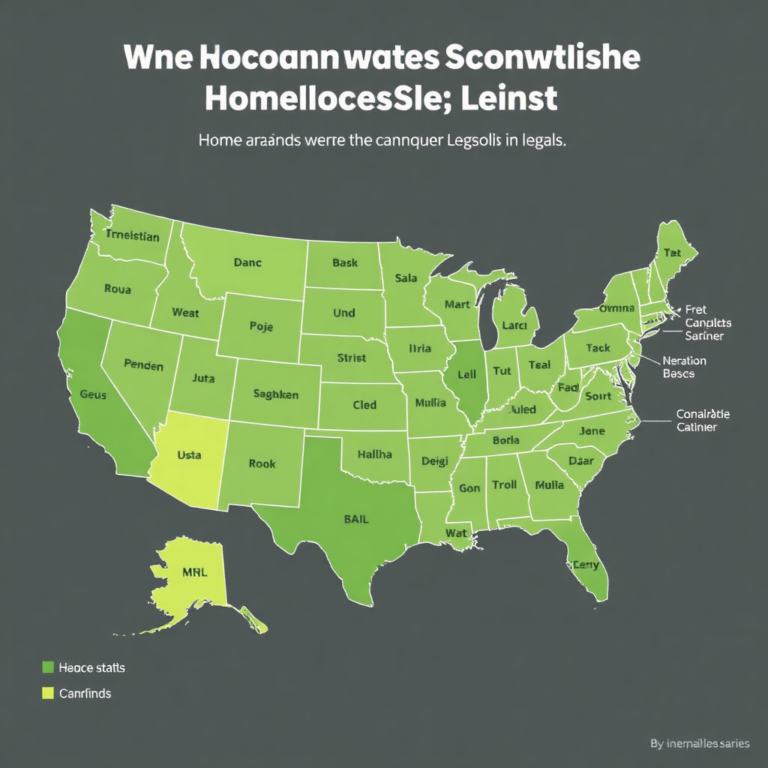
Although the 2018 Farm Bill legalized hemp nationwide, states have varying regulatory frameworks. Some states welcome hemp farming with minimal restrictions, while others impose additional constraints like tighter THC limits or bans on certain uses.
Growers should research local agricultural agencies to confirm the latest rules, as state policies evolve frequently in response to market and political dynamics.
- Varied licensing fees
- Different permissible THC thresholds
- Restrictions on CBD extraction
Global Legal Status of Industrial Hemp
Countries like Canada, China, and many European nations also permit hemp cultivation but under distinct regulatory schemes. For instance, the European Union sets the THC limit generally at 0.2%, slightly lower than in the U.S.
Navigating international hemp laws requires understanding import/export requirements, permissible uses, and national agricultural policies, especially for businesses seeking global markets.
Practical Considerations for Legal Hemp Farming
Seed Selection and Procurement
Legal hemp farming starts with purchasing certified seeds from approved suppliers. These seeds guarantee compliance with THC limits and are often registered varieties tailored for fiber, grain, or cannabinoid production.
Unauthorized or uncertified seeds risk non-compliant harvests and jeopardize legal protections. Documentation and traceability of seed origin are requisites for licensing agencies.
- Certified compliant seeds
- Seed registration importance
- Avoiding uncertified sources
For more on this, see our related guide: What Are Hemp Seeds?.
Recordkeeping and Reporting Duties
Maintaining logs of planting dates, seed sources, field locations, and inspection results is necessary for audits and state reports. This transparency builds trust with regulators and supports legal standing in disputes.
Digital tools and apps facilitate accurate recordkeeping, helping farmers track compliance timelines and testing schedules effectively.
Potential Legal Risks and How to Avoid Them
Penalties for Non-Compliance
Violating hemp laws can lead to penalties ranging from fines and license revocation to criminal charges if plants exceed THC limits or are grown without permission. Such consequences pose serious financial and reputational risks.
Understanding and following legal requirements minimizes the risk of enforcement actions. Many states provide guidance documents and support programs for hemp farmers to stay compliant.
For further reading on the legal aspects and history of industrial hemp, consult the detailed overview at Wikipedia. Industrial hemp legal status.
Best Practices to Stay Within Legal Boundaries
Engaging with local agricultural authorities, timely renewing licenses, and proactive crop testing form a solid compliance strategy. Additionally, joining farmer cooperatives or industry associations can offer valuable education and advocacy.
Continual education about changing regulations and documenting all farming activities create a defensible position if regulatory questions arise.
- Regular communication with authorities
- Continuous education on regulations
- Joining industry networks
Industrial Hemp Growing License Types Comparison
This table summarizes different license types and regulatory requirements for growing industrial hemp.
| License Type | Typical Application Fee | THC Limit | Duration | Testing Requirements |
|---|---|---|---|---|
| State Agricultural License | $100-$500 | 0.3% THC | 1 year | Mandatory pre-harvest test |
| USDA Federal Hemp Program Registration | Free | 0.3% THC | 1 year | Random crop testing |
| Research/University License | $0-$200 | Varies | Project duration | Strict scientific protocols |
| Industrial Processing Permits | $200-$1000 | N/A | 1-3 years | Facility inspections |
Frequently Asked Questions
Can I grow industrial hemp without a license?
In most jurisdictions where hemp cultivation is legal, a license or registration is required to grow industrial hemp. Growing without the proper permissions can result in crop destruction and legal penalties.
What happens if my hemp crop tests above the THC limit?
If your crop exceeds the THC threshold, authorities typically require you to destroy the affected plants. Some states may allow retesting, but often the crop cannot be sold or used.
Are hemp seeds legal to buy and sell?
Certified hemp seeds that meet legal standards can be legally bought and sold. Non-certified seed transactions may be restricted and risk producing non-compliant crops.
Does hemp cultivation affect marijuana laws?
Hemp cultivation laws are separate from marijuana regulations. Hemp is defined by low THC levels, so compliance with hemp laws does not grant permission to grow marijuana.
Do all countries have the same hemp THC limits?
No, THC limits vary internationally. For instance, the EU often enforces a 0.2% THC limit, while the U.S. standard is 0.3%. Checking local laws is essential for compliance.
Key Takeaways
- Industrial hemp legality depends on strict THC limits and licensing.
- Mandatory testing and recordkeeping ensure regulatory compliance.
- State and international laws on hemp cultivation vary significantly.
- Selecting certified seeds and understanding local rules protect growers.
Conclusion
Knowing whether it's legal to grow industrial hemp starts with understanding the specific regulations in your area. The crop's compliance hinges on strict limits for THC content and formal licensing procedures. Before planting, prospective growers should thoroughly research federal, state, or national laws to avoid inadvertently violating cannabis regulations. Cannabis’ complex legal status means that hemp growers bear responsibility for crop testing, detailed recordkeeping, and adherence to inspection schedules to keep their operations lawful.
For many farmers, the choice between different licensing types depends on their goals—whether commercial fiber production, CBD extraction, or research projects. State agricultural licenses often present the most straightforward path but require diligent compliance with annual filing and THC thresholds. Meanwhile, research licenses may have more lenient provisions but are restricted in scope and duration. International growers must navigate varying THC limits, with some countries enforcing slightly tighter standards than the United States. Using certified seed varieties and engaging routinely with agricultural bodies will minimize risk and foster better outcomes.
The next step for anyone interested in hemp cultivation is to consult local agricultural authorities or legal experts specializing in cannabis laws. Applying for the proper licenses and preparing to conduct timely THC testing before harvest are foundational practices. Joining industry forums and staying informed about evolving policies provides additional support. With informed preparation, farmers can participate in this growing agricultural sector while staying firmly within the legal framework that defines industrial hemp.