How to Store Seeds in a Cool Dark Place for Maximum Viability
Storing seeds in a cool dark place means providing an environment that limits heat, light, and moisture exposure to preserve seed viability for as long as possible. This straightforward approach is essential for gardeners wanting reliable germination in future seasons. Seeds kept under these conditions maintain their dormancy and resist decay effectively.
Preserving seeds properly can make a significant difference in germination rates and overall plant health. Heat and light accelerate seed aging by triggering metabolic activity, while moisture creates mold or premature sprouting. A cool dark spot maintains steady low temperatures and blocks disruptive light, extending seed life beyond typical expectations.
In this article, we will explore the best storage containers and locations, moisture control methods, how temperature affects seeds, and helpful seed storage tips. Alongside practical advice, we’ll look at specific storage setups suited for various seed types.
Why Store Seeds in a Cool Dark Place?
The Impact of Light on Seed Viability
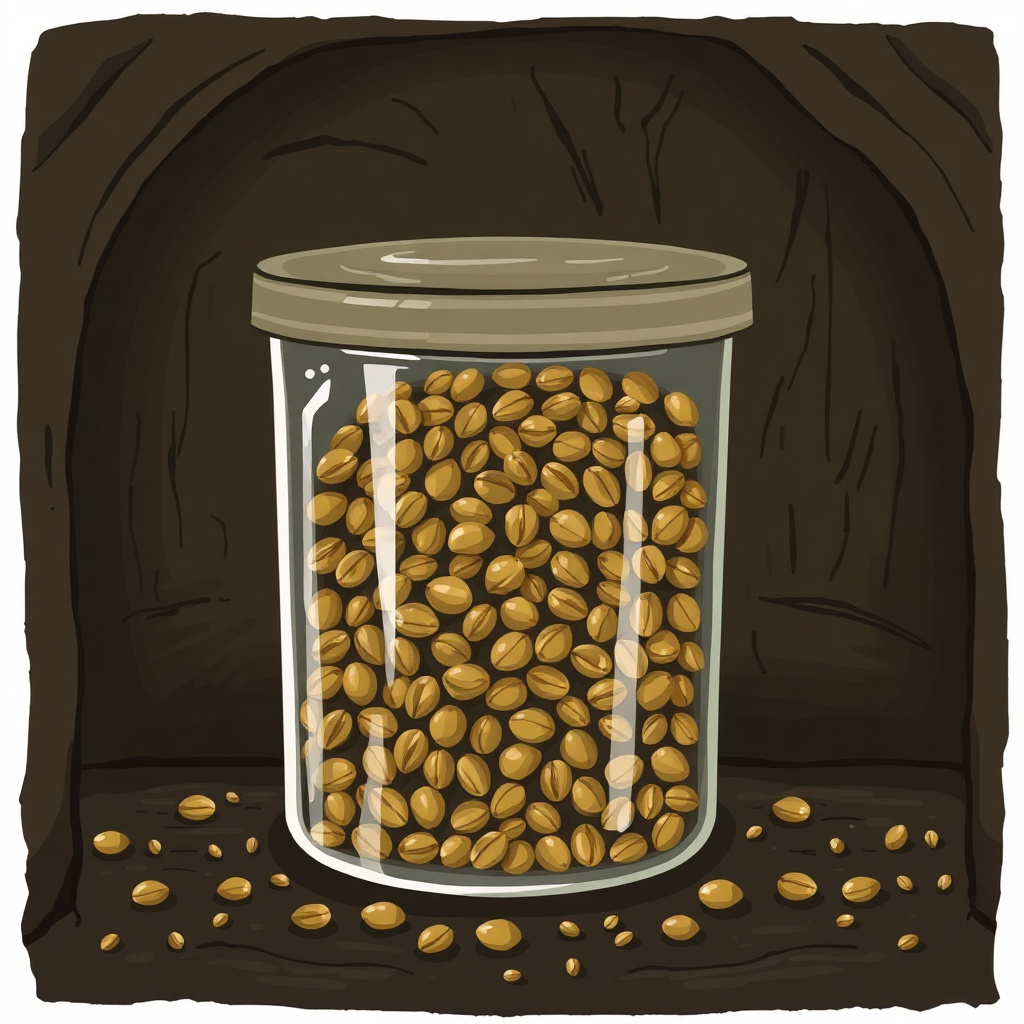
Seeds are sensitive to light exposure, which can trigger premature germination or degrade seed quality over time. By keeping seeds in a dark environment, you prevent the activation of these physiological processes that reduce longevity.
Light also promotes the breakdown of essential oils and proteins within seeds, undermining their germination capability. A cool dark place essentially halts these chemical reactions by limiting energy inputs from light sources.
How Temperature Controls Seed Longevity
Temperature plays a major role in seed longevity. Warmer temperatures speed up metabolic activities inside seeds, reducing their shelf life significantly. A cool environment slows down these processes to preserve seeds for multiple seasons.
Ideally, seeds stored between 32°F and 41°F (0°C to 5°C) will maintain viability the longest. Temperatures too close to freezing can damage seeds, while fluctuating warmth accelerates deterioration.
Choosing the Right Containers for Seed Storage
Airtight Containers to Keep Out Moisture and Air
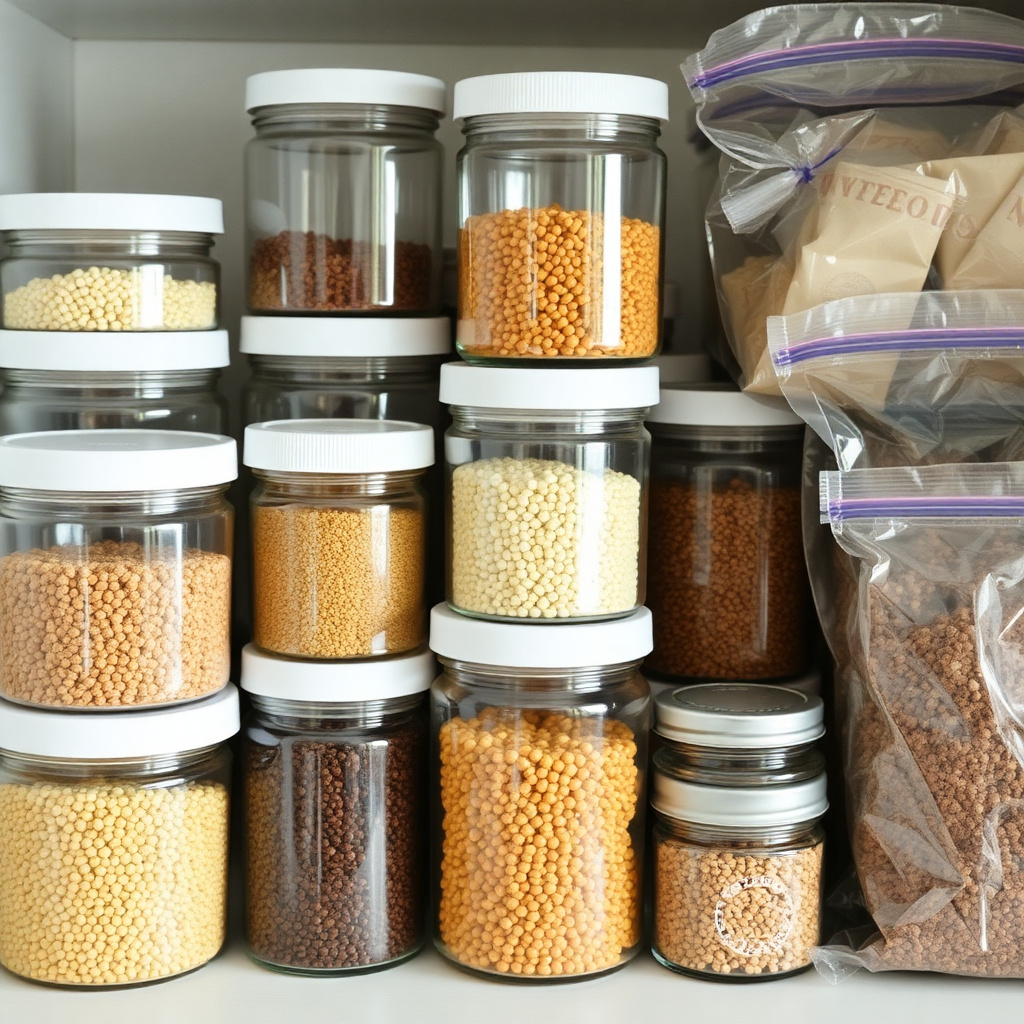
Containers that tightly seal out air and moisture protect seeds from mold and decay. Glass jars with rubber gaskets, vacuum-sealed bags, or thick resealable plastic bags are excellent choices. These containers create stable conditions inside.
Using airtight containers also reduces exposure to insects or rodents which can damage stored seeds. Additionally, minimizing oxygen availability slows down seed respiration rates, prolonging viability.
- Glass jars with airtight lids
- Vacuum-sealed bags
- Thick resealable plastic bags
For more on this, see our related guide: How to Store Seeds Long Term for Maximum Viability and Freshness.
Labeling and Organizing Seed Containers
Properly labeling seed containers with the seed type and storage date allows easy rotation and tracking. Keeping an inventory helps you use older seeds first, reducing waste and ensuring fresher seeds for planting.
Organize containers by seed type or expected planting season for efficient access. Use waterproof markers or printed labels to avoid fading over time.
Managing Moisture Levels During Seed Storage
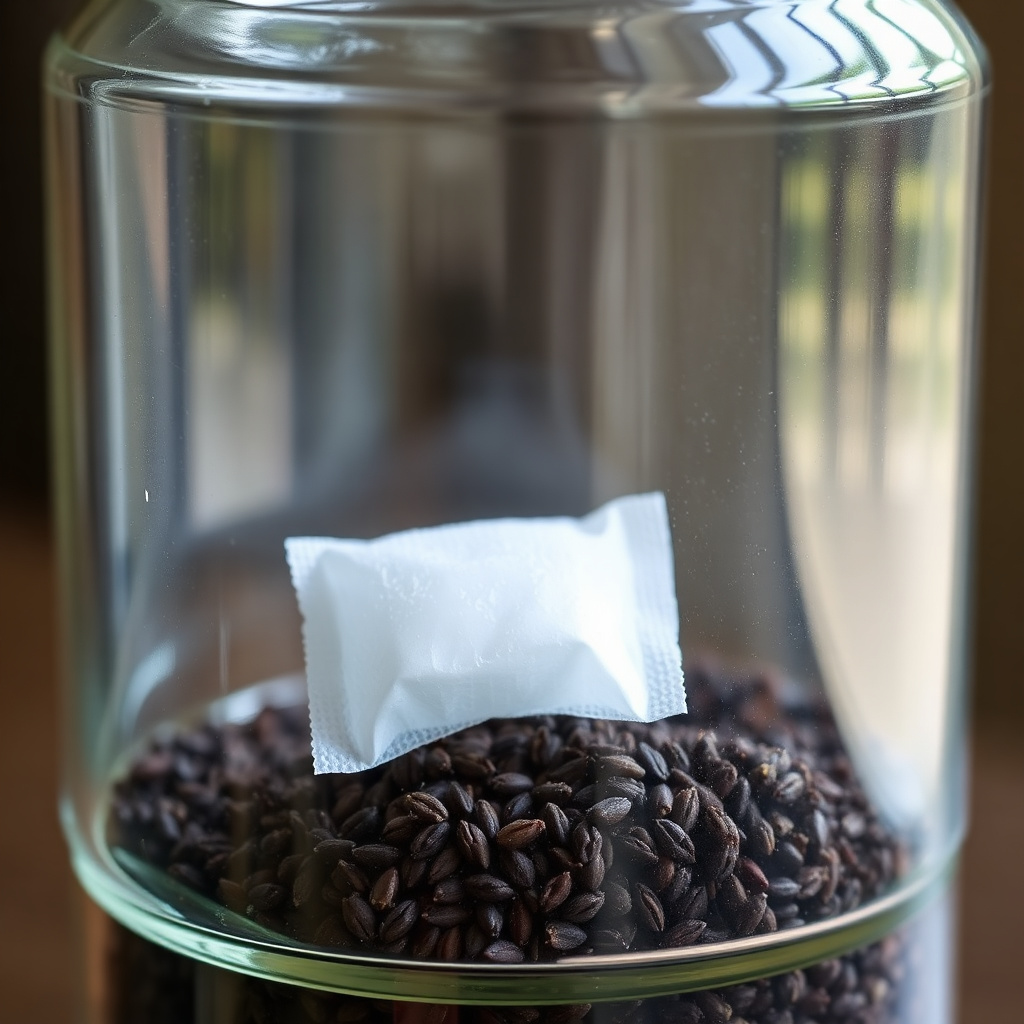
Using Desiccants to Absorb Excess Moisture
Moisture is the primary enemy of seed storage, as it encourages mold and early sprouting. Desiccants like silica gel packets absorb residual moisture inside containers, maintaining a dry environment.
Place a small sachet or packet of desiccant inside each seed jar or bag before sealing. Check and replace desiccants after each storage season for best results.
- Silica gel packets
- Clay desiccants
- Calcium chloride
Pre-drying Seeds Before Storage
Seeds should be completely dry before storing to prevent trapped moisture inside containers. Spread them in a single layer at room temperature for several days, turning occasionally, until no additional moisture is detected.
Test dryness by biting a seed or using a moisture meter to confirm levels below 8%. This step is critical to avoid mold growth during long-term storage.
Ideal Storage Locations for Seeds
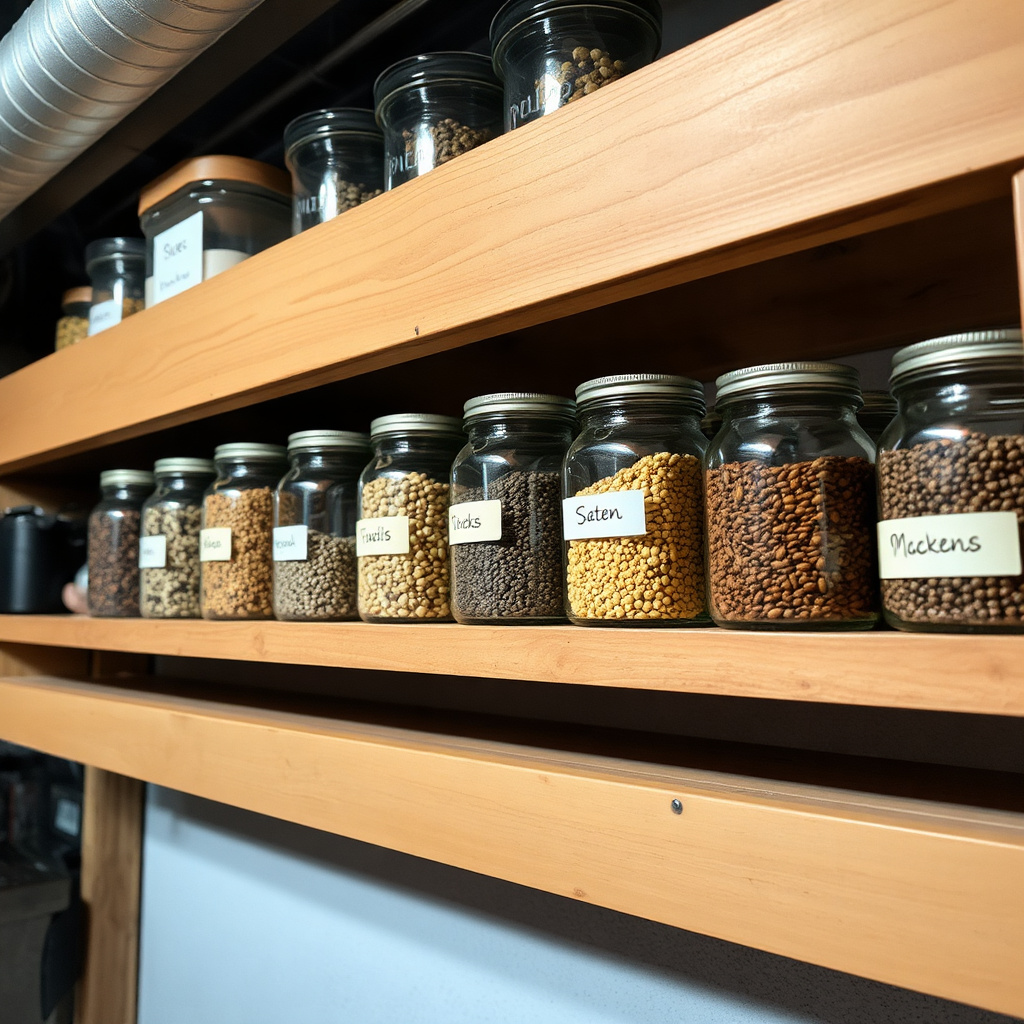
Basements, Root Cellars, and Refrigerators
Basements and root cellars naturally offer cooler, darker spaces ideal for seed storage. These locations usually hold consistent temperatures and protect against sunlight, reducing seed degradation.
Refrigerators can also serve as a convenient storage spot if kept stable at the recommended temperature range. Avoid freezer compartments unless seeds are specially prepared, as freezing can damage some seed types.
For more on this, see our related guide: Why Are My Seeds Not Sprouting? Common Causes and Solutions.
Avoiding Common Poor Storage Spots
Avoid storing seeds in places prone to temperature fluctuations, such as windowsills, attic spaces, or near heating vents. Light exposure and temperature swings reduce seed viability rapidly.
Humidity-prone areas like kitchens or bathrooms are also unsuitable due to excessive moisture risk, causing mold and seed deterioration.
Seed Storage Duration and Viability Expectations
Typical Longevity of Common Vegetable Seeds
Most vegetable seeds remain viable for 3 to 5 years when stored properly in a cool dark place with low humidity. Some, like lettuce or onion seeds, last around 2 years, while beans and peas may remain viable for up to 5 years.
Understanding expected shelf life helps prioritize which seeds to plant first and when to refresh your seed supply.
- Lettuce: 2 years
- Beans: 4-5 years
- Carrots: 3 years
- Peas: 3-5 years
For more scientific details on seed storage and longevity, see the seed storage information on Wikipedia. seed storage information on Wikipedia.
Factors That Reduce Seed Viability Over Time
Exposure to heat, moisture, light, and fluctuating temperatures accelerates seed aging. Seeds stored incorrectly lose viability faster, germinating poorly or not at all.
Poor initial seed quality or damage also shortens storage success, emphasizing the need to start with healthy, mature seeds for storage.
Seed Storage Method Comparison
Here’s a comparison of common seed storage methods highlighting ideal temperature, moisture control, and typical shelf life.
| Method | Temperature Range | Moisture Control | Typical Seed Viability Duration |
|---|---|---|---|
| Glass jars with desiccants | 32-41°F (0-5°C) | Silica gel packets | 4-5 years |
| Vacuum-sealed bags | 32-41°F (0-5°C) | Vacuum sealing removes moisture | 5-7 years |
| Refrigerator storage (sealed containers) | 35-40°F (2-4°C) | Pre-dried seeds + airtight containers | 3-5 years |
| Room temperature storage in paper envelopes | 65-75°F (18-24°C) | No moisture control, breathable | 1-2 years |
| Freezing seeds (with prep) | Below 32°F (0°C) | Moisture carefully controlled | 10+ years for some seeds |
Frequently Asked Questions
Can I store seeds in the freezer?
Freezing seeds can preserve viability for many years, but only if seeds are fully dry and properly sealed to avoid moisture. Some seeds are damaged by freezing temperatures without special preparation.
How do I know if my seeds are still good?
The best way to check seed viability is to perform a germination test by planting a few seeds in moist soil. If most sprout within the expected timeframe, your seeds remain viable.
Is refrigeration enough for seed storage?
Refrigeration provides a good cool environment, but seeds must be dry and stored in airtight containers to prevent moisture damage for effective storage.
Why is moisture bad for seed storage?
Moisture stimulates germination and promotes mold growth, both of which drastically reduce seed viability during storage.
Can I reuse seed storage containers?
Yes, provided containers are cleaned, dried thoroughly, and resealable to prevent moisture and air exposure before storing new seeds.
Key Takeaways
- Store seeds in airtight containers to block moisture and air.
- Maintain a cool dark environment with stable temperatures around 32-41°F.
- Dry seeds thoroughly before storage to prevent mold.
- Label and rotate seed stock for best germination results.
Conclusion
Preserving seed viability over multiple seasons boils down to controlling environmental factors—especially temperature, moisture, and light. Storing seeds in a cool dark place slows metabolic activity and prevents premature sprouting or fungal infections. While this process seems simple, it demands attention to container quality and preparation, such as drying and desiccant use. Regular checking of seed condition and organization improves planning for future gardens.
Different types of seeds have varying longevity, so tailor your storage approach to match. For instance, using vacuum-sealed bags with desiccants offers exceptional moisture control and extends the lifespan well beyond average methods, suitable for long-term storage. Basements and refrigerators provide accessible cool dark places that are easy to implement for many home gardeners. Avoid high humidity or fluctuating temperatures commonly found in less suitable spots such as attics or kitchen cupboards.
Overall, the best way forward is to start by thoroughly drying your seeds, placing them in airtight containers labeled clearly, and choosing a consistent cool dark storage location. Perform germination tests regularly to monitor viability and plant accordingly. By following these straightforward steps and applying practical seed storage tips, your seeds will remain viable and ready for robust growth each planting season.