What Is the Legal THC Limit for Hemp in the U.S.? Understanding the Regulations
The legal THC limit for hemp in the United States is 0.3% THC on a dry weight basis. Any cannabis plant or product testing above this threshold is classified as marijuana, which remains federally illegal in most contexts. This 0.3% limit was established by the 2018 Farm Bill to differentiate hemp from marijuana.
Understanding this threshold is important because THC, or tetrahydrocannabinol, is the psychoactive compound in cannabis that affects the mind. Keeping THC levels below the limit is what allows hemp farmers and manufacturers to produce a wide range of products—such as CBD oils, textiles, and foods—without breaking federal law.
This article will explore how the legal THC limit for hemp is defined and measured, discuss state variations and testing methods, and explain what it means for producers and consumers in practical terms.
Defining the Legal THC Limit for Hemp
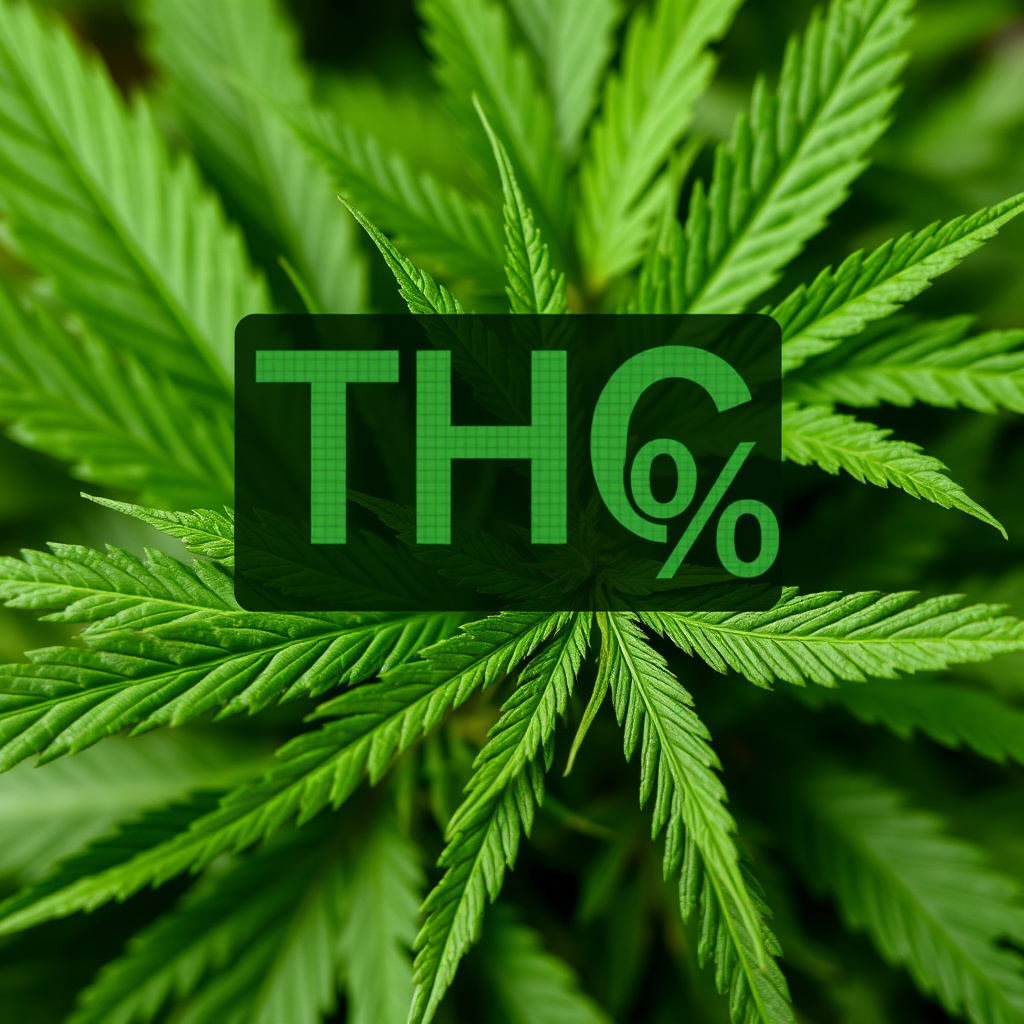
Federal Definition of Hemp THC Content
The federal government sets the legal THC limit for hemp at 0.3% total THC by dry weight. This threshold was first popularized by a 1976 study and subsequently codified in the 2018 Farm Bill. It serves as the dividing line between hemp and marijuana under U.S. law.
Total THC includes both delta-9 THC and its acidic precursor THCA, measured after decarboxylation. Laboratories testing hemp samples must use standardized methods to confirm compliance, ensuring products fall under the legal hemp category.
- 0.3% total THC limit by dry weight
- Includes THC + THCA after decarboxylation
- Set by the 2018 Farm Bill
Why 0.3% THC? Historical and Scientific Context
The choice of 0.3% as the threshold is somewhat arbitrary but was based on early cannabinoid research that identified this level as unlikely to produce psychoactive effects. It has since become the international standard in many countries.
Though 0.3% THC is minimal, it acts as a legal boundary to separate the non-intoxicating hemp from psychoactive marijuana strains. This limit drives how hemp is cultivated and processed to avoid exceeding THC levels.
Measuring THC Content: Testing and Compliance
Sampling and Laboratory Testing Procedures
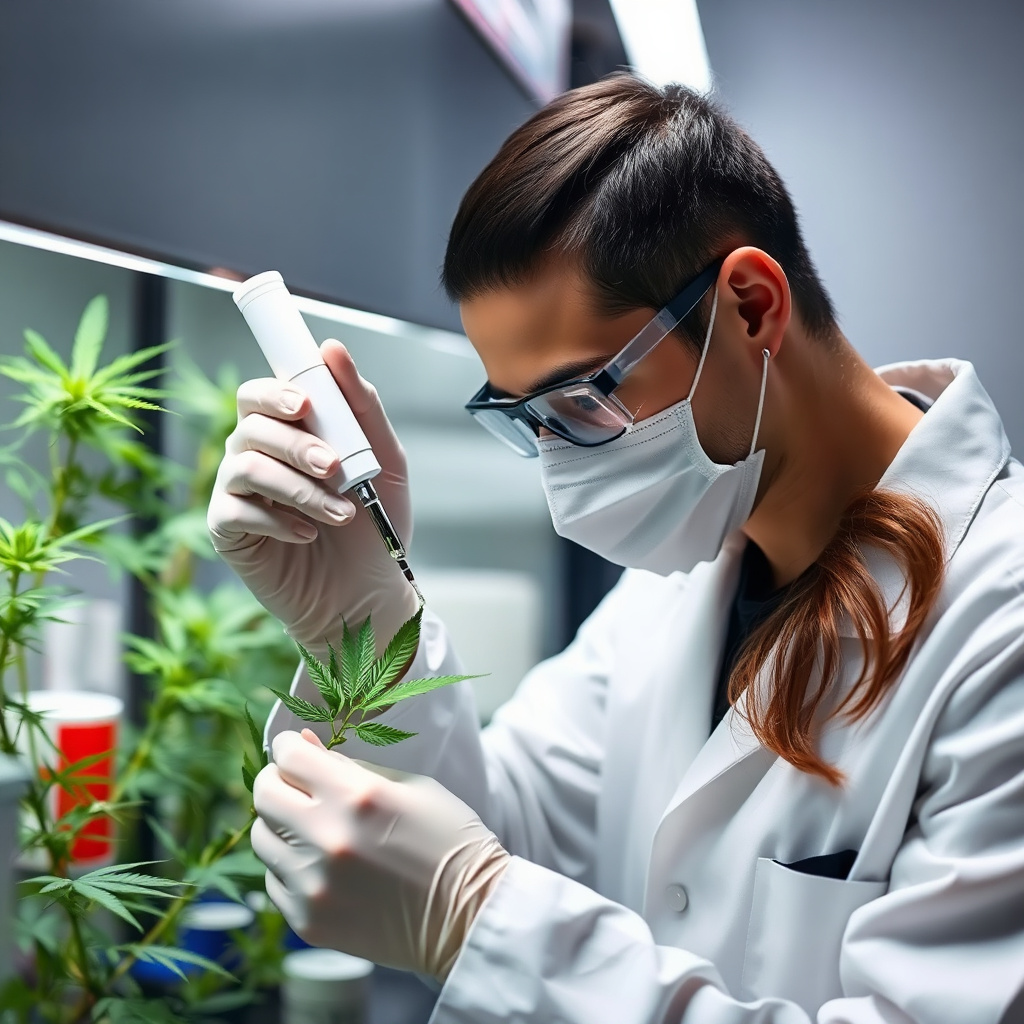
Hemp samples must be collected carefully from different parts of the plant to ensure accurate THC measurement. Labs perform quantitative analysis using methods like high-performance liquid chromatography (HPLC) to detect both THC and THCA compounds.
State and federal agencies establish protocols for sampling, handling, and testing to maintain consistency and reliability. Proper testing is vital for farmers to avoid crops being classified as marijuana.
- Use of HPLC for accurate THC quantification
- Multiple samples per plant required
- Standardized protocols by agencies
THC Testing Frequency and Reporting
Most states require hemp growers to submit samples before harvest for THC testing to verify compliance. Regular testing throughout the growing season may also be necessary depending on local rules.
Results affect whether a crop can be legally sold or must be destroyed. Transparent reporting helps businesses manage risk and adhere to the hemp THC content regulation enacted at the state level.
Variations in THC Limits by State
States with Stricter THC Thresholds
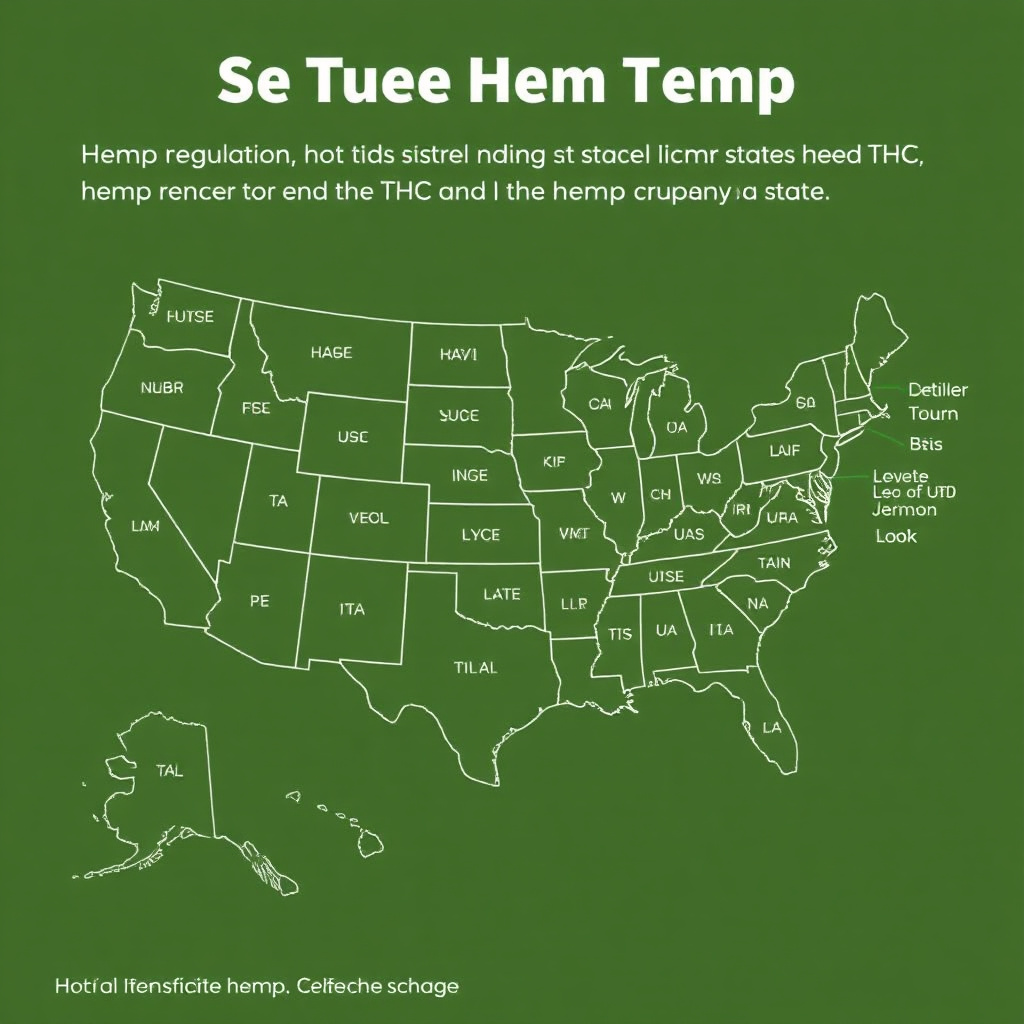
Some states impose even lower THC limits than the federal 0.3% cap. For example, Idaho restricts THC to 0.0%, essentially banning THC in hemp products. These stricter requirements can create challenges for farmers and manufacturers shipping products across state lines.
Understanding your state's specific hemp THC regulations is essential, as violating them can result in penalties or crop seizures despite federal allowances.
- Idaho: 0.0% THC limit
- South Dakota: 0.3% but with strict enforcement
- Louisiana: requires testing before harvest
For more on this, see our related guide: Are Cannabis Seeds Legal in the USA? Understanding the Legal Landscape.
States Following Federal THC Limits Closely
Most states align their legal THC thresholds with the federal 0.3% limit from the Farm Bill, facilitating easier interstate commerce and regulatory compliance. These states establish licensing and testing programs consistent with federal guidelines.
Businesses operating in these states benefit from clearer legal frameworks and standardized hemp THC content regulation, supporting industry growth.
Implications of THC Limits for Hemp Cultivation
Cultivar Selection and Genetic Stability
To maintain THC below 0.3%, farmers choose hemp cultivars bred for low THC production. Genetic factors largely determine THC levels; unstable or hybrid strains risk exceeding legal thresholds.
Seed source verification and consistent farm management practices help ensure cannabinoid profiles remain within permissible limits, avoiding crop loss and legal problems.
- Choose certified low-THC seed
- Monitor genetics for consistency
Environmental Influences on THC Levels
Environmental factors such as soil quality, sunlight exposure, and stress conditions can cause THC fluctuations in hemp plants. Excessive heat or drought sometimes increases THC content inadvertently.
Growers monitor growing conditions closely and time harvest optimally to minimize THC spikes, thus complying with legal limits.
- Manage stress to control THC production
- Optimal harvest timing reduces THC risk
Legal and Market Consequences of THC Non-Compliance
Risks of Exceeding Legal THC Limits
If hemp crops or products test above the 0.3% THC limit, they may be classified as marijuana and subject to seizure or destruction. Growers risk losing the entire harvest and face legal penalties which can be costly.
Strict adherence to THC limits protects farmers’ investments and preserves market trust, encouraging responsible production.
For more on this, see our related guide: How to Choose High CBD Cannabis Seeds for Maximum Therapeutic Benefits.
Consumer Considerations for Hemp Products
Products derived from compliant hemp have negligible psychoactive effects, which appeals to consumers seeking legal, non-intoxicating options. Reliable THC testing provides transparency and safety assurance in the marketplace.
Consumers should look for product certificates confirming THC content below legal limits to avoid unwanted effects or legal complications.
- Check for third-party lab testing
- Certify THC below 0.3% for safety
Future Trends in Hemp THC Regulation
Potential Changes to THC Limits
Legislators and researchers continue debating whether the 0.3% THC threshold should be adjusted to reflect new scientific insights or industry needs. Some advocate raising the limit to 1% THC to expand hemp's commercial potential.
Changes could impact regulatory frameworks and cultivation practices, but any update would require careful balancing of public safety and industry growth.
For detailed federal regulations and compliance guidelines on hemp cultivation, see the United States Department of Agriculture hemp production guidelines. United States Department of Agriculture hemp production guidelines.
Advances in Testing and Compliance Technology
Emerging technologies in cannabinoid profiling and blockchain traceability improve how THC compliance is monitored and reported. Faster, more accurate testing methods help producers respond rapidly to THC variations.
These innovations support tighter regulatory oversight and bolster consumer confidence in hemp products.
- Use of real-time analytical instruments
- Blockchain for supply chain transparency
Comparison of Legal THC Limits by Region
The table below summarizes the key variations in legal THC thresholds and regulatory approaches across different U.S. states and international contexts.
| Region | THC Limit (%) | Testing Required Before Harvest | Notes |
|---|---|---|---|
| Federal U.S. | 0.3 | Yes | Defined by 2018 Farm Bill |
| Idaho | 0.0 | Yes | No THC allowed; restrictive enforcement |
| California | 0.3 | Yes | Aligns with federal rules, extensive testing |
| European Union | 0.2 | Varies | Some countries vary locally |
| Canada | 0.3 | Yes | Strict licensed testing protocols |
| Louisiana | 0.3 | Yes | Requires testing pre-harvest |
Frequently Asked Questions
How is THC content measured in hemp?
THC content in hemp is measured using laboratory methods like high-performance liquid chromatography (HPLC), which detects both THC and THCA compounds after sample decarboxylation.
Can hemp contain zero THC?
No commercially viable hemp is completely free of THC; trace amounts are natural. The legal limit of 0.3% allows some THC but prevents psychoactive effects.
What happens if hemp tests over the legal THC limit?
If hemp exceeds 0.3% THC, it is classified as marijuana, subject to seizure, destruction, and legal penalties depending on jurisdiction.
Does the THC limit apply to all hemp products?
Yes, all hemp-derived products must contain less than 0.3% THC to be legally sold as hemp under federal law.
Are THC limits different internationally?
Yes, many countries set their own THC limits for hemp, often between 0.2% and 0.3%, but these regulations vary widely.
Key Takeaways
- The legal THC limit for hemp in the U.S. is 0.3% by dry weight.
- Testing methods like HPLC ensure accurate THC measurement for compliance.
- Some states impose stricter THC limits than federal law requires.
- Exceeding THC thresholds can lead to crop loss and legal issues.
Conclusion
Determining the legal THC limit for hemp hinges on understanding that 0.3% THC by dry weight is the federally accepted threshold in the U.S., distinguishing non-intoxicating hemp from marijuana. This limit shapes the entire hemp industry, influencing how cultivators select seeds, manage crops, and navigate compliance testing. Farmers and producers must work with trusted laboratories and follow state-specific regulations because these standards affect the legality and marketability of their products. The dynamic regulatory landscape requires awareness and adaptation to avoid costly violations or crop losses.
When deciding what hemp to grow or which hemp products to manufacture or purchase, the 0.3% THC limit serves as the essential legal benchmark. For cultivators aiming for legal compliance, using verified low-THC cultivars and timing harvest based on testing results mitigates the risk of exceeding the limit. States like California and Louisiana provide regulatory frameworks consistent with federal levels, offering a clearer path for producers. More restrictive states such as Idaho require heightened caution or may preclude hemp production altogether. Producers should tailor their approaches based on local laws and testing capabilities to secure both legal compliance and product quality.
For consumers or businesses seeking hemp products, verifying that THC content stays under the limit through third-party testing is a key step to ensure safety and legality. As regulations evolve, staying informed of emerging trends in THC limits and testing technology will benefit stakeholders across the hemp supply chain. The practical next step for growers or buyers is to consult relevant local guidelines and engage reliable labs to confirm THC compliance, thereby supporting the legal, transparent growth of the hemp market.