Understanding the Flowering Stage: What It Means for Your Plants
The flowering stage is a critical phase in the life cycle of many plants, marking the period when they begin to develop flowers as part of their reproductive process. During this stage, plants shift their energy from growing leaves and stems to producing blooms, which eventually lead to seeds or fruit.
This stage matters because successful flowering directly impacts a plant’s ability to reproduce and yield fruit or seeds. For gardeners and growers, recognizing and supporting plants through this transition can improve harvest quality and overall plant health.
In this article, we’ll explore what defines the flowering stage, how to recognize it, key care practices during this phase, and how it fits into the larger context of plant growth stages.
What Happens During the Flowering Stage
Physiological Changes in Plants
During the flowering stage, plants undergo significant physiological shifts. Hormonal changes redirect nutrients and energy towards the development of flower buds instead of leaf or root growth. This change affects cellular activities, including increased protein synthesis and pigment production essential for blooms.
Plants also often change their light absorption patterns and photosynthesis rates to optimize energy needed for flowering. These internal changes enable the plant to develop flowers capable of attracting pollinators or facilitating pollination processes.
Signs Your Plant Has Entered the Flowering Stage
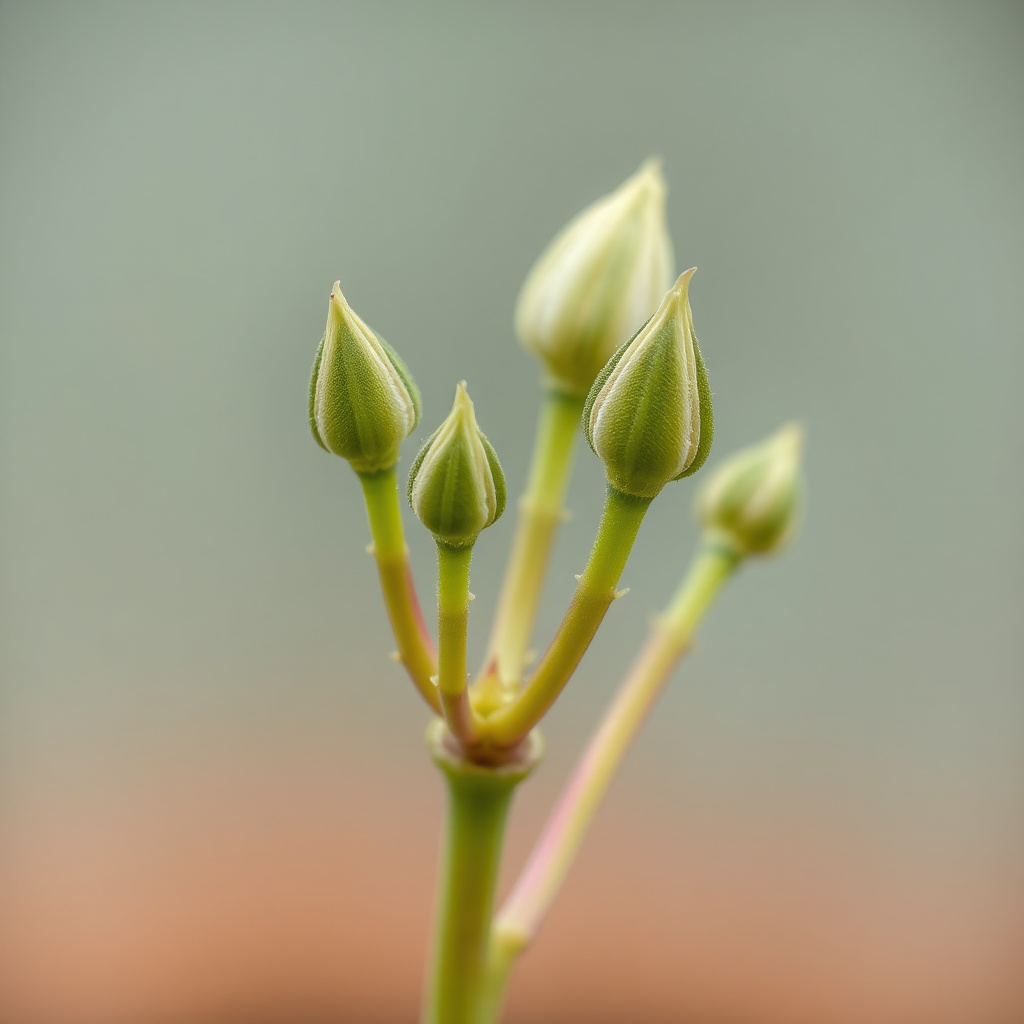
Physical signs of the flowering stage include the appearance of swollen nodes or small buds along stems, which will eventually open into flowers. Leaf growth may slow down or stop as the plant directs more resources to flower production.
In some species, changes in leaf color, aroma, or stem texture can also indicate flowering. Timing can depend on species and environmental triggers such as day length and temperature.
Environmental Factors Influencing the Flowering Stage
Role of Light and Photoperiod
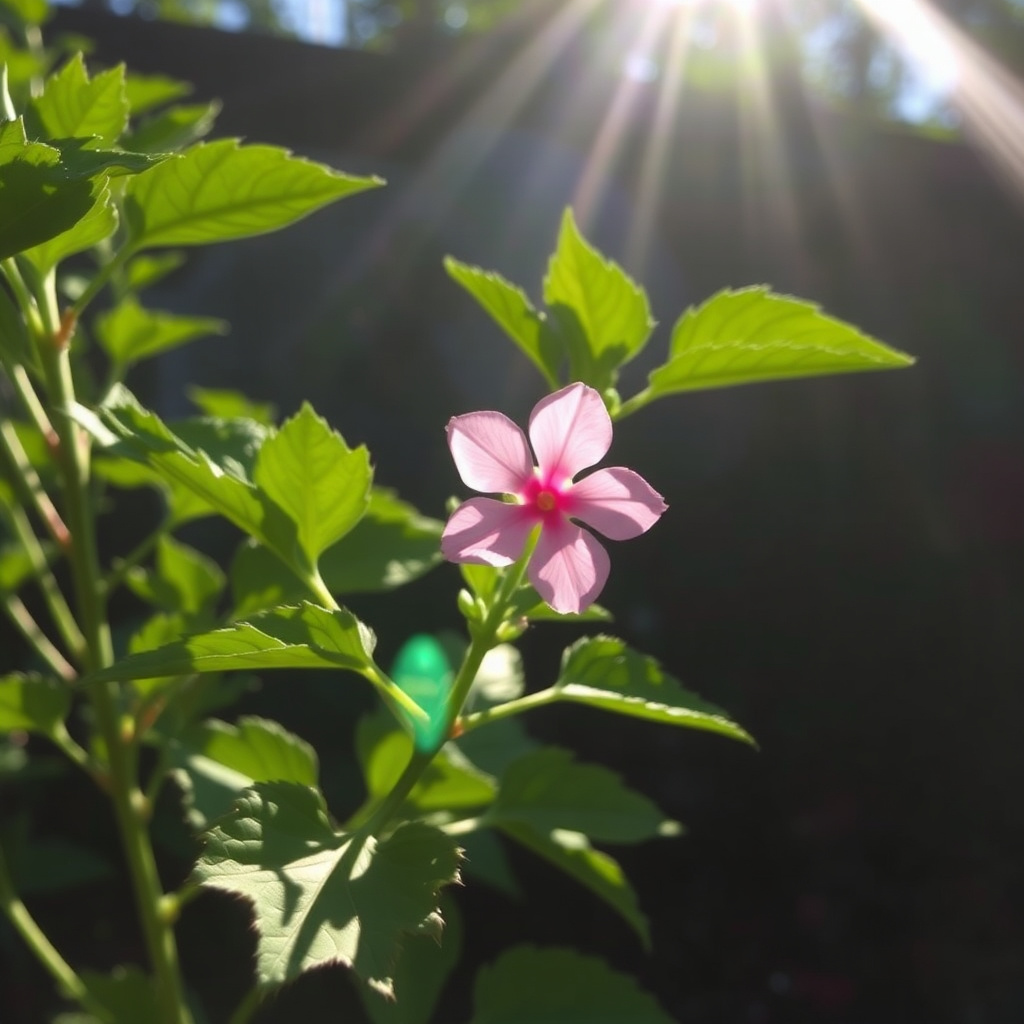
Light duration and intensity strongly impact when a plant enters and progresses through the flowering stage. Many species are photoperiod-sensitive, meaning they flower only when day length meets certain thresholds, such as short-day or long-day plants.
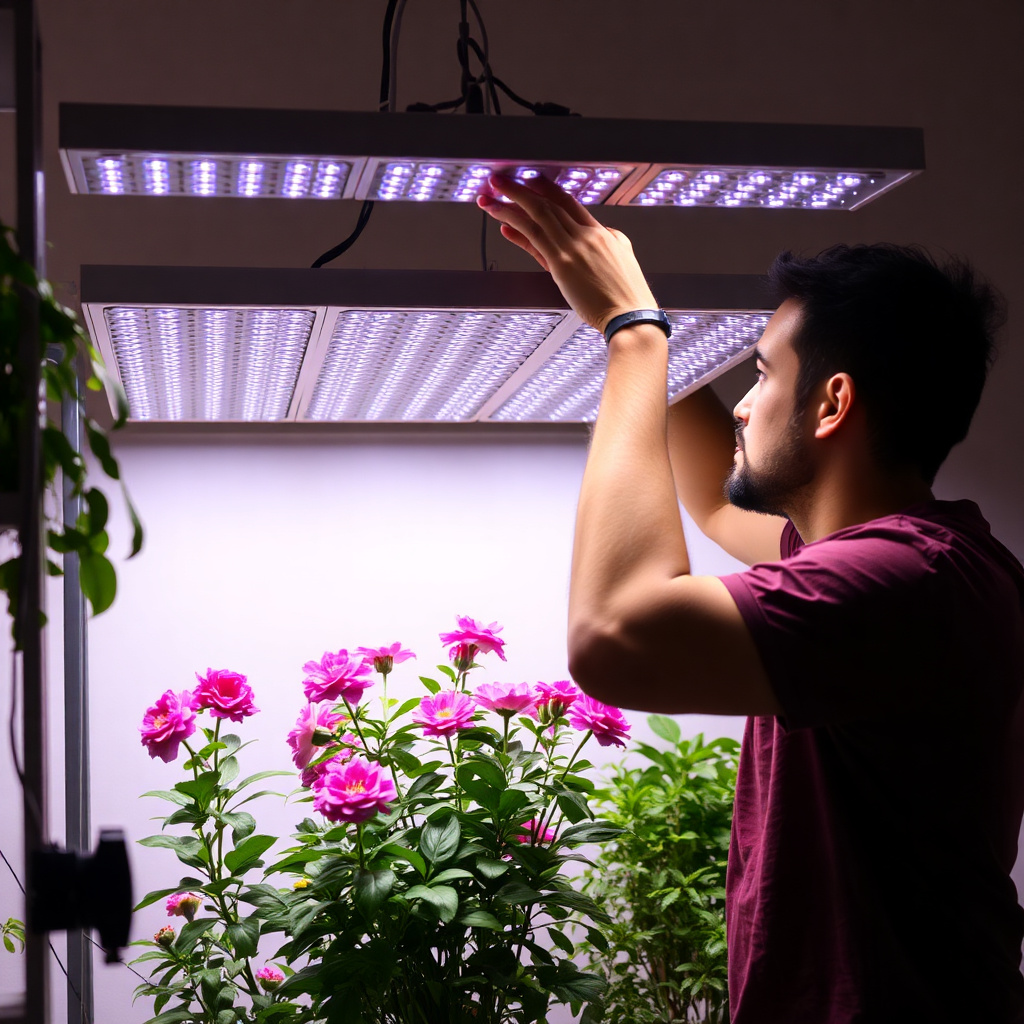
Adjusting artificial lighting in indoor gardens can manipulate flowering timing, allowing growers control over bloom cycles. Proper light exposure promotes healthy flower development and maximizes yields.
Temperature and Humidity Effects
Temperature shifts can accelerate or delay flowering. Most plants have optimal temperature ranges during flowering to prevent stress that might reduce flower quality or cause bud drop.
Humidity levels influence pollination efficiency and disease prevalence during the flowering stage. High humidity can foster mold or mildew, while very low humidity might dry out delicate blooms.
Nutrient Needs During the Flowering Stage
Essential Nutrients for Flower Development
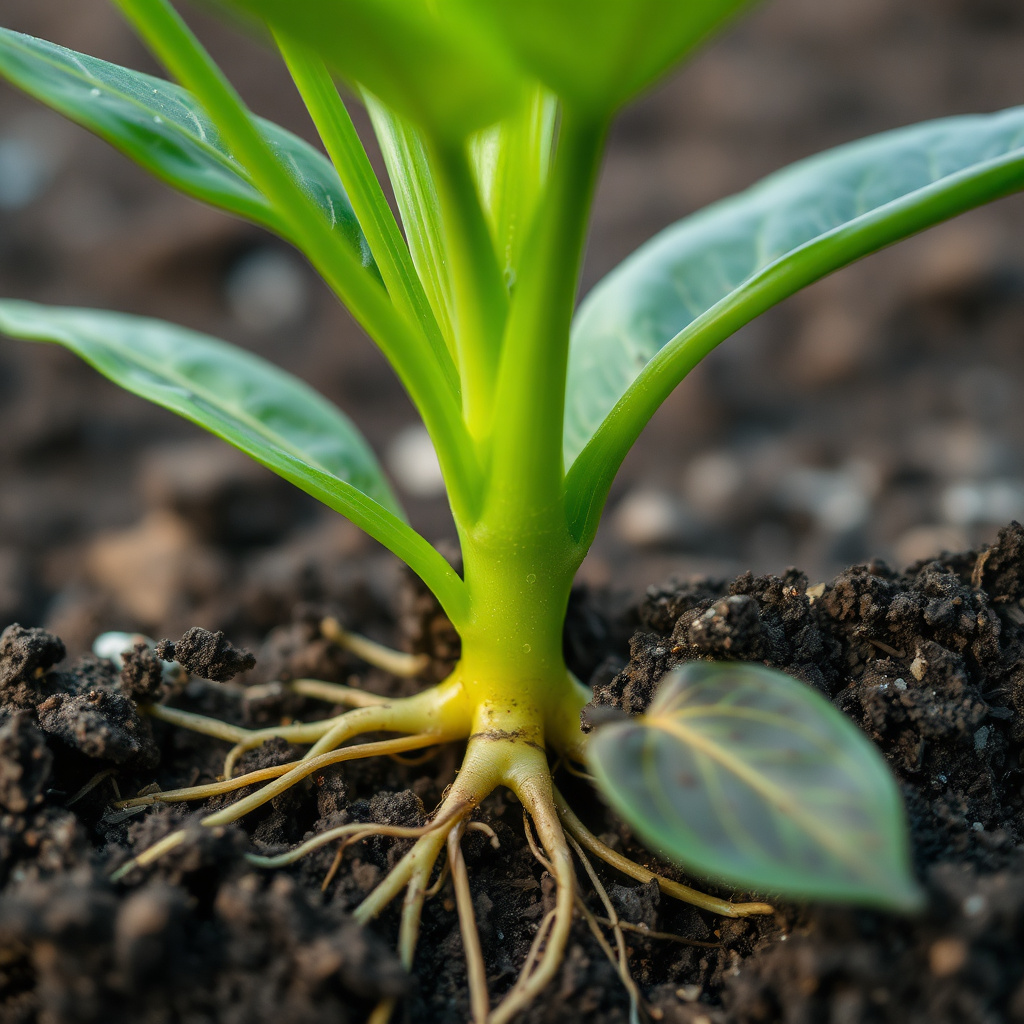
During flowering, plants require increased amounts of phosphorus and potassium to support bud formation and longevity. These nutrients aid in energy transfer, root development, and flower strength.
Nitrogen needs generally decrease in this stage compared to vegetative growth, as excess nitrogen can cause leafy growth at the expense of flowers.
- Phosphorus supports bloom formation
- Potassium helps flower robustness
- Moderate nitrogen levels prevent excessive foliage growth
For more on this, see our related guide: Cannabis Flowering Time Explained: How to Optimize Your Grow Cycle.
Adjusting Fertilizer Regimens
Gardeners commonly switch to bloom-specific fertilizers with higher phosphorus and potassium ratios during flowering. Overfeeding can harm flowers or cause nutrient imbalances, so careful monitoring is necessary.
Regular soil testing and observing plant responses ensure nutrient levels meet but do not exceed the plant’s needs during this sensitive phase.
Common Challenges in the Flowering Stage
Dealing with Pests and Diseases
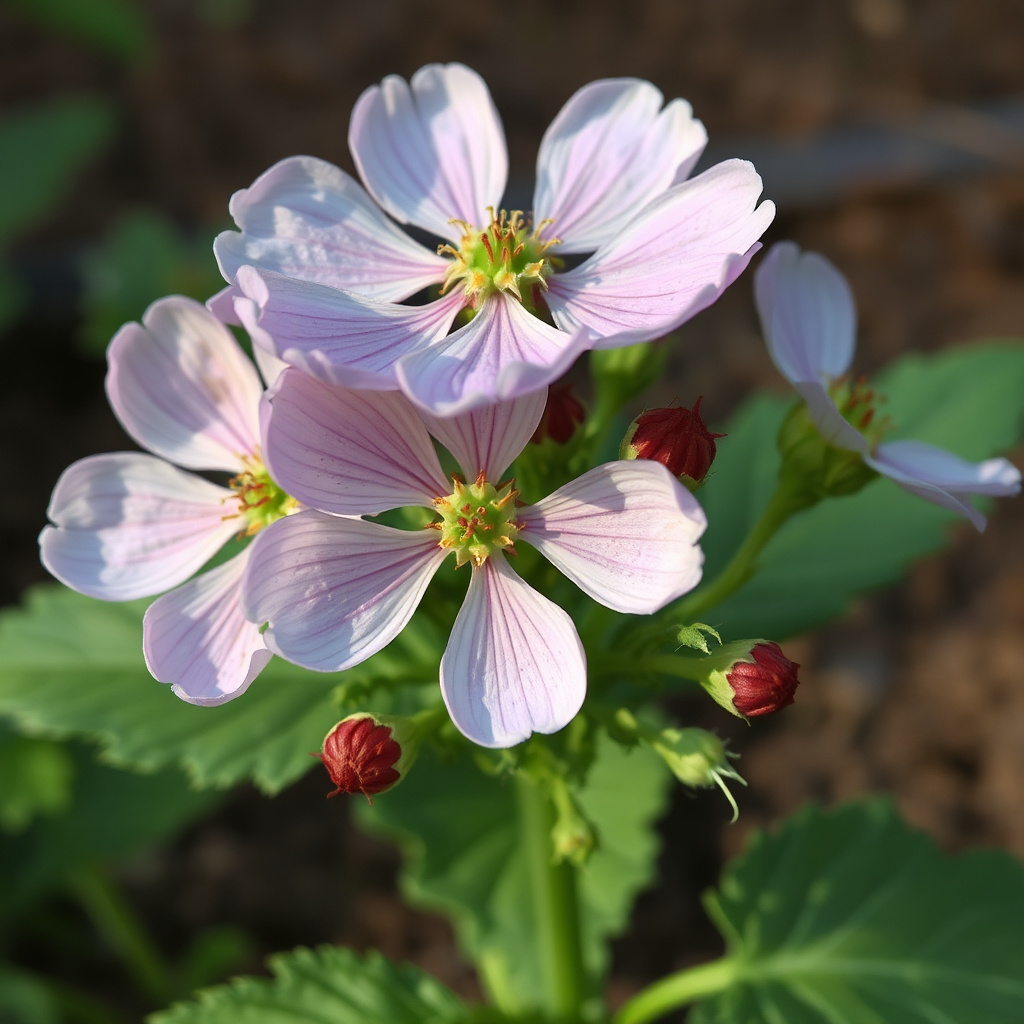
Flowering plants attract a variety of pests such as aphids, thrips, and spider mites that can damage buds and flowers. Managing these pests without harming blooms requires targeted treatments and preventive care.
Diseases like powdery mildew and bud rot also threaten flowering plants, especially under high humidity. Proper air circulation and hygiene help minimize risk during this stage.
Avoiding Bud Drop and Flower Abortion
Bud drop occurs when flowers prematurely fall off due to stress factors including nutrient deficiencies, improper watering, or sudden environmental changes. Maintaining consistent care reduces this risk.
Understanding species-specific triggers and providing stable growing conditions helps prevent flower abortion, maximizing fruit and seed production potential.
Flowering Stage in the Context of Plant Growth Stages
Relationship Between Vegetative and Flowering Stages
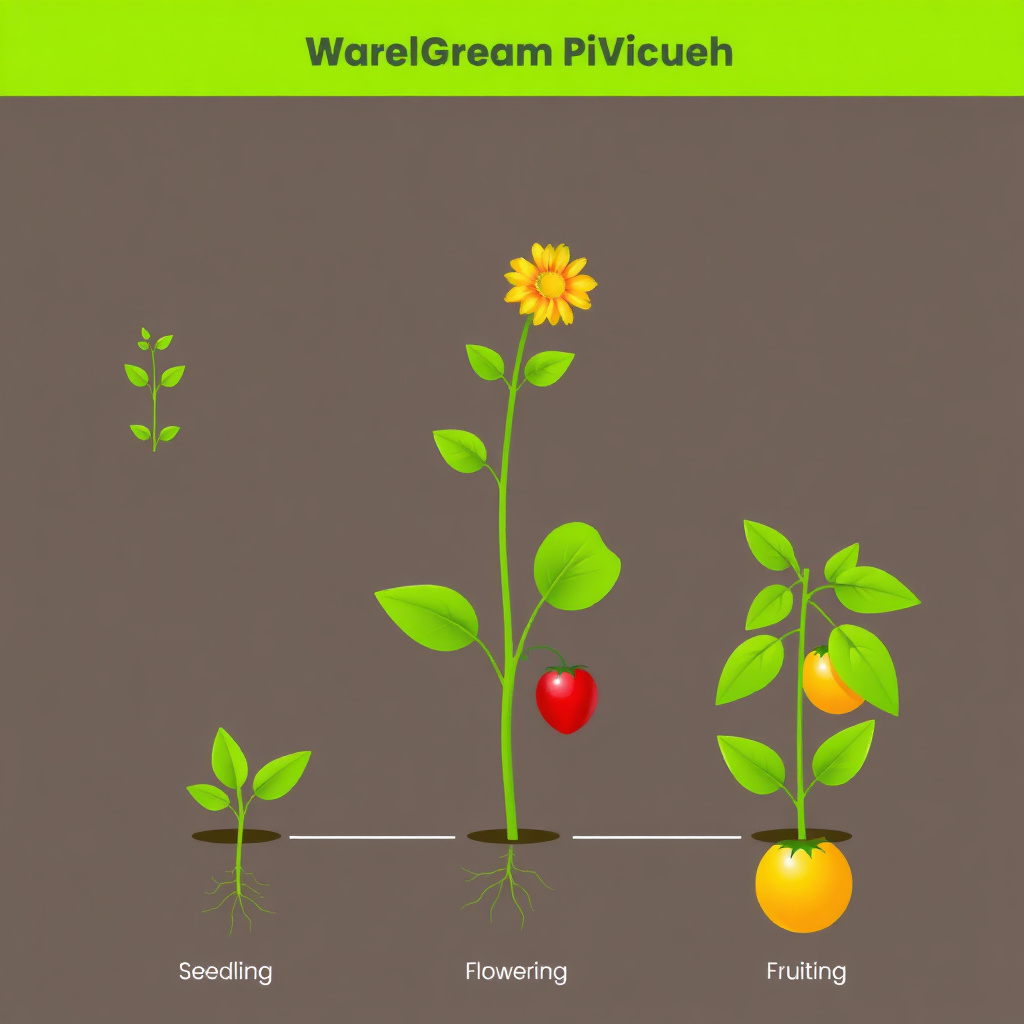
The flowering stage follows the vegetative growth stage, during which plants focus on building leaves, stems, and roots. Transitioning involves a shift in energy allocation and often depends on environmental cues.
Timing this transition effectively can influence plant size, flower quantity, and overall health, making understanding this relationship important for growers.
For more on this, see our related guide: Understanding Cannabis Plant Growth Stages: A Complete Guide.
How Flowering Leads to Fruit and Seed Production
Once flowers are pollinated, plants enter the fruiting stage, producing seeds and edible fruits. The success of the flowering stage directly impacts harvest quality and yield quantity.
Some plants also undergo multiple flowering phases, each requiring attentive care for sustained productivity.
Optimizing Your Plants' Flowering Stage
Best Practices for Supporting Flowering Plants
Regular pruning to remove dead or overcrowded leaves improves light penetration and airflow around flowers. Consistent watering and nutrient delivery balance stress and vitality during flowering.
Monitoring environmental factors like temperature and humidity supports healthy bloom development and reduces pest pressures.
- Prune to increase airflow
- Maintain steady watering schedule
- Use bloom-enhancing nutrients properly
For a detailed overview of the flowering process in plants, see the flowering stage on Wikipedia. flowering stage on Wikipedia.
Using Technology to Monitor Flowering
Modern growers utilize tools such as timers for lights, humidity regulators, and soil moisture sensors to maintain precise conditions for flowering plants. Apps and smart devices can alert you to changes needing adjustment.
These technologies help maintain ideal environments that traditional methods might miss, improving flower quantity and quality.
Flowering Stage Comparison by Plant Type
Different plants experience the flowering stage uniquely, with variations in duration, nutrient needs, and environmental preferences.
| Plant Type | Flowering Duration | Key Nutrient Focus | Common Challenges |
|---|---|---|---|
| Tomato | 6-8 weeks | High phosphorus and potassium | Blossom end rot, bud drop |
| Ornamental Roses | 4-6 weeks | Balanced nutrients with magnesium | Powdery mildew, pest damage |
| Cactus Flowering | 2-4 weeks | Low nitrogen, increased potassium | Bud drop due to overwatering |
| Houseplants (e.g., African Violet) | 3-5 weeks | Moderate phosphorus | Humidity sensitivity, root rot |
| Cannabis | 8-10 weeks | High phosphorus and potassium | Bud rot, pest infestations |
Frequently Asked Questions
How long does the flowering stage typically last?
The flowering stage length varies by plant species but generally lasts between 2 to 10 weeks, depending on environmental conditions and specific plant genetics.
What triggers a plant to enter the flowering stage?
Flowering is often triggered by changes in day length (photoperiod) and temperature, signaling the plant to shift from vegetative growth to reproduction.
Can I speed up the flowering stage?
Adjusting light cycles, temperature, and nutrient availability can influence flowering speed, but rushing this phase may reduce flower quality or yield.
Do all plants flower before producing fruit?
Most fruit-bearing plants produce flowers first, as flowers are necessary for pollination leading to fruit formation, though specific cycles can vary among species.
What common mistakes harm plants during flowering?
Overwatering, excessive nitrogen, poor light conditions, and failing to control pests and diseases are frequent causes of poor flowering results.
Key Takeaways
- The flowering stage is when plants focus energy on producing blooms for reproduction.
- Light, temperature, and nutrients notably affect flowering success.
- Managing pests, diseases, and environmental stress helps prevent bud drop.
- Understanding flowering helps maximize fruit and seed production.
Conclusion
Successfully navigating the flowering stage requires recognizing its distinctive physiological demands and environmental sensitivities. By paying close attention to plant signals like bud development and adjusting care routines to meet nutrient and light requirements, growers can guide their plants to produce healthy, vibrant flowers that set the foundation for fruit or seed production. Having an awareness of common challenges such as pest infestations and bud drop allows for preventative measures and quick responses, which are critical to maintain plant health throughout this dynamic stage.
Different plants present unique flowering characteristics and needs, from the relatively short bloom periods of cacti to longer and nutrient-demanding phases in crops like tomatoes and cannabis. For instance, adapting fertilizer regimens to emphasize phosphorus and potassium supports strong flower growth, while regulating humidity and temperature promotes overall flower resilience. Whether cultivating ornamental species or edible fruits, tailoring care specifically to the species’ flowering requirements yields the best results in terms of flower quality and subsequent harvest.
As a next step, plant growers should monitor their species’ growth closely, observe the signs marking the flowering stage, and adjust environmental conditions accordingly. Integrating technology such as light timers and humidity controls can enhance precision in maintaining favorable conditions. Additionally, consulting species-specific cultivation guides or expert resources will provide the insights necessary to improve flowering outcomes, leading to more abundant and healthy plant reproduction.