How to Buy Organic Seeds: A Practical Guide for Gardeners
Buying organic seeds means choosing seeds produced without synthetic pesticides, herbicides, or chemical fertilizers, giving your plants a natural head start. To buy organic seeds, start by verifying the seed company's certification, product labeling, and origin to ensure authenticity. Purchasing seeds from reputable vendors known for organic integrity guarantees your garden benefits from truly chemical-free beginnings.
Organic seeds matter because they align with sustainable gardening principles, safeguard biodiversity, and often come from plants bred to thrive in organic conditions. They promote healthier soil ecosystems and reduce exposure to harmful chemicals, which benefits both the gardener and the environment. Choosing the right organic seeds sets the foundation for a thriving, eco-friendly garden.
This article explores what defines organic seeds, how to identify authentic ones, key factors to evaluate when buying them, and where to find the best organic seed suppliers. With these insights, you'll be empowered to make informed buying decisions that match your gardening goals and values.
Understanding What Organic Seeds Are
Definition and Characteristics of Organic Seeds
Organic seeds come from plants grown without synthetic chemicals, genetically modified organisms (GMOs), or irradiation treatments. They not only meet organic farming standards but are also produced through ecologically sustainable practices, which maintain soil health and biodiversity.
These seeds often originate from plants selected for resilience and adaptation to organic growing methods, which usually translates to stronger seedlings and less dependency on chemical interventions.
Certification Standards for Organic Seeds
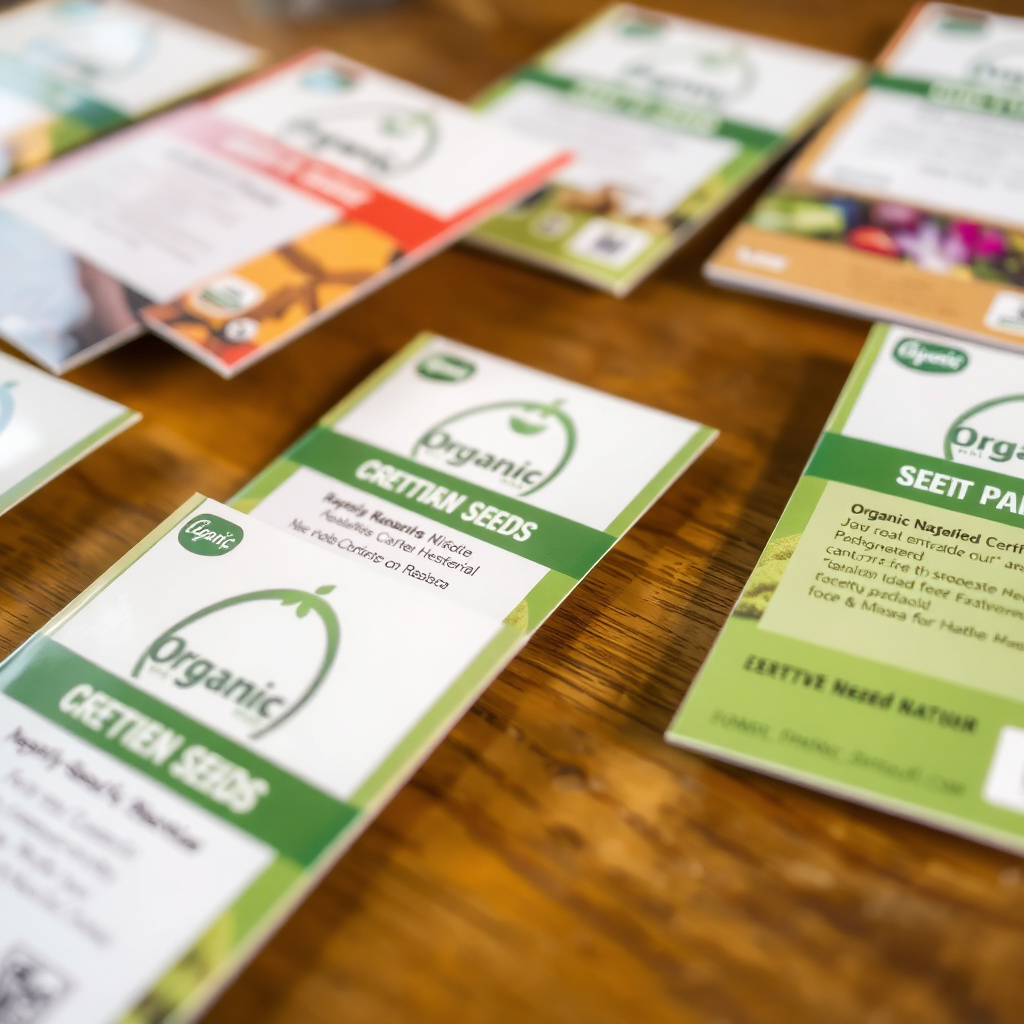
Certifications like USDA Organic or equivalents ensure that seeds meet strict guidelines banning synthetic pesticide and fertilizer use during seed production. These certifications are verified by third-party inspections that assess farm management and processing protocols.
Look for these labels on seed packets to avoid greenwashing. Seeds labeled as 'organic' without certification may not meet all organic requirements.
- USDA Organic
- EU Organic
- Canada Organic
- Japanese Organic Standards
How to Verify the Authenticity of Organic Seeds
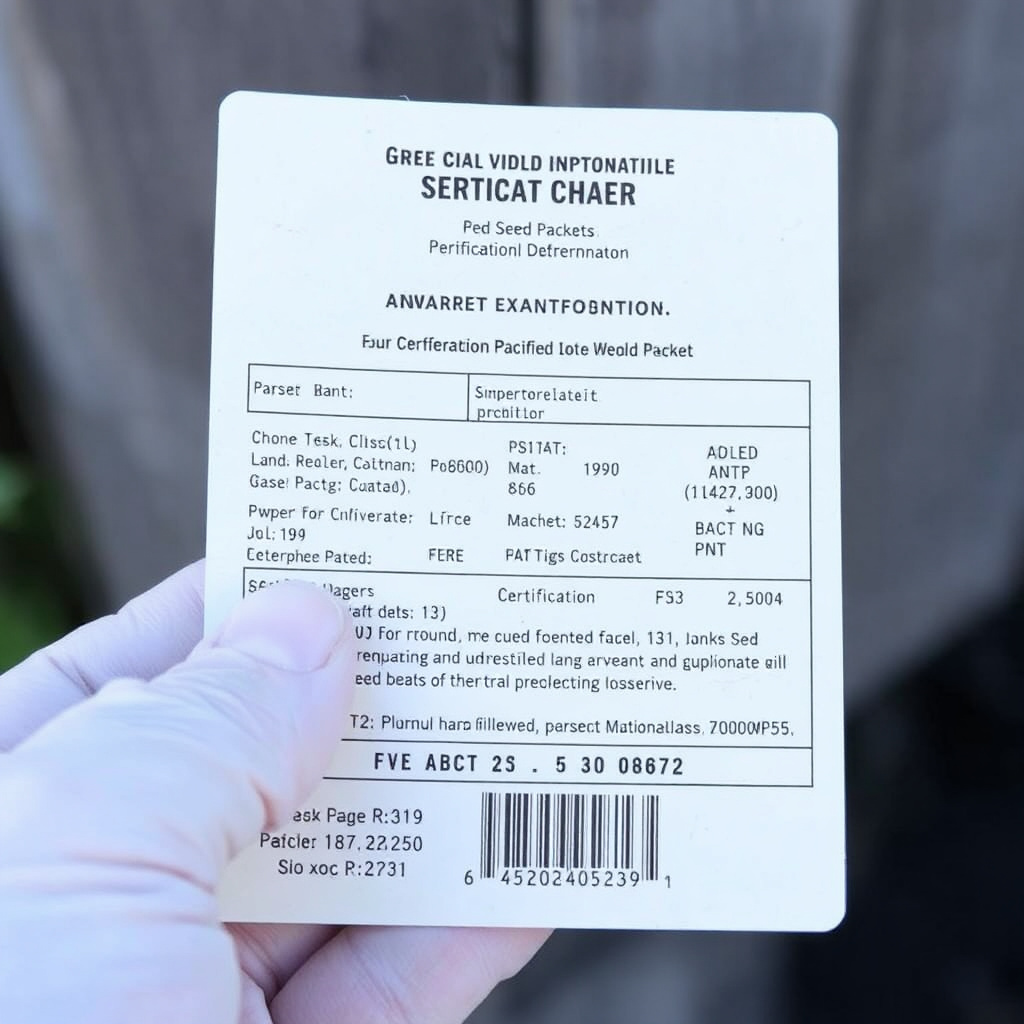
Checking Seed Labels and Packaging
Authentic organic seeds have clear labeling that includes the certifying agency, the organic seal, and ideally the seed lot number for traceability. Packages often describe the seed origin and growing practices used.
Avoid seeds with vague or missing organic claims, as they may not guarantee the absence of synthetic inputs.
Researching Seed Suppliers and Their Reputation
Choosing suppliers known for transparency and integrity is crucial when buying organic seeds. Look for companies with positive reviews, organic certification proof, and active partnerships with organic farming organizations.
Online forums and gardening communities are useful resources to verify supplier credibility and customer satisfaction before purchase.
Factors to Consider When Buying Organic Seeds
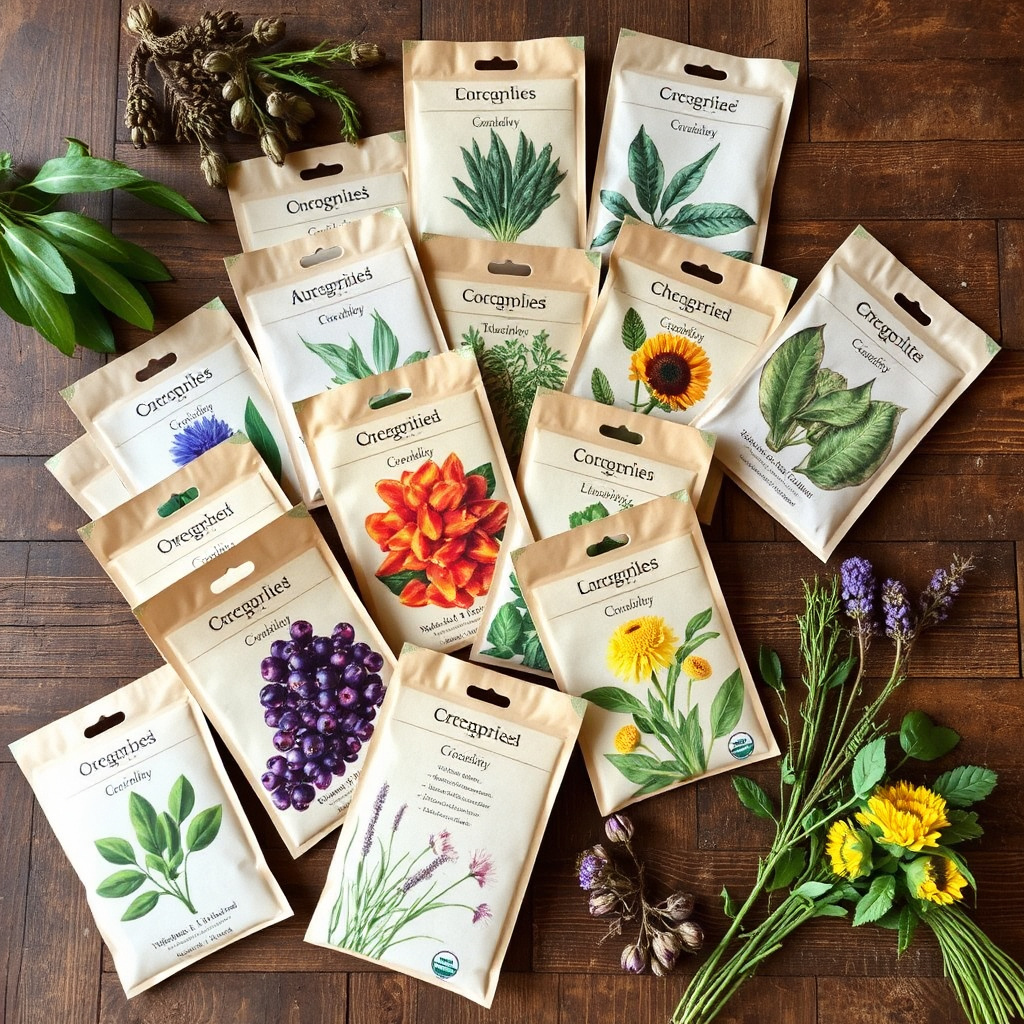
Seed Variety and Adaptability
Select seed varieties suited to your climate and soil conditions to improve germination success and crop performance. Organic seeds bred for local or organic conditions typically perform best in organic gardens.
Heirloom and open-pollinated varieties often appeal to organic gardeners for their genetic diversity and ability to save seeds for future crops.
- Heirloom seeds
- Hybrid seeds (with organic certification)
- Open-pollinated seeds
For more on this, see our related guide: How to Choose High CBD Cannabis Seeds for Maximum Therapeutic Benefits.
Seed Germination Rates and Purity
Check germination rates listed on the packet for hints about seed quality and freshness. Higher germination percentages mean more efficient planting and less waste.
Purity indicates the percentage of seeds that are true to the labeled variety, which is important to maintain crop consistency.
Where to Buy Organic Seeds: Finding Reliable Sources
Local Organic Seed Banks and Garden Centers
Physical garden centers often stock certified organic seeds, allowing you to inspect packaging and ask questions directly. Local organic seed banks or farming cooperatives cater to regional climate needs, offering adapted varieties.
Shopping locally supports community agriculture and reduces shipping-related environmental impacts.
Online Retailers Specializing in Organic Seeds
Online retailers provide wider selections and often feature rare or heritage seeds. Many such suppliers highlight their organic certification prominently and provide detailed growing information.
While online purchases lack immediate inspection, customer reviews and clear certification disclosures can guide your trust.
- Search for certifying agency seals on websites
- Read customer feedback carefully
- Check return policies for unsatisfactory seeds
Sustainable Practices Beyond Seed Purchase
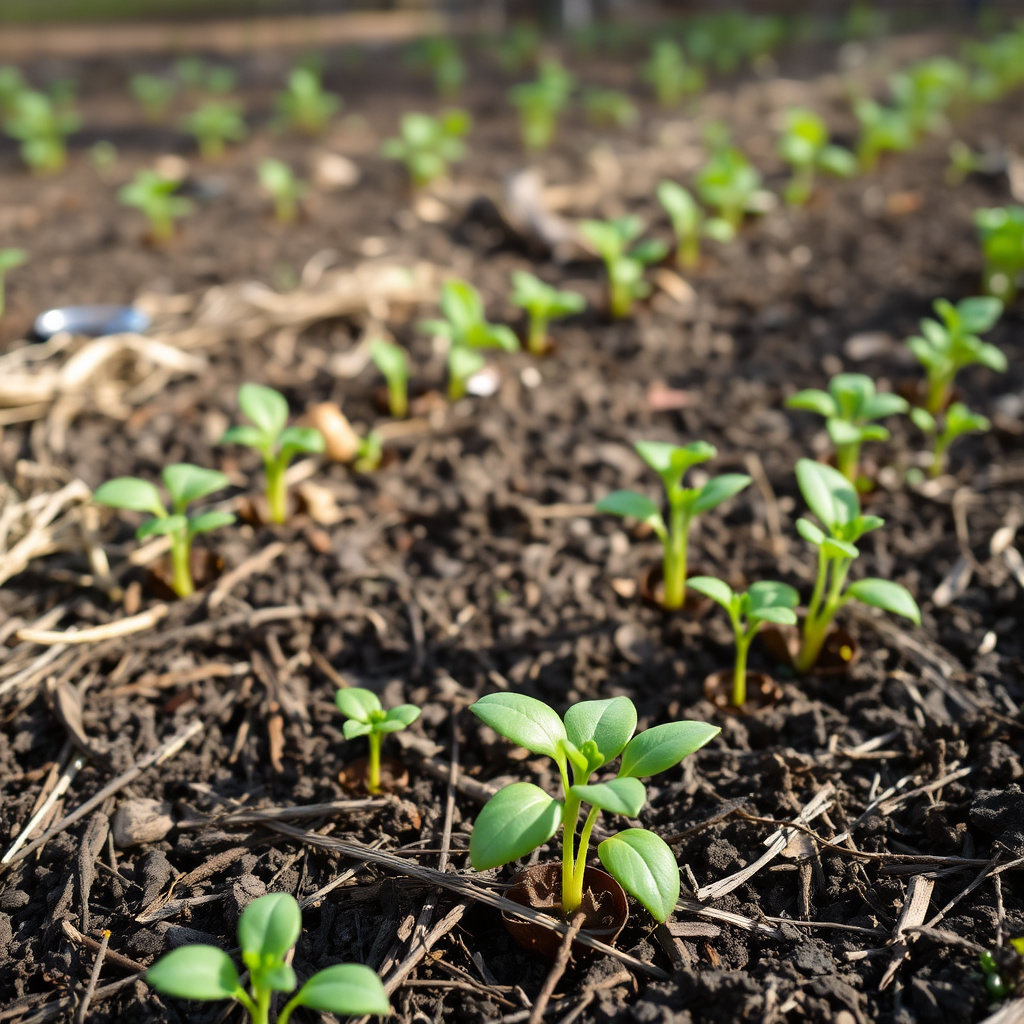
Seed Saving and Organic Seed Production
Saving seeds from your organic plants helps preserve genetic diversity and reduces dependency on suppliers. Learning seed-saving techniques maintains your garden’s sustainability long term.
Produced organic seed multiplication farms focus on maintaining seed purity and environmentally sound methods, contributing to the overall health of organic agriculture.
For more on this, see our related guide: How to Choose Fast Flowering Cannabis Seeds for Quick Harvests.
Supporting Organic Farming Communities
Purchasing organic seeds from community-supported agriculture (CSA) programs or cooperatives encourages sustainable economies. These initiatives often prioritize environmental stewardship and seed diversity.
Engaging with organic farming networks provides valuable knowledge exchange about organic seed sourcing and gardening.
Common Challenges and Solutions When Buying Organic Seeds
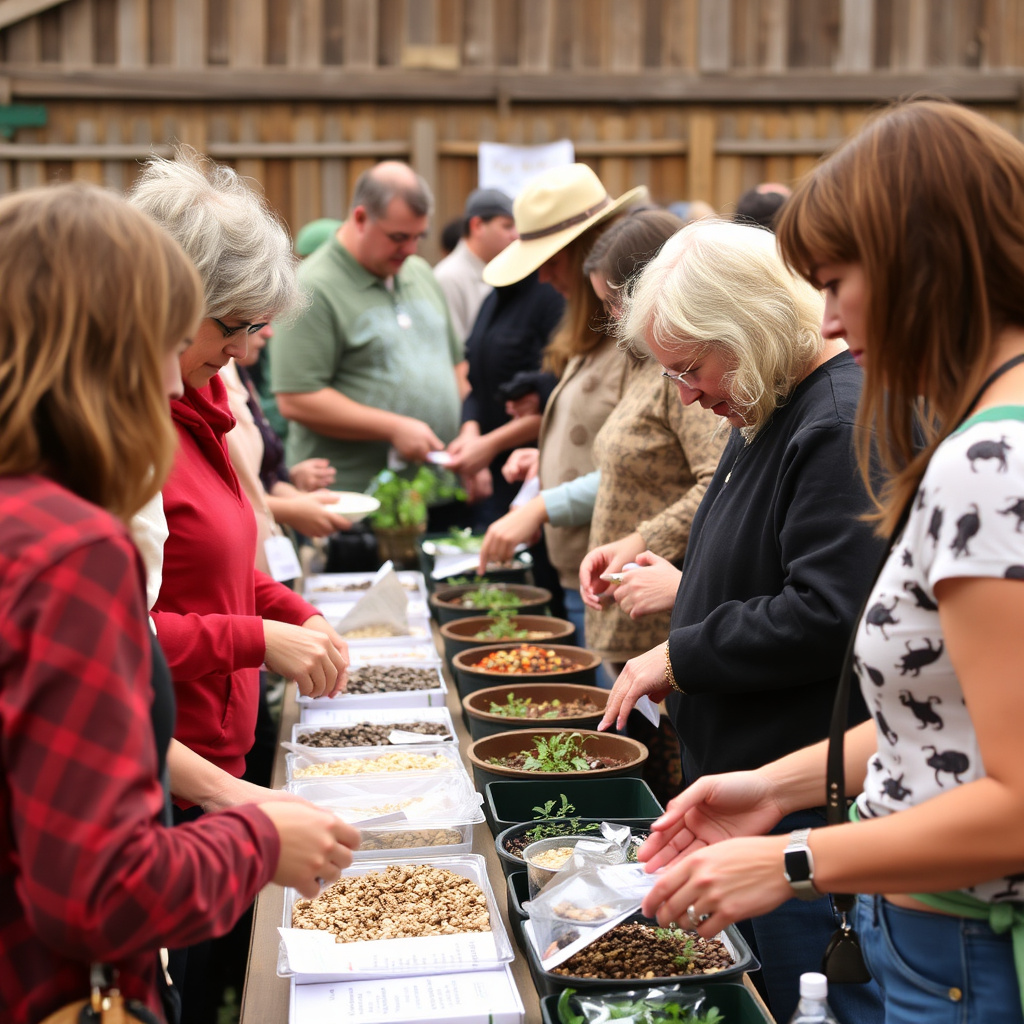
Dealing with Limited Seed Availability
Organic seeds can have limited availability for some varieties, especially rare or heirloom types. Planning ahead and ordering early helps secure preferred seeds.
Participating in seed exchanges or joining seed libraries expands access to diverse organic seed stock.
For a detailed overview of organic seed definitions and regulations, visit this page on organic seed standards. organic seed standards.
Avoiding Non-Organic Contamination
Cross-contamination risks exist when non-organic pollen fertilizes organic seed crops. Choose suppliers who implement strict isolation and testing protocols to minimize this.
Gardening with organic seeds in a dedicated organic space helps maintain purity and supports organic certification standards.
Comparison of Organic Seed Purchase Options
Here's a comparison of different outlets for buying organic seeds, highlighting availability, reliability, and cost factors.
| Option | Availability | Certification Assurance | Cost | Additional Benefits |
|---|---|---|---|---|
| Local Garden Centers | Moderate | Certified organic labeling present | $$ | In-person advice, immediate purchase |
| Online Specialized Retailers | High | Strict certification and documentation | $-$$$ | Wide variety, rare seeds |
| Community Seed Banks | Variable | Certified or community trusted | $ or free | Supports local agriculture, community engagement |
| Seed Exchanges/Swaps | Variable | No formal certification | Usually free | Diverse genetics, community connection |
Frequently Asked Questions
How can I tell if a seed is truly organic?
Look for official organic certification seals like USDA Organic on the seed packet and verify the supplier's reputation. Certifications ensure seeds were grown without synthetic chemicals.
Are heirloom seeds always organic?
Heirloom refers to seed variety and heritage, not farming practices. Heirloom seeds can be organic if grown following organic standards, but you should confirm certification.
Can organic seeds be saved and replanted each year?
Yes, especially open-pollinated or heirloom organic seeds are suitable for saving, allowing gardeners to maintain seed stock sustainably while preserving variety traits.
Do organic seeds have lower germination rates than conventional seeds?
Not necessarily. Germination depends on seed freshness and storage conditions. Certified organic seeds generally meet quality standards similar to conventional seeds.
Is it more expensive to buy organic seeds?
Organic seeds typically cost more due to certification and production costs, but the environmental and health benefits often justify the price difference for dedicated gardeners.
Key Takeaways
- Verify organic certification and supplier credibility when buying organic seeds.
- Choose seed varieties adapted to your regional and organic growing conditions.
- Explore multiple sources including local centers and trusted online retailers.
- Saving and exchanging organic seeds supports sustainable gardening practices.
Conclusion
Deciding how to buy organic seeds involves balancing authenticity, variety suitability, and supplier trustworthiness. Focusing on certified organic labels and researching vendor reputation protects your garden from mislabeled or chemically treated seeds. Understanding your gardening zone and preferences guides seed selection, culminating in healthier plants and more satisfying results.
For gardeners new to organic seeds, starting with widely available certified organic seeds from reputable online retailers or local organic centers offers reliability and convenience. Those aiming for heritage varieties or community building may benefit from seed banks and exchanges, growing not just plants but connections. Paying attention to germination rates and seed purity ensures dependable propagation season after season.
Ultimately, your best next step is to identify trusted organic seed providers and prioritize seeds suited to your climate and gardening goals. Testing small quantities before buying in bulk helps evaluate performance. By making informed purchases and possibly saving seeds over time, your garden will thrive with authentic, eco-friendly starts that reflect your commitment to organic practices.