How to Choose Seeds for a Cold Climate: A Practical Guide
Choosing seeds for a cold climate mainly means selecting varieties that can tolerate frost, have shorter growing seasons, and thrive in cooler soil temperatures. Cold-hardy seeds germinate quickly despite low soil warmth and mature before the first heavy frost hits. This approach maximizes your garden’s productivity while avoiding crop damage.
Gardeners in chilly regions face challenges like shorter summers and unpredictable freezes, affecting seed germination and plant growth. Understanding the unique requirements of cold-climate gardening helps prevent failed crops and wasted effort. Selecting the right seeds tailored for your specific cold environment is foundational for success.
This article will cover key factors for choosing seeds that perform well in cold climates, including selecting appropriate plant species, understanding germination timing, assessing seed traits for frost resistance, and practical tips on preparing your soil and garden. We'll provide detailed guidance aimed at both beginners and experienced gardeners.
Understanding Cold Climate Gardening Basics

What Defines a Cold Climate for Gardeners
For gardeners, cold climates are characterized by shorter growing seasons, typically fewer than 120 frost-free days, and frequent temperature drops below 32°F (0°C). These environmental conditions limit plant choices to those that mature quickly or are cold-tolerant.
Knowing your USDA hardiness zone or local frost dates helps anticipate weather patterns and select seeds accordingly. This information guides when to sow seeds and which varieties can survive the cold, ensuring better crop yields.
Impact of Frost on Seed Germination and Growth
Frost can damage seedlings directly or delay germination if soil temperatures remain low. Seeds that need warmer soil may rot before sprouting, while hardy seeds can germinate under cooler conditions.
Understanding frost’s effect helps with timing seed sowing either indoors or outdoors and choosing species that are frost resistant, preventing losses and promoting healthy early growth.
Selecting Cold-Hardy Seed Varieties
Vegetables Suited for Cold Climate Gardens
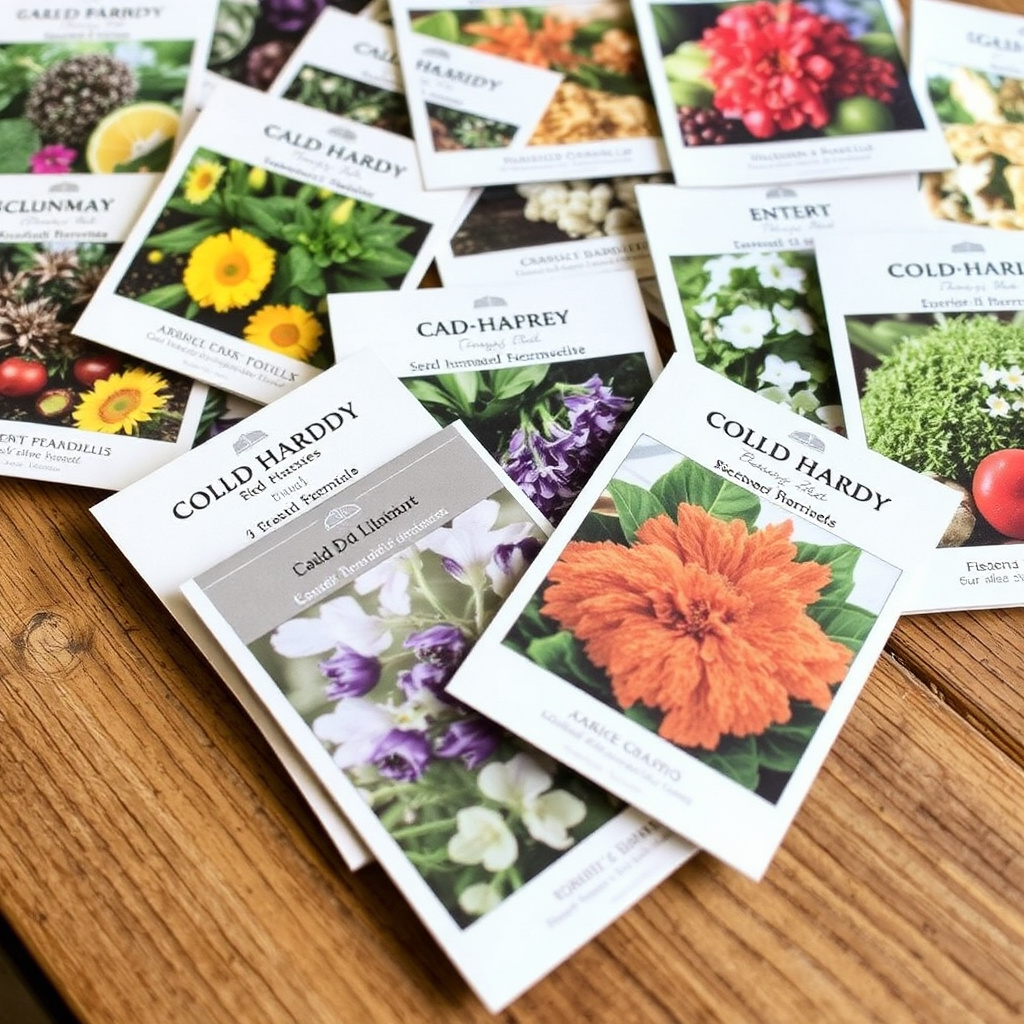
Vegetables like kale, spinach, radishes, and carrots have natural frost tolerance and short maturation periods, making them excellent choices. Peas and broccoli also thrive well in cool, short seasons.
Seeds labeled as hardy or suitable for cool weather specifically indicate their suitability for cold climates. Choosing these can increase your chances of a successful harvest despite temperature challenges.
- Kale – tolerates frost well
- Spinach – quick to germinate
- Radishes – mature in 20-30 days
- Peas – cool-season crop
Flower and Herb Seeds for Cold Weather
Certain flowers and herbs like pansies, snapdragons, chives, and parsley are more tolerant of chillier climates. Selecting seeds bred for northern climates ensures floral and herb growth isn’t stunted by cold snaps.
Adding cold-hardy flowers and herbs can diversify your garden, supporting pollinators and providing fresh ingredients, even when temperatures drop unexpectedly.
- Pansies – survive light frost
- Snapdragons – bloom early in cool weather
- Chives – hardy perennial herb
- Parsley – germinates well in cool soil
Seed Traits to Look for in Cold Climates
Frost Resistance and Germination Speed
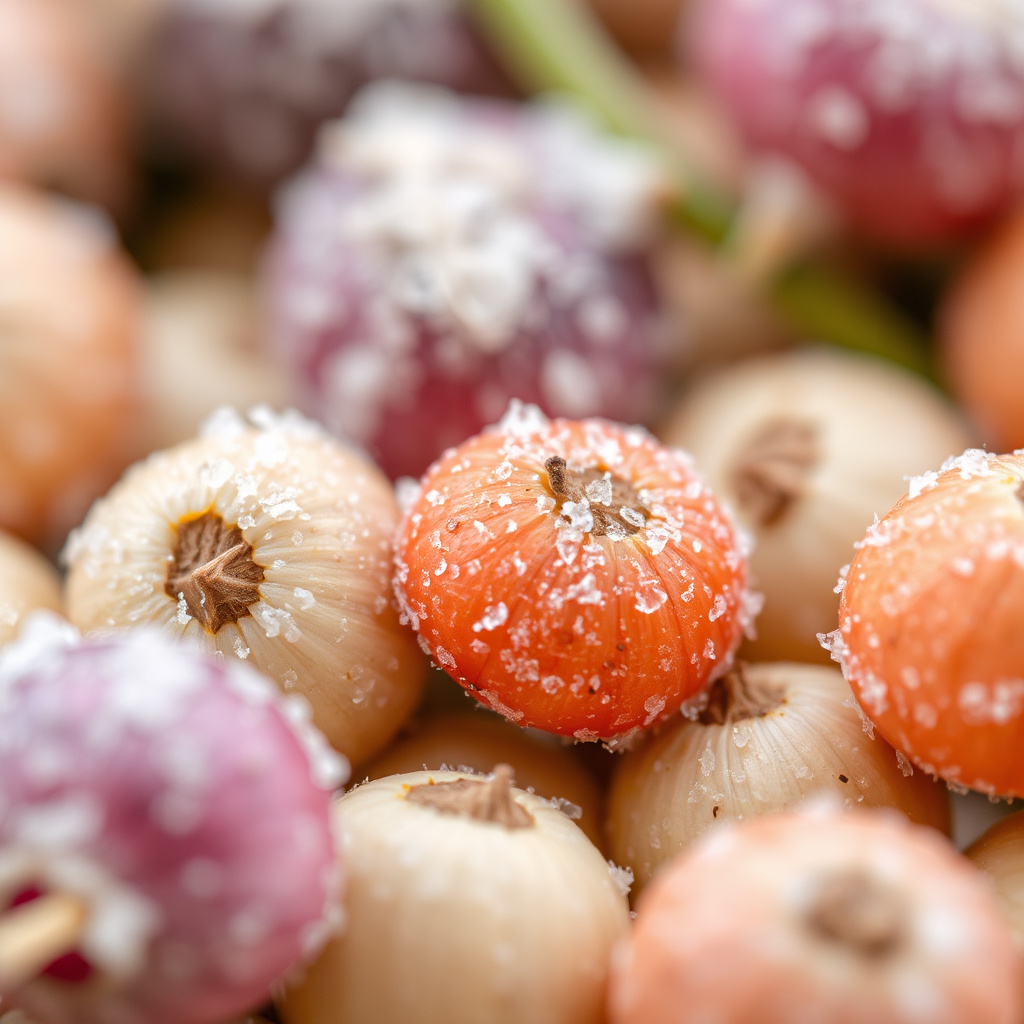
Seeds designed for cold climates often have enhanced frost resistance, preventing damage during cold snaps. Rapid germination also helps seedlings establish before harsh conditions hit.
Seed packets or supplier descriptions highlighting fast germination under low temperatures and frost tolerance guide your selections toward cultivars suited for chillier growing conditions.
For more on this, see our related guide: How to Choose Fast Flowering Cannabis Seeds for Quick Harvests.
Seed Coatings and Treatments for Cold Seeds
Some seeds come coated with protective layers that improve moisture retention and shield young roots from cold soils. Treatments may also include inoculants or nutrients to boost early growth.
Choosing coated or treated seeds can increase germination success late in the season or when planting directly in cold soil, providing a better start for your crops.
Timing and Strategies for Planting Seeds in Cold Climates
Indoor Seed Starting Versus Direct Sowing
Starting seeds indoors allows control of temperature and light, helping seedlings grow strong before moving outside after the last frost. This option suits plants that need longer seasons or warmer starts.
Direct sowing works well for extremely cold-hardy seeds that require chilling to germinate, but precise timing is essential to avoid frost damage during emergence.
Using Season Extenders and Cold Frames
Season extenders such as cold frames and row covers increase soil and air temperatures around seedlings, protecting them from frost and lengthening the growing period.
Implementing these tools can improve germination rates and plant survival by creating a microclimate more favorable for cold-weather seeds.
Soil Preparation for Successful Seed Growth in Cold Conditions

Improving Soil Warmth and Drainage
Cold soils can delay germination, so warming up garden beds by adding organic matter like compost improves heat retention and microbial activity. Good drainage prevents soggy soil that can cause seed rot in cool, wet conditions.
Using dark mulches or plastic covers also raises soil temperature early in the season, helping cold-hardy seeds sprout faster.
- Add compost for warmth
- Ensure proper drainage
- Use dark mulch to absorb heat
For more on this, see our related guide: Cannabis Seeds vs Clones: Which Is Best for Your Grow Operation?.
Balancing Soil Nutrients for Early Growth
Cold soil often limits nutrient availability, so starting with a balanced fertilizer provides essential nutrients for young plants. Nitrogen supports leafy growth, while phosphorus aids strong root development, vital for cold-tolerant seedlings.
Soil testing helps customize amendments, making sure your seeds have the best nutritional environment to thrive from germination.
Storing and Handling Seeds for Cold Climates

Proper Seed Storage Conditions
Seeds meant for cold climates still require dry, cool storage to maintain viability. Exposure to moisture or fluctuating temperatures reduces germination rates and can promote mold growth.
Using airtight containers in a refrigerator or consistent cool room prolongs seed life, giving you reliable performance season after season.
For more detailed information on agriculture in cold climates, you can explore this resource on cold climate gardening. cold climate gardening.
Preparing Seeds Before Planting
Some cold-weather seeds need pre-treatment such as scarification or stratification to break dormancy. Scarification scratches tough seed coats, and stratification simulates winter chilling, speeding up germination.
Following seed packet instructions for these treatments improves germination success specific to cold climate varieties.
- Scarification for hard-coated seeds
- Cold stratification for dormancy break
Cold Climate Seed Categories Comparison
This comparison highlights common seed categories suited for cold climates, focusing on frost tolerance, days to maturity, and ideal soil temperatures.
| Seed Category | Frost Tolerance | Days to Maturity | Ideal Soil Temperature (°F) |
|---|---|---|---|
| Leafy Greens (e.g., spinach, kale) | High | 30-60 | 40-55 |
| Root Vegetables (e.g., radish, carrot) | Moderate | 25-70 | 45-60 |
| Legumes (e.g., peas) | High | 50-70 | 45-60 |
| Herbs (e.g., chives, parsley) | Moderate | 60-90 | 50-65 |
| Flowers (e.g., pansies, snapdragons) | Moderate | 60-90 | 50-65 |
Frequently Asked Questions
Can I use any seeds in a cold climate if I start them indoors?
Starting seeds indoors helps with warmth during germination, but selecting seeds suited for cold climates is still important. Some plants require long, warm growing seasons that even early indoor starting cannot fully compensate.
How do I know my soil temperature for planting?
Using a soil thermometer is the best way to measure soil temperature. Ideal times to plant cold-hardy seeds generally occur when soil remains consistently above their minimum temperature needs.
What are the signs of seed failure in cold soil?
If seeds don’t sprout within their expected timeframe, or seedlings appear weak and pale, it often indicates poor germination due to cold, wet soil or frost damage. Adjusting timing or seed selection can help.
Are there fast-growing seeds ideal for short summers?
Yes, seeds like radishes, lettuce, and spinach mature quickly, often within 30 days, fitting short growing seasons common in cold climates.
Is pre-soaking seeds useful in cold climates?
Pre-soaking certain seeds softens seed coats and accelerates germination, which can be beneficial in cool soil to jumpstart growth.
Key Takeaways
- Choose cold-hardy seeds that tolerate frost and have short growing seasons.
- Understand local frost dates and soil temperatures before planting.
- Use season extenders and proper soil preparation to improve seed germination.
- Store and treat seeds correctly to maintain viability and boost growth.
Conclusion
When selecting seeds for a cold climate, the main goal is to align your plant choices with environmental constraints such as short growing seasons and low temperatures. Emphasizing frost-resistant, quick-maturing varieties ensures your garden will produce despite the chill. Using local climate data and understanding soil conditions will give you a solid foundation for making informed seed choices.
For practical steps, leafy greens like kale and spinach, root vegetables such as radishes, and cold-tolerant legumes like peas provide solid starting points for your garden. Incorporating cold-season herbs and flowers can enhance your garden’s diversity and resilience. Techniques like indoor seed starting, using cold frames, and improving soil warmth significantly boost your success rate with challenging climate conditions.
Moving forward, prepare your seed order by focusing on varieties labeled for cold climates or shorter growing times, and invest in tools like soil thermometers to time your plantings effectively. Testing a few different seed types and adjusting strategies based on results will ultimately guide you toward a thriving cold-weather garden.