Is CBD Legal Federally? Understanding the Legal Status of CBD in the U.S.
CBD, or cannabidiol, is federally legal in the United States when derived from hemp containing less than 0.3% THC, as established by the 2018 Farm Bill. This legislation removed hemp and its derivatives from the Controlled Substances Act, allowing CBD products meeting these criteria to be sold across states without federal penalty.
Despite federal legalization, CBD's legal landscape is complex because the Food and Drug Administration (FDA) has not yet fully approved CBD as a dietary supplement or food additive. This creates ongoing regulatory uncertainty regarding labeling, marketing, and product claims. Additionally, each state enforces its own rules, which means CBD's legality can vary widely depending on local laws.
This article explains the current federal laws governing CBD, how they interact with state laws, and what consumers should know before purchasing or using CBD products. It covers the effects of the Farm Bill, FDA oversight, state discrepancies, and practical guidance for legal compliance.
Federal Legislation Impacting CBD Legal Status

The 2018 Farm Bill and Hemp Regulation
The Agriculture Improvement Act of 2018, commonly called the Farm Bill, was pivotal in legalizing industrial hemp nationwide. It defines hemp as cannabis with less than 0.3% THC by dry weight and removes hemp and hemp-derived substances from the list of controlled substances. This made hemp-derived CBD federally legal provided it meets THC limits.
This federal shift opened the door for CBD products derived from hemp to enter the market legally. However, while the Farm Bill legalized production and interstate commerce, it did not grant full clearance for CBD use in food or supplements, leaving regulatory authority to agencies like the FDA.
FDA's Role and Regulatory Challenges
The FDA regulates food, drugs, and supplements, and currently does not recognize CBD as a legal dietary supplement or food additive. The FDA allows one FDA-approved CBD drug (Epidiolex) for seizure disorders but prohibiting unapproved CBD in food or supplements creates a legal gray area for manufacturers and consumers.
Because of this, many CBD products lack FDA oversight or quality control approval, which causes confusion and risk. Also, the FDA has warned companies about illegal marketing claims regarding CBD's health benefits or therapeutic effects, emphasizing that compliance is still evolving.
State Laws and Variations in CBD Legality

Divergent State Regulations
While CBD may be federally legal when derived from hemp, individual states maintain their own laws which can range from nearly unrestricted sales to strict prohibitions. Some states allow CBD only with medical marijuana authorization, while others have no restrictions on hemp-derived CBD products.
This patchwork of regulations requires consumers and businesses to understand their specific state's stance. For example, states like California and Colorado have embraced CBD sales widely, while some southern states impose stricter rules or require registration.
- States with comprehensive hemp-CBD regulations
- States with medical marijuana-only CBD provisions
- States prohibiting some or all CBD products
For more on this, see our related guide: Are Cannabis Seeds Legal in the USA? Understanding the Legal Landscape.
Influence of THC Content on Legality
State laws often tie legality to the THC content of CBD products. While hemp must contain less than 0.3% THC federally, some states have even lower thresholds or zero-tolerance policies that affect whether CBD products are legal.
Products containing higher THC concentrations are usually classified as marijuana and subject to stricter regulation and licensing. This distinction is critical for manufacturers and consumers to avoid inadvertent legal violations.
Quality and Safety Considerations within Legal Frameworks
Third-Party Testing and Transparency
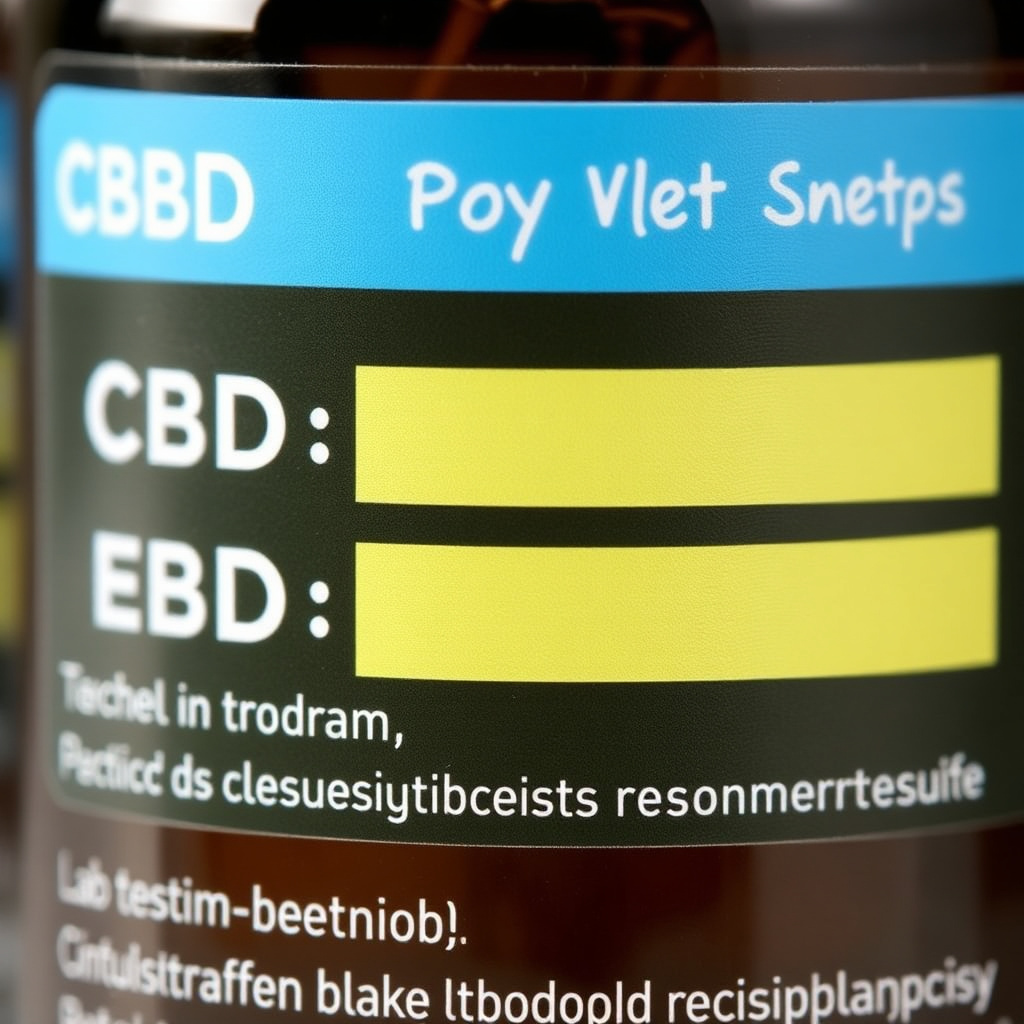
Due to the FDA's limited oversight, third-party lab testing has become a key way to verify CBD product quality and safety. Testing confirms cannabinoid content, checks for contaminants like heavy metals or pesticides, and verifies THC levels.
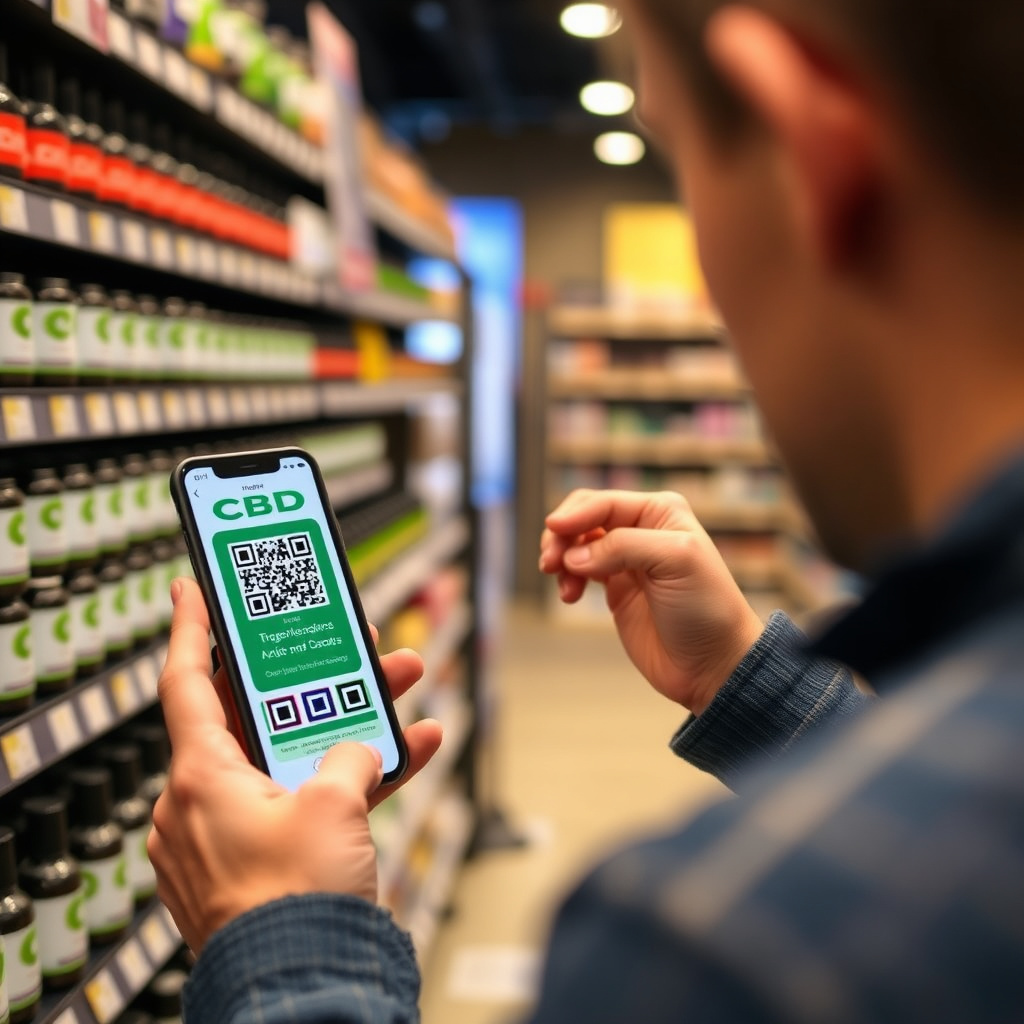
Consumers should look for products with accessible Certificate of Analysis (COA) reports from accredited labs to ensure the CBD matches label claims and to avoid harmful substances.
- Cannabinoid potency verification
- Toxin and contaminant screening
- THC content validation
Labeling and Marketing Compliance
Under federal rules, marketing claims about CBD’s ability to treat conditions must be approved by the FDA, which most products lack, leading to cautionary statements or disclaimers on labels. Misleading or unsubstantiated claims can attract regulatory action.
Proper labeling also includes accurate dosage information, ingredient lists, and clear indication of hemp origin. Complying with these standards helps maintain trust and reduces legal challenges.
Practical Advice for Buying CBD Legally
Verifying Product Legality and Compliance
Before purchasing CBD, buyers should confirm the product comes from federally legal hemp strains and contains under 0.3% THC. Checking the COA and retailer reputation can help verify this. Avoid products sourced from marijuana with higher THC unless legally allowed in your state.
Consumers should also research local laws via state government health or agriculture departments to assure compliance, especially if ordering online or traveling with CBD products.
Common Pitfalls to Avoid
Watch out for products marketed as cures or treatments, which can be illegal without FDA approval. Be cautious with inexpensive or bulk CBD products without transparent lab testing, which may be contaminated or mislabeled.
Avoid buying CBD from unlicensed sources or crossing state lines with non-compliant products to reduce legal risk and safeguard health.
Future Trends in Federal CBD Regulation
Prospects for FDA Approval Expansion
The FDA signals ongoing research and engagement to create clearer rules around CBD’s use in food and supplements, potentially expanding legal categories beyond pharmaceuticals. New draft guidance and hearings emphasize balancing safety with consumer access.
Significant policy changes may emerge as scientific evidence clarifies CBD’s effects and safety profile, possibly altering legal frameworks nationwide.
For detailed historical and current information on CBD's legal status, see the comprehensive article on cannabidiol at Wikipedia. Cannabidiol (CBD) legal status on Wikipedia.
Legislative Moves and Public Opinion
Congressional bills have been introduced aiming to codify CBD’s legality further and reduce regulatory barriers. Public demand continues to influence lawmakers as CBD’s popularity grows for wellness and medical use.
Future legal clarity will likely involve coordinated federal and state action, improving uniformity and consumer protections.
Comparison of CBD Legal Categories Across States
This table highlights types of CBD legality variations in major U.S. state categories to help understand access and restrictions.
| Category | Federal Status | Typical State Policy | THC Limit | Retail Availability |
|---|---|---|---|---|
| Hemp-derived CBD | Legal under Farm Bill | Generally allowed | Under 0.3% | Widespread in retail stores |
| Medical marijuana CBD | Varies by state | Allowed with prescription | Varies, often higher | Dispensaries only |
| Recreational marijuana CBD | Illegal federally | Legal in some states | Often above 0.3% | Licensed retailers |
| CBD with unregulated THC | Illegal federally | Prohibited or restricted | Higher than 0.3% | Limited or banned |
| CBD in supplements/food | FDA restricted | Patchy enforcement | Varies | Online and specialty stores |
Frequently Asked Questions
Is all CBD legal federally in the U.S.?
No, only CBD derived from hemp containing less than 0.3% THC is federally legal under the 2018 Farm Bill. CBD sourced from marijuana plants remains federally illegal.
Can I buy CBD products online and have them shipped anywhere?
Shipping CBD products is legal if they comply with federal hemp laws, but state restrictions vary. Some states prohibit or limit delivery, so buyers should check local laws before ordering.
Does the FDA approve CBD in food or supplements?
Currently, the FDA does not approve CBD as a food additive or dietary supplement, limiting products' legal claims. Only one CBD drug is FDA-approved for medical use.
How can I verify if a CBD product is safe and legal?
Look for third-party lab test results confirming THC content under 0.3%, absence of contaminants, and accurate labeling. Verify the product is hemp-derived and complies with your state laws.
Do state laws affect federal legality of CBD?
State laws do not override federal law but can impose additional restrictions or allowances on CBD use and sales, creating a complex legal landscape for consumers.
Key Takeaways
- CBD derived from hemp with less than 0.3% THC is federally legal under the 2018 Farm Bill.
- FDA has not approved CBD for food or supplements, causing regulatory uncertainties.
- State laws vary widely, affecting CBD’s local legal status and availability.
- Third-party testing and transparent labeling are essential for safe, legal CBD use.
Conclusion
Understanding the federal legal status of CBD begins with the 2018 Farm Bill’s legalization of hemp-derived products containing less than 0.3% THC. This reform marked a major policy shift that opened commercial markets and normalized many CBD items but did not resolve all regulatory complexities. The FDA’s cautious stance on CBD in foods and supplements means that federal oversight remains incomplete, and federal law is still evolving. Additionally, the patchwork of state laws means that legality depends not only on federal rules but also on where you live or sell CBD products. Approaching CBD legality with careful attention to these factors helps prevent legal issues and ensures responsible use.
For most consumers and businesses interested in CBD, understanding these federal and state distinctions matters most. Hemp-derived CBD offers the broadest access and legality, particularly in states with supportive regulations. Medical marijuana states provide additional access but with tighter controls linked to THC content and prescription requirements. Consumers should prioritize buying products with COAs from trustworthy sources and ensure they comply with both federal THC thresholds and their home state’s laws. Businesses and consumers alike should stay informed of FDA policies, which may change as research progresses and legal clarity improves.
Practically speaking, if you are buying or selling CBD, the first step is to verify the source as hemp with low THC, examine third-party test results, and consult current local laws. Avoiding unsubstantiated health claims and illegal product forms protects you from enforcement risks. Future regulatory shifts may clarify CBD's legal position further, but for now, caution and due diligence remain necessary. Taking these steps helps you safely integrate CBD products into your wellness routine or business while respecting the legal landscape.