How to Choose Seeds for Flavor: A Practical Guide to Selecting the Best Seeds
To choose seeds for flavor, prioritize varieties known for their rich taste and aroma rather than just yield or appearance. Flavorful seeds often come from heirloom or specialty cultivars that have been bred or selected specifically for their taste profiles. Look for seed descriptions that mention taste characteristics, and consider advice from growers or seed catalogs focused on culinary quality.
Flavor matters because the seeds you plant can significantly influence the taste of your homegrown fruits, vegetables, and herbs. Seeds with strong, unique flavors elevate the quality of your harvest and can transform ordinary dishes. Since flavor varies not only by variety but also by growing conditions, selecting the right seeds is just the first step toward exceptional tasting produce.
This article explores how to identify seeds with superior flavor, factors influencing seed taste, seed sources known for flavorful varieties, and practical tips for planting and harvesting to preserve flavor. By the end, you'll be equipped to pick seeds that make your garden's produce as delicious as possible.
Understanding Seed Flavor Profiles
What Determines Seed Flavor?
Seed flavor is shaped by the genetic makeup of the plant variety and the environmental conditions during growth. Certain seeds contain oils, sugars, or compounds like essential oils that contribute complex aromas and distinct tastes. The seed coat, size, and maturity at harvest also influence flavor intensity.
For example, cumin seeds have a warm, earthy flavor due to their essential oils, while fennel seeds offer a sweet, licorice-like note from their anethole compound. Recognizing these chemical contributors helps in choosing seeds by flavor purpose—for savory spice blends or sweet aromatic uses.
Common Flavor Profiles in Culinary Seeds
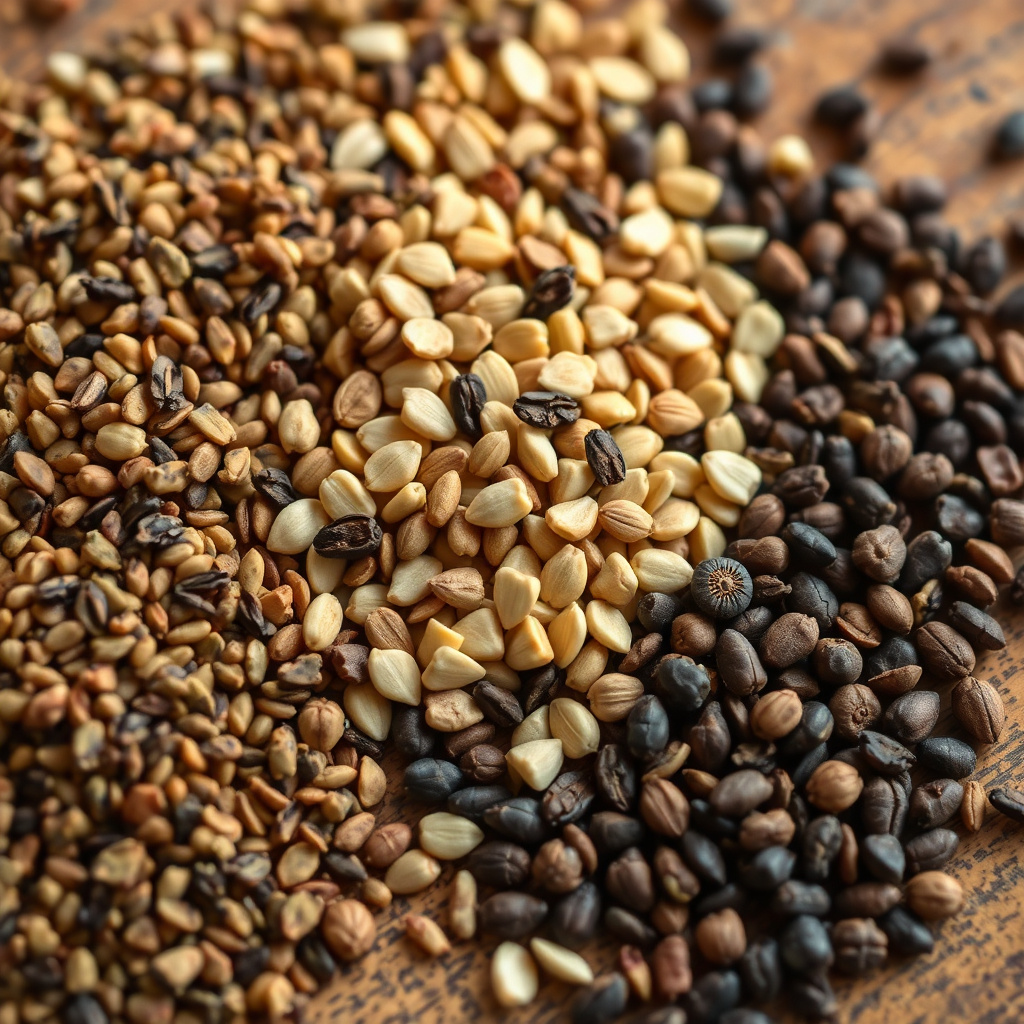
Seeds used in cooking often fall into flavor categories such as nutty, pungent, sweet, or spicy. Mustard seeds provide heat and sharpness; coriander seeds deliver citrusy undertones; caraway seeds offer a slightly bitter, herbal taste. Knowing these profiles enables pairing seeds thoughtfully with recipes.
Selecting seeds that match desired flavor notes improves culinary outcomes. For example, black sesame seeds carry a toasted aroma ideal for enriching baked goods, while anise seeds’ sweet licorice taste suits desserts. Understanding these flavors guides purposeful seed selection in gardening or cooking.
- Nutty: sesame, sunflower
- Spicy/pungent: mustard, cumin
- Sweet/aromatic: fennel, anise
- Herbal/bitter: caraway, dill
Choosing Seeds Based on Variety and Source

Heirloom vs Hybrid Seeds for Flavor
Heirloom seeds are prized for their rich, authentic flavors developed over generations. They tend to maintain consistent taste qualities true to their original lineage. Hybrids, bred for yield or disease resistance, may sacrifice flavor for other traits, resulting in milder or less distinctive tastes.
If flavor is your priority, heirloom seeds often provide the best results, especially for herbs, tomatoes, and peppers. However, some hybrids have been specifically selected for flavor, so reviewing seed descriptions is important. Balancing taste with other garden needs influences seed choice.
- Heirlooms: strong, traditional flavors
- Hybrids: improved vigor, some flavor loss
- Specialty hybrids may focus on taste
Reliable Seed Sources for Flavorful Varieties
Seed companies specializing in organic, heirloom, or heritage varieties often list detailed flavor profiles in their catalogs. Farmers markets, local seed swaps, and university extensions can also be sources of seed with tested taste results. Customer reviews and gardening forums are valuable for insight on flavor quality.
Choosing seeds from reputable sources guarantees freshness and flavor integrity. Fresh seeds germinate better and produce plants that express full flavor potential. Prioritize suppliers committed to preserving seed quality and varietal accuracy to enhance your culinary garden.
- Organic/heirloom seed companies
- Local seed exchanges
- University extension seed catalogs
- Online reviews and gardening forums
Practical Tips for Selecting Flavorful Seeds
Reading Seed Labels for Flavor Clues
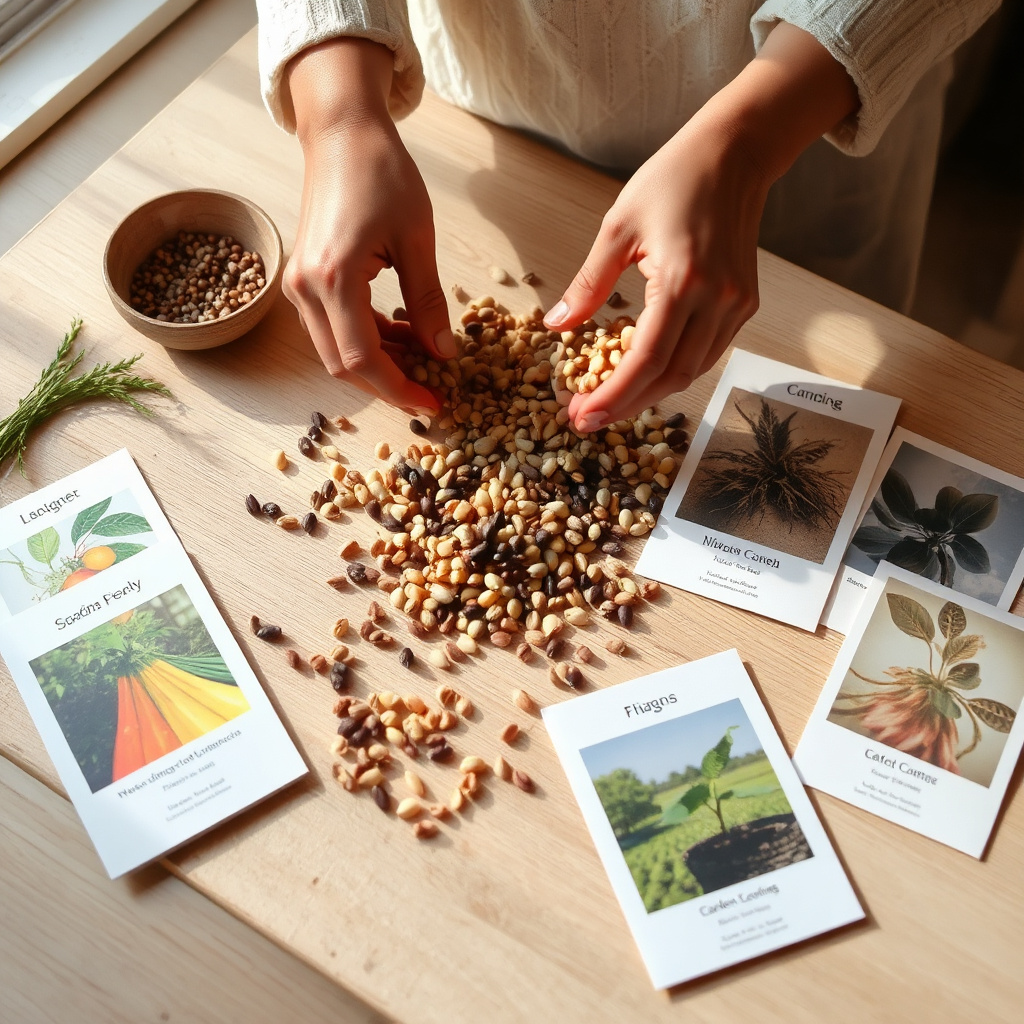
Seed packets and catalogs often provide flavor notes, maturity days, and plant use suggestions. Look specifically for keywords like 'sweet,' 'spicy,' 'aromatic,' or 'rich flavor.' Detailed descriptions can help distinguish between varieties that look similar but taste different.
Some seed brands also offer tasting notes from chefs or grower testimonials. These hints can help narrow choices. When flavor detail is missing, researching the variety name online can uncover further sensory information.
- Look for flavor descriptors on seed packets
- Check variety-specific taste reviews online
- Note maturity times affecting flavor development
For more on this, see our related guide: Cannabis Strain Comparison: How to Choose the Right Strain for Your Needs.
Testing Small Batches Before Committing
Growing a few plants from different seed varieties lets you sample and compare flavors directly. This hands-on trial method avoids investing heavily in less flavorful seeds. It also provides learning about how your garden environment affects taste.
Control variables such as soil quality and watering to fairly evaluate flavor differences based solely on seed genetics. Record observations in a garden journal to track which seeds produce the best taste in your climate.
- Plant small test plots of multiple varieties
- Record flavor outcomes and growth notes
- Choose seeds best suited to your taste preferences
Storing and Handling Seeds to Preserve Flavor
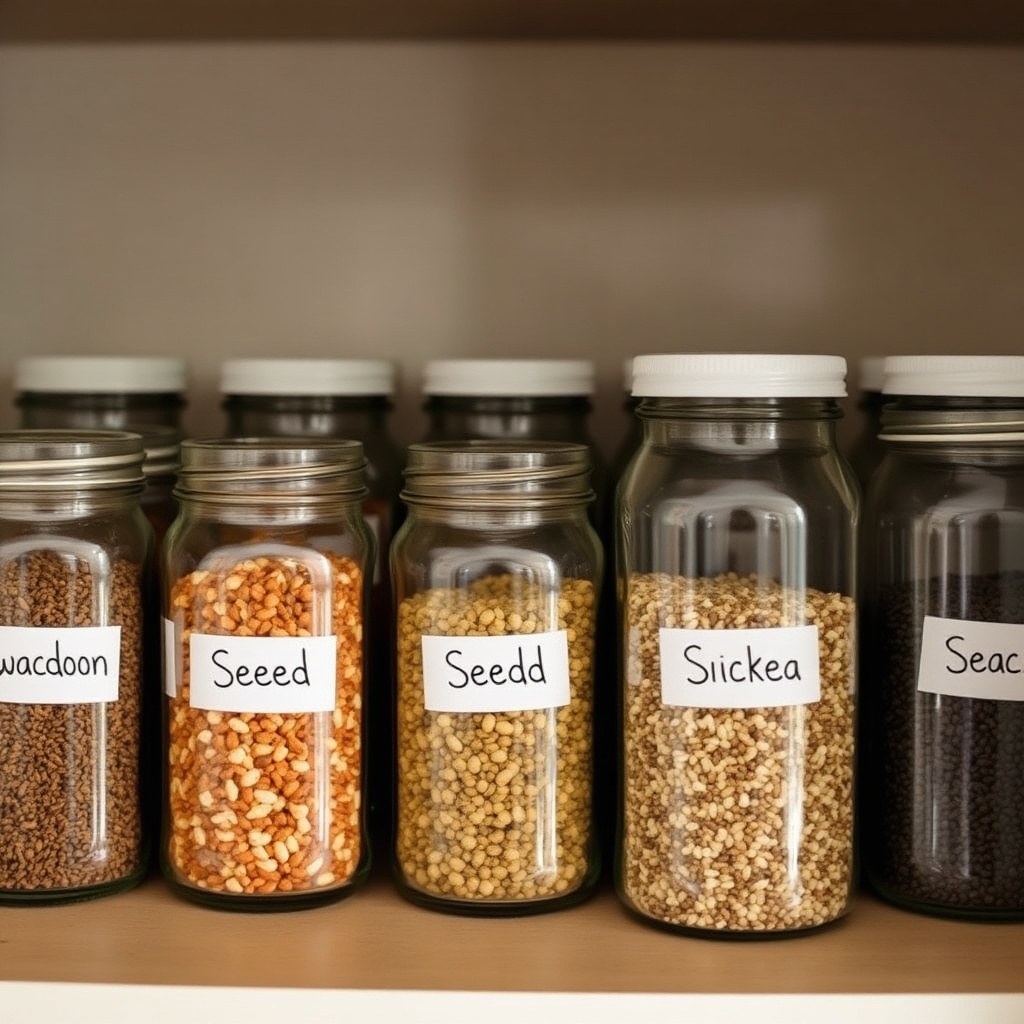
Proper Seed Storage Methods
Storing seeds correctly before planting is essential to maintain germination rates and flavor potential. Seeds should be kept in a cool, dry, and dark environment, ideally in airtight containers. Moisture and heat degrade seed oils and flavor compounds, causing diminished taste in the harvest.
Using desiccants like silica gel packs can help control humidity. Seed storage in a refrigerator set around 40°F (4°C) is commonly recommended for long-term freshness. Always label storage containers with seed type and date bought to avoid confusion.
- Store in airtight jars or sealed packets
- Keep seeds cool and dry, away from light
- Use silica gel packets for moisture control
- Label seed types and purchase dates
Minimizing Flavor Loss During Handling
Handle seeds gently to avoid damaging the seed coat, which can expose sensitive internal oils that contribute to flavor. Avoid prolonged exposure to air and heat during sorting, planting, and storage. Freshly harvested seeds retain the strongest flavor profiles if dried and stored promptly.
Using clean tools and gloves can prevent contamination and preserve seed health. When cooking with seeds, lightly toasting just before use maximizes aroma and flavor without burning the oils.
- Avoid crushing or bruising seeds
- Minimize time seeds spend exposed to air
- Toast seeds lightly before cooking to release flavors
Growing Conditions Impacting Flavor
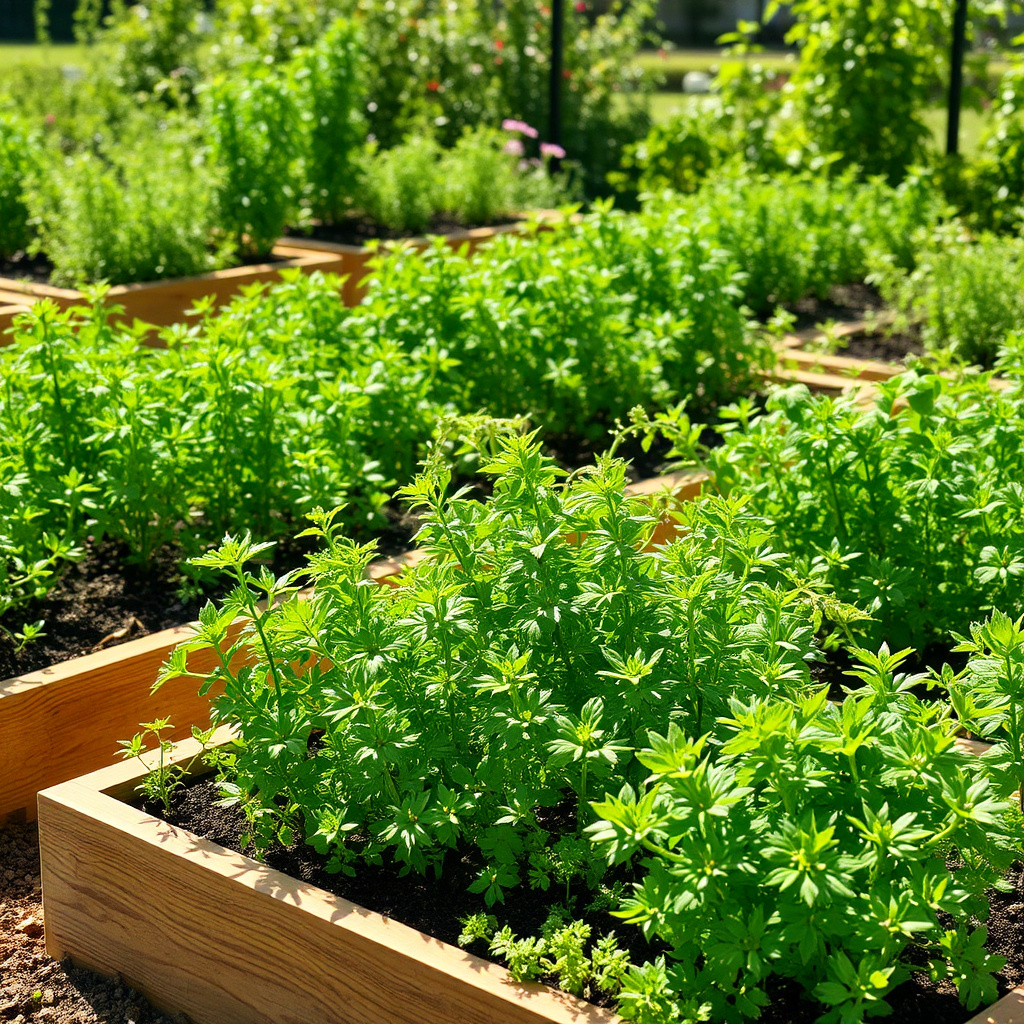
Soil Quality and Nutrition Effects
Soil composition directly affects plant health and flavor expression in seeds and produce. Rich, well-drained soil with balanced nutrients supports development of essential oils and sugars responsible for seed flavor. Over-fertilization can dilute taste by promoting excessive foliage over seed quality.
Incorporating organic matter and maintaining appropriate pH levels tailored to the specific plant species encourages robust flavor development. Each plant type may have unique nutrient needs impacting its seed taste profile.
- Use organic compost for balanced fertility
- Monitor soil pH and adjust as needed
- Avoid excess nitrogen that reduces flavor concentration
For more on this, see our related guide: How to Choose Cannabis Strains for Your Perfect Experience.
Climate and Harvest Timing Influence
Temperature, sunlight, and water availability influence the potency of flavor compounds in seeds. Hot, sunny conditions often increase essential oil concentration, enhancing seed aroma and taste. Conversely, stress conditions like drought can sometimes intensify flavors but reduce yield.
Harvesting seeds at peak maturity ensures full flavor development. Immature seeds may taste bland or bitter, while overripe seeds can lose aromatic oils. Accurate timing guided by seed color and firmness cues is pivotal.
- Aim to harvest seeds when fully mature
- Grow plants in sunny, warm locations for richer flavor
- Balance watering to avoid stress impacting taste
Using Seeds in Cooking to Maximize Flavor
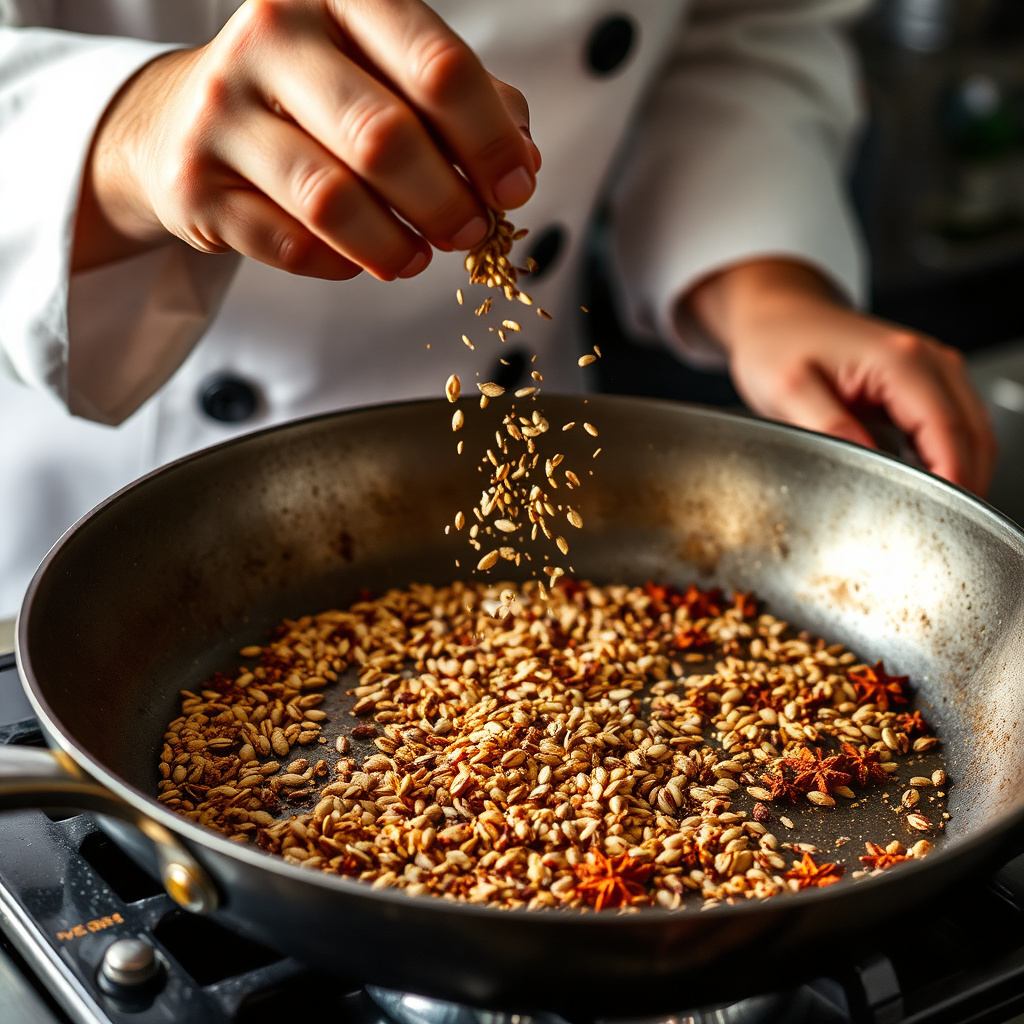
Preparation Techniques with Seeds
To bring out the full flavor of seeds in cooking, techniques like toasting, grinding, or soaking can be used. Toasting seeds lightly in a dry pan releases fragrant oils and deepens taste, while grinding can intensify flavor release when used in spice blends or baking.
Some seeds, such as fennel or sesame, benefit from soaking or wet processing, which mellows bitterness and improves digestibility, subtly changing flavor profiles. Experimenting with preparation methods can transform seeds’ culinary impact.
- Toast seeds over low heat until fragrant
- Grind seeds for fresh spice blends
- Soak certain seeds to reduce bitterness
For additional information on seed varieties and preservation techniques, consult this resource about seed saving and varieties. Seed saving and varieties explained.
Complementary Flavor Pairings
Certain seeds pair naturally with herbs, spices, or foods that enhance their characteristic flavors. For example, coriander seeds complement cumin and chili in curried dishes, while sesame goes well with soy and garlic in Asian cuisine. Pairing strengthens overall dish flavor.
Understanding these culinary relationships helps decide which seeds to grow for particular recipes, matching your garden harvest to favorite meals. Cooking from garden-fresh seeds elevates meals with authentic flavor depth.
- Coriander pairs well with cumin and chili
- Sesame complements soy sauce and garlic
- Fennel and anise enhance sweet baked goods
Seed Variety Flavor Profile Comparison
This table compares popular seed categories by flavor intensity, ideal uses, and ease of growth to help you pick the right seeds for flavor.
| Seed Type | Flavor Profile | Ideal Culinary Uses | Ease of Growing | Recommended Varieties |
|---|---|---|---|---|
| Cumin | Warm, earthy, pungent | Spices, curries, stews | Moderate | Royal Cumin, White Cumin |
| Fennel | Sweet, licorice-like | Baking, teas, sausages | Easy | Florence, Bronze Fennel |
| Mustard | Sharp, spicy, pungent | Condiments, pickling | Easy | Yellow Mustard, Brown Mustard |
| Sesame | Nutty, aromatic | Baking, oils, garnishes | Moderate | White Sesame, Black Sesame |
| Coriander | Citrusy, aromatic | Curries, spice blends | Easy | Santo, Calypso |
| Caraway | Herbal, slightly bitter | Baking, cheese, sauerkraut | Moderate | Daucus, Jantar |
Frequently Asked Questions
How does seed freshness affect flavor?
Fresh seeds have higher oil content and preserve flavor compounds better, producing more aromatic and flavorful plants or spices. Older seeds often lose oils, resulting in bland or stale tastes in both garden produce and culinary use.
Can I save seeds from plants to get the same flavor next season?
Yes, saving seeds from heirloom or open-pollinated plants maintains flavor traits across generations, but hybrids may not reproduce true-to-type flavor. Proper seed storage also preserves their tasting quality for future planting.
What is the best way to store seeds to keep their flavor intact?
Store seeds in cool, dry, and dark places inside airtight containers. Using refrigeration and moisture absorbers like silica gel helps maintain both seed viability and flavor compounds over time.
Are there seeds better suited for beginners wanting flavorful plants?
Seeds like fennel, mustard, and coriander are generally easy to grow and offer notable flavor, making them ideal for beginner gardeners interested in cultivating tasty plants. Choosing locally adapted varieties also helps success.
Does organic seed guarantee better flavor?
Organic seeds are produced without synthetic chemicals, often resulting in healthier plants, but flavor depends more on variety and growing conditions than certification alone. Some organic heirloom seeds excel in flavor due to natural breeding.
Key Takeaways
- Select heirloom or specialty varieties for richer seed flavors.
- Check seed descriptions and reviews for flavor insights before buying.
- Proper storage preserves seed viability and flavor potential.
- Growing conditions and harvest timing greatly affect seed taste.
Conclusion
Choosing seeds for flavor requires focusing on varieties with strong genetic taste traits, understanding how environment influences flavor expression, and sourcing seeds known for culinary quality. Prioritizing heirloom varieties often yields more distinctive flavors, but evaluating every seed by its intended use and growing conditions is critical. The approach balances flavor with plant vigor and garden goals, empowering flavorful harvests.
For those seeking hands-on flavor results, growing small test plots of heirloom seeds such as fennel, mustard, or cumin will give direct experience with taste differences. Seed sources specializing in organic and heritage lines provide reliable options. Paying close attention to soil health, sun exposure, and harvest timing further amplifies seed flavor. Combining these factors releases the fullest aroma and intensity from your garden’s seeds.
Begin by selecting seeds from reputable suppliers with flavor details and planting a few varieties matching your favored culinary profiles. Keep detailed notes on results, adjust care as needed, and experiment with preparation methods like toasting to highlight seed taste. This patient, iterative process rewards you with vibrant, flavorful plants and satisfying cooking ingredients.