Are Cannabis Seeds Illegal? Understanding the Legal Landscape
Cannabis seeds occupy a complex legal gray area that varies significantly depending on where you live. In many jurisdictions, possessing or selling cannabis seeds is legal as long as they are not germinated, while in others, any involvement with the seeds can be treated as illegal. Understanding local laws is essential to avoid potential legal trouble.
This ambiguity largely comes from the difference between seeds as a botanical item and their purpose in cultivating cannabis plants that produce controlled substances. Since cannabis legality differs worldwide, the status of seeds can shift from unrestricted plant products to controlled items under drug regulations.
This article explores the question 'are cannabis seeds illegal?' by breaking down legal distinctions by region, explaining the rationale behind laws, identifying common restrictions, and outlining what buyers should know before acquiring cannabis seeds.
Legal Status of Cannabis Seeds in Different Countries
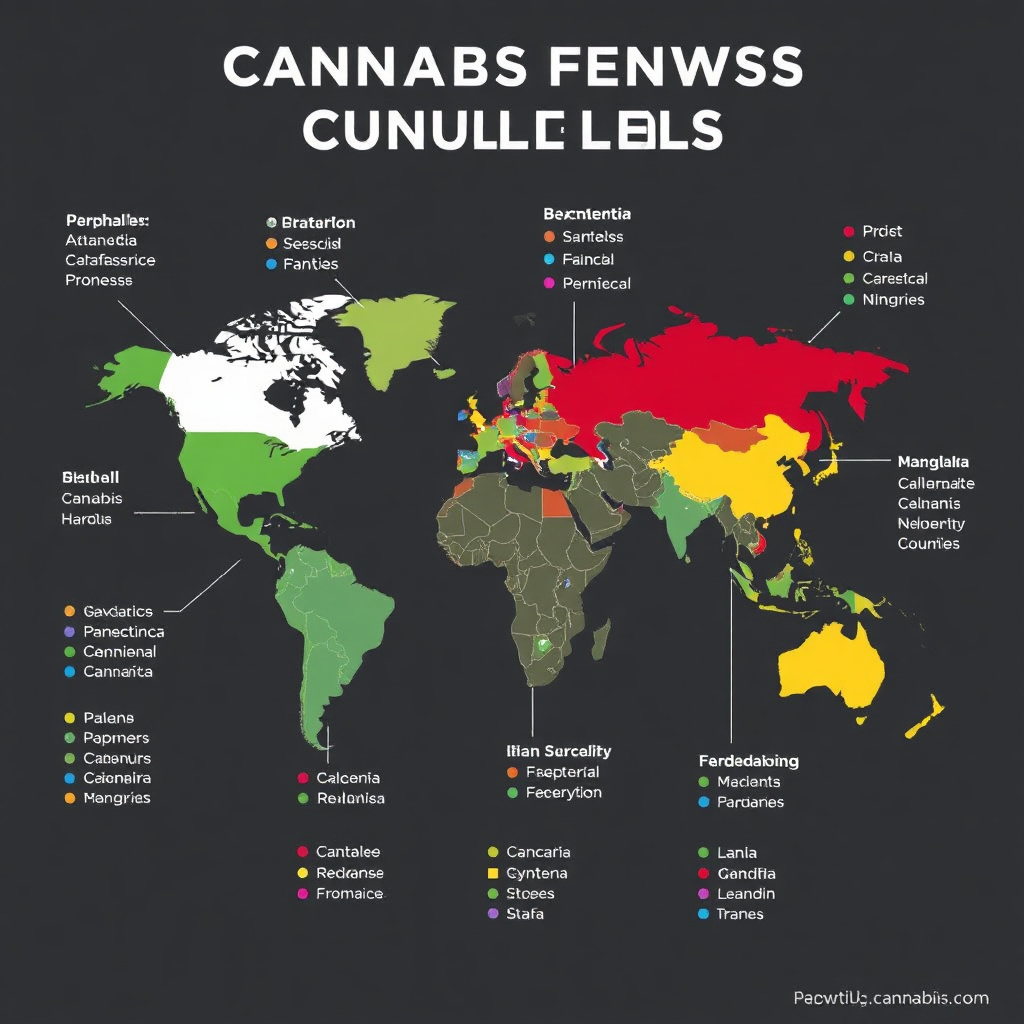
Countries Where Cannabis Seeds Are Legal
In countries like the Netherlands and Spain, cannabis seeds are legal to buy, sell, and possess because the seeds themselves contain no active THC. These seeds are treated as collectibles or souvenirs, and their germination may be restricted depending on local regulations. This legal acceptance supports a regulated cannabis culture.
For example, in the Netherlands, seed banks operate openly, and possession does not carry penalties. However, cultivating plants from those seeds without a license remains illegal. This separation allows consumers to own seeds without directly committing a criminal act.
Strict Prohibition Countries
Conversely, many countries, including most of Asia and the Middle East, classify cannabis seeds alongside cannabis plants and products under strict narcotic laws. Possession, sale, or transport of seeds is illegal regardless of whether they are planted, often resulting in severe penalties.
In such jurisdictions, seeds may be confiscated, and owners prosecuted if caught. This hardline stance is influenced by zero-tolerance drug enforcement policies and the lack of distinction between seeds and cannabis products.
Understanding the Legal Nuances of Cannabis Seeds

Why Seeds May Be Treated Differently Than Plants
Cannabis seeds contain no psychoactive compounds like THC, which is why some jurisdictions regulate seeds less stringently than cultivated plants. The legal difference often hinges on the seed’s potential use rather than its chemical content.
This nuance means seeds might be legally owned or sold as collector items but legally restricted from being germinated. Authorities focus on preventing cultivation instead of punishing seed possession per se.
Regulations Around Germination and Cultivation
Even where cannabis seeds are legal to possess, germination and cultivation usually require specific licenses or remain outright illegal. The moment a seed sprouts, plants fall under controlled substance laws in many areas, subject to fines or criminal charges.
This regulatory distinction reflects a common legal approach that targets cannabis production rather than mere possession of unplanted seeds.
How to Legally Purchase Cannabis Seeds
Buying Seeds Online
Many buyers acquire cannabis seeds through online seed banks based in countries with lenient laws. These providers ship seeds internationally, but shipping legality depends on the destination country’s rules, which vary widely.
Buyers must research if receiving seeds by mail is permissible locally, as packages could be intercepted by customs, leading to legal consequences even if seeds aren’t germinated.
- Check your country's import regulations
- Choose reputable seed banks
- Understand risks of mail interception
For more on this, see our related guide: Are Cannabis Seeds Legal in the USA? Understanding the Legal Landscape.
Physical Stores and Seed Banks
In regions where cannabis seeds are clearly legal, physical seed banks operate openly, offering a secure option for buyers. These storefronts often provide guidance on legality and strain information.
Purchasing seeds in person offers legal clarity and avoids shipping risks, but buyers should still confirm local laws before possession or cultivation.
Risks and Legal Consequences of Possessing Cannabis Seeds

Potential Penalties for Illegal Possession
In many strict countries, possessing cannabis seeds can lead to fines, imprisonment, or criminal records, even if the seeds are not sprouted. Law enforcement may interpret seed possession as intent to cultivate controlled substances.
Penalties vary widely but can include lengthy jail terms and severe financial penalties, reflecting the variable approach to cannabis enforcement.
Legal Defenses and Gray Areas
Some owners argue possession for collectors or educational purposes, though courts seldom accept such defenses in strict jurisdictions. Legal ambiguity can create risks when laws are unclear or enforcement inconsistent.
Staying informed about current regulations and any legal changes is vital for anyone possessing cannabis seeds to avoid unintentional violations.
The Future of Cannabis Seed Legality

Trends Toward Legalization and Regulation
An increasing number of countries and states are reforming cannabis laws, leading to more liberal policies on seeds. Some jurisdictions now permit seed possession, sale, and cultivation under regulated licenses, reflecting changing social attitudes.
This shift encourages a clearer legal framework distinguishing seeds from mature cannabis plants, potentially reducing legal risks for consumers.
For more on this, see our related guide: Cannabis Cultivation Laws by State: What You Need to Know in 2024.
Impact on the Cannabis Industry
Legal clarity on cannabis seed laws supports the growth of legitimate seed banks, breeding programs, and researchers focused on cultivation. It also expands consumer access to diverse genetic strains while controlling illicit cultivation.
As more governments formalize seed regulations, the distinction between legal cannabis production and prohibition may continue to sharpen.
Key Considerations Before Purchasing Cannabis Seeds

Research Local Laws Thoroughly
Prior to purchase, consumers must carefully review their local and national laws on cannabis seeds, checking whether possession, shipment, or germination carries restrictions or penalties.
Relevant legal databases, government resources, and reliable legal advisors can provide up-to-date guidance reflecting current regulations.
For a detailed overview of cannabis seed laws across many countries, see this Cannabis seed legal status overview. Cannabis seed legal status overview.
Consider Your Intended Use
Understanding if seeds are for collection or cultivation affects legal risk. Even in legal areas, cultivation may require permits, so clarify your purpose and comply accordingly.
Some buyers treat seeds as souvenirs, while growers aim to follow licensing procedures to remain within the law.
Comparison of Cannabis Seed Legal Status by Region
Below is a comparison of common regions outlining their stance on cannabis seed possession, sale, and cultivation rights.
| Region | Seed Possession | Seed Sale | Cultivation Permitted |
|---|---|---|---|
| Netherlands | Legal | Legal | Restricted without license |
| United States (Federal) | Illegal federally, varied by state | Illegal federally, varied by state | Legal in some states with license |
| Canada | Legal | Legal | Legal with regulations |
| China | Illegal | Illegal | Illegal |
| Spain | Legal | Legal | Personal cultivation tolerated |
| Middle East | Illegal | Illegal | Illegal |
Frequently Asked Questions
Are cannabis seeds illegal in the United States?
Cannabis seed legality in the U.S. varies. Federally, seeds are illegal, but several states allow possession and cultivation with restrictions. Always check your state's specific cannabis laws.
Can I legally grow cannabis from seeds if possession is allowed?
Even if possessing cannabis seeds is legal, growing plants often requires a license or is restricted. Germination laws are usually stricter than seed possession laws.
Are non-germinated cannabis seeds considered a controlled substance?
In many places, non-germinated seeds are not controlled as they contain no THC, but laws differ, so legality depends on local regulations.
Can I buy cannabis seeds online and have them shipped internationally?
Online seed purchases are common but shipping legality depends on the receiving country’s laws; some jurisdictions may confiscate seeds or prosecute receivers.
Do I need a license to sell cannabis seeds?
Many regions require commercial licenses to sell cannabis seeds legally, especially where cannabis cultivation is regulated.
Key Takeaways
- Cannabis seed laws vary greatly by country and region.
- Seeds are often legal to own but illegal to germinate without a license.
- Buying seeds online carries legal risks due to import restrictions.
- Staying informed on local laws reduces risk of legal consequences.
Conclusion
When grappling with whether cannabis seeds are illegal, the deciding factor hinges predominantly on jurisdiction-specific legislation. Understanding the fine line between seed possession and cultivation helps clarify risk levels. Research into local policies is often necessary because the legal status of cannabis seeds can shift unexpectedly with new regulations or enforcement guidelines. Being well-informed ensures that individuals do not inadvertently run afoul of the law while dealing with cannabis seeds, especially given how laws may differentiate between seeds and active cannabis plants.
For people living in areas with lenient cannabis laws, such as parts of Europe or Canada, purchasing cannabis seeds is often straightforward, with physical seed banks and online vendors providing genetic variety legally. However, cultivating these seeds might still need a license or be subject to specific rules. Conversely, residents of places with stringent drug laws should avoid any involvement with cannabis seeds to prevent serious penalties. Consulting resources on cannabis seed legality by country and understanding your intended use—collection versus cultivation—helps guide safe personal decisions.
If you consider acquiring cannabis seeds, act responsibly by checking your country's regulations carefully, deciding if you want seeds only for collecting or breeding, and selecting reputable suppliers in legal jurisdictions. Staying aware of changing laws around cannabis seeds allows you to navigate their ownership without risking your freedom or finances. Taking these steps offers a measured approach based on legal clarity rather than assumption.