How to Water Plants with a Drip System for Efficient Gardening
Watering plants with a drip system provides a targeted, efficient way to hydrate your garden by slowly delivering water directly to the plant roots. This method reduces water waste and ensures plants receive consistent moisture without overwatering.
Using a drip irrigation system matters because it conserves water, minimizes soil erosion, and decreases weed growth compared to traditional watering methods. This makes it an eco-friendly option that supports healthier plants by preventing water loss through evaporation and runoff.
This article will guide you through the types of drip systems available, installation techniques, maintenance tips, and how to adjust watering schedules. By the end, you'll understand how to set up and use a drip system effectively to keep your plants thriving.
Understanding Drip Irrigation Systems
Types of Drip Systems
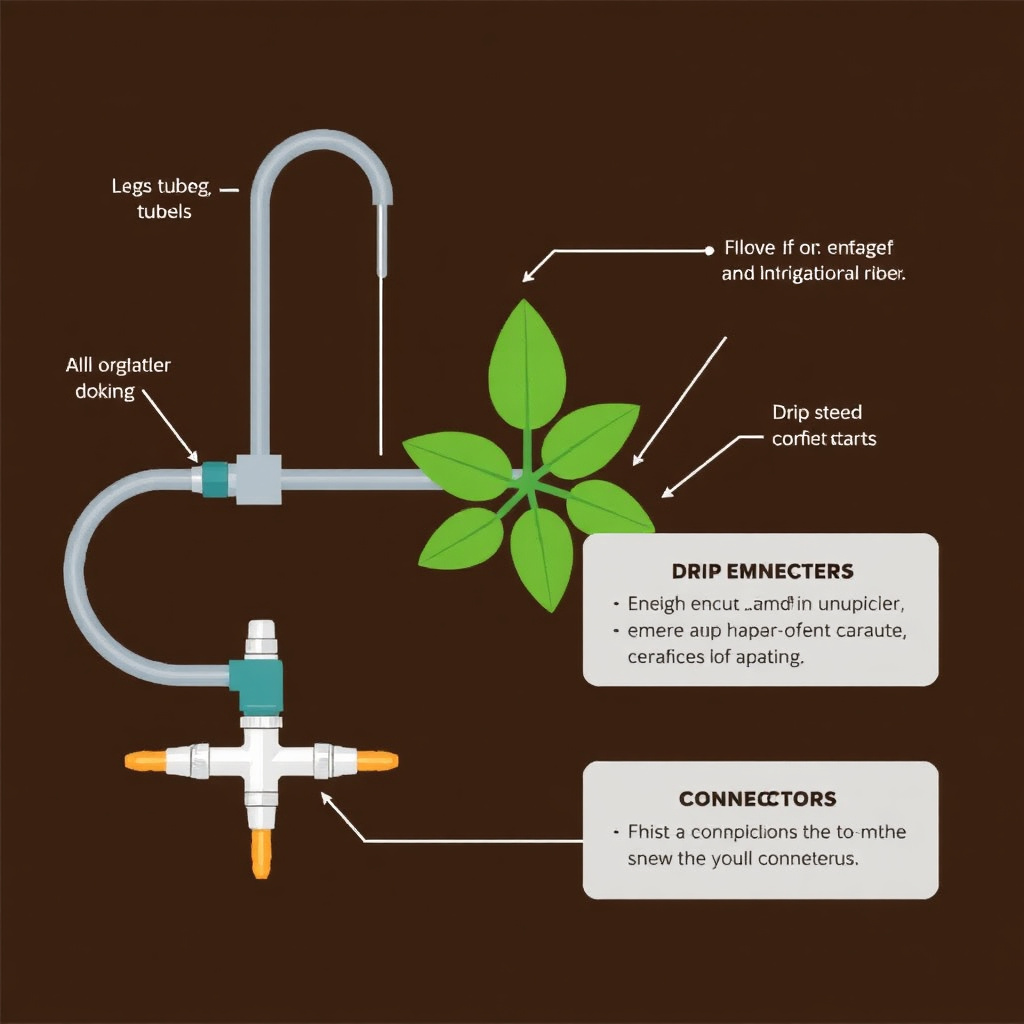
Drip irrigation systems come in two main types: soaker hoses and point-source emitters. Soaker hoses release water along the hose length, ideal for row crops, while point-source emitters deliver water directly at single plant roots for precise watering.
Selecting the right drip system type depends on your garden layout and plant types. For vegetable gardens or spaced plants, point-source emitters give better water control. For densely planted flower beds or shrubs, soaker hoses can be more convenient and efficient.
- Soaker hoses for broad, uniform watering
- Point-source emitters for precise root hydration
- Combination setups for varied garden layouts
Components of a Drip System
A typical drip system includes a water source, main tubing, emitters or soaker hoses, connectors, and a pressure regulator. Each part works together to deliver water steadily at low pressure to plant roots.
Pressure regulators prevent damage by maintaining safe water pressure, while filters keep debris out to avoid clogs. Emitters control how much water each plant receives, which can be adjusted based on plant water needs.
- Water source (tap or rain barrel)
- Main polyethylene tubing
- Emitters and connectors
- Pressure regulator and filter
Installing Your Drip System

Planning the Layout
Start by mapping your garden and marking where plants grow. Measure distances to plan tubing routes that minimize bends and length. Organize emitters to deliver water directly to each plant’s root zone for maximum efficiency.
Avoid unnecessary loops and keep tubing close to the soil surface but protected from foot traffic. This strategic plan helps prevent water waste and ensures an easy-to-maintain system.
- Sketch garden layout
- Measure distances between plants
- Plan tubing path with minimal bends
- Position emitters near root zones
For more on this, see our related guide: How Often to Water Cannabis Plants: Timing and Techniques for Healthy Growth.
Installing Tubing and Emitters
Begin by attaching the main tubing to your water source. Use connectors to create branches running toward plants. Insert emitters or connect soaker hoses at the points where plants need water, securing tubing with stakes to keep it stable.
After installation, turn on the system to check for leaks and even water flow. Adjust emitter flow rates as needed to match individual plant requirements, ensuring every plant is receiving adequate moisture without oversaturating the soil.
- Attach tubing to water source
- Use connectors and emitters at plant sites
- Secure tubing with stakes
- Test system for leaks and flow rate
Maintaining Your Drip Irrigation System
Routine Cleaning and Inspection
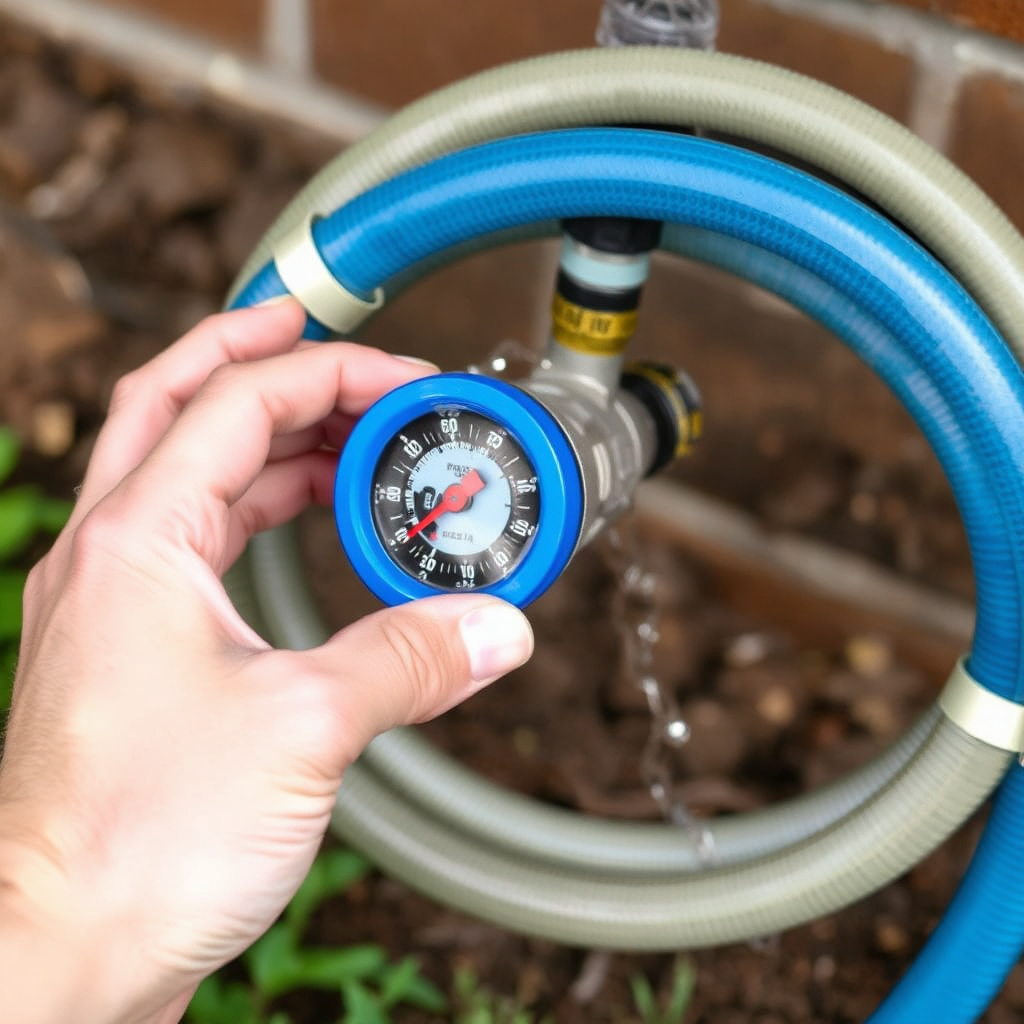
Regularly inspect your drip system for clogged emitters, damaged tubing, or leaks. Debris and mineral buildup can block emitters and reduce efficiency, so cleaning filters and flushing tubing is essential for long-term performance.
Schedule monthly checks during the watering season, replacing damaged parts immediately to avoid uneven watering and plant stress caused by dry spots or overwatering.
- Inspect emitters for clogs
- Clean filters monthly
- Flush tubing to remove debris
- Replace cracked or damaged tubing
Winterizing the System
In colder climates, drain the drip system before winter to prevent water freezing in the tubing, which can cause cracks. Remove and store sensitive components indoors and cover tubing exposed to harsh weather to extend system life.
Proper winterizing reduces costly repairs and keeps the system ready for use in the next growing season.
- Drain all water from tubing
- Store small parts indoors
- Cover exposed tubing
- Check system before restarting in spring
Optimizing Watering Practices with a Drip System

Adjusting Watering Schedules
Modify watering frequency based on plant type, soil conditions, and weather. Most plants benefit from deep, infrequent watering rather than daily light irrigation to encourage strong root growth.
Using timers or smart controllers with your drip system can automate schedules, adapting to rainfall and temperature changes for water savings and healthier plants.
- Water deeply and less frequently
- Use timers for consistent irrigation
- Adjust schedules seasonally
- Consider soil moisture sensors
For more on this, see our related guide: Best Nutrients for Cannabis Plants: Essential Guides for Thriving Growth.
Benefits of Drip Irrigation
Drip irrigation benefits include water conservation, healthier plants through targeted hydration, weed reduction by avoiding surface watering, and reduced soil erosion. This method suits both small gardens and larger landscapes aimed at sustainable water use.
By delivering water directly to roots, plants experience less stress and improved growth, making drip systems popular among home gardeners and professionals alike.
- Consumes less water than sprinklers
- Improves plant growth and yield
- Reduces weed competition
- Minimizes soil erosion
Troubleshooting Common Drip System Issues
Identifying and Fixing Clogs
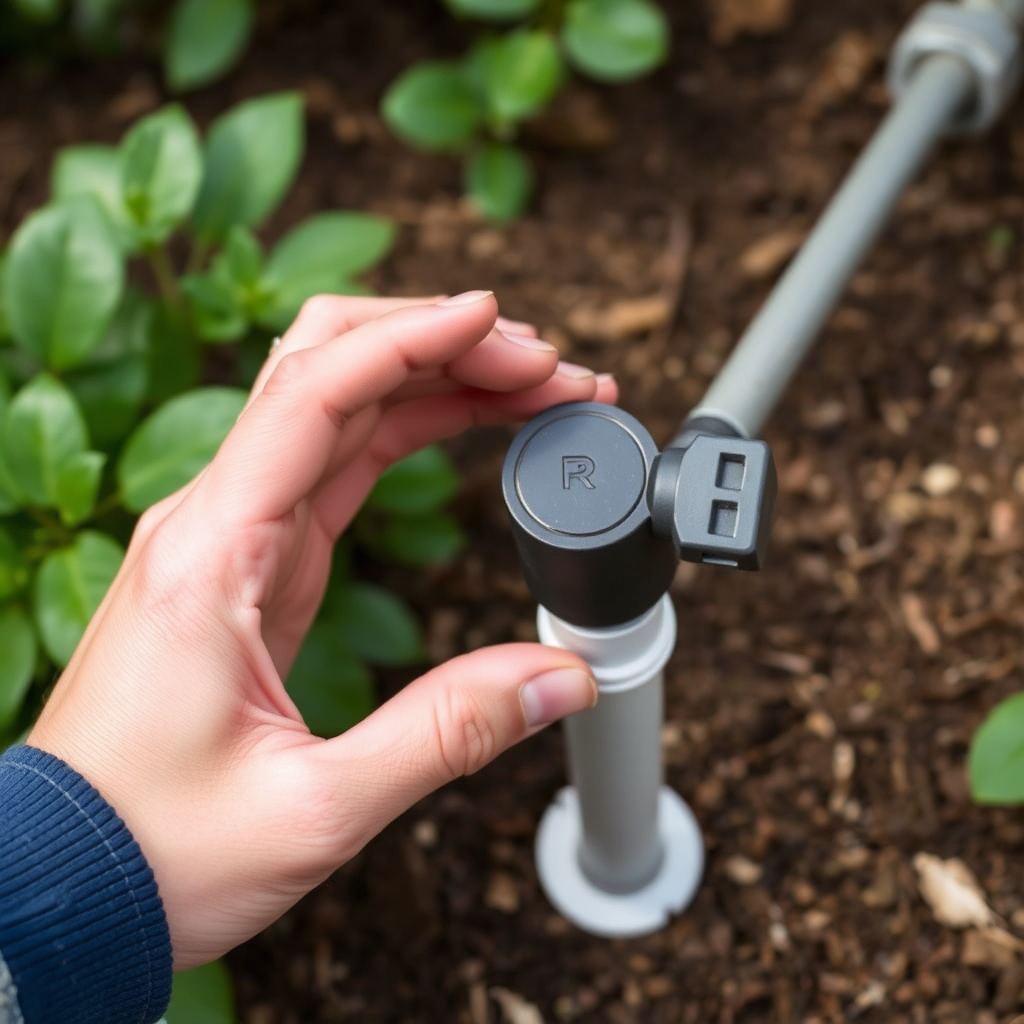
Clogged emitters are the most frequent problem and can be caused by dirt, algae, or mineral deposits. Removing emitters to soak in vinegar or using a pin to clear blockages can restore water flow quickly.
Installing filters at the water source helps prevent debris from entering tubing, reducing clog risks in the first place.
- Remove and clean clogged emitters
- Flush system regularly
- Install and clean filters
- Use vinegar soak for mineral deposits
For a detailed explanation of drip irrigation and its history, refer to this drip irrigation overview on Wikipedia. Drip irrigation overview on Wikipedia.
Leaks and Pressure Problems
Leaks in tubing or connectors lower water pressure and cause uneven watering. Inspect the system for cracks or loose fittings, repairing or replacing parts as needed to maintain consistent pressure.
Pressure regulators help avoid damage from high water pressure, which can cause system failure over time.
- Check tubing for cracks
- Tighten or replace loose connectors
- Install pressure regulator
- Monitor system pressure routinely
Comparison of Drip Irrigation System Types
Here's a comparison of common drip irrigation categories to help you decide which fits your garden needs best.
| Category | Water Efficiency | Ease of Installation | Cost Range | Best Use |
|---|---|---|---|---|
| Soaker Hose | Moderate | Easy | $15-$40 | Flower beds, shrubs |
| Point-Source Emitters | High | Moderate | $20-$60 | Vegetables, spaced plants |
| Micro-Spray Emitters | Moderate | Moderate | $25-$70 | Seedlings, delicate plants |
| Drip Tape | High | Moderate | $30-$80 | Row crops, commercial use |
Frequently Asked Questions
How often should I water plants using a drip system?
Watering frequency depends on plant needs, soil type, and weather but generally, deep watering once or twice a week works best for most plants using drip systems.
Can I install a drip irrigation system myself?
Yes, many drip systems are designed for easy DIY installation with basic tools and clear instructions, making them accessible for home gardeners.
How do I prevent clogging in drip irrigation emitters?
Using filters, cleaning emitters regularly, and flushing the tubing helps prevent clogs caused by dirt, algae, and mineral deposits.
Is drip irrigation suitable for all plant types?
While drip irrigation works well for most plants, delicate seedlings or plants needing overhead watering might require supplementary methods.
Do drip systems save water compared to sprinklers?
Yes, drip irrigation is more water-efficient than sprinklers because it delivers water directly to roots, reducing evaporation and runoff.
Key Takeaways
- Drip systems deliver water directly to plant roots, increasing efficiency.
- Proper installation and maintenance optimize performance and longevity.
- Adjust watering schedules based on plant and soil needs.
- Drip irrigation benefits include water savings and healthier plants.
Conclusion
When deciding how to water plants with a drip system, focus on matching system components and layout to your garden’s specific needs. Selecting the right emitters and scheduling watering efficiently are essential steps that reduce water waste and promote robust plant growth. Understanding your soil type, root zones, and plant water demands leads to a well-performing drip irrigation setup that supports sustainable watering year-round.
If you manage a vegetable garden or have spaced plants, point-source emitters provide targeted hydration with adjustable flow rates for each plant’s requirements. For dense flower beds or shrubs, soaker hoses offer uniform watering across larger areas. Incorporating timers and pressure regulators further simplifies care and helps maintain consistent moisture levels. Regular system maintenance is key to preventing clogs and leaks, ensuring your plants receive water reliably throughout the growing season.
To get started, outline your garden layout and choose a drip system compatible with your plant types. After installing and testing the system, monitor its performance closely and refine your watering schedule based on weather and plant growth stages. This practical approach to watering with a drip system helps you conserve water, reduce labor, and enjoy a thriving, healthy garden over time.