What Is Cannabis Hemp? Understanding Its Uses and Characteristics
Cannabis hemp is a variety of the Cannabis sativa plant species grown specifically for industrial and commercial applications. It differs from marijuana primarily in its low tetrahydrocannabinol (THC) content, which means it lacks the psychoactive properties typically associated with cannabis. Hemp is cultivated for fiber, seeds, and oils rather than for recreational or medicinal drug use. This makes hemp a versatile agricultural crop used in textiles, construction materials, nutrition, and more.
Understanding cannabis hemp involves recognizing its legal and botanical distinctions. Unlike marijuana, hemp contains 0.3% or less THC by dry weight, so it does not produce a “high” when consumed. This low THC content allows hemp to be legally grown in many countries around the world. Its fibers are strong and durable, enabling production of clothing, ropes, and biodegradable plastics, while hemp seeds provide nutritious oils and food products. Thus, cannabis hemp plays an increasingly important role in sustainable industry and wellness markets.
This article explores the characteristics that define cannabis hemp, how it compares with marijuana, its wide range of uses, cultivation practices, legal frameworks, and economic importance. Readers will gain clarity on what makes hemp unique within the Cannabis genus and why its applications make it a valuable and expanding agricultural resource.
The Botanical Characteristics of Cannabis Hemp

Physical Features of Hemp Plants
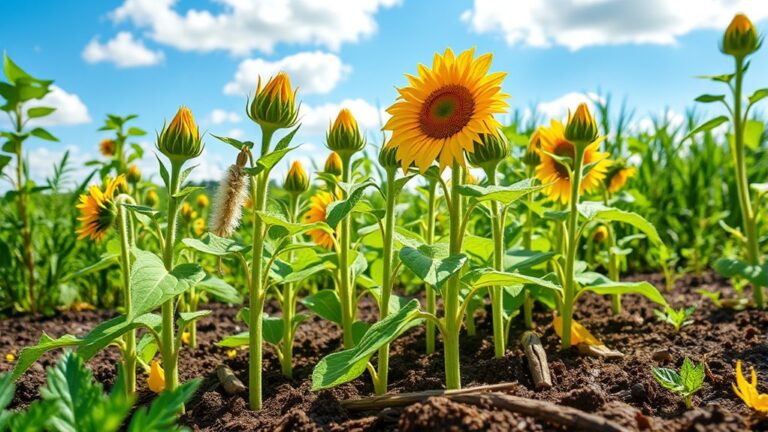
Cannabis hemp plants generally grow tall and slender, with long stalks adapted to fiber production. Their leaves are narrow and elongated compared to marijuana plants, which tend to be bushier. Hemp stalks contain bast fibers in the outer layer that offer tensile strength, making them ideal for industrial use. Depending on the cultivar, hemp can reach heights of 6 to 15 feet in a single growing season.
The low THC concentration differentiates hemp at a chemical level, typically below 0.3%. This makes hemp flower non-psychoactive and safe for broader applications. Additionally, hemp plants develop dense and fibrous root systems that improve soil stability and carbon sequestration during cultivation.
Differences Between Hemp and Marijuana Plants
While hemp and marijuana both belong to the Cannabis sativa species, their chemical composition is the most notable differentiator. Marijuana plants contain high THC levels ranging from 5% to 30%, inducing psychoactive effects, whereas hemp is bred for minimal THC and higher cannabidiol (CBD) content.
Growth patterns also differ: hemp grows rapidly with fewer branches to maximize stalk development, while marijuana is cultivated to optimize flower production rich in cannabinoids. These distinctions influence their respective legal statuses and agricultural practices worldwide.
Cannabis Hemp Uses Across Industries

Industrial Applications of Hemp Fiber
Hemp fiber is remarkably strong, breathable, and resistant to mold and UV light, making it popular in textiles, ropes, and composites. It is often mixed with other fibers like cotton to produce sustainable clothing with durability and comfort. Additionally, hemp fibers contribute to innovative construction materials such as hempcrete, a lightweight insulation material with good thermal properties.
Beyond textiles, hemp fiber's sustainability and biodegradability promote it as an alternative to synthetic plastics and non-renewable materials. Automotive industries utilize hemp composites for lightweight car panels, contributing to fuel efficiency.
- Durable, mold-resistant fibers
- Used in sustainable textiles and ropes
- Hempcrete for buildings
- Automotive composite parts
Nutritional and Wellness Uses of Hemp Seeds and Oil
Hemp seeds are rich in protein, essential fatty acids, and minerals, making them a popular health food ingredient. Hemp seed oil offers omega-3 and omega-6 fatty acids in an optimal ratio, beneficial for heart and skin health. These seeds can be eaten raw, ground into flour, or pressed to extract oil for cooking and supplements.
The rise in interest around cannabidiol (CBD), a non-psychoactive compound found in hemp, has further expanded its wellness applications. CBD oils, tinctures, and topical products derived from hemp are widely used for their reported anti-inflammatory and calming effects.
- Rich in protein and fatty acids
- Used in food products and dietary supplements
- CBD extracted for wellness products
Hemp Cultivation and Growing Practices

Soil and Climate Requirements
Hemp thrives in well-drained soils with a neutral to slightly alkaline pH level and prefers temperate climates with long growing seasons. It requires moderate rainfall or irrigation and good sunlight exposure to support rapid growth. Farmers benefit from hemp's deep root system that prevents soil erosion and enriches soil health for rotational cropping.
Proper soil preparation includes ensuring adequate nutrients, especially nitrogen and phosphorus. Because hemp extracts nutrients efficiently, it performs best in fertile fields and requires minimal pesticides, which reduces environmental impact.
For more on this, see our related guide: Are Cannabis Seeds Legal in the USA? Understanding the Legal Landscape.
Harvesting Techniques and Timing
Harvesting hemp depends on the intended use. For fiber production, plants are cut when stalks are mature but before seeds fully ripen to preserve fiber quality. Seeds are harvested later, typically after flowering when they reach full maturity. Timely harvesting ensures maximum content of cannabinoids like CBD and fiber integrity.
Mechanical harvesting involves mowing, retting (partial rotting to separate fibers), and baling. Post-harvest treatments like drying and storing under controlled conditions are needed to maintain product quality and comply with legal THC limits.
Legal Landscape Surrounding Cannabis Hemp
Global Regulations on Hemp Cultivation
Many countries have established specific regulations defining hemp based on THC content, commonly set at 0.3%. This legal threshold permits commercial hemp farming while restricting marijuana cultivation. The United States passed the 2018 Farm Bill legalizing hemp at the federal level, spurring industry growth.
European countries follow EU regulations that permit hemp cultivation with certified seed varieties and specified THC limits. However, interpretation and enforcement vary widely, impacting international trade and investment opportunities.
Compliance Challenges and Testing Protocols
Growers must regularly test hemp crops for THC levels during the growing cycle and at harvest to ensure compliance with legal standards. Cutting too close to THC thresholds risks crop destruction and financial loss. Governments often impose licensing, reporting, and traceability requirements to monitor hemp operations.
Laboratory testing methods include gas chromatography and mass spectrometry to precisely measure cannabinoid content. Adhering to these protocols is essential for producers selling hemp-derived products across state or national borders.
Environmental Benefits of Cannabis Hemp Farming
Carbon Sequestration and Soil Improvement
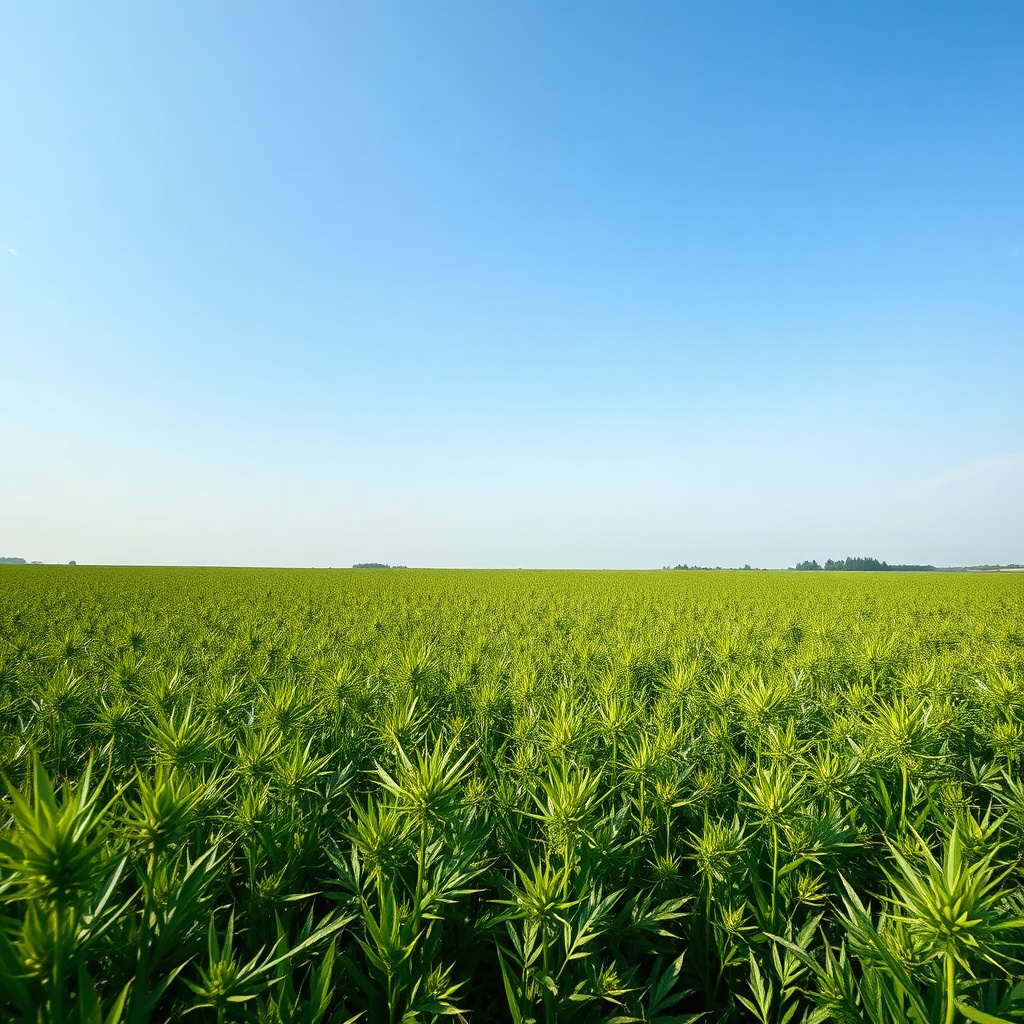
Hemp captures significant amounts of atmospheric carbon dioxide during rapid growth, aiding in climate change mitigation efforts. Its deep roots improve soil structure and fertility by adding organic matter and preventing erosion. Hemp fields can rehabilitate degraded lands and decrease the need for chemical fertilizers.
Because hemp requires fewer pesticides, it supports biodiversity by maintaining beneficial insects and microorganisms in the ecosystem. These features position hemp as an environmentally friendly crop within sustainable agricultural frameworks.
For more on this, see our related guide: How to Choose High CBD Cannabis Seeds for Maximum Therapeutic Benefits.
Resource Efficiency Compared to Other Crops
Hemp’s fast-growing nature and low input requirements make it efficient in land and water use compared to conventional fiber crops like cotton. It can yield large biomass on marginal lands where many other crops struggle, reducing pressure on prime agricultural areas.
Crop rotations that include hemp can break pest cycles and decrease soil depletion. Its versatility also means it can fulfill multiple roles—from fiber to oilseed—within a single farming operation, enhancing overall resource optimization.
Economic Impact and Market Trends in Cannabis Hemp
Growth of the Global Hemp Market
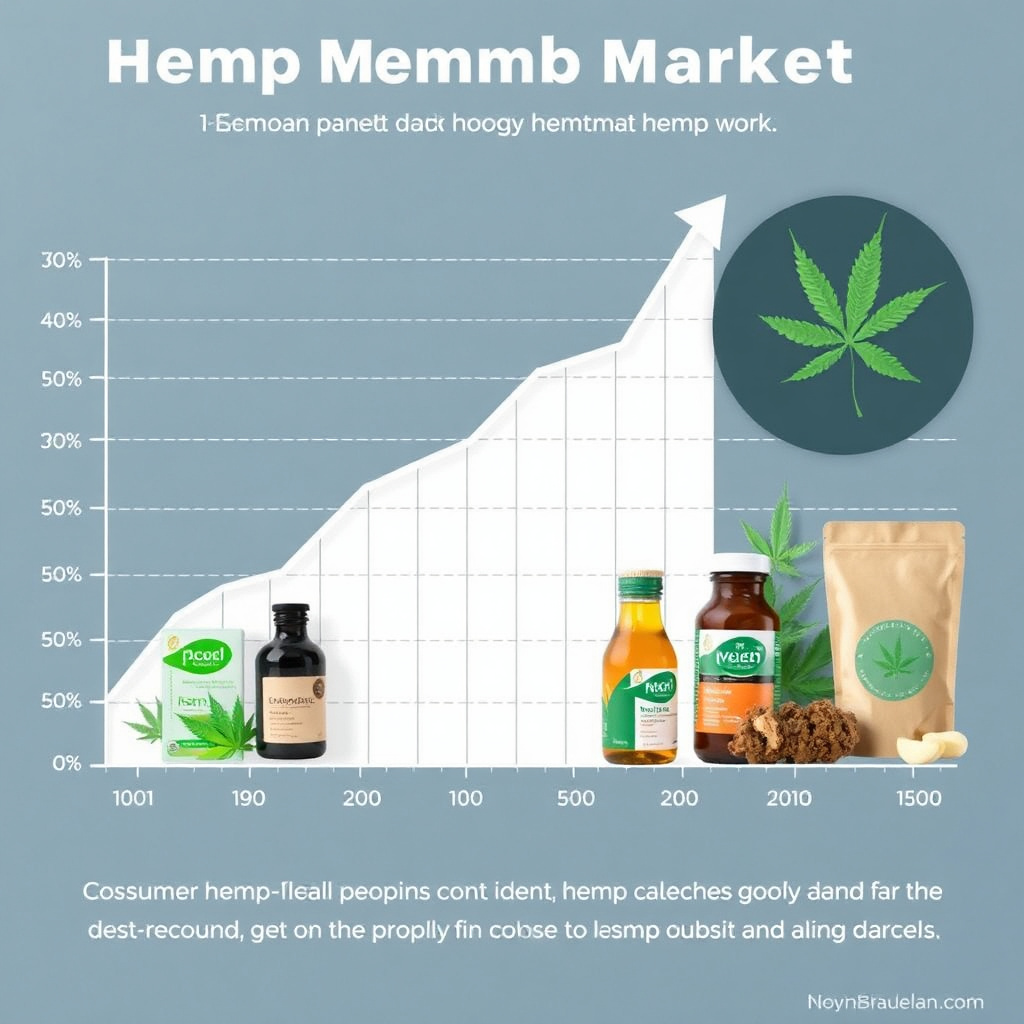
The global hemp market has expanded rapidly over the past decade, driven by increased legalization and growing demand for sustainable products. Markets for hemp-derived CBD, textiles, food, and bio-materials are all experiencing rising sales. Analysts forecast continued growth as awareness and consumer acceptance rise.
North America and Europe remain leaders in hemp production and processing, but emerging markets in Asia and South America are developing. Investments in technology and supply chains are fostering product innovation and lowering costs.
For a detailed scientific overview of hemp and its taxonomy, visit the Cannabis sativa Wikipedia page. Cannabis sativa on Wikipedia.
Challenges and Opportunities Ahead
Despite positive trends, the hemp industry faces challenges like regulatory uncertainty, supply chain limitations, and competition from synthetic alternatives. Producers must navigate complex quality control and intellectual property issues.
Opportunities exist in advanced hemp applications such as bioplastics, pharmaceuticals, and construction materials. Expanding research into cannabinoid profiles and agronomic improvements will further unlock hemp’s potential in diverse sectors.
Comparing Cannabis Hemp and Marijuana: Key Differences
This table outlines the main differences between cannabis hemp and marijuana across key characteristics, helping clarify their distinct identities.
| Feature | Cannabis Hemp | Marijuana |
|---|---|---|
| THC Content | ≤0.3% | 5% to 30% |
| Psychoactive Effect | Non-psychoactive | Psychoactive |
| Primary Use | Fiber, seeds, CBD products | Recreational and medicinal drugs |
| Appearance | Tall, slender stalks, narrow leaves | Bushy plants, broader leaves |
| Legal Status | Widely legal with restrictions | Illegal or regulated |
| Cultivation Focus | High biomass, fiber quality | High cannabinoid flower production |
Frequently Asked Questions
Is cannabis hemp the same as marijuana?
No, cannabis hemp and marijuana come from the same species but differ in THC content. Hemp has very low THC, making it non-psychoactive and primarily used for industrial purposes, unlike marijuana.
Can cannabis hemp get you high?
No, hemp contains only trace amounts of THC, usually below 0.3%, which is insufficient to produce psychoactive effects or a “high.”
What products are made from hemp?
Hemp is used to make textiles, ropes, paper, biodegradable plastics, food products like hemp seeds and oils, CBD supplements, and building materials such as hempcrete.
Is hemp legal to grow everywhere?
Hemp legality varies globally but is generally permitted if THC levels are below legal thresholds. Farmers often need licenses and must comply with testing and reporting requirements.
How does hemp benefit the environment?
Hemp sequesters carbon efficiently, improves soil health by preventing erosion, requires fewer pesticides, and uses water and nutrients more efficiently than many other crops.
Key Takeaways
- Cannabis hemp is a low-THC variety used mainly for industrial and nutritional purposes.
- It is distinct from marijuana in chemical makeup and cultivation methods.
- Hemp supports sustainable industries including textiles, construction, and wellness products.
- Legal frameworks and quality testing govern hemp’s commercial growth worldwide.
Conclusion
Evaluating whether cannabis hemp fits your needs requires understanding its unique botanical profile and industrial applications. It’s a non-psychoactive strain of Cannabis sativa valued primarily for fiber, seeds, and cannabidiol-rich extracts rather than recreational effects. When deciding on hemp products or cultivation, consider THC levels, legal regulations, and intended use to align expectations and compliance.
For those interested in textiles or eco-friendly materials, hemp fiber offers durable and biodegradable alternatives to conventional fabrics. Nutritional users can explore hemp seeds and oils for their balanced fatty acid profiles and protein content. The burgeoning CBD market provides opportunities for wellness supplements without psychoactive effects, making hemp versatile across sectors.
If you are a grower or consumer, start by reviewing local laws and sourcing quality-certified hemp products. Experiment with culinary or textile uses for hands-on experience, or partner with local growers if farming interests you. With ongoing advancements and increasing acceptance, cannabis hemp stands as a promising resource for innovation in sustainability and health.