What Is a Grow Light? A Practical Guide to Indoor Plant Lighting
A grow light is a specialized artificial light source designed to support plant growth by emitting light wavelengths that mimic natural sunlight. These lights provide the energy plants need for photosynthesis when natural light is insufficient or unavailable. Grow lights are commonly used in indoor gardening, greenhouses, and hydroponic systems to improve plant health and productivity.
Plants require specific light spectrums, intensity, and duration for photosynthesis, and grow lights cater directly to these needs. They enable gardeners to cultivate plants year-round regardless of outdoor conditions, extending growing seasons and increasing yields in controlled environments. Grow lights have become indispensable tools in modern horticulture and home gardening.
This article will explain the different types of grow lights, how they work, key factors to consider when choosing one, and practical tips to get the best results. Whether you're growing herbs on a windowsill or managing a greenhouse, understanding grow lights is essential for maximizing plant growth indoors.
Understanding How Grow Lights Work
The Science Behind Grow Lights
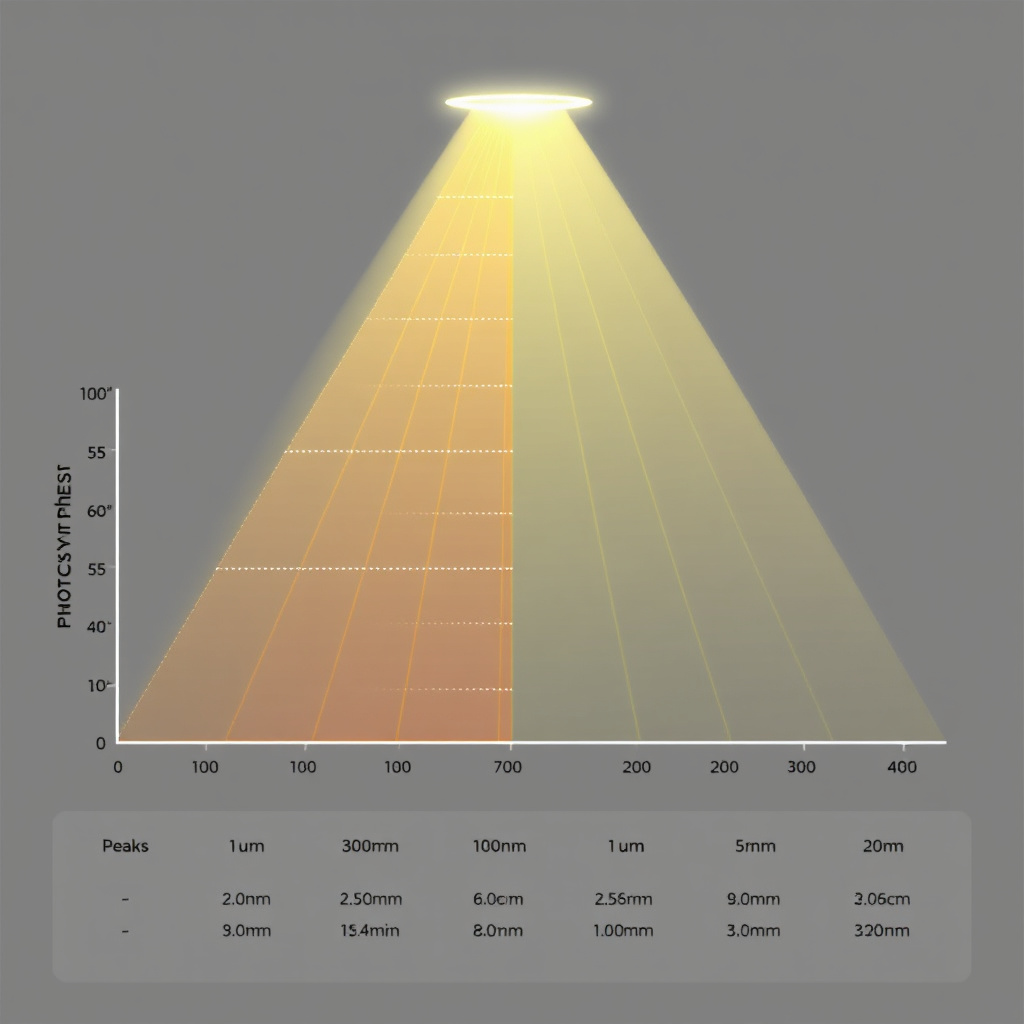
Grow lights emit specific wavelengths, mainly in the blue and red regions of the light spectrum, which plants use most efficiently during photosynthesis. Blue light supports vegetative leaf growth, while red light encourages flowering and fruiting. By tuning the light spectrum, grow lights create an optimized environment for plant development.
Unlike regular household bulbs, grow lights focus on these targeted wavelengths rather than broad-spectrum white light. This energy-efficient design allows better growth results and reduces electricity waste. Understanding the light spectrum is key to selecting a light that suits your plant type and growth stage.
Types of Light Emitted by Grow Lights
Grow lights commonly fall into three categories based on their technology: fluorescent, HID (high-intensity discharge), and LED (light-emitting diode) lights. Each type varies in energy consumption, heat production, lifespan, and spectral output.
Fluorescent lights are affordable and produce little heat, making them ideal for seedlings. HID lights emit intense light required for mature plant growth but use more energy and generate heat. LEDs provide flexibility by producing customizable light spectrums efficiently, with long lifespans and minimal heat.
- Fluorescent: low heat, best for seedlings
- HID: powerful, higher energy use
- LED: efficient, flexible spectrum
Choosing the Right Grow Light for Your Plants
Matching Light Output to Plant Needs
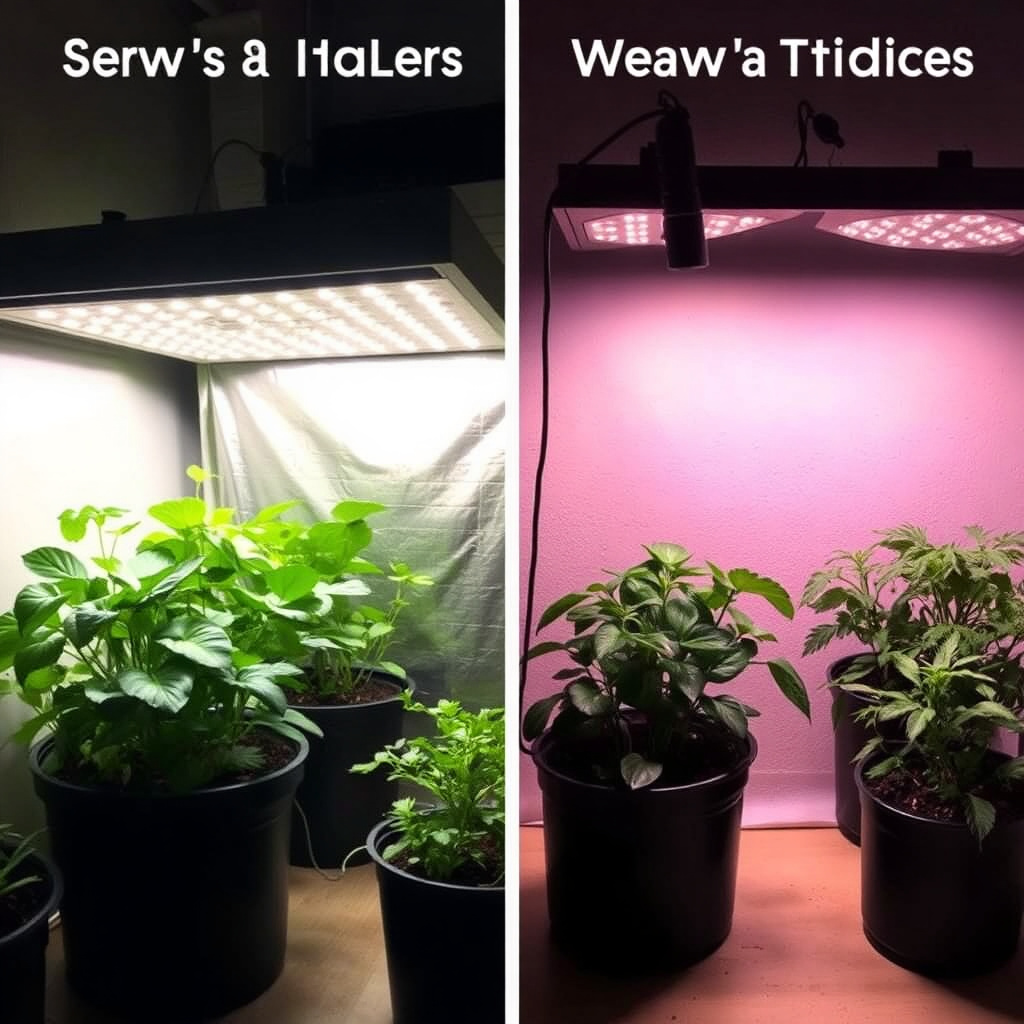
Different plants and growth stages require varying intensities and spectrums of lighting. Seedlings and leafy greens generally thrive under lower-intensity blue light, while flowering plants need stronger red light exposure. Measuring light output in lumens or PAR (photosynthetically active radiation) helps tailor grow light choice.
Grow light manufacturers often specify coverage area and optimal mounting height. Selecting a light that evenly covers your planting space and provides the right intensity without causing heat damage is vital for healthy development.
Considering Installation and Energy Costs
Beyond plant needs, practical factors such as installation space, energy efficiency, and lifespan influence your grow light choice. LEDs, while initially pricier, consume less power and last longer, reducing long-term costs.
Evaluate whether your setup requires portability, adjustable spectrum controls, or automated timing. Ease of installation, compatibility with existing fixtures, and cooling requirements also matter for seamless integration into your growing environment.
- Energy consumption and costs
- Space and mounting options
- Durability and maintenance
Setting Up and Using Grow Lights Effectively
Proper Placement and Timing
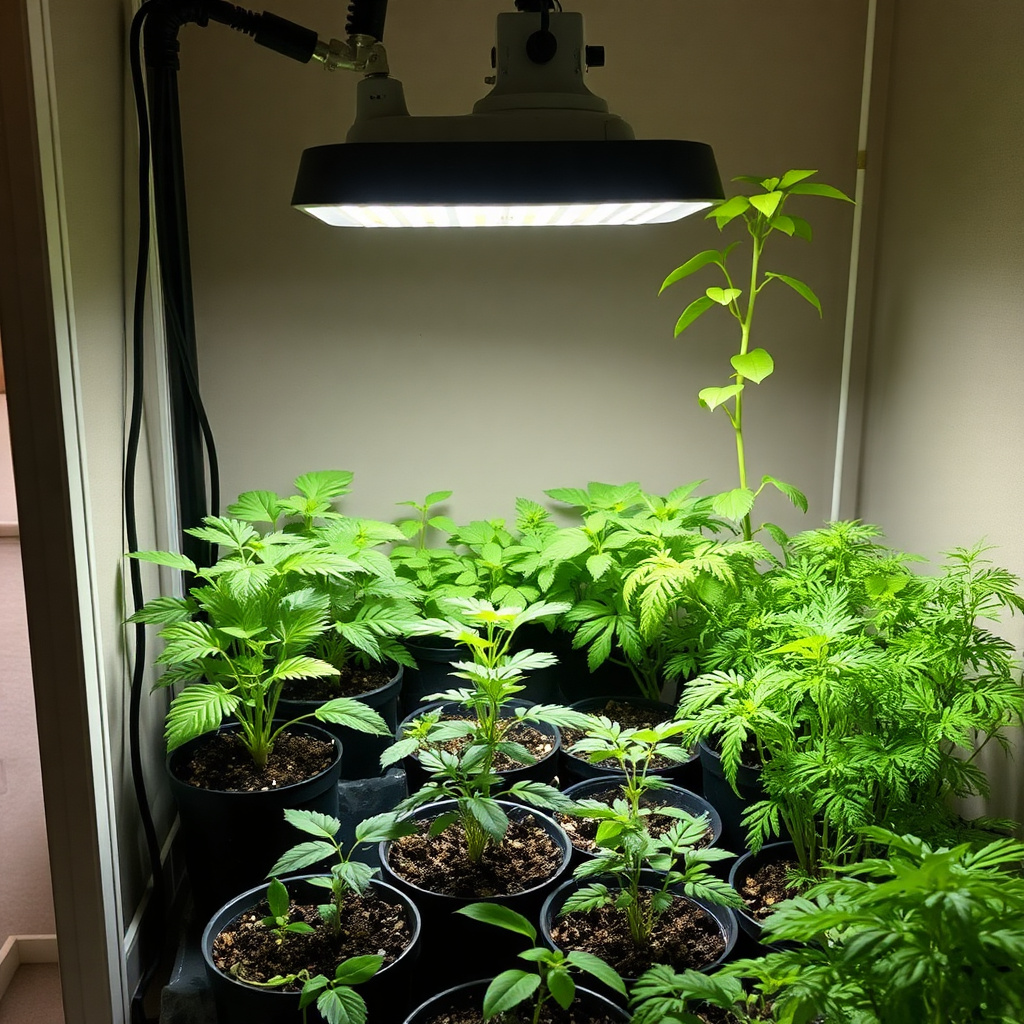
Position grow lights at the recommended height above plants to deliver adequate light intensity without causing burn or shade. Most plants need 12-16 hours of artificial light daily, simulating natural daylight cycles to regulate growth.
Using timers helps maintain consistent lighting schedules, preventing stress from irregular exposure. Adjust light distance and duration as plants mature to accommodate changing light requirements.
- Recommended height varies by light type
- Use timers for consistent photoperiods
For more on this, see our related guide: Best Grow Lights for Indoor Plants: How to Choose the Right One.
Balancing Heat and Ventilation
Grow lights, especially HID types, generate heat that can damage plants or dry out the growing medium. Adequate ventilation and cooling solutions prevent temperature spikes, maintaining a stable environment for growth.
LED grow lights produce less heat, allowing closer placement to plants. Still, monitoring temperature and airflow is necessary to avoid humid conditions that encourage mold or pests.
- Ensure good air circulation
- Monitor temperature regularly
Common Grow Light Technologies Explained
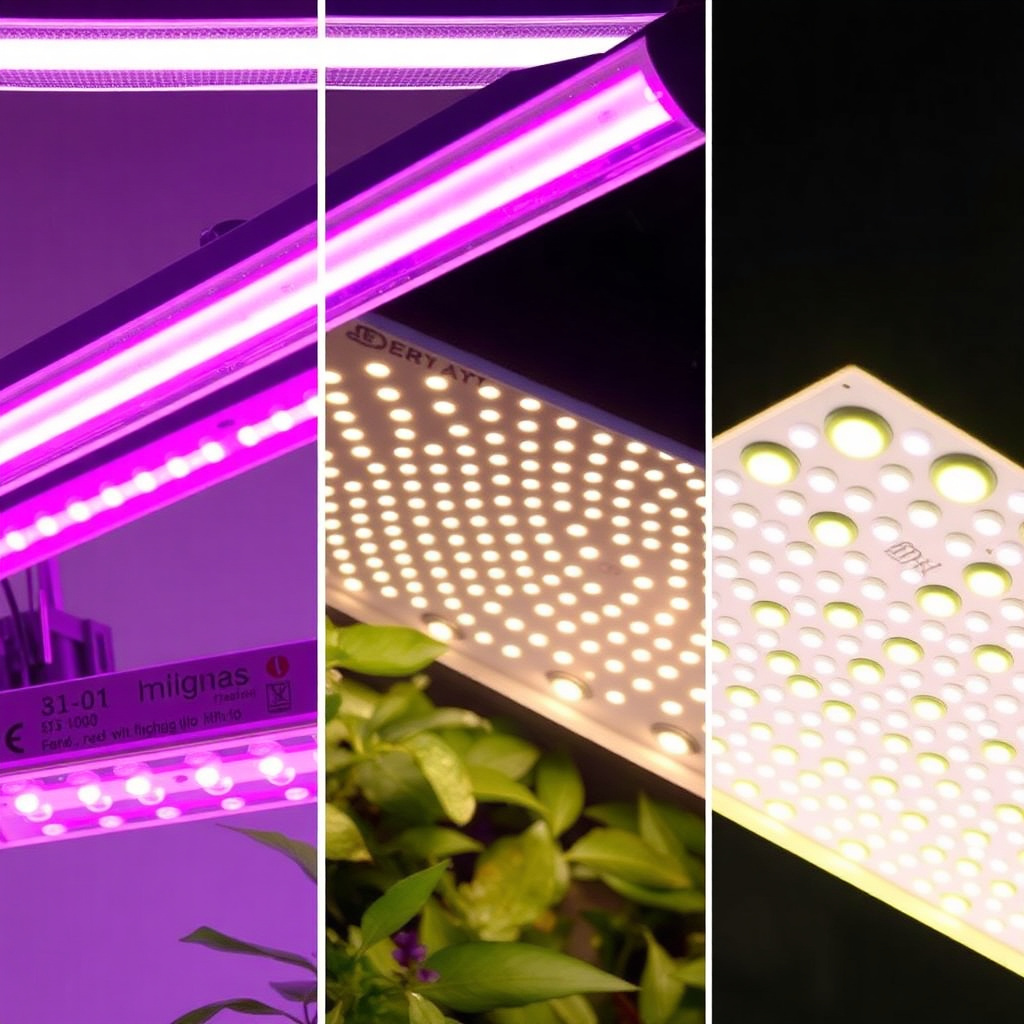
Fluorescent Grow Lights
Fluorescent lights use gas-discharge tubes containing mercury vapor to emit light when electrified. They offer a cooler operation and are suitable for starting seedlings or low-light plants. However, their spectrum is less intense, requiring proximity to plants for best results.
These lights come in T5 and compact fluorescent bulb types, both affordable and widely available. Their lower energy usage is a plus but they have shorter lifespans compared to LEDs.
- Low heat emission
- Cost-effective for small setups
High-Intensity Discharge (HID) Grow Lights
HID grow lights generate bright light by electric arcs through gas-filled bulbs. Metal halide (MH) bulbs produce blue-heavy light for vegetative growth, while high-pressure sodium (HPS) bulbs emit red-heavy light favoring flowering stages.
HIDs provide strong light intensity, covering large areas, but require ballasts and emit significant heat, demanding careful ventilation and energy supply planning.
- Strong light output
- Need cooling and ventilation
LED Grow Lights: The Modern Choice for Grow Lights
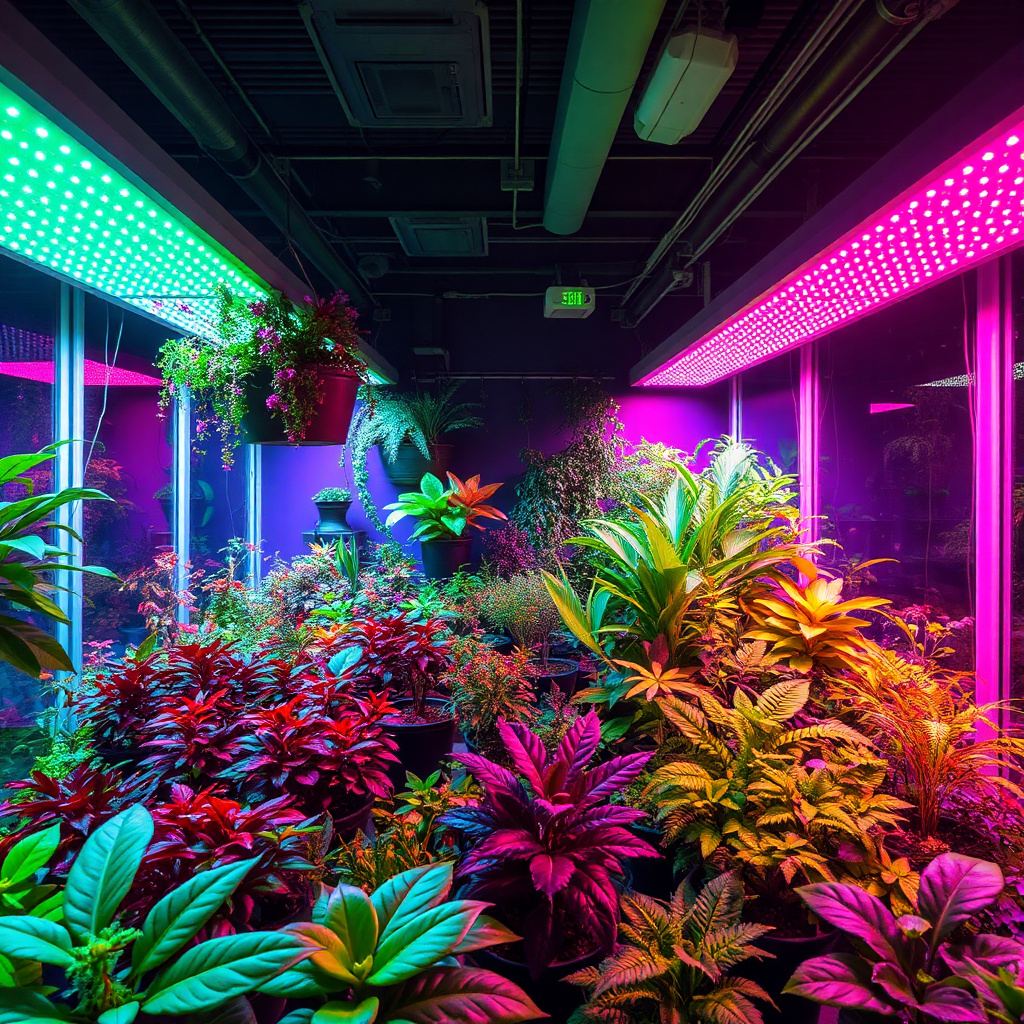
Advantages of LED Technology
LED grow lights offer precise control over light spectrum, customizable to plant species and growth stages. They emit less heat, consume less electricity, and have longer lifespans than fluorescent and HID lights.
Their compact design allows for versatile placement and scalable setups from small home systems to commercial operations. LEDs also have reduced environmental impact due to energy efficiency.
- Customizable spectrum settings
- Long lifespan and low heat
For more on this, see our related guide: Cannabis Plant Light Requirements: How to Choose the Best Lighting for Growth.
Choosing the Best Grow Light for Plants with LED Options
When selecting the best grow light for plants, many gardeners now prefer LED models that balance performance and efficiency. Look for full-spectrum LEDs that replicate sunlight accurately, supporting all growth phases.
Consider wattage, coverage area, and warranty when shopping. Combining LED grow lights with supplemental natural light can further enhance plant health and reduce energy costs.
Maintaining and Troubleshooting Grow Lights
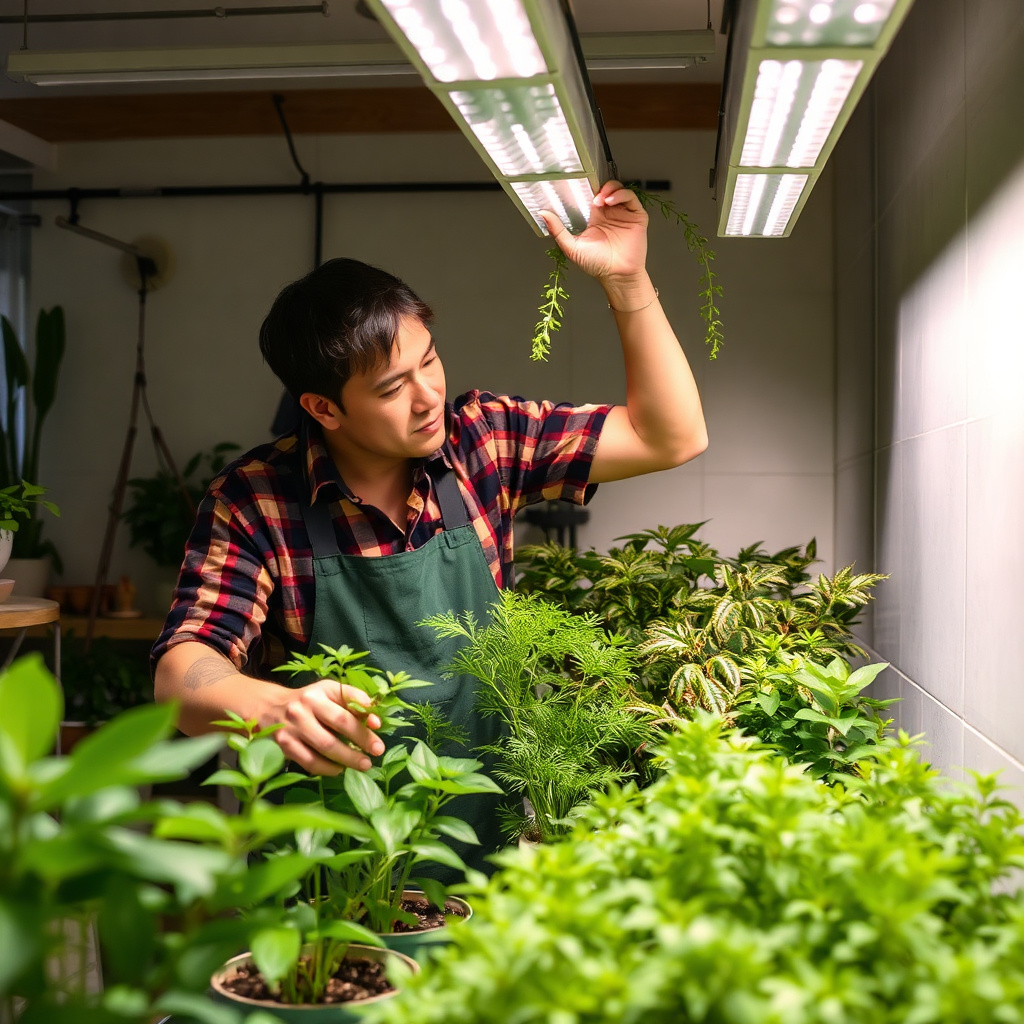
Routine Care and Cleaning
Keep grow lights free from dust and debris which can reduce light output. Regularly wipe bulbs and reflectors with a soft cloth while the lights are off and cool.
Inspect electrical connections and cords frequently for wear or damage to prevent safety hazards and ensure consistent operation.
- Wipe bulbs monthly
- Check electrical parts regularly
For detailed scientific background and technical specifications, refer to the Grow lights Wikipedia article. Grow lights Wikipedia article.
Common Issues and Solutions
If plants show signs of poor growth or leaf burn, check light distance and duration first. Burn marks often indicate lights are too close or timed improperly.
Replace bulbs according to manufacturer guidelines, as light intensity and spectrum degrade over time even if the bulb is still functional. Address ventilation problems to reduce heat-related stress.
- Adjust height to fix leaf burn
- Replace bulbs regularly
Comparison of Grow Light Types
This table compares common grow light technologies based on key characteristics important for various growing needs.
| Light Type | Energy Efficiency | Heat Emission | Lifespan | Ideal Use Case | Cost Range |
|---|---|---|---|---|---|
| Fluorescent | Moderate | Low | 1-2 years | Seedlings, low-light plants | $30 – $100 |
| HID (Metal Halide and HPS) | Low | High | 1-2 years | Mature plants, large areas | $80 – $300 |
| LED | High | Very Low | 5-7 years | All growth stages, variable setups | $100 – $500+ |
Frequently Asked Questions
Can grow lights replace sunlight completely?
Grow lights can fully substitute sunlight for indoor plants by providing appropriate light wavelengths and durations, though natural sunlight may still benefit some species.
How close should grow lights be to plants?
The optimal distance depends on the light type; fluorescent lights are placed 6-12 inches away, HID lights 12-36 inches, and LEDs 12-24 inches, adjusted to prevent heat damage.
Are LED grow lights more expensive to run than fluorescent lights?
Although LED grow lights have higher upfront costs, their greater energy efficiency and longer lifespan make them more cost-effective over time compared to fluorescent lights.
What colors of light do grow lights emit and why?
Grow lights mainly emit blue and red light because these wavelengths drive photosynthesis by stimulating leaf growth and flowering processes efficiently.
How long should grow lights be on each day?
Most plants require 12 to 16 hours of grow light per day to simulate natural daylight, with some variation depending on species and growth stage.
Key Takeaways
- Grow lights provide targeted light spectrums essential for indoor plant photosynthesis.
- LED grow lights offer energy efficiency and spectrum control superior to fluorescent and HID options.
- Proper placement and timing of grow lights maximize plant health and reduce risks from heat.
- Choosing a grow light depends on plant type, growth stage, space, and budget constraints.
Conclusion
Deciding on a grow light involves balancing the specific light needs of your plants with the technical features and costs of available lighting options. Understanding how different technologies deliver light wavelengths and intensities helps you match a grow light to your indoor gardening goals. Evaluating factors such as energy use, heat output, and coverage area will guide your choice toward an efficient system that supports robust plant growth.
For hobbyists raising seedlings or herbs in small spaces, fluorescent grow lights provide an affordable, low-heat solution. More advanced growers managing flowering plants or larger indoor areas may find HID lights powerful but less convenient due to heat and energy demands. LED grow lights combine flexibility, long lifespan, and energy savings, making them a preferred option for all growth stages and diverse setups, including hydroponics and vertical farms.
If you’re ready to enhance your indoor garden, start by identifying your plant species and growth phase, then select a grow light that fits your space and budget while offering the necessary spectrum and intensity. Consider supplementing natural light when possible and invest in timers and ventilation to create a controlled environment. Taking these thoughtful steps will help your plants flourish all year round.