Is Hemp Legal Federally? Understanding U.S. Hemp Regulations
Yes, hemp is legal federally in the United States under the 2018 Farm Bill, which removed hemp from the Controlled Substances Act, classifying it as an agricultural commodity rather than a controlled substance. This federal legalization allows for the cultivation, processing, and sale of hemp and hemp-derived products, provided they contain no more than 0.3% THC by dry weight.
This federal legal status is important because it sets the baseline across all states, paving the way for the commercial market and agricultural development of hemp. However, individual states have the authority to establish their own regulations, which sometimes include added restrictions or licensing requirements for hemp businesses.
This article breaks down the federal framework governing hemp, explores state-level variations, explains what types of hemp products are legal, and discusses the regulatory challenges that can affect farmers, manufacturers, and consumers alike.
Federal Overview of Hemp Legal Status
The 2018 Farm Bill and Its Impact
The primary federal law legalizing hemp is the Agricultural Improvement Act of 2018, commonly called the 2018 Farm Bill. This legislation redefined hemp by excluding it from the definition of marijuana under the Controlled Substances Act, allowing the industry to operate legally across the country.
The Farm Bill sets a THC limit of 0.3% on hemp, distinguishing it from marijuana, which contains higher levels of THC. This limit is critical because it defines what counts as legal hemp and what remains illegal under federal law.
Role of USDA in Hemp Regulation
The United States Department of Agriculture (USDA) is responsible for implementing the federal hemp program, including standards for licensing, testing, and enforcement. The USDA issues guidelines for states to create their hemp regulatory plans or governs hemp production directly where no state plan exists.
Farmers must obtain licenses and submit samples for THC testing to comply with USDA rules. These requirements help track hemp production and prevent THC levels from exceeding legal limits.
State-Level Hemp Regulations and Differences
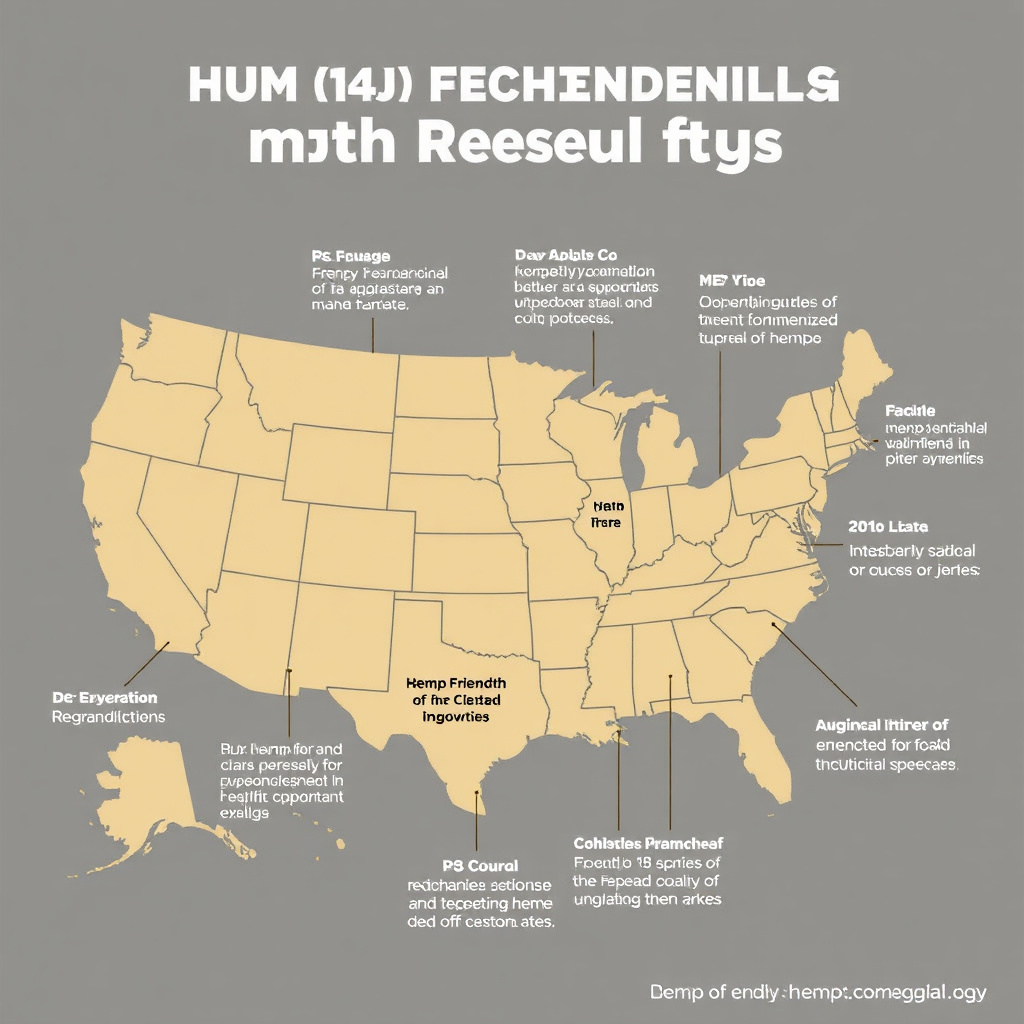
States with Their Own Hemp Programs
Most states have developed their own hemp regulatory frameworks aligned with USDA guidelines. These states control licensing, testing methods, and penalties for violations, sometimes adding extra steps or restrictions compared to federal standards.
For example, some states require more frequent testing or impose stricter THC limits below the federal 0.3%, making certain hemp products unavailable or limiting cultivation areas.
States with Federal Hemp Programs Only
In states that do not have an independent hemp program approved by the USDA, hemp production falls under the USDA’s federal plan. Producers in these states must comply directly with federal licensing and testing requirements without state-specific modifications.
This variation can cause differences in hemp availability, pricing, and legal exposure depending on the producer's location.
Legal Hemp Products and Federal Guidelines
CBD and Other Cannabinoids from Hemp
Hemp-derived cannabidiol (CBD) and other cannabinoids are federally legal as long as the products meet THC limits and come from licensed hemp producers. However, the FDA regulates CBD in foods, supplements, and drugs differently than recreational hemp use.
While hemp and hemp-derived ingredients are legally produced, the FDA has not approved CBD for use in most food and dietary products, leading to regulatory uncertainty and occasional enforcement actions in this area.
For more on this, see our related guide: Are Cannabis Seeds Legal in the USA? Understanding the Legal Landscape.
Industrial Uses of Hemp
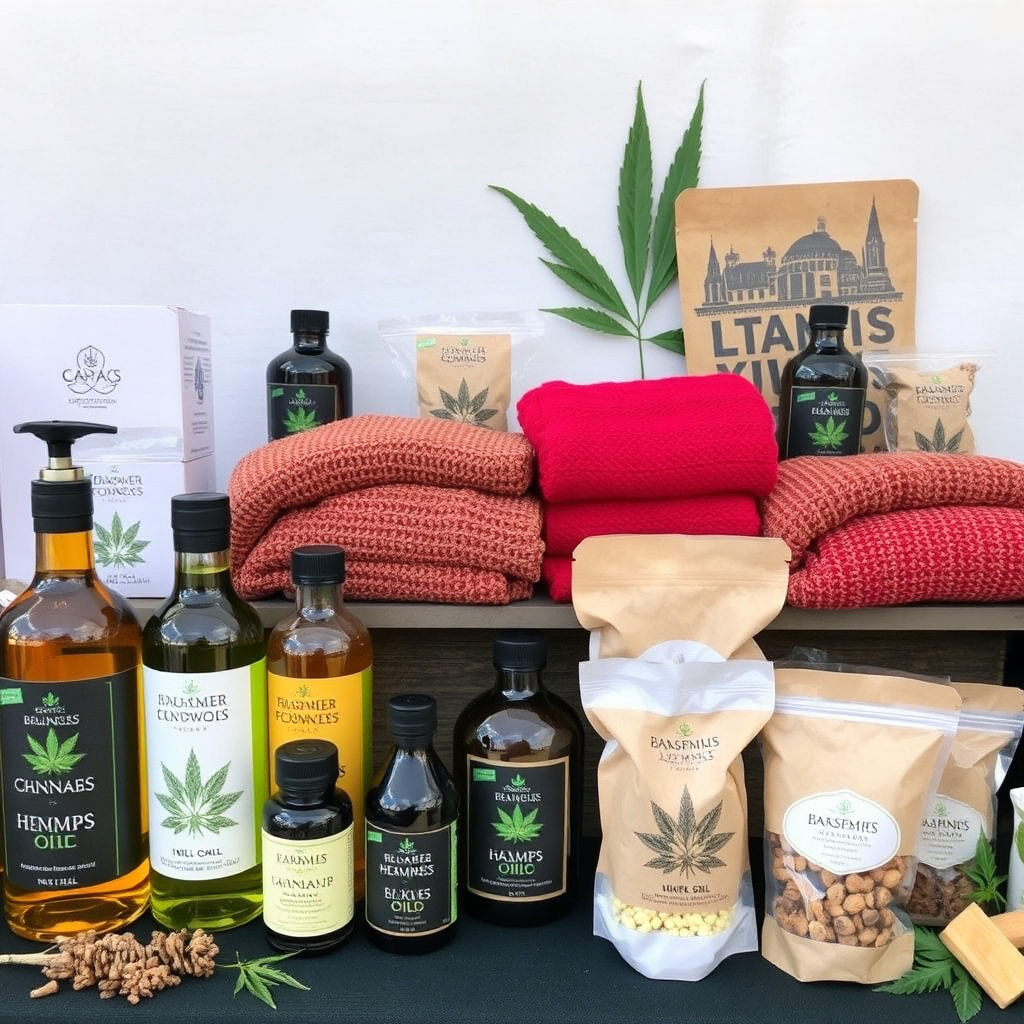
Beyond consumables, legal hemp is used in textiles, construction materials, bioplastics, and more. These industrial hemp products benefit from a clear federal legal pathway, enabling companies to innovate and market hemp-based goods with fewer regulatory hurdles than marijuana-derived products.
Industrial hemp fibers and seeds have broad legal acceptance, provided the originating hemp was grown according to federal and state regulations.
Rules for Cultivating Hemp on a Federal Level
Licensing Requirements for Growers
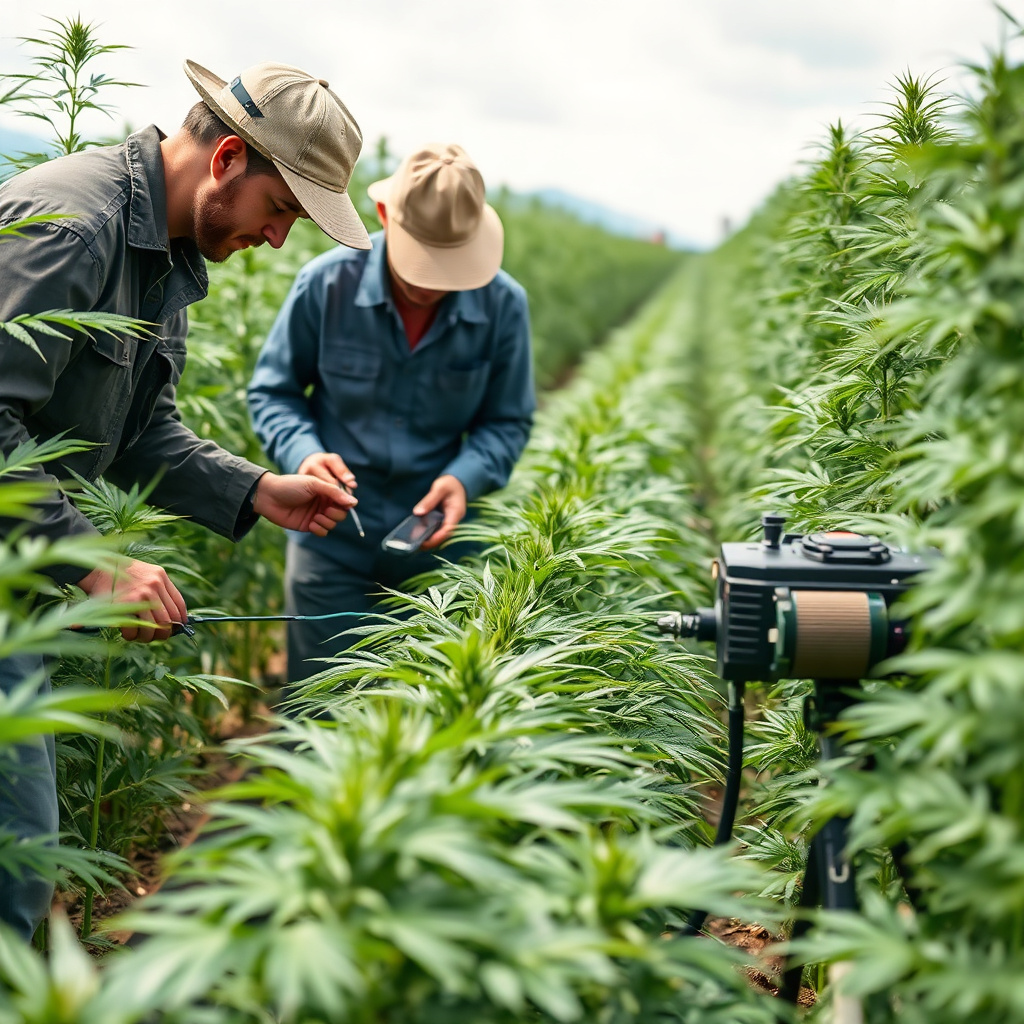
All hemp cultivators at the federal level must apply for a license from their state or the USDA directly. This license mandates the grower follow state and federal protocols including field inspections and THC testing schedules.
Failure to meet licensing or compliance standards can result in penalties including crop destruction, highlighting the significance of regulatory adherence in hemp farming.
THC Testing and Compliance
Hemp crops require testing near the end of their growth cycle to ensure THC levels do not exceed 0.3%. Testing labs must be certified, and the samples collected according to strict protocols to guarantee accuracy.
If THC levels surpass legal limits, farmers must destroy or remediate the crop, and those plants cannot be sold or used commercially, underscoring the importance of ongoing compliance.
Challenges and Enforcement in Federal Hemp Laws
Interstate Transport and Legal Issues
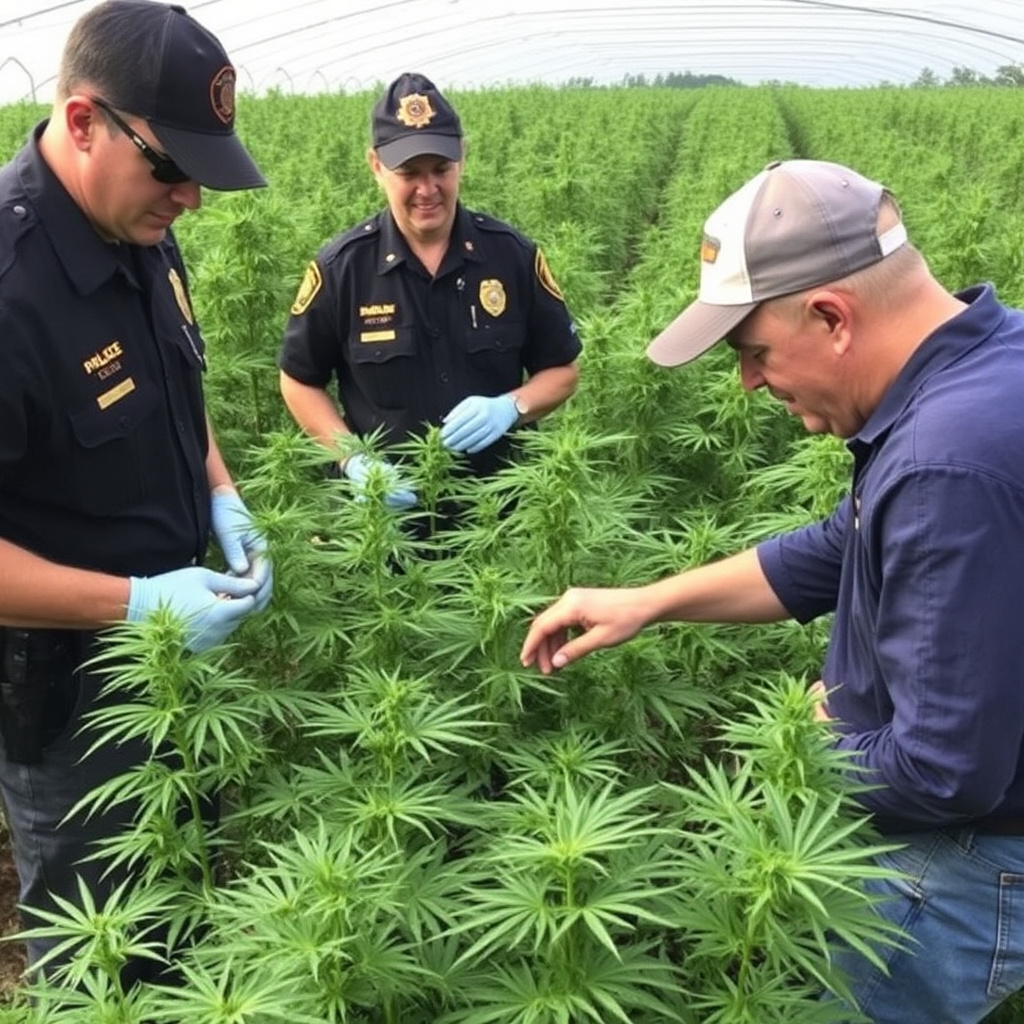
Federal law protects hemp shipments across state lines, but variations in state laws can lead to confusion or seizures by law enforcement unfamiliar with hemp's legal status. Compliance paperwork and proper licensing are critical to reduce conflict during transport.
Recent cases of misidentified hemp shipments have spurred calls for better education and uniformity across federal and state agencies.
Ongoing Regulatory Uncertainty
Even with federal legalization, hemp’s regulatory environment remains complex, particularly regarding CBD consumer products and marketing claims. Agencies like the FDA continue to debate how to manage hemp-derived substances legally and safely.
These uncertainties can affect businesses’ ability to innovate and scale production within hemp markets.
How to Stay Compliant with Hemp Legal Requirements
Best Practices for Licensing and Reporting
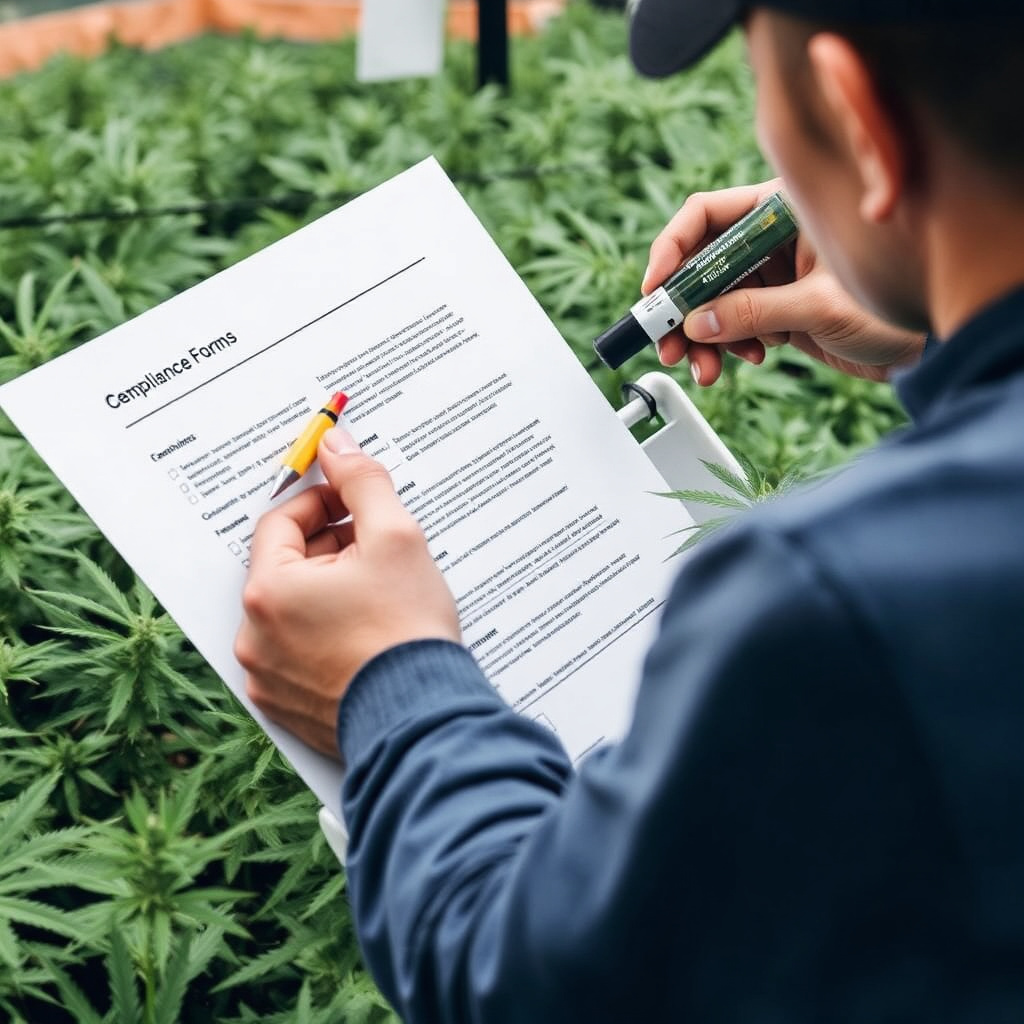
Keep detailed records of all hemp production activities, including seed sourcing, planting dates, THC test results, and sales. Maintaining transparency with state and federal agencies can help avoid penalties.
Regularly renewing licenses, following updated USDA guidance, and submitting timely reports reduce the risk of non-compliance.
- Document seed origin and certification
- Schedule timely THC testing
- Submit accurate harvest reports
For a detailed history and overview of hemp as a plant and industry, you can explore the Hemp article on Wikipedia. Hemp on Wikipedia.
Working with Legal and Agricultural Experts
Consulting with lawyers specialized in cannabis law and agricultural extension services can clarify obligations and interpret changing regulations. These experts help growers and businesses navigate complex legal landscapes effectively.
Joining hemp producer associations also provides community support and access to up-to-date regulatory resources.
- Legal counsel for contract and regulatory advice
- Agricultural extensions for best farming practices
Hemp Legal Status: Federal vs. State Regulatory Approaches
This table contrasts major federal provisions with common state approaches to hemp regulation, highlighting differences growers and businesses should understand.
| Jurisdiction | Licensing Process | THC Limit | Testing Frequency | Product Restrictions |
|---|---|---|---|---|
| Federal USDA Program | Federal licensing via USDA or state agencies | 0.3% THC | At harvest or pre-harvest | Standard restrictions, no food approval for CBD |
| State Program Example: Colorado | State-issued licenses with USDA approval | 0.3% THC or lower in some cases | Multiple test points and inspections | State regulates CBD food products more strictly |
| State Program Example: Texas | State licenses required, USDA compliant | 0.3% THC | Testing 30 days before harvest | Limits on hemp product sales apply |
| No State Program (Federal Only) | Direct USDA licensing | 0.3% THC | Testing per USDA standards | Strictly follows federal product rules |
Frequently Asked Questions
Is all hemp federally legal regardless of THC content?
No, hemp is only federally legal if it contains no more than 0.3% THC by dry weight. Anything above this level is classified as marijuana and remains illegal federally.
Can hemp be shipped across state lines?
Yes, federally legal hemp can be transported across state lines, but it must be accompanied by proper documentation to prove compliance with federal laws.
Does federal legalization mean all hemp CBD products are legal?
Federal legalization allows hemp-derived CBD production, but the FDA regulates CBD products and restricts their use in foods and supplements without approval.
Are hemp farmers required to test their crops for THC?
Yes, growers must submit crop samples for THC testing as mandated by the USDA or state programs to confirm compliance before harvest.
Do all states treat hemp the same way legally?
No, states vary widely in hemp regulation; some have rigorous licensing and restrictions, while others rely on the federal framework alone.
Key Takeaways
- Hemp is federally legal under the 2018 Farm Bill with a THC limit of 0.3%.
- Individual states may impose additional hemp regulations or licensing requirements.
- Hemp-derived CBD products fall under separate FDA regulations despite federal hemp legality.
- Compliance with licensing, testing, and transport laws is essential for legal hemp operations.
Conclusion
Determining whether hemp is legal federally hinges on understanding the 2018 Farm Bill, which classifies hemp as an agricultural commodity with a strict THC concentration limit of 0.3%. This distinction removes hemp from the federal list of controlled substances, enabling broad legal cultivation and commerce. However, federal legalization is only one part of the picture, as U.S. states implement their own hemp regulations based on USDA guidelines or independent programs. Successfully navigating hemp’s legal status requires awareness of both federal mandates and state-specific rules, especially for licensing, testing, and compliance. When farmers and businesses align operations with these requirements, they can operate within the law and harness hemp’s economic potential.
For producers seeking a straightforward regulatory path, participating in states with approved hemp plans, such as Colorado or Texas, offers the benefit of state and federal oversight designed to support the industry. Conversely, areas without state hemp programs require strict adherence to the USDA’s direct federal licensing system. Meanwhile, industrial hemp uses like textiles and fiber production typically see less regulatory friction, whereas CBD products face more complex federal and state scrutiny, particularly surrounding FDA enforcement. Knowing where a business fits within these categories enables better decision-making and risk assessment when launching or expanding hemp-related ventures.
If you are planning to grow, process, or sell hemp or hemp products, the best start is understanding the specifics of your state’s hemp laws alongside federal regulations. Securing proper licenses, performing regular THC testing, and consulting with legal experts or agricultural advisors will help minimize compliance risks. Staying informed through official government resources and hemp associations can also assist in adapting as policies evolve. With federal legalization clarified but regulatory details still evolving, careful preparation and proactive management remain key to benefiting from hemp’s expanding marketplace.