Understanding Seed Viability: How to Determine and Preserve It
Seed viability refers to the ability of a seed to germinate and grow into a healthy plant under suitable conditions. It reflects whether a seed is alive and capable of sprouting, which is critical for gardeners, farmers, and conservationists aiming for successful cultivation.
Knowing seed viability matters because planting non-viable seeds wastes time, effort, and resources. Seed viability declines naturally over time and with improper storage, making it vital to understand how to test viability and maintain seed health.
This article explores what affects seed viability, common methods for testing it including practical home techniques, storage conditions that preserve viability, and how seed viability influences germination rates and planting decisions.
What Determines Seed Viability

Physiological Factors Affecting Viability
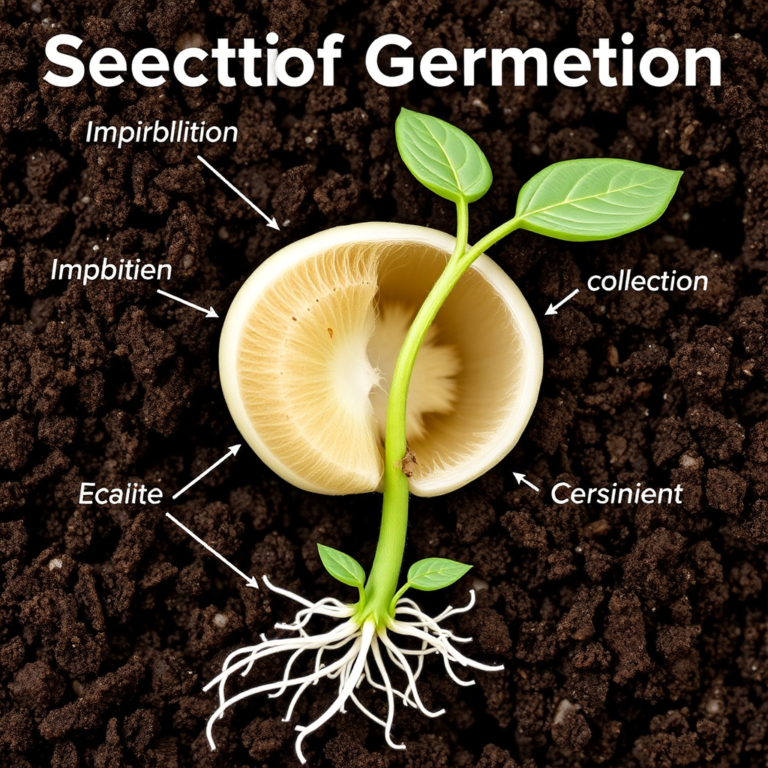
Seed viability depends largely on internal seed health including embryo condition and moisture content. The embryo must be alive and undamaged while moisture levels must be balanced—neither too dry nor too wet—to maintain metabolic activity necessary for germination.
Genetic factors also influence viability; some plant species naturally have shorter seed lifespans, while others produce seeds that remain viable for years. Damage from pests or diseases can irreversibly impair viability even before storage begins.
Environmental Impacts on Seed Lifespan
Exposure to fluctuating temperatures, humidity, and light during storage or in the field accelerates seed deterioration. Extreme heat or moisture causes enzymatic breakdown and microbial growth, harming seed viability quickly.
Seeds stored in cool, dry, and dark conditions tend to retain viability much longer. Even brief exposure to adverse elements during transport or handling can reduce germination potential significantly.
- Temperature fluctuations degrade seed cells
- High humidity promotes mold growth
- Light exposure can trigger premature germination processes
Methods to Test Seed Viability

Practical Home Testing Techniques
The simplest viability test is the germination test: place several seeds on a moist paper towel, keep them warm, and observe how many sprout within a set period. The germination rate estimates viability percentage.
The float test is another quick method where healthy seeds generally sink in water while non-viable ones float. However, it’s less reliable as some viable seeds can float too, so it’s best used alongside germination testing.
- Germination test takes 7-14 days
- Float test provides instant rough estimate
- Testing multiple seeds improves accuracy
Laboratory Viability Assessments
Seed labs use tetrazolium staining to confirm viability by staining living seed tissues red, indicating metabolic activity even if germination hasn’t yet occurred. This method is more precise but requires chemical handling.
Other lab tests measure seed moisture content, vigor, and electrical conductivity to predict viability and seed lot quality more comprehensively, aiding commercial producers in seed selection.
Seed Storage Conditions to Preserve Viability
Optimal Temperature and Humidity Levels
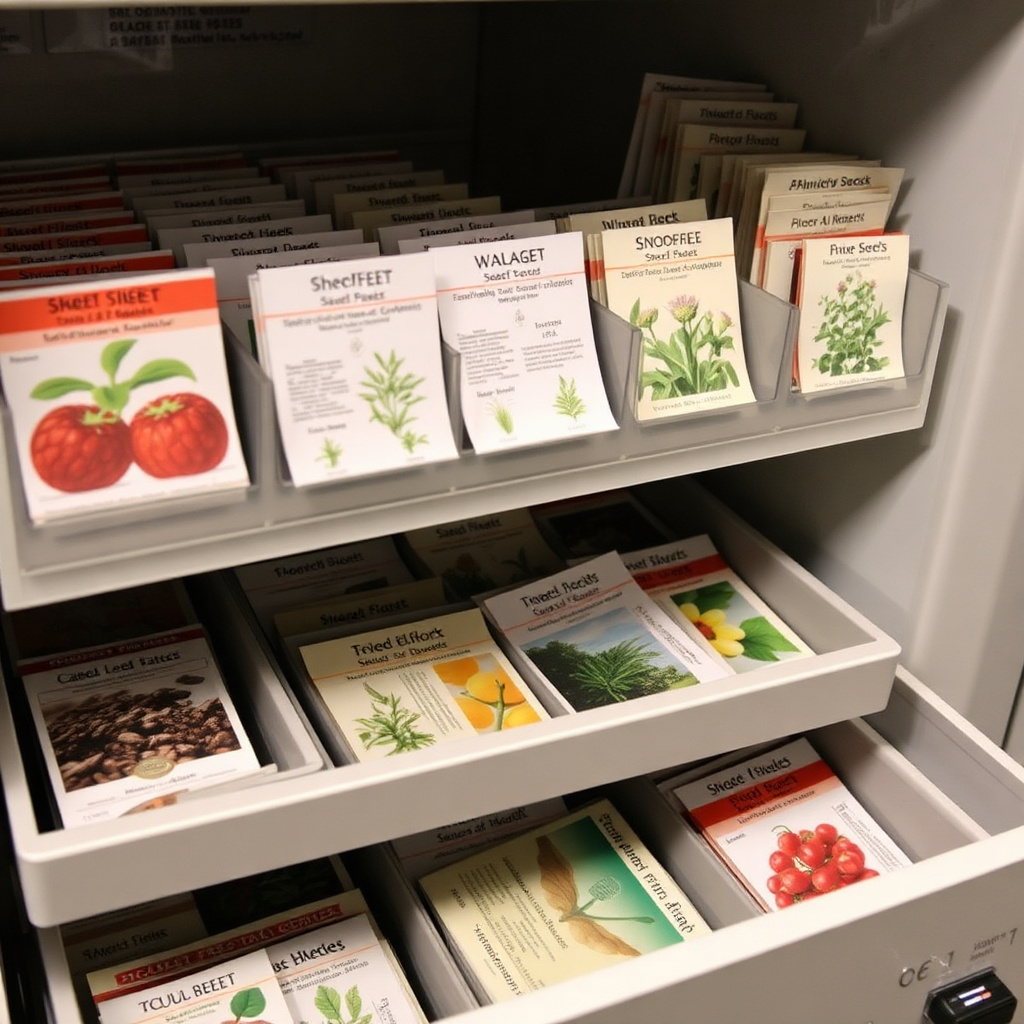
Seeds last longest when stored at temperatures below 10°C (50°F) and relative humidity under 50%. These conditions slow metabolic processes and prevent mold, delaying aging and maintaining viability.
Refrigerators or seed banks designed for long-term storage maintain these conditions. For short-term storage, a cool, dry closet away from light and moisture is sufficient.
- Ideally 5-10°C temperature
- Humidity around 20-30%
- Use airtight containers to limit moisture
For more on this, see our related guide: What Causes Seeds to Lose Viability and How to Prevent It.
Packaging and Storage Practices
Transparent packaging exposes seeds to light, which can reduce viability over time. Opaque or foil-lined seed envelopes resist light and moisture penetration better.
Proper labeling with collection date and seed type helps track seed age, since viability reduces naturally each year. Periodic retesting ensures seeds used remain viable.
- Avoid plastic bags without desiccants
- Use breathable but protective containers
- Label all seed batches clearly
Impact of Seed Viability on Germination and Growth
Correlation Between Viability and Germination Rate
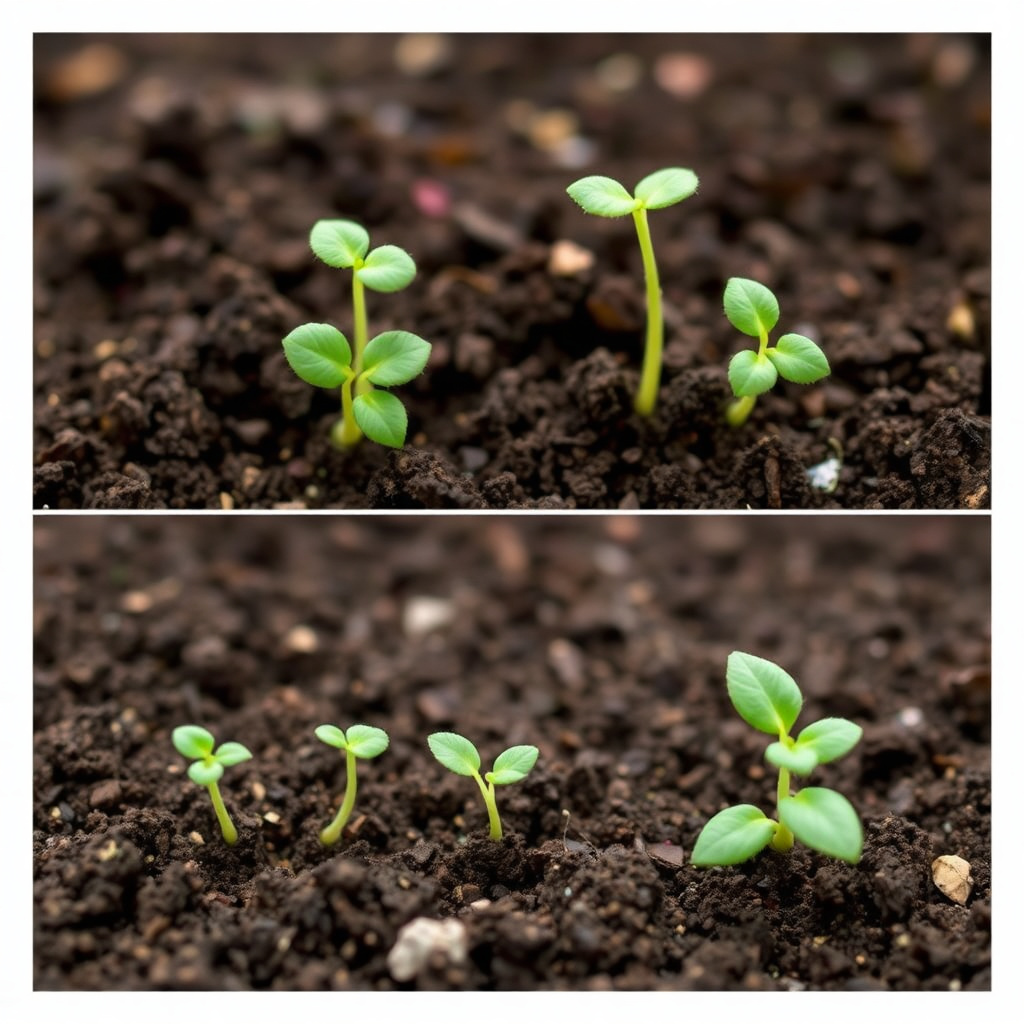
Seed viability directly determines germination rate, with higher viability causing more seeds to sprout promptly. Low viability leads to patchy, delayed, or failed germination, affecting crop yield or garden success.
Knowing the viability of a seed batch guides planting density. Planting more than recommended compensates for low viability but wastes resources if the viability is actually high.
Effects on Seedling Vigor and Survival
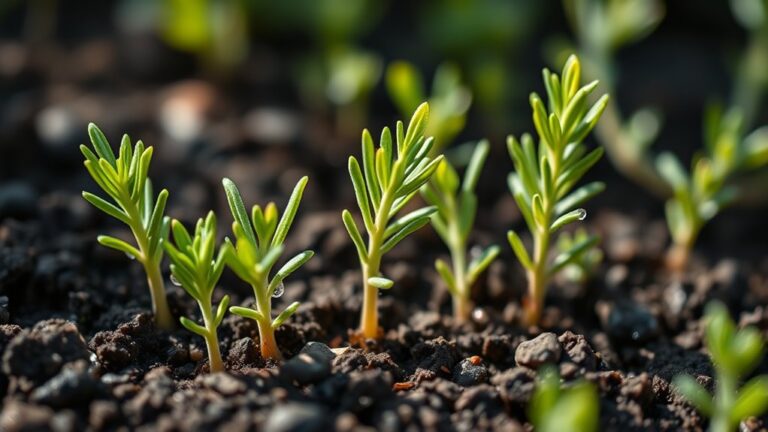
Viable seeds not only germinate well but also tend to produce vigorous seedlings better equipped to survive early stresses. Non-viable seeds may produce weak or malformed seedlings that soon die off, lowering overall plant population.
Gardening and farming outcomes improve significantly by selecting seeds with confirmed high viability, key for uniform growth and disease resistance.
Testing Seed Viability for Different Plant Types

Annual and Vegetable Seeds
Annual crops like tomatoes and carrots have seeds that generally remain viable for 3-5 years under good storage. Germination testing before planting ensures they have not lost viability over seasons.
Vegetable seeds often vary in size and dormancy patterns requiring tailored pre-germination treatments such as soaking or scarification to maximize germination and accurately assess viability.
For more on this, see our related guide: How to Store Seeds Long Term for Maximum Viability and Freshness.
Perennial and Flower Seeds
Perennial plant seeds and many flowers sometimes require stratification or cold treatment to break dormancy before they can germinate, complicating viability tests. Viability testing must incorporate these factors for accuracy.
Flower seeds vary widely in viability span, with some lasting only a year and others viable for decades if conditions are ideal. Periodic testing helps decide when to refresh seed stock.
Maintaining and Enhancing Seed Viability

Seed Treatment Techniques
Treatments such as drying seeds thoroughly before storage, or freezing seeds for long-term conservation can improve preservation of seed viability markedly.
Applying fungicides or anti-microbial seed coatings prevents mold and decay during storage, though care must be taken to avoid chemical damage affecting viability.
- Dry seeds to <8% moisture
- Freeze seeds for decades
- Use fungicide treatments cautiously
For more detailed scientific background, see the seed viability overview on Wikipedia. Seed viability on Wikipedia.
Regular Monitoring and Refreshing Seed Stocks
Viability declines gradually even under ideal conditions, so periodic testing every 1-3 years helps identify when seed lots should be replaced.
Maintaining a seed bank with diverse genotypes and fresh collections as backups ensures planting success over time, especially for rare or heirloom varieties.
Seed Viability Testing Methods Comparison
This table compares common seed viability testing methods highlighting accuracy, time, and practicality.
| Method | Accuracy | Time Required | Equipment Needed | Best Use Case |
|---|---|---|---|---|
| Germination Test | High | 7-14 days | None | Home gardeners and small seed lots |
| Float Test | Low to Moderate | Minutes | None | Quick rough viability check |
| Tetrazolium Staining | Very High | 1-2 days | Chemical stains, lab | Commercial seed testing, research |
| Moisture Content Analysis | Moderate | Hours | Moisture meter | Storage condition monitoring |
Frequently Asked Questions
How can I quickly check if my seeds are still viable?
A simple germination test by sprouting a few seeds on a moist paper towel in warmth offers a quick and reliable way to check viability within 1-2 weeks.
Can seed viability be restored once seeds fail to germinate?
Once seeds lose viability, it cannot be restored. Proper storage and handling before failure are key to maintaining seed life.
Does old seed always have low viability?
Not always. Some seeds like tomato or corn remain viable for several years if stored well, but most seed viability declines with age.
What is the difference between seed viability and germination rate?
Seed viability is the potential for a seed to germinate, while germination rate is the actual percentage of seeds that successfully sprout under test conditions.
How does moisture affect seed viability?
Excess moisture promotes mold and seed decay, while too little moisture can desiccate seeds; balanced moisture is critical to preserve viability.
Key Takeaways
- Seed viability indicates a seed's potential to germinate and grow.
- Testing viability via germination tests is practical and reliable.
- Proper storage in cool, dry, and dark conditions preserves viability.
- Viability impacts germination rates and seedling vigor.
Conclusion
Understanding seed viability is essential for anyone looking to grow plants successfully from seed. It serves as a measure of how likely seeds are to produce healthy plants when sown. This makes testing viability a practical step to predict planting outcomes, especially for older seed batches or critical crops. Recognizing the environmental and physiological factors that affect viability helps users maintain seed health and avoid losses.
For gardeners and farmers, utilizing germination tests and taking care to store seeds in cool, dry places ensures the highest likelihood of germination, linking directly to better crop yields or garden performance. Treatments such as drying seeds properly before storage and occasional viability testing every few years help maintain seed quality, particularly for annual vegetables and perennials whose seeds may have dormancy characteristics. Choosing the right storage materials and understanding when to refresh seed stocks are practical measures that safeguard plant propagation efforts.
Given the importance of seed viability, the next best step is to apply a simple germination test on your current seeds to evaluate their health. Regularly monitor how seeds are stored and adopt moisture and temperature controls where possible. For those dealing with large seed quantities or rare varieties, lab-based tests like tetrazolium staining offer detailed insights. Embracing these practices maximizes plant growth success and preserves valuable genetic resources over time.