How to Store Seeds Properly for Maximum Germination and Longevity
Storing seeds properly involves controlling moisture, temperature, and light exposure to maintain seed viability over time. The key is to keep seeds dry, cool, and in airtight containers to prevent mold, insects, and premature sprouting.
Proper seed storage matters because improperly stored seeds lose the ability to germinate, leading to wasted planting efforts and costly replacements. Moisture is often the biggest destroyer of seeds, followed by warmth and exposure to light during storage.
This article explains methods and best practices for seed storage at home, from ideal containers and storage locations to drying techniques and labeling tips. You’ll also find comparisons of common storage options and answers to frequent questions about seed care.
Understanding Seed Viability and Storage Fundamentals
What Affects Seed Viability?
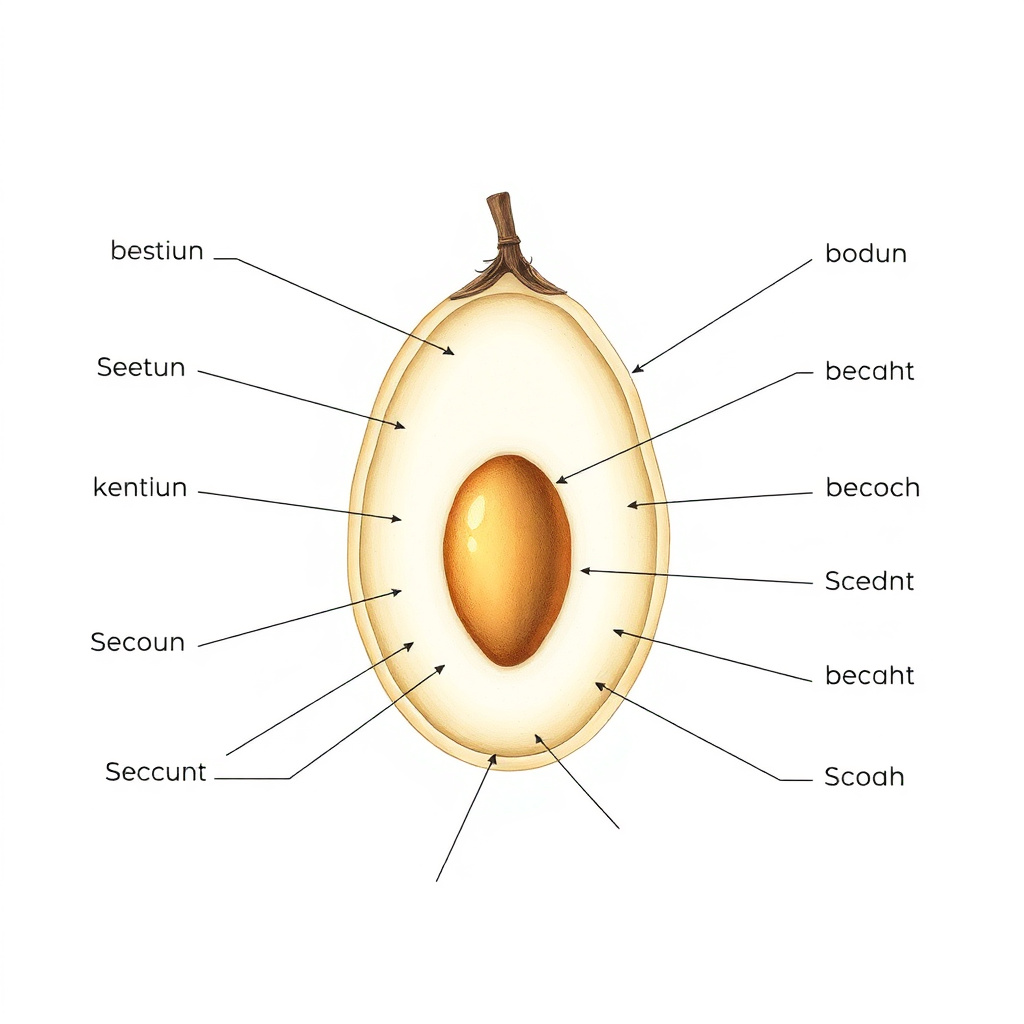
Seed viability depends on factors such as moisture content, temperature, and oxygen exposure. When seeds absorb moisture, they become more prone to fungal growth and premature sprouting, which reduces lifespan. Lower temperatures slow down metabolic processes that can degrade seed quality.
Each seed type has a natural lifespan, but storage conditions can extend it significantly. Seeds with hard coatings typically tolerate storage better, but thin-coated seeds require especially careful handling to retain germination.
Why Proper Storage Conditions Matter
Storing seeds under improper conditions can cause molds, rot, or early sprouting. High humidity encourages fungal contamination, while fluctuating temperatures can cause condensation inside containers, damaging seeds.
Light exposure can trigger some seeds to break dormancy prematurely. Therefore, darkness and stable, cool temperatures help maintain seed quality longer.
Preparing Seeds Before Storage
Harvesting Seeds at the Right Time
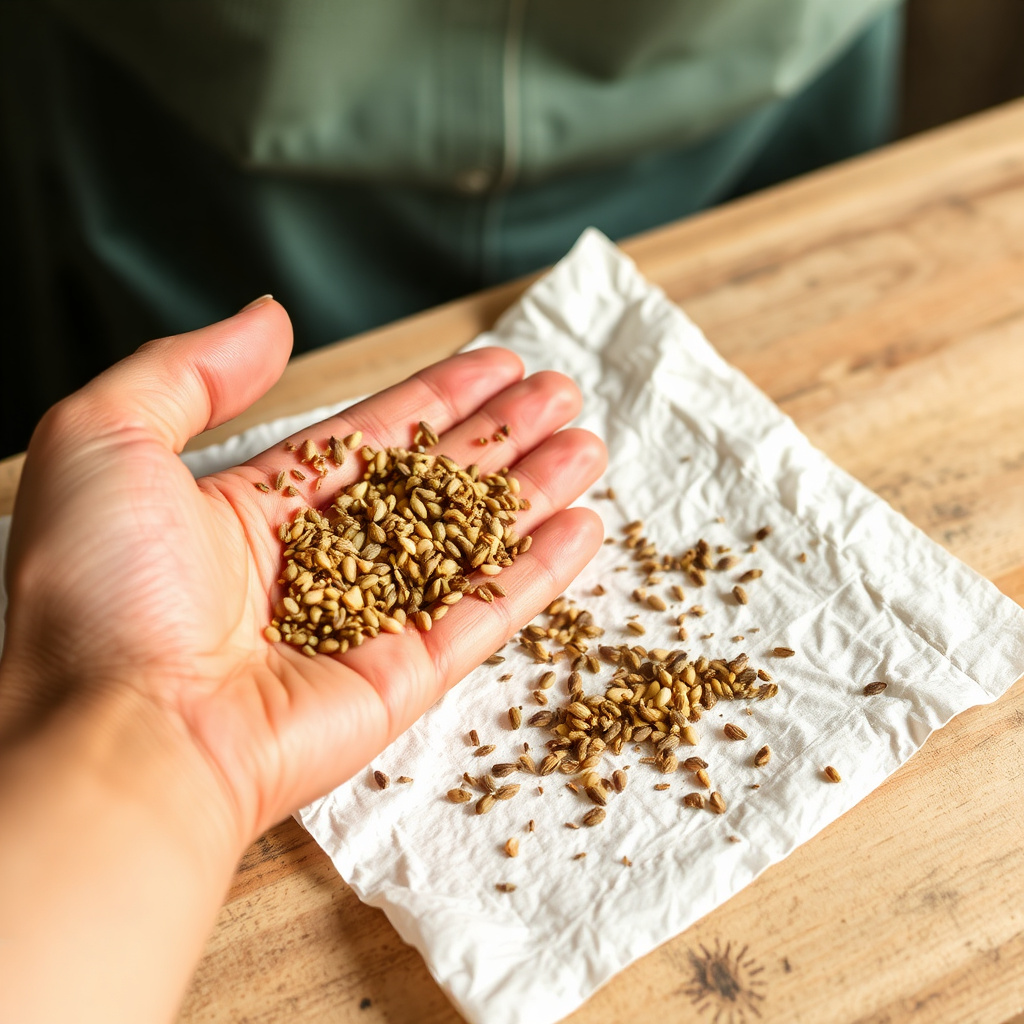
To store seeds properly, start by harvesting them at full maturity but before natural seed dispersal. Immature seeds may not germinate well, while overripe seeds can rot or attract pests.
For many species, letting seed pods dry slightly on the plant helps ensure mature, viable seeds. After collecting, clean seeds by removing chaff, fruit pulp, or dirt.
- Harvest seeds when pods are dry or starting to split
- Avoid seeds that look damaged or deformed
Drying Seeds Thoroughly
Before storing, seeds must be dried to a low moisture level to prevent mold and decay. Spread seeds thinly on paper towels or mesh screens in a ventilated, shaded area for several days to one week depending on humidity.
Be cautious not to expose seeds to direct sunlight or heat sources during drying, as excessive heat can kill embryo cells inside the seed.
- Use silica gel packets for faster drying
- Store completely dry seeds only
Choosing the Right Storage Containers
Airtight Containers Preserve Seed Quality
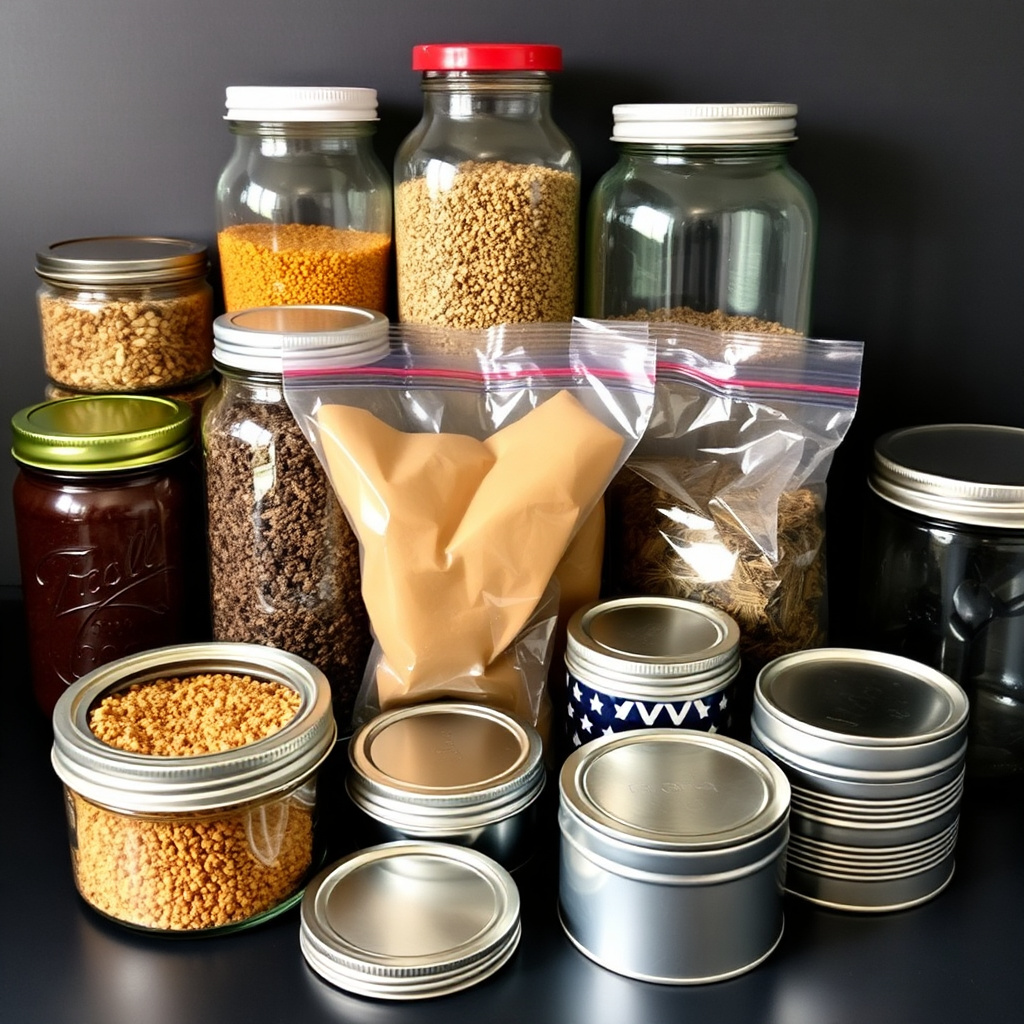
Seeds store best in containers that exclude moisture and air exchange. Glass jars with rubber seals, vacuum-sealed bags, and well-sealed metal tins provide airtight environments that keep humidity low.
Plastic bags can work if sealed well but risk punctures or leaks over time. Using containers with moisture absorbers further improves longevity.
- Glass mason jars with seals
- Vacuum-seal bags
- Metal tins with tight lids
For more on this, see our related guide: How to Store Seeds Long Term for Maximum Viability and Freshness.
Avoiding Containers That Harm Seeds
Containers that allow moisture entry, like paper envelopes or unsealed bags, increase the risk of mold and fungal growth. Also, materials that off-gas chemicals should be avoided as these may harm seeds.
Clear containers can let in light, which some seeds react poorly to, so opaque or dark-colored storage vessels are preferable for long-term storage.
- Avoid paper or cloth bags for long terms
- Avoid non-food-safe plastics
Optimal Storage Environments for Seeds Properly Stored

Cool, Stable Temperatures Are Key
Seed longevity increases at temperatures between 32°F and 41°F (0-5°C). This slows down metabolism and minimizes moisture fluctuations. Refrigerators or dedicated seed storage coolers work well for this purpose.
Avoiding temperature swings prevents condensation buildup inside storage containers, which can cause seeds to rot or sprout prematurely.
- Store seeds in refrigerator crisper drawers
- Use a thermometer to monitor temp
Control Humidity to Prevent Moisture Damage
Maintaining relative humidity below 50% is ideal during seed storage. Using desiccants like silica gel packets inside containers can absorb residual moisture and maintain dryness.
Sealed containers combined with humidity control help seeds stay dry, reducing chances of fungal growth or insect infestation.
- Use airtight containers with desiccants
- Replace silica gel packets after saturation
Labeling, Organizing, and Monitoring Stored Seeds
Effective Labeling for Long-Term Tracking
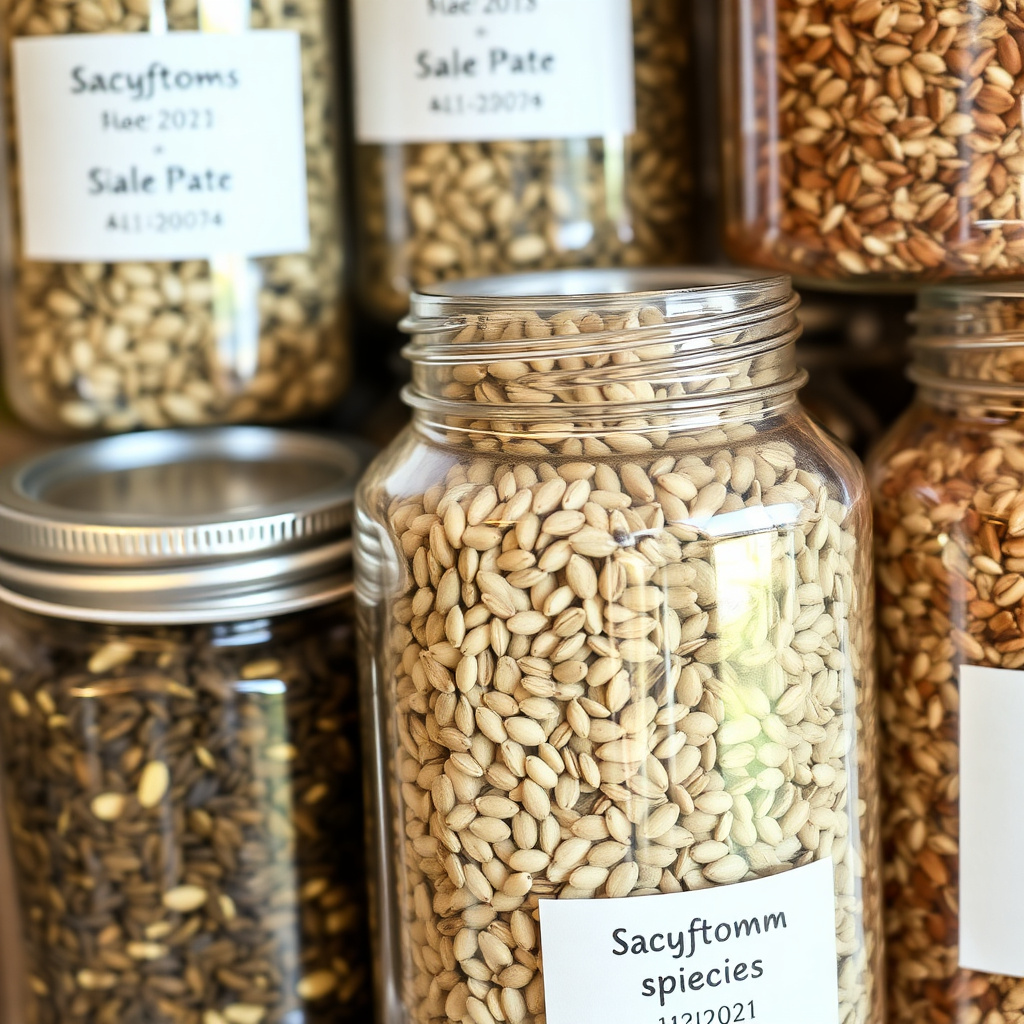
Label all seed containers with species name, harvest date, and storage start date. Include source or variety info if relevant. This helps track viability timelines and avoid confusion later on.
Use waterproof labels or write on masking tape attached to containers. Accurate labeling saves time and stress during planting season.
- Label with permanent marker
- Include germination test dates if done
For more on this, see our related guide: Why Are My Seeds Not Sprouting? Common Causes and Solutions.
Periodically Checking Seed Viability
Test seed germination annually by planting a small sample before full sowing. This identifies if older seeds remain viable or need replacement.
Inspect stored seeds for signs of moisture damage like clumping, mold, or off smells and discard compromised seeds to protect others.
- Perform germination tests yearly
- Discard seeds with mold or foul odor
Special Techniques for Seeds With Unique Storage Needs

Refrigeration and Freezing for Orthodox Seeds
Orthodox seeds, such as beans and lettuce, tolerate drying and freezing well. Storing them in airtight containers inside freezers can extend viability for several years if moisture is controlled.
Avoid thawing and refreezing as condensation damages seeds. Instead, withdraw small batches as needed from cold storage.
- Freeze only fully dried orthodox seeds
- Handle frozen seeds with care
For additional details on seed storage science and global seed banks, visit the seed storage basics on Wikipedia. Seed storage basics on Wikipedia.
Handling Recalcitrant Seeds
Recalcitrant seeds, like avocado or mango, cannot survive drying or freezing and must be planted quickly or kept moist with careful humidity control.
Such seeds need refrigeration but not freezing, often stored on moist substrates in breathable containers to slow metabolism without drying out.
- Store recalcitrant seeds moist and cool
- Avoid drying or freezing these seeds
Seed Storage Method Comparison
Here is a comparison of popular seed storage methods detailing their effectiveness, cost, and suitability for various seed types.
| Storage Method | Typical Lifespan Extension | Cost | Best For |
|---|---|---|---|
| Glass jars with silica gel | 3-5 years | Moderate | Most dry seeds |
| Vacuum sealed bags in freezer | 5-10 years | Higher | Orthodox seeds |
| Paper envelopes in cool dry place | 1-2 years | Low | Short-term storage |
| Refrigerator storage in airtight containers | 3-7 years | Moderate | Most seed types |
| Moist, cool storage (recalcitrant seeds) | Weeks to months | Low | Recalcitrant seeds only |
Frequently Asked Questions
Can I store seeds in the freezer?
Freezing seeds can be very effective for orthodox seeds if they are fully dried and stored in airtight containers. Avoid freezing seeds that are not properly dried or those classified as recalcitrant.
How long do seeds stay viable if stored properly?
Seed viability varies with species but generally ranges from 1 to 10 years under proper storage conditions of low moisture and cool temperatures.
What level of humidity is best for seed storage?
Relative humidity below 50% is ideal to prevent seed deterioration. Using desiccants inside containers helps maintain low humidity.
Is refrigeration necessary for storing seeds?
Refrigeration helps extend seed life for many types by maintaining cool, stable temperatures, but it is not required for all seeds if other conditions like dryness and darkness are met.
How can I tell if stored seeds are still good?
Test a small batch by planting them to check germination rates or look for signs like mold, discoloration, and abnormal odors that indicate deterioration.
Key Takeaways
- Keep seeds dry, cool, and in airtight containers to maximize longevity.
- Proper drying before storage is essential to prevent mold and sprouting.
- Label seed containers with species and dates for easy management.
- Store orthodox and recalcitrant seeds using methods suited to their needs.
Conclusion
When deciding how to store seeds properly, balancing moisture control, temperature, and container choice is central to maintaining viability. Understanding the biology of the seeds you're storing helps guide whether refrigeration, freezing, or just dry, cool cupboard storage is best. Reliable labeling and periodic germination tests support long-term seed use and reduce surprises at planting time.
For general garden seeds such as beans, lettuce, and herbs, drying thoroughly followed by storage in airtight glass jars with silica gel in the refrigerator provides dependable results for 3 to 5 years or longer. Vacuum sealing frozen packets extends their viability further, making it an option for experienced gardeners with large seed collections. Conversely, for seeds that cannot tolerate drying or freezing, like avocado or mango, moist cool storage with frequent use is the best approach.
Your next step is to gather suitable containers like sealable glass jars or vacuum bags and layout drying space free from direct sunlight. Start by sorting seeds by type and drying status, then store them according to their biological needs. Regularly check your seed stash yearly with germination tests to maintain a healthy supply for future growing seasons.