What Is a Feminized Cannabis Seed and How to Choose the Best Ones
A feminized cannabis seed is specifically bred to grow into a female plant, which is the type that produces the potent flowers sought for cannabis consumption. Unlike regular seeds that produce both male and female plants, feminized seeds are almost guaranteed to yield female plants, eliminating the need to identify and remove males during cultivation.
This distinction matters because male cannabis plants do not produce flowers rich in cannabinoids like THC or CBD, and they can fertilize female plants leading to seed production instead of flower production. Therefore, growing feminized seeds helps maximize harvest quality and efficiency by focusing solely on flower-producing females.
This article will explain the science behind feminized cannabis seeds, advantages and disadvantages, how these seeds are produced, and tips on choosing the best feminized cannabis seeds for your growing goals. We will also cover common questions growers have and compare feminized seeds with other seed types.
Understanding Feminized Cannabis Seeds

What Makes a Seed Feminized?
Feminized cannabis seeds come from female plants that have been induced to produce pollen, which then fertilizes other female flowers. This process results in seeds that carry only female chromosomes, ensuring the plant that grows will be female. The absence of male chromosomes is the key to why these seeds consistently produce female plants.
Growers induce pollen production through stress or chemical treatments such as colloidal silver or silver thiosulfate, which suppress male chromosomes. These feminized seeds therefore bypass the natural 50/50 chance of male or female offspring typical in regular seeds.
- Chromosome manipulation ensures female-only offspring
- Pollen from stressed female plants fertilizes other females
- Chemical treatments commonly used to induce pollen production
- Nearly 100% female plants from these seeds
Regular Seeds vs. Feminized Seeds
Regular cannabis seeds have roughly a 50% chance to be male or female. This means growers often must identify and remove male plants early to prevent fertilization. This can lead to wasted time and space if males are grown unintentionally.
Feminized seeds eliminate this problem by producing female plants almost exclusively. However, regular seeds can be useful for breeders or those looking to develop new strains, as they offer the natural genetic variety of both sexes.
- Regular seeds produce both sexes; feminized produce mainly females
- Feminized seeds reduce need for early plant sex identification
- Breeders often prefer regular seeds to create new hybrids
- Home growers benefit from feminized seeds for consistent crops
Advantages and Disadvantages of Feminized Seeds

Benefits of Feminized Cannabis Seeds
The primary advantage of feminized seeds is reliability; growers get nearly 100% female plants, maximizing flower yield without wasted space. This makes feminized seeds popular for both novice and commercial cultivators.
Feminized seeds also simplify the cultivation process by removing the need to identify and remove male plants early on, saving time and resources. This leads to more consistent crop quality and predictability in results.
- High female plant yield
- Simplified growing process
- Less risk of unwanted pollination
- Consistent cannabinoid-rich flowers
For more on this, see our related guide: Cannabis Seed FAQ: Answers to Your Most Common Questions.
Potential Drawbacks and Limitations
While feminized seeds are ideal for flower production, they can have less genetic diversity which may sometimes lead to less vigorous plants or increased risk of hermaphroditism—when plants produce male flowers under stress and self-pollinate.
These seeds also tend to be more expensive than regular seeds due to the complex production process. Additionally, reliance on feminized seeds limits the ability to breed custom strains without occasional male plants.
- Reduced genetic variability
- Potential for hermaphrodite tendencies
- Higher cost than regular seeds
- Not suitable for breeding purposes
How Feminized Seeds Are Produced

Chemical Techniques for Feminization
The most common method to produce feminized cannabis seeds is applying substances like colloidal silver or silver thiosulfate to female plants. These chemicals suppress the production of ethylene, a hormone responsible for female traits, causing plants to develop male pollen sacs temporarily.
This pollen from chemically treated female plants fertilizes other female flowers, resulting in seeds carrying only female genetics. The process requires careful timing and dosage to avoid harming the plant or producing hermaphrodites.
- Use of ethylene inhibitors such as colloidal silver
- Temporary male pollen production in female plants
- Timing critical to maximize seed production
- Controlled environment necessary for reliability
Stress-Induced Feminization Methods
Stress-based methods induce female plants to produce pollen by exposing them to irregular light cycles, temperature extremes, or physical damage. Stress triggers the plant to develop male flowers as a survival strategy to self-pollinate if mates are unavailable.
While this technique is more traditional, it is less predictable and can increase the chance of hermaphrodites. Commercial seed producers prefer chemical methods for quality and uniformity.
- Light deprivation or temperature shocks induce pollen sacs
- Higher risk of hermaphrodite development
- Used less frequently in commercial production
- Can be done by small-scale growers at home
Choosing the Best Feminized Cannabis Seeds

What to Look for When Buying Feminized Seeds
Quality is paramount when selecting feminized cannabis seeds. Look for reputable breeders or seed banks that guarantee feminization rates above 99%, backed by verified customer reviews and lab testing for purity.
Additionally, consider the genetics of the strain including cannabinoid profile, growth traits, flowering time, and resistance to pests or molds to match your cultivation environment and desired effects.
- High feminization guarantee
- Strain genetics and terpene profile
- Seed bank reputation and reviews
- Adaptation to local growing conditions
For more on this, see our related guide: How to Grow Cannabis from Seed: A Practical Guide for Beginners.
Common Mistakes When Selecting Seeds
One frequent error is buying seeds too cheaply from unverified sources, which can result in poor germination rates or mixed male plants despite feminized labeling. Another mistake is ignoring environmental compatibility and choosing strains unsuited for your climate or setup.
Buyers should also avoid seeds without clear information on their breeding processes, as this raises concerns about stability and potential hermaphroditism down the line.
- Purchasing from unverified sellers
- Ignoring strain-specific requirements
- Overlooking feminization guarantees
- Neglecting to research genetics
Growing Feminized Cannabis Seeds Successfully

Ideal Conditions for Feminized Plants
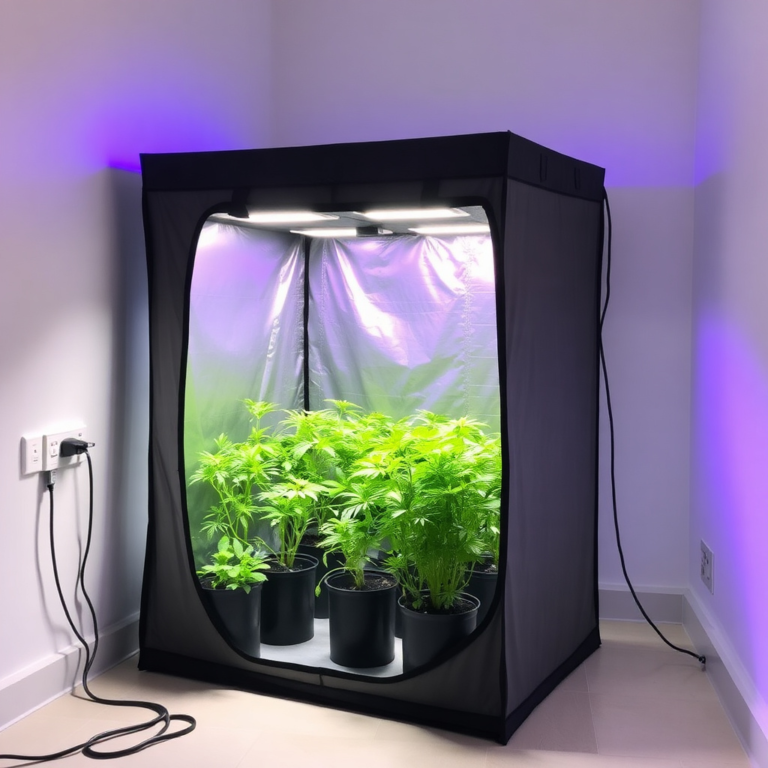
Feminized cannabis seeds require well-controlled light cycles, temperature, humidity, and nutrient levels to thrive and avoid stress that might cause hermaphrodite traits. Most growers use a 18/6 light schedule for vegetative growth and 12/12 for flowering indoors.
Proper ventilation, pest management, and pH-balanced soil or hydroponic mediums also contribute to vigorous female plants with high flower yields.
- Consistent light cycles to induce flowering
- Optimal temperature between 70-85°F (21-29°C)
- Humidity control to prevent mold
- Balanced nutrients for flowering stage
For a more detailed scientific overview of cannabis seed types, the Feminized cannabis seed Wikipedia page offers comprehensive background information. Feminized cannabis seed Wikipedia page.
Avoiding Hermaphroditism in Feminized Plants
Stress is the major trigger for feminized seeds to develop male flowers, so maintaining stable environmental conditions and avoiding physical damage is crucial. Avoid sudden light interruptions during flowering and monitor plants closely for early signs of hermaphroditism.
Selecting seeds from stable feminized genetics and practicing careful cultivation can reduce risks, preserving the female-only crop.
- Maintain stable environment without major stress
- Prevent light leaks during dark periods
- Handle plants gently to avoid injury
- Choose genetics with low hermaphrodite tendencies
Feminized Cannabis Seeds Category Comparison
Here’s a comparison of different feminized seed categories to help choose the best fit for your growing objectives.
| Category | Genetic Stability | Cost | Preferred Use | Risk of Hermaphroditism |
|---|---|---|---|---|
| Chemical-Induced | Very High | $$$ | Commercial grows, reliable female plants | Low |
| Stress-Induced | Moderate | $ | Home growers, experimental breeding | Moderate to High |
| Auto-flowering Feminized | High | $$ | Quick harvest, smaller spaces | Low |
| Regular Seeds | Highest | $ | Breeding and seed production | N/A |
Frequently Asked Questions
Are feminized cannabis seeds guaranteed to produce only female plants?
Feminized seeds are bred to produce nearly 100% female plants, but small chances of hermaphroditism or male flowers can occur due to stress or genetic instability.
How do feminized seeds differ from auto-flowering seeds?
Feminized seeds grow female plants but follow photoperiod light cycles, while auto-flowering seeds flower based on age, regardless of light, often yielding smaller plants.
Can feminized seeds be used for breeding new strains?
Generally no; feminized seeds mostly produce females, limiting breeding options which typically require males to cross genetics.
Do feminized seeds cost more than regular seeds?
Yes, feminized seeds often cost more due to the selective production process and higher genetic assurance.
What causes a feminized plant to become hermaphrodite?
Stress factors like light interruptions, nutrient deficiencies, or damage can cause feminized plants to develop male flowers, risking self-pollination.
Key Takeaways
- Feminized seeds virtually guarantee female cannabis plants for flower production.
- They reduce grower workload by eliminating male plant removal.
- Chemical methods offer more consistent feminization than stress methods.
- Choosing seeds from reputable sources minimizes hermaphrodite risks.
Conclusion
When deciding on feminized cannabis seeds, understanding their production and genetics plays a critical role in successful cultivation. These seeds reliably produce female plants, maximizing flower yields and streamlining the growing process. Balanced against slight risks such as hermaphroditism and higher cost, feminized seeds are invaluable for growers wanting focused, productive crops without dealing with male plants.
For hobbyists or commercial growers prioritizing flower quality and consistency, chemically feminized seeds from trusted breeders provide dependable results. Auto-flowering feminized seeds offer a faster, smaller-scale option with similarly high female rates. Stress-induced feminized seeds are less common but accessible for those experimenting at home. Regular seeds remain valuable for breeders needing both sexes but are less practical for straightforward cultivation.
If you’re ready to grow cannabis for flower, starting with high-quality feminized cannabis seeds tailored to your environment and goals is the best step forward. Research seed banks carefully, consider strain genetics, and prepare your growing space to maintain stable conditions. By doing so, you’ll maximize your chances of a rich, female-only harvest.