What Risks Do Dogs Have With Poppy Seeds?
Many dog owners worry about their pets getting into things they shouldn’t, especially when it comes to everyday foods. If you’re concerned about what your dog might accidentally eat, you’re not alone. Many people struggle with keeping harmful items out of their furry friends’ reach.
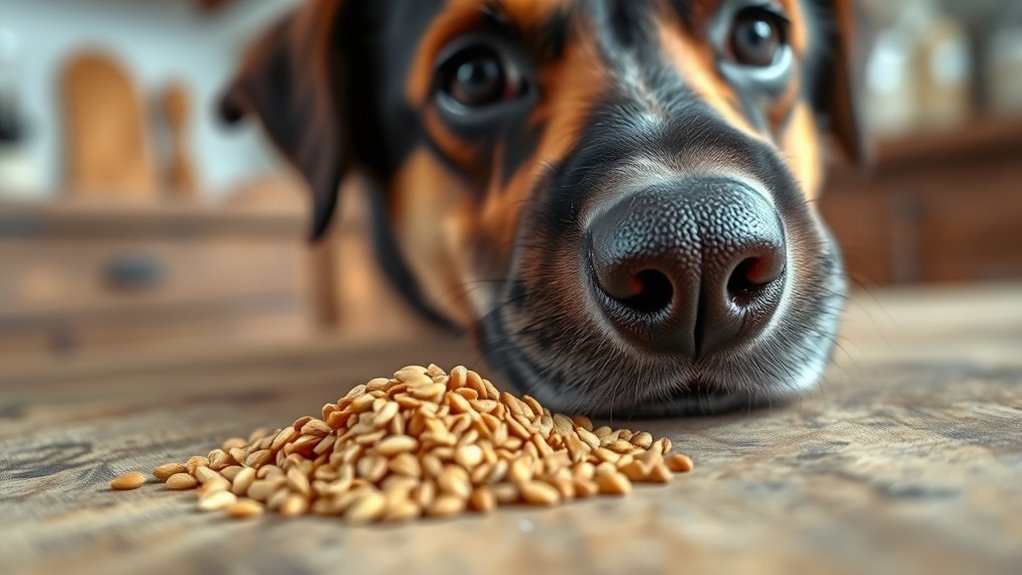
One common question is about poppy seeds and whether they’re safe for dogs. If your dog eats poppy seeds, they could face health risks from trace amounts of opiates in the seeds. These can cause sedation, gastrointestinal upset, or neurological symptoms like confusion or tremors.
Small or sensitive dogs are especially vulnerable, and symptoms may appear quickly. While not highly toxic, exposure warrants caution and quick action.
To learn how to protect your dog and recognize warning signs, keep exploring this important topic.
Key Takeaways
- Poppy seeds contain trace amounts of opiates that can cause sedation, upset stomach, or neurological issues in dogs.
- Even small amounts might be toxic, especially for small, young, or sensitive dogs.
- Signs of poisoning include lethargy, vomiting, disorientation, tremors, and breathing problems.
- Dogs with health issues like liver or kidney problems are at a higher risk of bad effects.
- If your dog eats poppy seeds, get veterinary help right away to avoid serious complications.
What Are Poppy Seeds and Why Are They Used in Food?
Poppy seeds are tiny, oil-rich seeds from the opium poppy plant, known scientifically as Papaver somniferum. They’ve been used in cooking for centuries because of their nutty flavor and crunchy texture.
Poppy seeds are small, oil-rich seeds from the opium poppy, valued for their nutty flavor and crunchy texture.
You’ll find these seeds in baked goods like bagels, muffins, and pastries, where they add a subtle richness. Their origins trace back thousands of years to the Mediterranean and Middle Eastern regions.
Poppy seeds are harvested from seed pods after the flowers fade. They’re popular in foods because they’re versatile—they can be sprinkled on bread, mixed into spice blends, or used as toppings. These seeds are also pressed for oil, which is used in cooking and dressings.
While they enhance many dishes, it’s important to know their origins and uses, especially when considering how they might affect pets like dogs.
Are Poppy Seeds Toxic to Dogs?
While some pet owners wonder if poppy seeds are safe for dogs, the reality is that they can pose significant health risks. Poppy seed safety is questionable because these tiny seeds contain trace amounts of opiates, which can be harmful to dogs if ingested in large quantities.
Even small amounts may cause adverse effects such as sedation, gastrointestinal upset, or neurological symptoms. Poppy seeds are not considered toxic in the strictest sense, but they can still disrupt a healthy canine diet if eaten accidentally.
It’s important to remember that dogs have different metabolisms than humans, and their bodies can’t process certain substances as effectively. So, while a small sprinkle of poppy seeds on your food isn’t usually dangerous, it’s best to avoid giving or exposing your dog to them.
Ensuring your pet’s safety involves understanding how poppy seed safety relates to their overall diet and health.
How Do Poppy Seeds Affect Dogs’ Health?
When your dog eats poppy seeds, it can be pretty risky. These tiny seeds can actually cause toxic effects or even act like opioids, which isn’t good news for your furry friend. They can mess with your dog’s nervous system and might lead to symptoms like drowsiness or breathing problems.
Poppy Seeds and Toxicity
Consuming poppy seeds can pose serious health risks for your dog because they contain natural compounds that may lead to toxicity. Poppy seed origins trace back to the opium poppy plant, and while these seeds are widely used in baking and cooking, they retain trace amounts of alkaloids.
When ingested by dogs, these substances can interfere with their nervous system, potentially causing symptoms like sedation or upset stomach. Although poppy seeds are common in many culinary uses, even small amounts can be risky for dogs.
The seeds’ natural compounds are not meant for canine consumption and can lead to adverse reactions. It’s best to keep poppy seeds out of your pet’s reach to prevent any health complications.
Potential for Opioid Effects
Poppy seeds contain trace amounts of alkaloids from the opium poppy plant, which can affect a dog’s nervous system. These alkaloids can interact with opioid receptors, potentially causing sedation or other neurological issues. Even small amounts might impact your dog’s health, especially if ingested repeatedly or in larger quantities.
Here’s a quick overview:
| Effect | Cause | Symptoms |
|---|---|---|
| Sedation | Activation of opioid receptors | Lethargy, unresponsiveness |
| Respiratory depression | High alkaloid levels | Breathing difficulties |
| Gastrointestinal upset | Mild opioid effects | Vomiting, diarrhea |
| Central nervous system depression | Alkaloid interaction | Disorientation, weakness |
Can Poppy Seeds Cause Opioid-Like Effects in Dogs?
Although poppy seeds contain trace amounts of opiates, they generally don’t cause opioid-like effects in dogs. The small quantities of these substances aren’t enough to activate the canine’s opioid receptors significantly.
Dogs’ metabolism processes these compounds differently than humans, making it unlikely for them to feel sedation, euphoria, or other opioid effects from small amounts of poppy seeds. Most dogs won’t show any signs of opioid influence.
While some dogs might have mild reactions if they eat a lot, most won’t experience any effects. Keep in mind that just because trace opiates are present doesn’t mean they’ll cause effects, thanks to how dogs metabolize these substances.
What Are the Signs of Poppy Seed Poisoning in Dogs?
Even though small amounts of poppy seeds usually don’t cause opioid-like effects in dogs, ingesting larger quantities can lead to poisoning. The effects on your dog’s health can be serious, so it’s important to recognize the signs early.
You might notice your dog becoming unusually lethargic or disoriented, which could be a sign of poisoning. They may also vomit, have diarrhea, or lose their appetite.
Some dogs develop tremors or show signs of increased restlessness or agitation. In severe cases, poppy seed poisoning can cause respiratory depression or unconsciousness.
Dogs may exhibit tremors, restlessness, or agitation; severe cases can lead to respiratory depression or unconsciousness.
Keep an eye out for any abnormal behavior or physical symptoms that seem out of the ordinary. If you notice any of these signs, seek veterinary care right away.
Quick treatment can help reduce complications and improve your dog’s chances of recovery. Knowing these signs is key to protecting your pet from the dangers of poppy seed poisoning.
How Much Poppy Seeds Are Dangerous for Dogs?
You should know that even small amounts of poppy seeds can be risky for your dog, and it really depends on their size and overall health. The amount that might be toxic isn’t the same for every dog, so it’s important to be aware of how much is too much.
If your dog accidentally eats a lot of poppy seeds, knowing the signs of poisoning can help you act fast. Keep an eye out for symptoms like drowsiness, weakness, or even tremors. Being alert can make all the difference in keeping your furry friend safe.
Toxicity Levels and Dosage
Determining how much poppy seeds are dangerous for dogs depends on several factors, including the size and health of the animal, as well as the amount ingested.
Different poppy seed varieties vary in potency, which impacts toxicity levels. For example, unwashed or raw seeds may contain higher levels of opiates, increasing the risk.
While there are no established safe dosage recommendations, even small amounts can be harmful to some dogs. Larger dogs might tolerate slightly more, but there’s no guaranteed safe threshold.
It’s best to avoid giving any poppy seeds or to check with your veterinarian if your dog ingests them. Remember, the risk isn’t just about quantity but also the seed variety and your dog’s sensitivity.
Symptoms of Poisoning
When a dog ingests poppy seeds, symptoms of poisoning can develop quickly, signaling that they’ve consumed a harmful amount. Recognizing these signs is essential for prompt action.
Common symptoms include lethargy, tremors, vomiting, and difficulty breathing. You might also notice disorientation or a sudden change in behavior.
Early symptom recognition allows you to respond swiftly, which is critical for your dog’s safety. If you see any of these signs, don’t wait—seek emergency response immediately.
The quicker you act, the better your chances of minimizing serious health complications. Keep a close eye on your dog’s condition after ingestion, and contact your veterinarian or emergency vet services if you suspect poisoning.
Quick intervention can be lifesaving in these situations.
Safe Consumption Limits
While small amounts of poppy seeds might seem harmless, even a tiny ingestion can pose risks to your dog’s health. There’s no established safe serving size for dogs, so it’s best to avoid giving them any.
Feeding guidelines suggest that even trace amounts could cause adverse effects, especially for smaller breeds. If your dog accidentally ingests poppy seeds, monitor for symptoms of poisoning and contact your vet immediately.
To minimize risks, keep poppy seeds out of your dog’s reach entirely. Remember, what may seem like a harmless snack for humans can be dangerous for your pet.
In uncertain situations, prioritize your dog’s safety and avoid offering poppy seeds altogether. Better safe than sorry when it comes to your beloved companion’s health.
Which Dogs Are Most at Risk From Poppy Seeds?
Certain dogs are more vulnerable to the toxic effects of poppy seeds, especially those with specific health conditions or sensitivities. High risk breeds, like small or sensitive dogs, tend to be more affected because their bodies process toxins differently. Puppies and older dogs are also at greater risk due to their weaker immune systems and lower tolerance for toxins.
Age plays a big role too; puppies have immature systems, making them more susceptible to poisoning. Senior dogs might have underlying health issues that can complicate their response to toxins. Dogs with pre-existing health problems, such as liver or kidney conditions, are especially vulnerable because these organs handle detoxification.
If your dog is a high risk breed, very young or old, or has health issues, you should be extra cautious about exposing them to poppy seeds.
What Should I Do If My Dog Eats Poppy Seeds?
If your dog has eaten poppy seeds, acting quickly is key to reducing potential health risks. First, figure out how much your dog ate and whether they’re showing any symptoms like vomiting, tiredness, or tremors.
Call your vet right away to discuss what’s happened. Don’t try to make your dog vomit unless your vet tells you to do so, as some methods can make things worse.
Call your vet immediately and follow their instructions; do not induce vomiting unless advised.
Even small amounts might not cause serious issues, but it’s better to be safe. Your vet will ask about your dog’s size, age, and health to help figure out the risk.
Watch your dog closely for signs of poisoning or discomfort. If symptoms appear or you’re unsure about how much was eaten, seek emergency care without delay.
Quick action can help keep your dog safe and avoid complications from poppy seed ingestion.
How Do Vets Diagnose and Treat Poppy Seed Poisoning?
When a dog shows symptoms after eating poppy seeds, vets act quickly to diagnose the poisoning. They do a thorough exam, checking your dog and asking about what was ingested.
Blood tests might be ordered to look for signs of opioid poisoning, like a slow heart rate, shallow breathing, or pinpoint pupils. Urinalysis can also help detect toxins.
Treatment depends on how severe the poisoning is. Usually, vets induce vomiting to get rid of any remaining seeds, give activated charcoal to absorb toxins, and provide IV fluids to keep your dog hydrated.
In some cases, they might administer medications like naloxone to counteract opioid effects. Keeping a close eye on your dog during recovery is very important.
The main goal is to stabilize your pet quickly and prevent any long-term health problems. Acting fast is key to giving your dog the best chance at recovery.
How Can You Prevent Your Dog From Eating Poppy Seeds?
To keep your dog safe from poppy seed poisoning, it’s important to take proactive steps to prevent access to these potentially dangerous seeds. Implementing preventive measures is key. Store food, especially baked goods or snacks containing poppy seeds, securely out of your dog’s reach. Use child-proof latches on cabinets and pantry doors to limit access.
Training tips also play an essential role. Teach your dog commands like “leave it” and “drop it” to discourage them from grabbing food off counters or the floor. Consistently reinforce these commands with positive reinforcement. Keep an eye on your dog during walks and outdoor activities to prevent them from ingesting seeds from the ground or plants.
Frequently Asked Questions
Are Poppy Seeds Safe for Puppies or Small Dog Breeds?
Poppy seeds aren’t safe for puppies or small dog breeds because of potential toxicity and breed sensitivity. Small dogs tend to be more vulnerable to the harmful effects.
These effects can include symptoms like sedation, vomiting, or breathing problems. It’s best to steer clear of giving any poppy seeds to your pup, no matter their size.
Always check with your vet before introducing new foods, especially ones with known risks like poppy seeds.
Can Cooking or Baking Remove the Harmful Effects of Poppy Seeds on Dogs?
Coincidentally, cooking or baking doesn’t eliminate the risk of poppy seed toxicity in dogs. While heat might reduce some compounds, harmful substances can still remain, making ingestion dangerous.
Cooking methods don’t reliably neutralize the toxins, so it’s safest to keep poppy seeds away from your dog entirely. Even small amounts can cause adverse effects.
Avoid feeding baked goods containing poppy seeds and consult your vet if your dog ingests any. It’s always better to be cautious and prevent any potential poisoning.
Do Poppy Seeds Have Any Nutritional Benefits for Dogs?
Poppy seeds offer minimal nutritional value for dogs, and their benefits are limited. While they contain small amounts of fiber, healthy fats, and some minerals, these aren’t significant enough to support your dog’s health.
Plus, poppy seeds can interfere with dog digestion and pose risks if ingested in larger quantities. It’s best to avoid feeding your dog poppy seeds and focus on nutritionally appropriate foods for their well-being.
How Long Does It Take for Symptoms to Appear After Ingestion?
Symptoms from poppy seed ingestion can show up within a few hours, usually between 1 to 4 hours after your dog eats them.
The exact timing depends on how much they ate and your dog’s size.
You might notice signs like sedation, vomiting, or trouble breathing.
It’s really important to watch your dog closely and get veterinary help right away if you see any symptoms.
Early treatment can prevent serious complications.
Are There Any Long-Term Health Effects From Poppy Seed Poisoning in Dogs?
Poppy seed toxicity in dogs usually causes short-term symptoms, but long-term effects are rare if you get prompt treatment.
If your dog eats poppy seeds, there’s a small chance of nerve or organ damage from the opioid compounds. This could potentially lead to lasting health issues.
Most dogs recover fully with veterinary care. To avoid any possible long-term problems, always contact your vet right away after ingestion.
Conclusion
So, next time you’re baking with poppy seeds, remember they’re not just a crunchy topping. They could turn your dog into a clandestine opiate enthusiast.
Keep them out of reach because what’s a little seed to you might be a big trip to the vet for your beloved companion.
After all, who knew that a tiny seed could pack such a punch? Better safe than sorry, especially regarding your pup’s health.