How to Understand Cannabinoids: A Practical Guide to Their Effects and Uses
Cannabinoids are chemical compounds found in the cannabis plant, responsible for creating its diverse effects on the human body and mind. Understanding cannabinoids involves recognizing the main types such as THC and CBD, and how they interact with the body's endocannabinoid system to produce effects ranging from pain relief to altered perception.
This knowledge matters because cannabinoids have become increasingly relevant not only for recreational use but also for therapeutic applications. Knowing the differences between cannabinoids helps users make informed choices when seeking relief from symptoms or exploring wellness options.
This article will cover what cannabinoids are, how they function biologically, their primary types, potential benefits, and risks, and how to discern quality cannabinoid products. You’ll gain a clear framework to better understand their impact on health and usage considerations.
What Are Cannabinoids and How Do They Work
Cannabinoids Defined
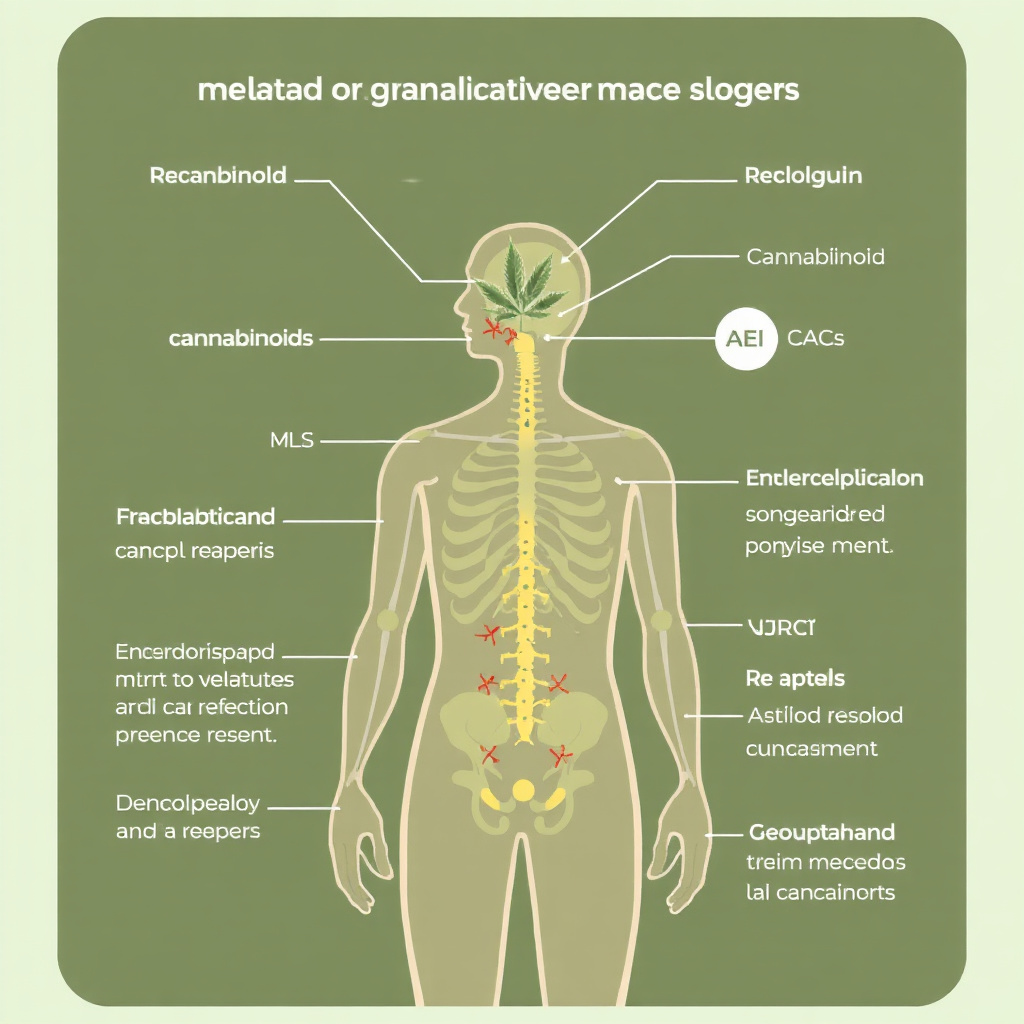
Cannabinoids are compounds that interact with cannabinoid receptors located throughout the central nervous system and immune system. These compounds can be derived from plants, called phytocannabinoids, or produced naturally within the body, called endocannabinoids.
The most well-known cannabinoids from the cannabis plant include tetrahydrocannabinol (THC) and cannabidiol (CBD). Each cannabinoid has a distinct chemical structure, influencing how it binds to receptors and the subsequent biological response.
The Endocannabinoid System Explained
The endocannabinoid system (ECS) consists of receptors, endogenous cannabinoids, and enzymes that regulate balance in various physiological processes such as pain, mood, and appetite. Cannabinoids from cannabis mimic or influence this system to create specific effects.
CB1 receptors are primarily found in the brain and central nervous system, affecting mood and cognition, while CB2 receptors exist mainly in peripheral organs and the immune system, playing a role in inflammation control.
Key Types of Cannabinoids and Their Effects
Tetrahydrocannabinol (THC) Characteristics
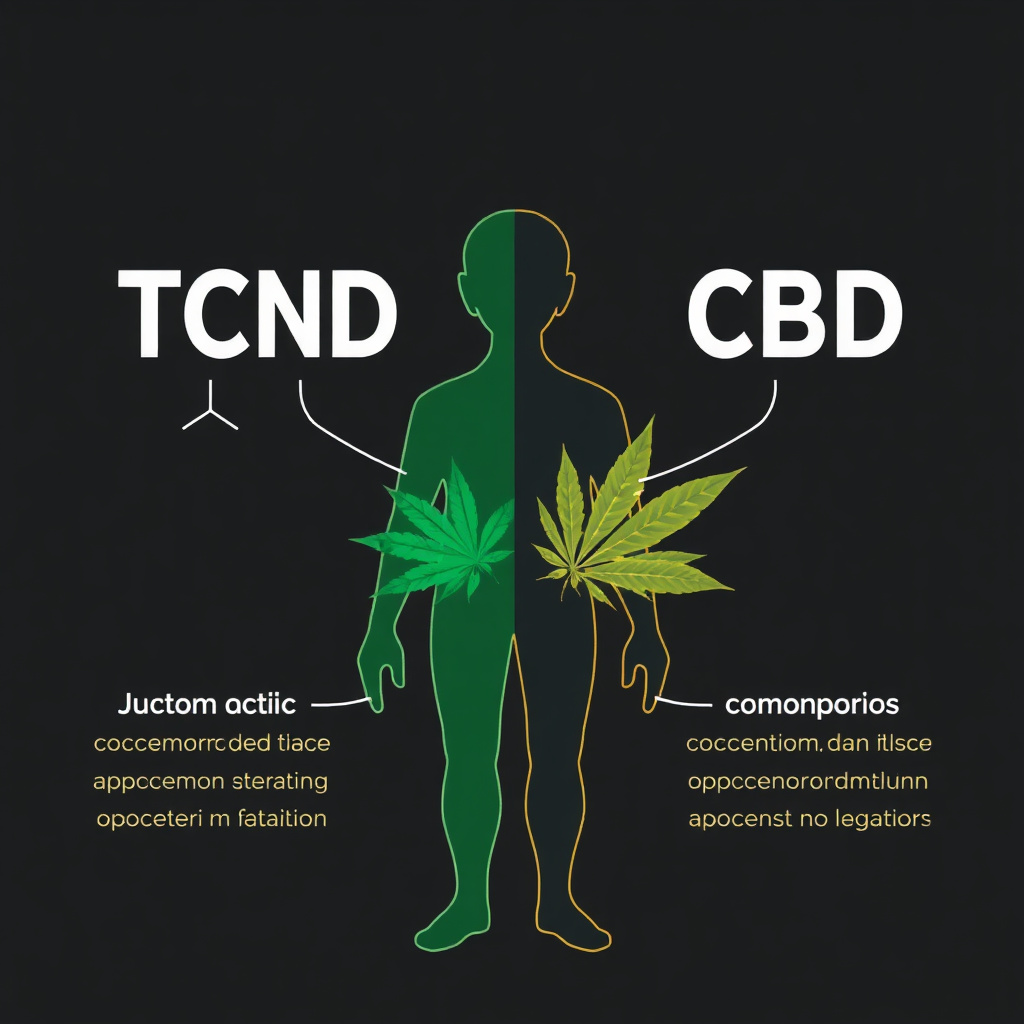
THC is the main psychoactive cannabinoid responsible for the 'high' associated with cannabis. It binds strongly to CB1 receptors in the brain, influencing mood, memory, and perception. THC also stimulates appetite and can reduce nausea.
Besides recreational effects, THC has medicinal uses such as alleviating chronic pain and muscle spasticity. However, its psychoactive effects can cause anxiety or cognitive impairment in some users.
Cannabidiol (CBD) Benefits
CBD does not produce intoxicating effects and interacts differently with the ECS, often modulating receptor activity to mitigate inflammation and anxiety. It is widely studied for its therapeutic potential in epilepsy, anxiety disorders, and chronic pain management.
CBD's wide availability in oils, capsules, and topical products has made it a popular choice for people seeking wellness support without psychoactive effects.
Other Notable Cannabinoids You Should Know
Cannabigerol (CBG)
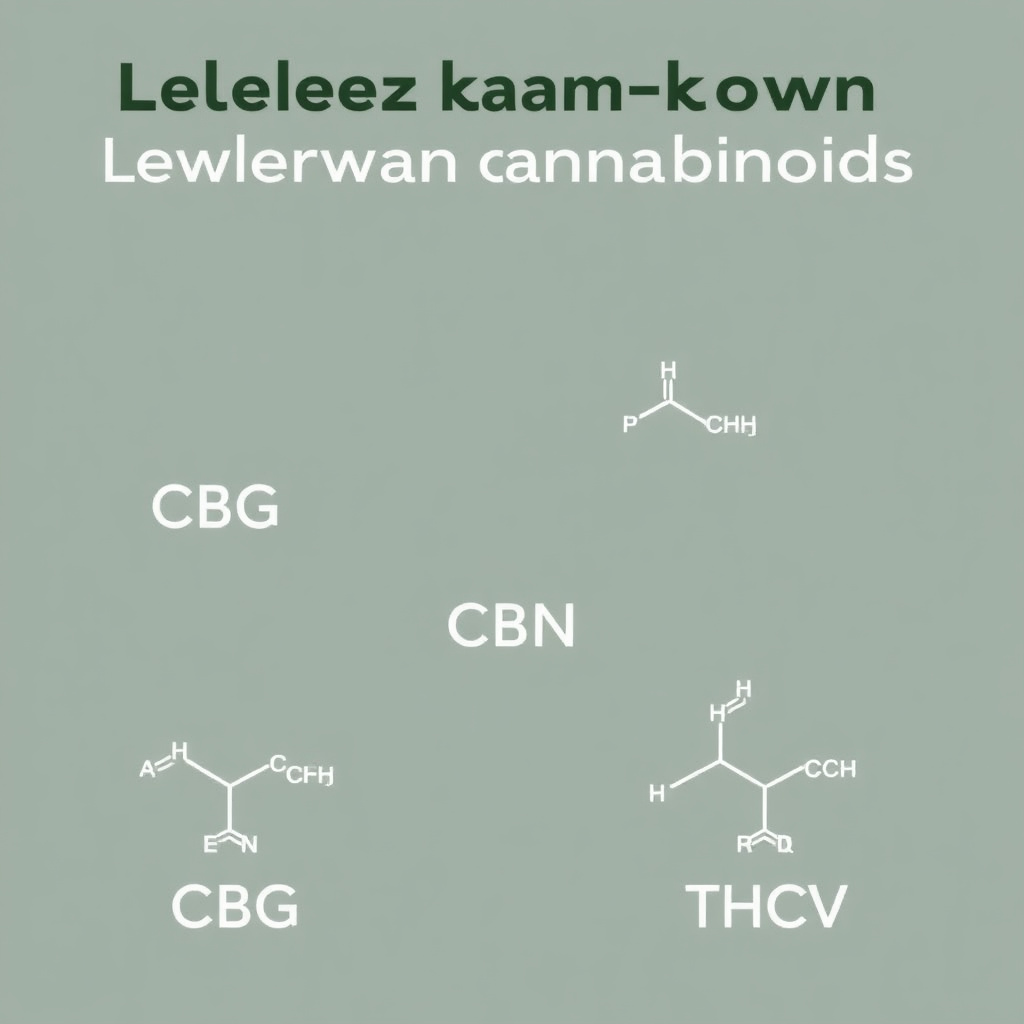
CBG is a non-psychoactive cannabinoid considered the 'mother' of other cannabinoids because many cannabinoids start as CBG before converting into THC, CBD, or CBC. It shows promise in reducing inflammation and bacterial growth.
Research on CBG is still early, but initial studies suggest it could benefit conditions like glaucoma and inflammatory bowel diseases, making it a cannabinoid of interest for therapeutic development.
For more on this, see our related guide: What Is a Cannabis Cultivar? Understanding Cannabis Cultivars Explained.
Cannabinol (CBN) and Tetrahydrocannabivarin (THCV)
CBN is mildly psychoactive, often forming as THC degrades with age, and may aid in sleep promotion. It's being explored for its sedative properties and appetite-stimulating effects.
THCV is similar in structure to THC but can produce different effects, such as appetite suppression and potential anti-inflammatory benefits. It’s less abundant in most cannabis strains, but it has unique therapeutic potential.
Understanding Cannabinoid Effects on the Body
How Cannabinoids Alter Mood and Perception
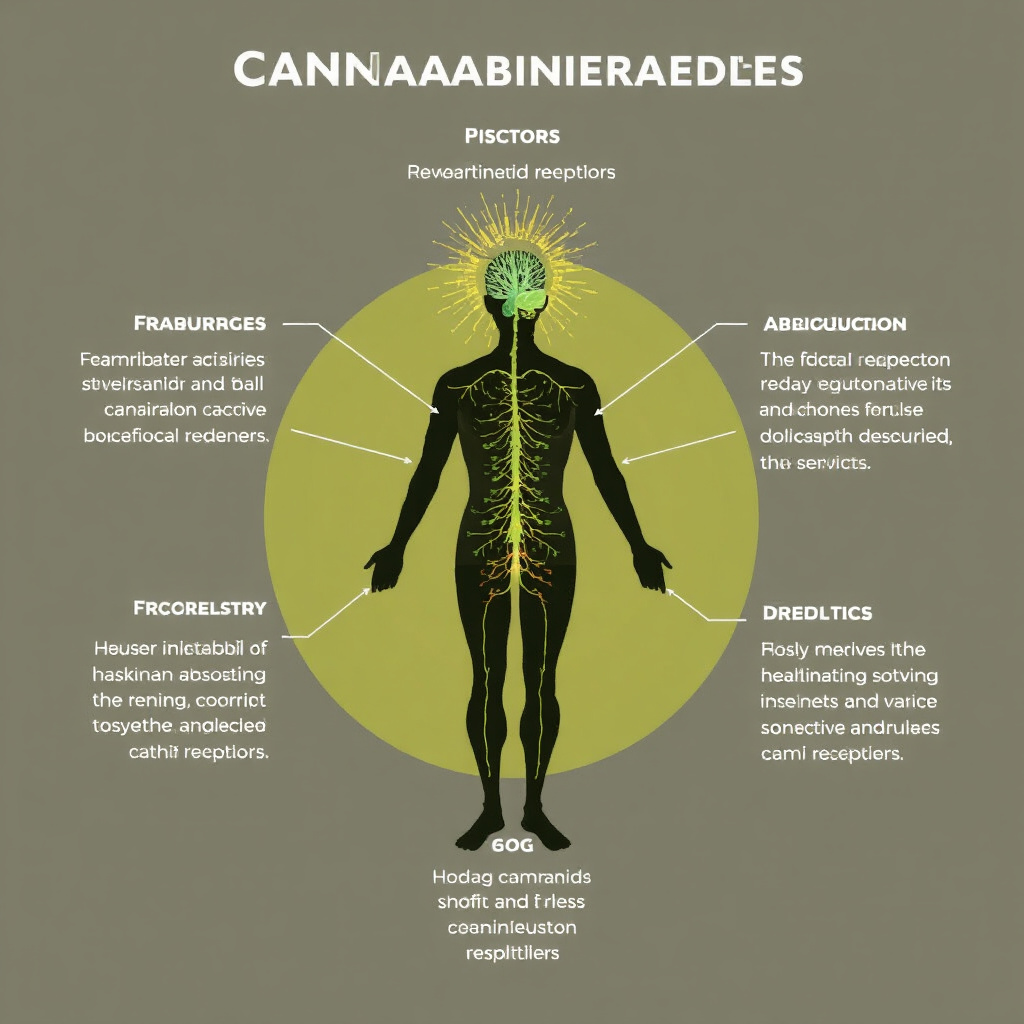
When cannabinoids like THC bind to CB1 receptors in the brain, they influence neurotransmitter release, which affects mood, memory, and sensory perception. This results in altered states ranging from euphoria to relaxation or anxiety depending on dosage and individual physiology.
CBD typically counteracts some of THC's psychoactive effects by modulating receptor sensitivity and neurotransmitter balance, impacting anxiety and stress responses without intoxication.
Cannabinoid Effects on Pain and Inflammation
Cannabinoids influence the immune system through CB2 receptors, helping regulate inflammation and pain signaling. This interaction explains why cannabinoids can serve as analgesics or anti-inflammatory agents.
Products containing cannabinoids are increasingly used to relieve symptoms of arthritis, neuropathy, and other chronic inflammatory conditions, often as an alternative to opioids or other pharmaceuticals.
Choosing and Using Cannabinoid Products Wisely

Evaluating Product Quality and Potency
Not all cannabinoid products are created equal. It's essential to check for third-party lab testing to confirm cannabinoid content, purity, and absence of contaminants such as pesticides or heavy metals.
Potency labeling should clearly state THC and CBD percentages. Starting with low doses and understanding individual tolerance helps avoid unwanted side effects.
- Look for COA (Certificate of Analysis)
- Confirm cannabinoid profile and concentrations
- Check for safe extraction methods
- Avoid unregulated or unverified products
For more on this, see our related guide: Cannabis Strain Lineage Explained: Understanding Origins and Genetics.
Methods of Consumption and Their Impact
Cannabinoids can be consumed via inhalation, oral ingestion, sublingual application, or topically. Each method affects onset time, duration, and intensity of effects differently.
Inhalation delivers effects fastest, within minutes, but may be harsh on the lungs. Oral ingestion leads to slower onset but longer-lasting effects, while topical products target localized areas without systemic effects.
- Smoking or vaping: fast onset, 1-3 hour duration
- Edibles: slow onset (30-90 mins), 6-8 hour duration
- Tinctures: moderate onset (15-45 mins), 4-6 hour duration
- Topicals: localized relief, minimal systemic effects
Risks and Considerations When Using Cannabinoids
Potential Side Effects and Interactions
Cannabinoids, particularly THC, can cause side effects such as dizziness, dry mouth, impaired memory, and anxiety. CBD may interact with certain medications by affecting liver enzymes responsible for drug metabolism.
Consulting healthcare providers before using cannabinoids is crucial for people taking anticoagulants, anticonvulsants, or other prescription drugs to avoid adverse interactions.
For a thorough overview of how cannabinoids interact biologically, the Wikipedia article on the endocannabinoid system provides detailed scientific insights. endocannabinoid system.
Legal and Safety Considerations
Cannabinoid legality varies widely by region, often distinguishing between THC-containing products and hemp-derived CBD. It's important to understand local laws before purchasing or consuming cannabinoid products.
Safety also involves responsible storage, especially away from children and pets, to prevent accidental ingestion and potential harm.
Cannabinoid Types Category Comparison
Here is a comparison of key cannabinoid categories to help you understand their psychoactivity, common uses, and legal status.
| Cannabinoid | Psychoactive? | Common Uses | Legal Status |
|---|---|---|---|
| THC | Yes – strong | Recreational, pain relief, appetite stimulation | Varies by region, often controlled substance |
| CBD | No | Anxiety reduction, anti-inflammatory, seizure disorders | Widely legal if hemp-derived |
| CBG | No | Potential anti-inflammatory, glaucoma treatment | Less regulated, depends on source |
| CBN | Mild | Sleep aid, mild sedation | Varies, less commonly regulated |
| THCV | Mild to none | Appetite suppression, anti-inflammatory | Limited availability, depends on jurisdiction |
Frequently Asked Questions
What is the main difference between THC and CBD?
THC produces psychoactive effects causing a 'high,' while CBD does not. Both interact with cannabinoid receptors but in different ways influencing mood, perception, and inflammation.
Can cannabinoids help with chronic pain?
Yes, cannabinoids, particularly THC and CBD, can modulate pain signals and reduce inflammation, providing relief for conditions such as arthritis or neuropathic pain.
Are all cannabinoid products legal everywhere?
No, legality depends heavily on local laws. CBD derived from hemp is widely legal in many places, but THC-containing products remain controlled substances in several regions.
How should I start using cannabinoid products safely?
Begin with low doses and choose products from reputable sources with clear cannabinoid content. Consult healthcare providers especially if you take other medications.
Do cannabinoids cause addiction?
Cannabinoids like THC can lead to dependence in some users, but CBD is not addictive. Responsible use reduces risk of addiction.
Key Takeaways
- Cannabinoids interact with the body's endocannabinoid system producing varied effects.
- THC is psychoactive, while CBD offers therapeutic benefits without intoxication.
- Understanding cannabinoid types helps tailor usage for health and wellness goals.
- Product quality and local legality should guide cannabinoid consumption choices.
Conclusion
Understanding cannabinoids requires recognizing how these chemical compounds engage with the endocannabinoid system to influence body and mind functions. The variability in cannabinoid types—from psychoactive THC to non-intoxicating CBD and others like CBG and CBN—means that user needs and preferences should dictate product choice, dosage, and method of consumption. Scientific research continues to clarify their therapeutic potential and safety profiles, emphasizing the importance of being informed to make decisions that suit individual health goals.
For those exploring cannabinoids for medical or wellness purposes, it’s useful to differentiate between the main cannabinoids and their effects. THC-dominant products may benefit conditions like chronic pain or appetite loss but come with psychoactive effects, while CBD-centered options suit users seeking anti-inflammatory and anxiolytic benefits without intoxication. Emerging cannabinoids such as CBG and THCV also show promise for specific indications. Careful attention to product testing, labeling, and legal status supports safer and more effective use.
Next steps for anyone interested in cannabinoids is to consult with healthcare professionals when possible, especially if managing health conditions or medications. Selecting reputable products with transparent lab results minimizes risk. Starting with low doses and tracking effects helps build a personal understanding of cannabinoid responses. Through informed exploration, cannabinoids can become valuable tools within a broader health and wellness strategy.