How to Prevent Plants from Stretching: Effective Tips for Healthy Growth
Plants stretch when they don't receive enough light, causing them to grow tall and leggy as they reach for the nearest light source. To prevent plants from stretching, provide sufficient, appropriately positioned light, maintain consistent watering, and avoid overcrowding.
Stretching weakens plants, making stems thin and fragile, which reduces their ability to support leaves and flowers effectively. This issue affects both indoor and outdoor gardening, significantly reducing the plant’s aesthetic appeal and overall health.
This guide will cover the main causes of plant stretching, the impact of lighting and spacing, watering practices, and other lifestyle adjustments you can make. We’ll also explore specific tips for indoor and outdoor plants and provide comparisons of lighting options to help you create the best environment for your plants to thrive.
Understanding Plant Stretching and Its Causes

What Causes Plants to Stretch?
Plant stretching primarily happens when they lack adequate light. In a natural setting, plants bend towards sunlight to maximize photosynthesis. If grown indoors or in shaded areas, the plants try to reach any available light source, growing taller but weaker.
Other factors contributing to stretching include crowding, which limits light exposure, and inconsistent watering schedules that stress the plant. Low temperatures can also encourage elongated growth in some species.
How Stretching Affects Plant Health
When a plant stretches, its internodes (spacing between leaves) lengthen, reducing leaf density and weakening stem strength. This makes the plant susceptible to bending or breaking under its own weight or from gentle winds.
Because stretched plants allocate more resources to vertical growth, they often produce fewer flowers and smaller leaves, impacting overall health and vigor.
Lighting: The Key to Preventing Plant Stretching
Providing Adequate Light for Indoor Plants
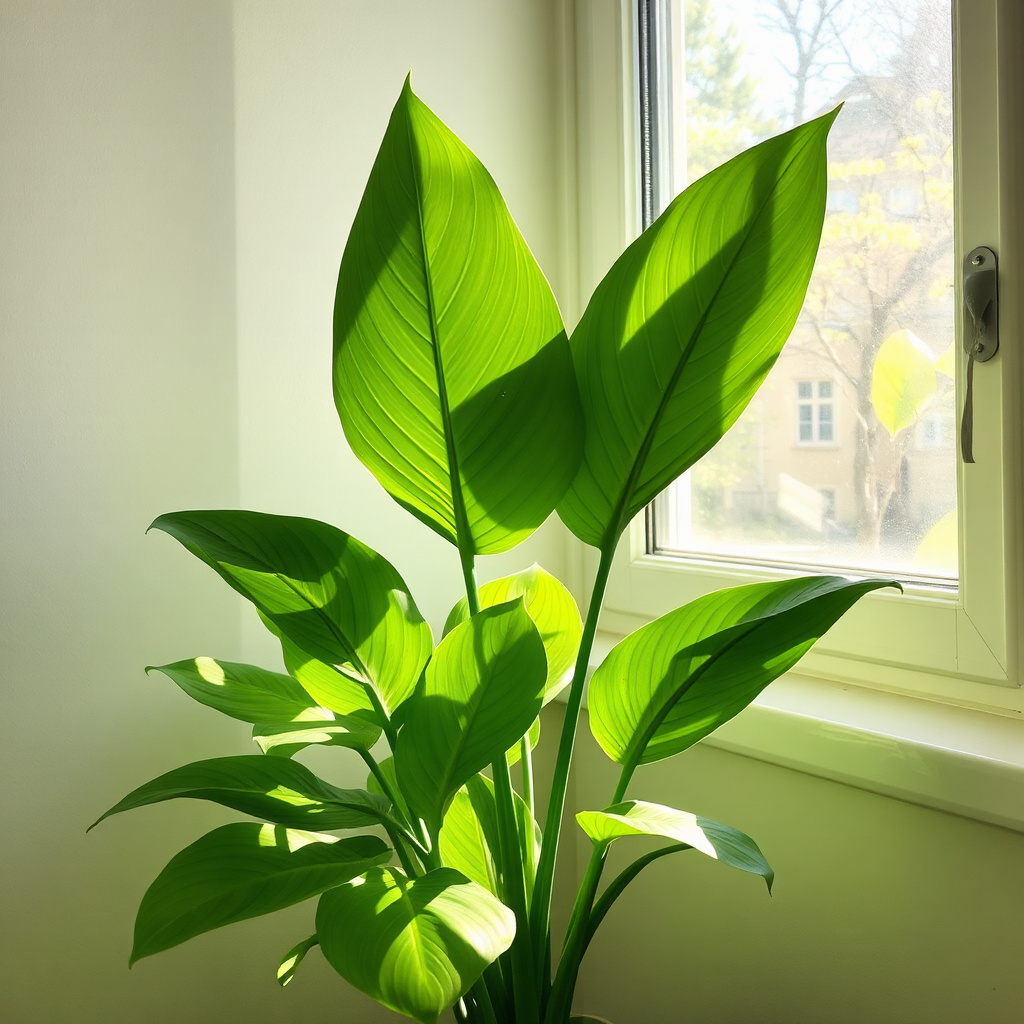
Most houseplants need bright, indirect light to maintain compact, healthy growth. Positioning plants near south or west-facing windows typically offers the best natural light exposure. Using supplemental grow lights during darker months can prevent stretching caused by insufficient light.
LED and fluorescent grow lights should be placed close enough for effective coverage but not so near that they overheat the leaves. Approximately 12-16 hours of light daily usually supports steady growth.
- Place plants within 1-2 feet of a strong light source
- Use adjustable grow light heights to match plant growth stages
- Rotate plants regularly to promote even light distribution
Outdoor Lighting and Shade Management
Outdoor plants can also stretch if shaded by trees, buildings, or other plants. Ensuring that garden plants receive at least 6 hours of direct sunlight daily helps reduce stretching.
When shade is unavoidable, consider pruning surrounding vegetation or relocating potted plants to sunnier spots. Reflective surfaces can also help increase light around shaded areas.
Watering and Nutrient Strategies to Support Compact Growth

Consistent Watering Habits
Overwatering or underwatering stresses plants, which can encourage unwanted stretching as the plant tries to compensate for stress. Maintaining a consistent watering schedule according to the plant’s species and soil moisture level is essential.
Use well-draining soil to prevent root rot and monitor soil moisture frequently. Water deeply but infrequently to promote strong root development and reduce the likelihood of stretching.
For more on this, see our related guide: Cannabis Seed FAQ: Answers to Your Most Common Questions.
Balancing Fertilizer Use
Excess nitrogen encourages lush, leggy growth, which can lead to stretched plants that appear soft and weak. Using balanced fertilizers with appropriate phosphorus and potassium levels supports strong stems and healthy leaves.
Avoid over-fertilizing; follow label directions carefully and reduce feeding frequency during the plant’s dormant periods to keep growth compact.
- Use slow-release fertilizers to maintain steady nutrient supply
- Consider organic fertilizers for balanced, gentle feeding
Improving Plant Placement and Spacing

Avoiding Overcrowding in Group Plantings
Plants grown too close together compete for light, water, and nutrients, causing them to stretch in search of resources. Providing enough space between plants ensures every plant gets optimum light and improves air circulation, reducing disease risk.
Follow plant spacing recommendations on seed packets or plant tags, especially for fast-growing or large species, to maintain ideal growing conditions.
- Thin crowded seedlings to recommended spacing
- Consider using vertical gardening techniques for limited space
Using Plant Supports Strategically
Using stakes, cages, or trellises helps support plants prone to stretching, keeping stems upright and sturdy. Supports guide growth and help plants optimize light exposure without excessive vertical elongation.
Plant supports are particularly useful for tall or climbing plants but can also be adapted for smaller specimens experiencing mild stretching.
- Install supports early in growth to avoid root damage
- Tie plants loosely to avoid constricting stems
Managing Environmental Conditions to Reduce Stretching
Temperature Effects on Plant Growth
Cooler temperatures often slow growth, but extended exposure to low temperatures combined with low light can induce stretching as plants try to capture more warmth and light.
Maintaining room temperatures consistent with the plant’s natural environment helps prevent abnormal elongation. For most tropical plants, keeping temperatures between 65-75°F is ideal.
For more on this, see our related guide: Common Cannabis Growing Mistakes and How to Avoid Them.
Increasing Air Circulation
Gentle air movement encourages plants to develop stronger, thicker stems, mimicking outdoor breezes that naturally strengthen plant structure.
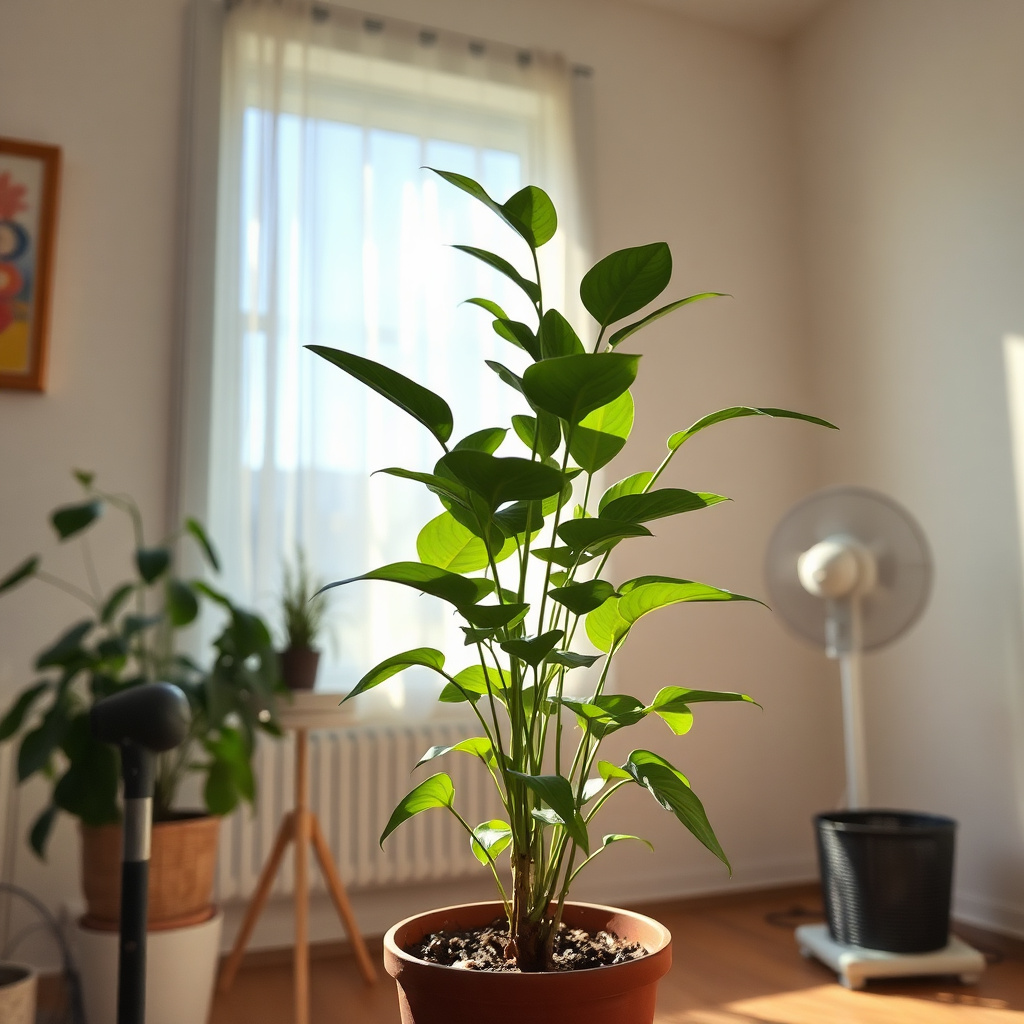
Use fans for indoor plants or plant in breezy outdoor locations to reduce stretching caused by weak stem development.
- Place oscillating fans near indoor plants
- Avoid direct, strong drafts that may stress plants
Using Propagation and Pruning to Control Plant Stretching

Pruning Leggy Growth
Regular pruning removes stretched, weak growth and encourages branching, resulting in a fuller, bushier plant with stronger stems.
Pinch tips of seedlings and mature plants to redirect energy into leaf growth and lateral branches. Consistent pruning also improves airflow and light penetration within the plant canopy.
- Cut back stems just above leaf nodes
- Use clean, sharp tools to make precise cuts
For more technical insights into the biological causes of plant stretching, you can refer to the Plant etiolation Wikipedia article. Plant etiolation Wikipedia article.
Propagation Techniques for Compact Plants
Propagating from cuttings allows gardeners to select healthy, non-stretched growth to start new plants that will grow more compact under proper conditions.
Stem cuttings root faster when taken from mature, well-lit plants and often inherit the parent’s sturdier traits when grown with appropriate light and spacing.
Lighting Options to Prevent Plant Stretching: Category Comparison
Here’s a quick comparison of common lighting solutions and their effectiveness in preventing plant stretching.
| Lighting Type | Light Intensity | Energy Efficiency | Cost | Suitability for Plant Types |
|---|---|---|---|---|
| Natural sunlight | Very high | Free | Free | Best for most outdoor and indoor plants with access to windows |
| LED grow lights | High | High | Moderate initial cost | Ideal for indoor plants needing controlled light exposure |
| Fluorescent lights | Moderate | Moderate | Low initial cost | Suitable for seedlings and low-light plants |
| Incandescent bulbs | Low | Low | Low initial cost | Not recommended for most plants due to low intensity and high heat |
Frequently Asked Questions
Why do plants stretch when grown indoors?
Plants stretch indoors primarily due to insufficient light, causing them to elongate as they seek more exposure to sunlight or artificial light sources.
Can overwatering cause plants to stretch?
Overwatering can stress plants but is not a direct cause of stretching. However, stressed plants may grow abnormally, including elongation, so balanced watering is important.
How often should I use grow lights to prevent stretching?
Grow lights should generally be used for 12 to 16 hours daily, mimicking natural light cycles to ensure plants receive enough illumination to avoid stretching.
Does pruning help prevent plants from stretching?
Yes, pruning removes leggy growth and encourages plants to develop bushier, sturdier forms by redirecting growth hormones toward branching rather than elongation.
Is plant spacing important in preventing stretching?
Adequate spacing reduces competition for light and nutrients, preventing plants from stretching as they seek resources in crowded conditions.
Key Takeaways
- Inadequate light is the primary cause of plant stretching.
- Providing proper lighting and good spacing keeps plants compact and healthy.
- Consistent watering and balanced fertilization support sturdy growth.
- Pruning and air circulation strengthen plants and reduce leggy growth.
Conclusion
Preventing plant stretching hinges largely on supplying adequate light and managing environmental factors to replicate natural conditions. Understanding why plants stretch—primarily the search for light—helps gardeners tailor conditions such as lighting intensity, temperature, and spacing to avoid weak, leggy growth.
Specifically, indoor gardeners benefit greatly from using LED grow lights to supplement natural light, maintaining good airflow, and consistent watering schedules. Outdoor growers should prioritize planting in sunny locations with enough space to prevent overcrowding. Employing pruning regularly to remove leggy shoots ensures plants remain compact and robust.
Ultimately, combining correct light management with balanced care—including watering, fertilizing, and pruning—allows you to maintain healthy, attractive plants free from stretching. Start by assessing your plant’s light environment and adjust accordingly to see immediate improvements in growth quality.