How to Tell if Seeds Are Good: A Practical Guide for Gardeners
To tell if seeds are good, you can perform simple tests such as checking their appearance, conducting a float test, or trying a germination test to see if they sprout. Good seeds typically feel firm, are free from cracks or mold, and sink in water during the float test. These quick methods give a reliable indication of seed health before planting.
Knowing whether seeds are viable is essential because planting poor-quality or dead seeds can result in wasted time, effort, and resources. Good seeds improve your chances of a successful garden with healthy plants and high yields. This practical knowledge helps gardeners decide when to buy fresh seeds or save resources by using older seed stocks.
This article covers how to visually inspect seeds, perform simple tests like the float and germination tests, understand seed storage tips to maintain their viability, and interpret seed package information. These insights will help both beginner and experienced gardeners improve their planting success by selecting the best seeds.
Visual Inspection to Identify Good Seeds

Seed Color and Texture Indicators
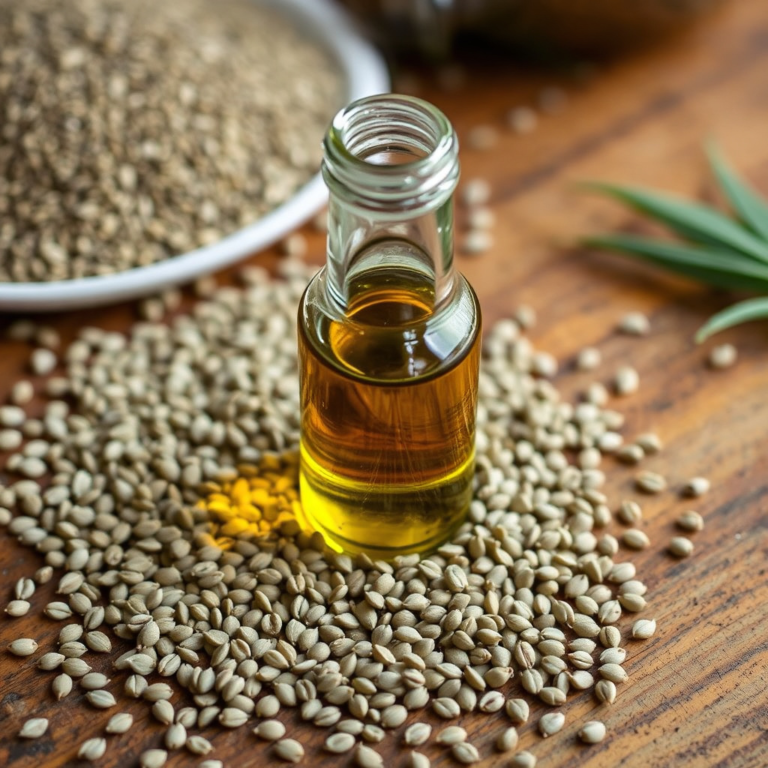
Good seeds generally have a consistent color devoid of discoloration, spots, or mold. For example, bean seeds appear smooth and shiny, while tomato seeds are pale and evenly colored. Changes like dark spots or shriveled texture often mean the seed is old or damaged.
Seeds that feel firm and intact usually indicate good internal health. Avoid seeds that crumble easily or have soft, brittle shells because they have likely lost viability and will not germinate well.
Identifying Physical Damage or Disease
Physical damage such as cracks, holes, or deformities often reflects pest attacks or mechanical injury, which compromise seed quality and reduce germination rates. Similarly, seeds covered with fuzzy mold or powdery growth show fungal contamination, making them unsuitable for planting.
Inspecting seeds under magnification can reveal subtle defects invisible to the naked eye. When sorting seed batches, removing damaged or discolored seeds will improve overall viability of the seeds you use.
Simple Tests to Check Seed Viability

The Float Test Explained
The float test involves placing seeds in a bowl of tap water and letting them sit for 15-30 minutes. Seeds that sink are usually dense and viable, while those that float tend to be hollow or dead. It is a quick initial test but not 100% accurate for all seed types.
Some viable seeds may float if they have trapped air or a light seed coat, so the float test should complement other assessments rather than be the sole indicator of seed quality.
- Fill a bowl with room temperature water
- Place seeds in the water and wait 15-30 minutes
- Discard floating seeds, keep sinking ones for planting
Conducting a Germination Test
The germination test is one of the most reliable methods to determine seed viability. Place 10-20 seeds on a moist paper towel inside a plastic bag or container and keep them warm. Check after several days to count how many sprout to calculate the germination rate.
This test provides direct evidence of a seed’s ability to produce a seedling and helps decide if older seeds are worth planting or if a fresh batch is necessary.
- Moisten paper towel and place seeds evenly
- Seal in a plastic bag to maintain humidity
- Check daily for sprouts and record germination rate
Understanding Seed Storage to Preserve Quality

Ideal Conditions for Seed Storage
Seeds stay viable longer when stored in cool, dry, and dark environments. A temperature range of 32-41°F (0-5°C) with low humidity below 30% is commonly recommended for long-term storage.
Using airtight containers or sealed envelopes can prevent moisture absorption and fungal growth, two key factors that degrade seed quality during storage.
- Store seeds in sealed glass jars or plastic containers
- Use desiccants like silica gel packets to reduce humidity
- Keep storage areas away from direct sunlight and heat
For more on this, see our related guide: Can Old Cannabis Seeds Still Germinate? A Practical Guide.
How Storage Time Affects Seed Viability
Seed longevity depends on species and initial quality. Some seeds, like lettuce or onion, lose viability in 1-2 years, whereas beans and peas can last 4-5 years if stored properly.
Regularly checking older seed stocks with germination tests will reveal when to replace seeds for planting success.
Reading and Interpreting Seed Package Information

Expiration Dates and Lot Numbers
Seed packets typically list packed and expiration or best-by dates. These indicate the period the supplier guarantees good viability, usually 1-3 years depending on the seed type.
Lot numbers assist in tracking seed batches for quality control or recalls. Seeds past their expiration date might still germinate but usually at reduced rates.
Germination Percentage Labels
Most seed packets show a germination percentage, which estimates the number of seeds expected to sprout under ideal conditions. For example, 85% means 85 out of 100 seeds should germinate.
Choosing packets with higher germination rates increases planting success, especially for critical or high-value crops.
Advanced Methods for Testing Seed Quality

Using Tetrazolium Tests
Tetrazolium testing uses a chemical that stains living tissues in seeds red, showing which seeds are viable without needing to germinate them. This method requires specialized equipment and training.
It’s a technique used by seed labs and professionals when rapid and accurate viability results are needed for large seed lots.
For more on this, see our related guide: How to Tell If a Cannabis Seed Is Viable: A Practical Guide.
X-ray Analysis for Internal Seed Health
X-ray imaging reveals the internal condition of seeds, showing if embryos are damaged or empty. This non-destructive test helps seed companies screen batches but isn’t typically accessible for home gardeners.
When available, X-ray analysis complements other tests by detecting hidden defects that could reduce seed performance.
How to Improve Seed Germination Rates
Pre-Soaking and Scarification Techniques
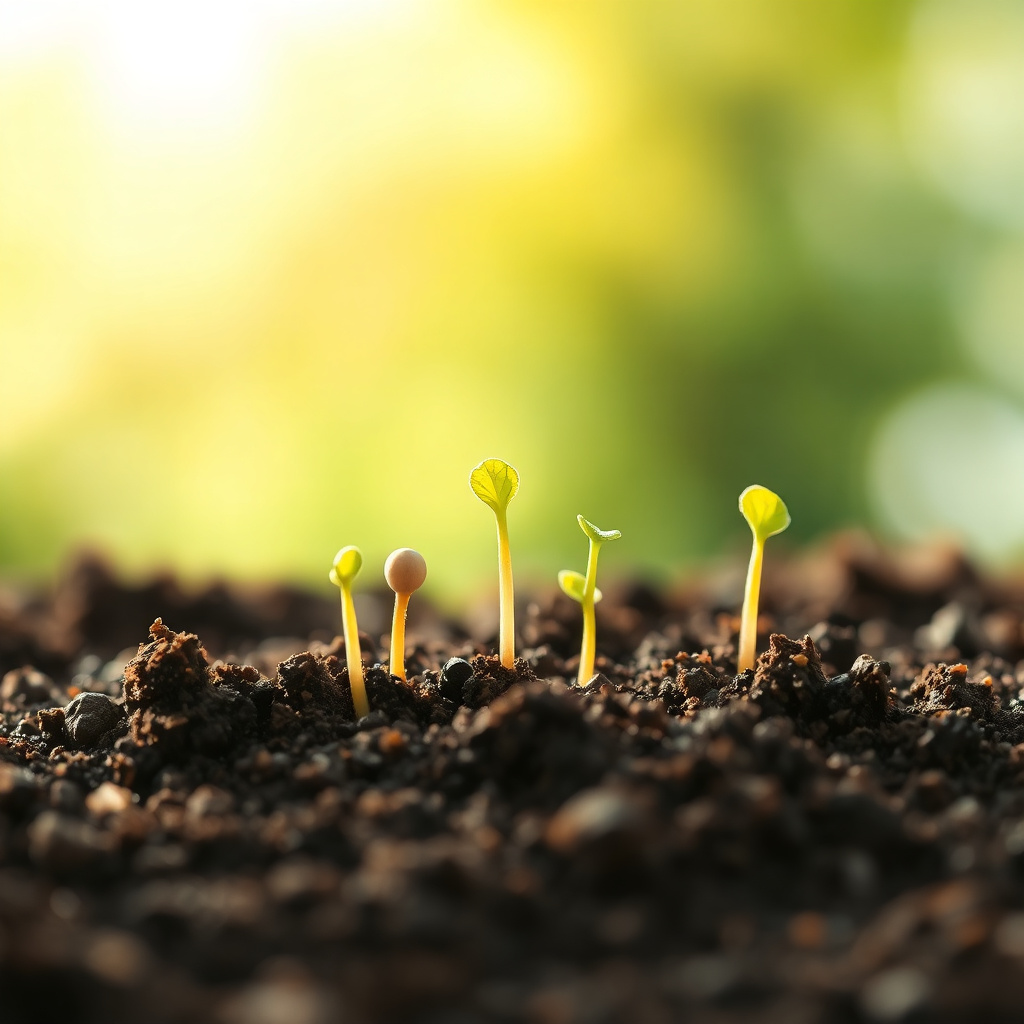
Soaking seeds in water 12-24 hours before planting softens hard seed coats to speed up water absorption and germination. Scarification involves scratching or nicking seed coats to help water penetrate tougher seeds like beans or morning glories.
These treatments reduce germination delays and boost sprouting rates, especially for older seeds or species with naturally hard shells.
- Soak seeds in lukewarm water for 12-24 hours
- Gently rub seeds with sandpaper or nick with a knife
- Avoid damaging the seed embryo during scarification
For more technical details about seed viability and longevity, you can consult the comprehensive information available on Seed viability on Wikipedia. Seed viability on Wikipedia.
Proper Planting Depth and Soil Moisture
Planting seeds too deep or in dry soil can prevent germination even if the seed is viable. Follow seed packet guidelines for optimal depth, usually 2-3 times the width of the seed.
Maintaining consistent soil moisture during the germination period encourages the seed embryo to develop and push through the soil surface successfully.
Comparison of Seed Testing Methods
Here’s a comparison of common seed testing methods based on accuracy, ease, and resources needed to help you pick the best approach.
| Method | Accuracy | Time Required | Equipment Needed |
|---|---|---|---|
| Visual Inspection | Low to moderate | Minutes | None |
| Float Test | Moderate | 15-30 minutes | Bowl of water |
| Germination Test | High | Several days to weeks | Paper towels, plastic bag |
| Tetrazolium Test | Very high | 1-2 days | Chemical reagents, lab equipment |
| X-ray Analysis | Very high | Minutes | X-ray machine |
Frequently Asked Questions
Can old seeds still be good for planting?
Old seeds can remain viable for several years depending on storage conditions and species. Conducting a germination test can determine whether older seeds will still sprout successfully.
Is the float test reliable for all types of seeds?
The float test works well for many seeds but is less reliable for seeds with naturally low density or air pockets. It should be used alongside other tests like germination for best results.
How do I store seeds to keep them viable longer?
Store seeds in cool, dry, and dark places using airtight containers. Low humidity and temperatures around 40°F help preserve seed viability for years.
What does a germination percentage on seed packets mean?
Germination percentage indicates the expected number of seeds to sprout under ideal conditions. A higher percentage means better quality and more reliable planting outcomes.
Should I treat all seeds before planting to improve germination?
Not all seeds require treatment. Only seeds with hard coats or that are older may benefit from soaking or scarification to improve germination speed and consistency.
Key Takeaways
- Visual checks and the float test are simple ways to assess seed quality before planting.
- Germination testing provides the most reliable measure of seed viability.
- Proper seed storage conditions extend seed life and maintain germination potential.
- Seed package information like expiration dates and germination rates guides seed selection.
Conclusion
Determining how to tell if seeds are good requires a combination of visual inspection, simple home tests like the float and germination tests, and an understanding of storage impacts. These approaches enable gardeners to maximize their planting success by selecting seeds more likely to sprout and produce vigorous plants. While some advanced methods exist, most gardeners benefit from these accessible, practical evaluations.
For gardeners prioritizing reliable crop establishment, performing a germination test before planting can save time and resources by avoiding seeds that won’t germinate. Visual inspections help exclude obviously damaged seeds, while the float test offers a quick preliminary check. Additionally, knowing how to store seeds properly ensures that the seed viability test remains relevant over multiple seasons. For casual gardening, simpler methods suffice, but serious growers might consider more detailed evaluations when managing large seed quantities.
Ultimately, the best next step is to pick the method that fits your gardening goals and resources. Try a germination test on seeds you suspect might be old or of uncertain quality. Keep seeds cool and dry between uses. Use package information and your results to decide if fresh seeds are needed. These habits help make gardening more productive and enjoyable by increasing the chances that your seeds indeed are good and ready to grow.