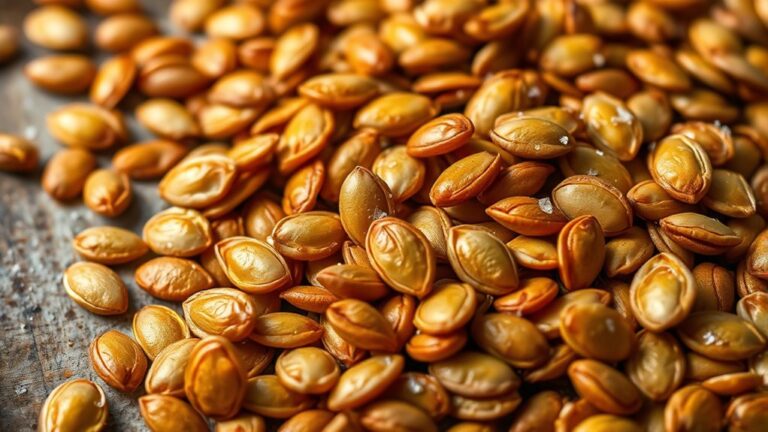
How to Plant Seeds at the Right Depth for Successful Growth
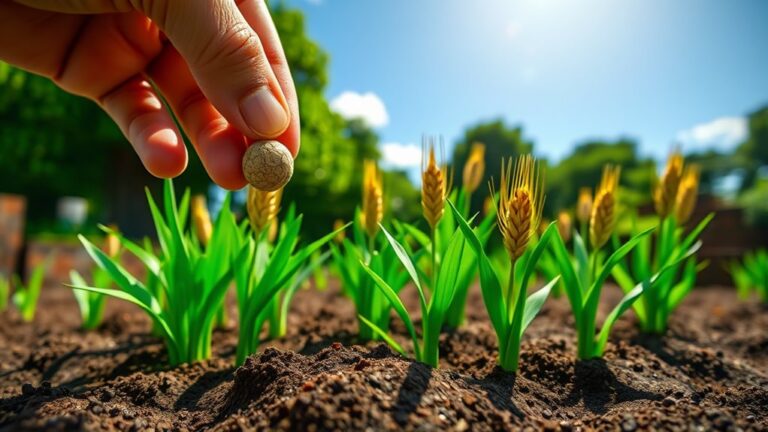
Planting seeds at the correct depth is essential for healthy germination and strong plant growth. Generally, seeds should be planted two to three times as deep as their own size. This rule helps ensure seeds receive enough moisture and warmth without being buried so deep that they struggle to sprout.
Getting the depth right matters because seeds planted too shallow may dry out quickly or be washed away, while those too deep can exhaust their energy reserves before reaching the surface. This balance between moisture, oxygen, and light availability influences how well seeds develop into seedlings.
This article will cover why seed depth matters, practical tips on measuring and adjusting planting depth, variations for different seed types, soil conditions, and how to care for seeds after planting for maximum success.
Understanding Seed Depth and Its Importance

Why Seed Depth Matters for Germination
Seed depth impacts the seed's access to moisture, oxygen, and temperature necessary for sprouting. Shallow planting risks drying out, while deep planting can deprive the seedling of light and energy required to break through the soil surface.
Roots must reach moisture, and seedlings need to push upwards with enough energy to break soil crusts. Finding the right depth balances these biological needs for seedlings to thrive.
How Seed Size Affects Planting Depth
Smaller seeds generally require shallower planting because they have limited energy reserves and thin seed coats, so they must sprout quickly near the surface. Larger seeds with more stored nutrients can be planted deeper to access consistent moisture.
A practical guideline is planting seeds at a depth two to three times their width. For tiny seeds like lettuce, this could be just a few millimeters, while for larger beans, it may be up to several centimeters.
Techniques for Measuring and Setting Seed Planting Depth
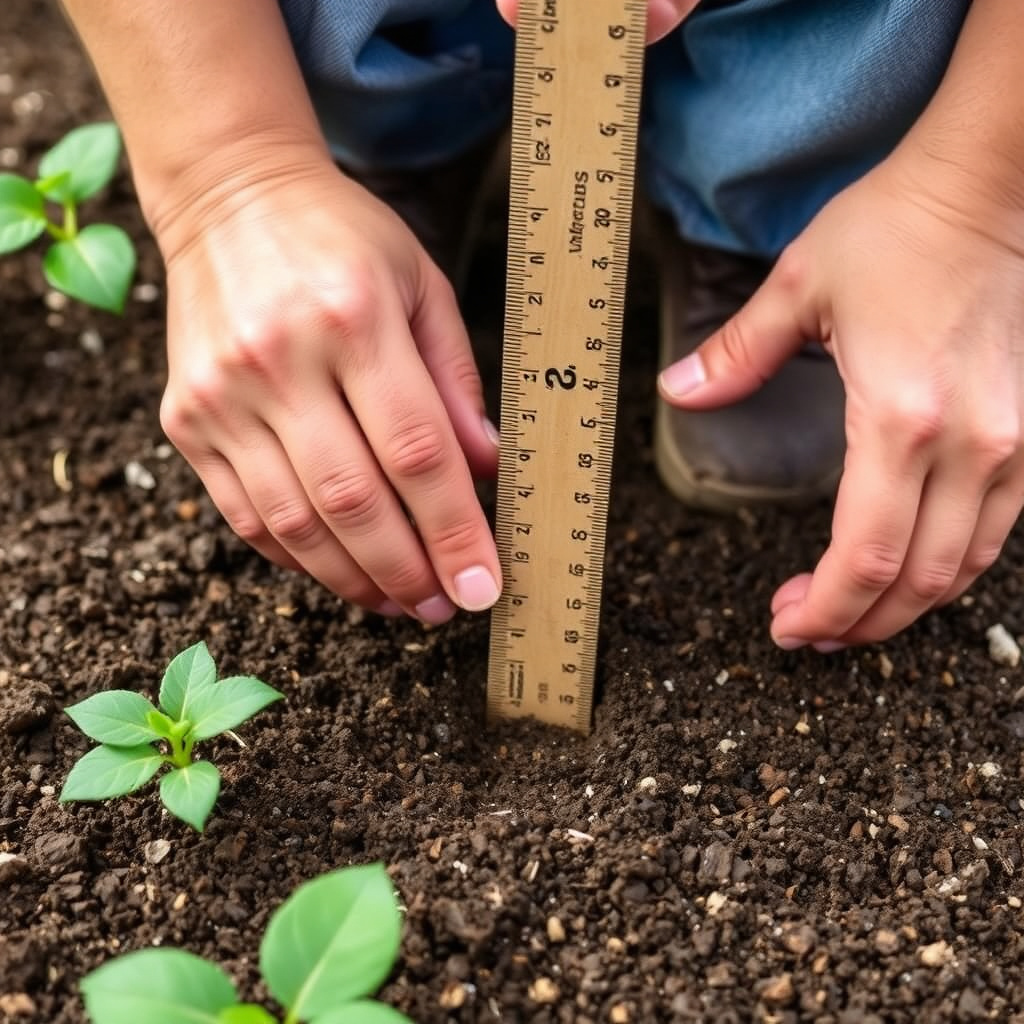
Tools to Measure Seed Depth Accurately
Using a simple ruler, seed depth markers, or sticks can help maintain consistent planting depth. Some gardeners use fingers as a rough guide, especially for small seeds, estimating depth based on finger width segments.
Depth-specific seed drills and planting guides attached to tools also assist in precise planting, especially when sowing large quantities or working in larger garden beds.
- Ruler or measuring tape
- Seed depth markers or sticks
- Seed drills with adjustable planting depth
Adjusting Depth Based on Soil and Climate
In sandy or light soils, shallower planting is often better because water drains quickly. Clay or heavier soils retain moisture more deeply, so planting a bit deeper can protect seeds from drying out. Similarly, in hot climates, deeper planting can shield seeds from heat exposure.
If seeds are exposed to frequent surface disturbances like heavy rain or wind, slightly deeper planting helps prevent displacement, aiding steady germination.
Seed Planting Depth Guide for Common Vegetables and Flowers

Vegetable Seeds Planting Depth Recommendations
Carrot and lettuce seeds are tiny and usually require just a light covering of soil, around 1/4 inch or less. Beans and peas are larger and benefit from planting at around 1 to 2 inches deep to absorb adequate moisture.
Tomato seeds are generally sown indoors at roughly 1/4 inch deep, while corn seeds planted outside should be at least 1 to 2 inches deep to protect against birds and soil drying.
- Carrots: 1/4 inch
- Beans: 1 to 2 inches
- Tomatoes: 1/4 inch
- Corn: 1 to 2 inches
For more on this, see our related guide: Why Are My Seeds Not Sprouting? Common Causes and Solutions.
Flower Seeds Planting Depth Tips
Many flower seeds, such as petunias and snapdragons, are light-sensitive and need to be planted very shallow or only pressed onto the soil surface. Others, like marigolds, require a covering of about 1/4 to 1/2 inch.
Always check seed packets for specific depth instructions and remember that tiny flower seeds are often better broadcast on the surface with a fine layer of soil lightly pressed down.
Preparing Soil and Environment for Proper Seed Planting Depth
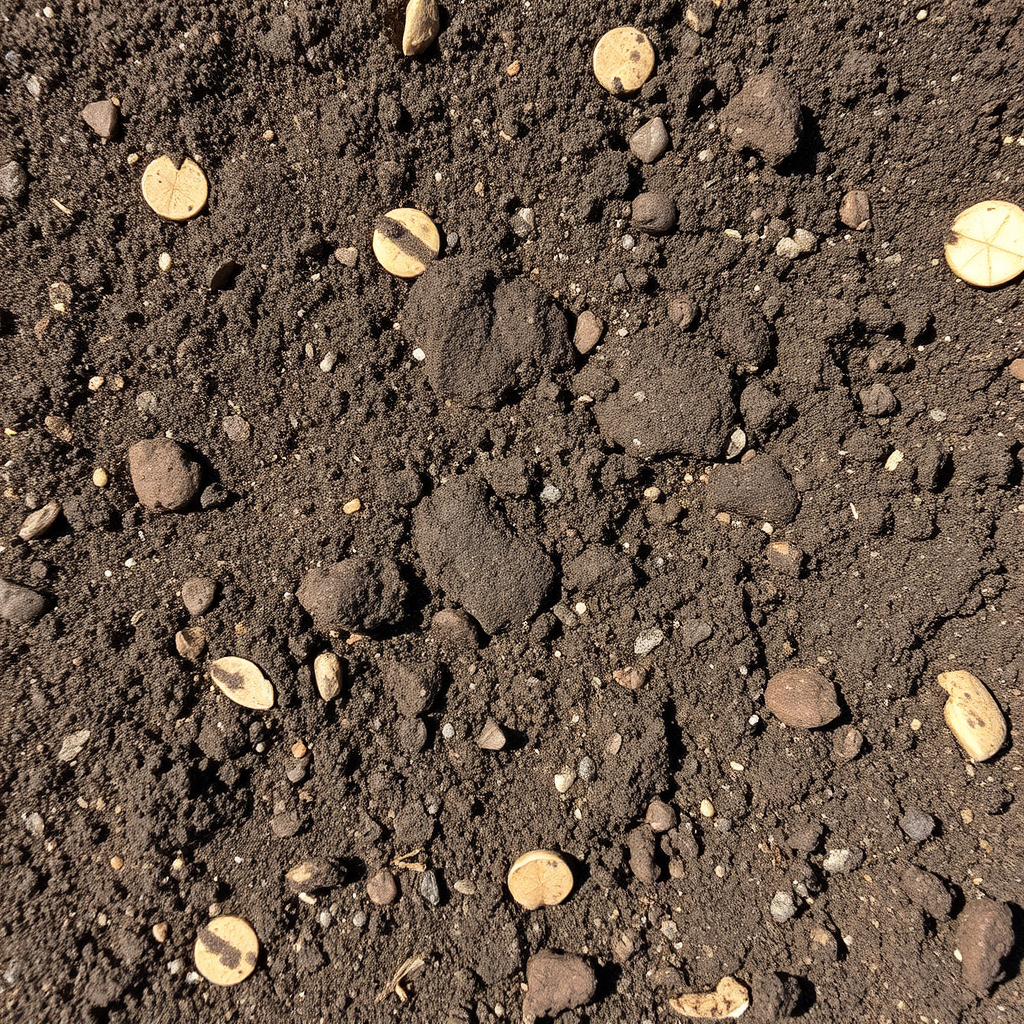
Soil Preparation for Ideal Seed Bed
Well-prepared soil should be loose, crumbly, and free of large clods to let seedlings emerge easily from their planting depth. Moisture retention capacity of soil affects how deep seeds should be planted, so working in compost and organic matter helps balance water.
A smooth, level seed bed makes planting at consistent depths simpler and promotes even germination, reducing patchy growth.
- Till or loosen soil
- Incorporate organic matter
- Remove stones and debris
- Level the surface
Environmental Conditions Influencing Seed Depth
Temperature and moisture directly impact how deep seeds can successfully germinate. In cold weather, shallower planting allows faster warming. In dry or hot conditions, deeper planting conserves moisture to aid seed growth.
Covering seeds with mulch can help regulate temperature and moisture at the planted depth, reducing the risk of drying and improving overall seedling success.
- Consider seasonal temperature
- Adjust depth for moisture availability
- Use mulch for moisture retention
Post-Planting Care for Seeds Planted at Correct Depth

Watering Approaches After Planting Seeds
Gentle, consistent watering keeps the soil moist but not waterlogged, helping seeds activate enzymes that trigger sprouting. Deep watering immediately is often unnecessary and can wash seeds out of place if planted too shallow.
Using a fine mist or sprinkler ensures even moisture distribution over the seed planting zone without disturbing the soil surface or seed placement.
For more on this, see our related guide: How Deep to Plant Cannabis Seeds for Best Germination Results.
Protecting Seeds From Predators and Environmental Threats
Birds, insects, and rodents can disturb seeds, especially if shallow planted. Light mulch, netting, or row covers provide barriers without blocking light or air. Also, monitoring soil temperature with thermometers lets gardeners adjust shade and cover as needed.
Wind and heavy rain can erode soil over seeds, so barriers like cloches or windbreaks are helpful when planting in exposed areas.
- Use bird netting or floating row covers
- Apply light mulch
- Monitor soil temperature
- Set up windbreaks if needed
Troubleshooting Common Issues with Seed Planting Depth

Identifying Symptoms of Incorrect Seed Depth
Seeds planted too shallow might appear dried out or be absent after rainfall due to washing away. Seedlings planted too deep often fail to emerge or produce weak, spindly shoots struggling to break soil.
Uneven germination in a seed bed can indicate variable planting depth or inconsistent soil preparation requiring correction for future planting.
For a deeper understanding of how seed depth influences germination, the Wikipedia article on seed germination offers valuable information. Seed planting depth details.
Correcting Depth Issues After Planting
If seeds are not emerging, gently uncovering some soil and thinning the soil layer can help in salvage attempts. For seeds washed away or eaten, reseeding with light coverage is advisable.
Adjusting soil moisture and avoiding heavy watering that disrupts seed positions reduces the chance of depth-related problems recurring.
Seed Planting Depth Category Comparison
Here’s a quick comparison of typical seed sizes with their corresponding planting depth recommendations for common garden seeds.
| Seed Type | Seed Size | Recommended Depth | Ideal Soil Conditions |
|---|---|---|---|
| Micro seeds (e.g., lettuce) | Less than 1 mm | Surface to 1/8 inch | Light, loose soil, moist |
| Small seeds (e.g., carrot) | 1-3 mm | 1/4 inch | Well-drained, organic-rich |
| Medium seeds (e.g., tomato) | 3-6 mm | 1/4 inch | Warm soil, moist |
| Large seeds (e.g., bean) | Over 6 mm | 1 to 2 inches | Moist, nutrient-rich |
| Very large seeds (e.g., corn) | 8-10 mm | 1.5 to 2 inches | Warm, well-aerated soil |
Frequently Asked Questions
How do I know if I planted my seeds too deep?
If seedlings take longer than usual to emerge, appear weak, or fail to emerge at all, it could mean seeds were planted too deep. Checking soil depth relative to seed size can help avoid this in future planting.
Can I fix seeds that were planted at the wrong depth after noticing problems?
Yes, gently loosening or removing some soil to reduce covering can help seedlings, but avoid disturbing them too much. Sometimes reseeding is the best option if deep planting severely impacted germination.
Does seed planting depth change with different soil types?
Yes, sandy soils require shallower planting because moisture drains quickly, while clay soils may need slightly deeper planting to maintain moisture. Adjusting depth based on soil type improves germination success.
Is it true that very small seeds shouldn’t be covered with soil?
For many tiny seeds like petunias or lettuce, just pressing them onto the soil surface or giving a very light dusting of soil is best since they need light to germinate effectively.
How does temperature affect the ideal seed planting depth?
In cooler seasons, shallower planting allows seeds to warm faster and sprout sooner. In warmer or dry environments, planting a bit deeper helps protect seeds from drying out or heat exposure at the surface.
Key Takeaways
- Plant seeds at a depth two to three times their size for best results.
- Adjust planting depth based on soil type and climate conditions.
- Use appropriate tools and methods to measure depth accurately.
- Post-planting care like gentle watering and protection enhances germination.
Conclusion
Deciding how to plant seeds at the right depth involves balancing seed size, soil type, and environmental factors. This approach avoids common problems like seedlings struggling to emerge or seeds drying out. Using the simple rule of planting seeds two to three times as deep as their width helps guide this process effectively.
For example, tiny seeds such as lettuce or petunia benefit from very shallow planting or surface placement, while beans and corn thrive when set deeper in moist, well-aerated soil. Adjusting depth slightly based on weather and soil texture, such as planting shallower in sandy soils or cooler conditions, lets gardeners tailor their approach for consistent results.
Starting with good soil preparation, measuring tools, and careful watering encourages seedling success. Once you know your seed types and local conditions, you can confidently plant seeds at the right depth for robust germination and healthy growth. Consider trying the seed planting depth guide here in your next planting project for better garden outcomes.