Common Cannabis Growing Mistakes and How to Avoid Them
Many novice growers face common cannabis growing mistakes such as overwatering, poor lighting, incorrect nutrient use, and inadequate ventilation. Avoiding these mistakes is key to producing healthy plants and maximizing yields.
Cannabis cultivation involves precise control over growing conditions, and even small errors can stunt growth or invite pests and diseases. Recognizing typical pitfalls helps growers create the right environment and care routines.
This article breaks down frequent errors made during cannabis cultivation and provides practical advice on correcting them, covering watering, lighting, nutrients, pest control, environment, and harvesting techniques.
Watering Mistakes in Cannabis Cultivation
Overwatering Effects and How to Prevent Them
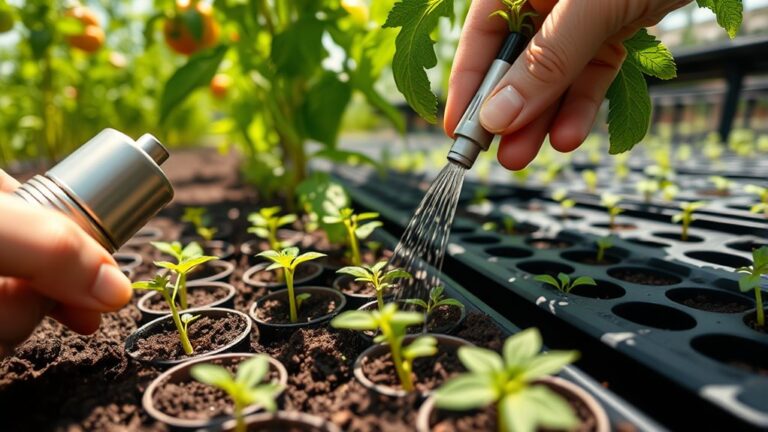
Overwatering is probably the most common issue new growers face. It can suffocate roots, cause nutrient lockout, and promote mold and root rot, leaving plants weak or dying.
To prevent this, water only when the top inch of soil feels dry, use containers with drainage holes, and ensure a proper watering schedule tailored to your strain and humidity level.
- Check soil moisture before watering
- Use pots that drain well
- Avoid watering on a strict schedule without checking plants
Underwatering and Recognizing Its Signs
Underwatering causes cannabis leaves to wilt, curl, and develop dry, brittle tips. Roots fail to absorb sufficient nutrients leading to stunted growth.
Signs include drooping leaves that don’t recover quickly and dry soil. Adjust watering frequency to maintain consistent moisture without saturation.
Lighting Errors That Impact Cannabis Growth
Insufficient Light Intensity and Duration
Cannabis plants require intense light during their vegetative and flowering stages. Insufficient light leads to stretched, weak plants with poor bud development.
Providing at least 18 hours of light during vegetative and 12 hours during flowering, along with using quality grow lights like LEDs or HPS, is critical for robust growth.
- Use appropriate wattage for grow space
- Maintain correct light cycles for growth phases
Excessive Light Exposure and Heat Stress
Too much light or heat close to plants can cause leaf burn, bleaching, and stress, reducing photosynthesis and yield quality.
Ensure lights are placed at the recommended distance and monitor temperature, keeping it between 70°F and 85°F depending on growth stage.
- Adjust light height regularly
- Use fans and vents to control heat
Nutrient Mismanagement in Cannabis Growing
Common Nutrient Deficiencies and Symptoms
Nitrogen, phosphorus, potassium, and micronutrient deficiencies manifest with yellowing leaves, spotting, or poor growth. Early detection is key for correction.
Understanding the nutrient cycle helps adjust feeding schedules to match plant needs at vegetative and flowering stages.
- Yellow lower leaves often indicate nitrogen deficiency
- Purple stems may signal phosphorus shortage
For more on this, see our related guide: How to Fix Overwatered Cannabis Plants: Effective Recovery Tips.
Avoiding Nutrient Burn and pH Imbalances
Overfeeding causes nutrient burn, seen as leaf tip browning and curl. Incorrect pH levels lock out nutrients even if they are in the soil.
Regularly test and adjust pH to between 6.0 and 7.0 for soil grows, and flush plants when buildup occurs to prevent damage.
- Monitor nutrient concentration
- Use pH meters for accuracy
Pest and Disease Problems in Cannabis Cultivation
Identifying and Preventing Common Pests
Spider mites, aphids, and fungus gnats commonly attack cannabis, causing leaf damage and reduced vitality.
Regular inspection, clean growing areas, and using natural predators or neem oil can keep pest populations low.
- Check undersides of leaves frequently
- Maintain cleanliness in grow space
Managing Mold, Mildew, and Other Diseases
High humidity and poor airflow promote powdery mildew and bud rot, seriously harming yields.
Use dehumidifiers, proper spacing, and monitor humidity below 50% during flowering to reduce disease risks.
- Increase ventilation
- Remove affected plant parts promptly
Environmental Control Mistakes in Cannabis Growing
Temperature Fluctuations and Their Consequences
Large swings in temperature stress cannabis plants, slowing growth and encouraging pests and diseases.
Maintain stable temperatures tailored to growth stages: cooler at night and warmer during the day, generally 70-85°F.
- Use thermostats and heaters/coolers
- Avoid placing plants near drafts or vents
For more on this, see our related guide: How to Identify and Fix Cannabis Plant Nutrient Deficiencies.
Humidity Levels and Air Circulation Importance
Incorrect humidity levels cause mold or dry plants. Cannabis needs around 60-70% humidity in vegetative and 40-50% in flowering.
Proper air circulation prevents stagnation, reduces pests, and strengthens plants by simulating natural breezes.
- Use oscillating fans
- Employ humidifiers/dehumidifiers as needed
Harvesting and Curing Mistakes to Avoid
Harvesting Too Early or Too Late
Harvesting before trichomes mature reduces potency, while waiting too long can cause degradation and mold.
Use magnification tools to assess trichome color and harvest when mostly cloudy with some amber for desired effects.
For a broader understanding of cannabis cultivation practices, this Wikipedia article offers detailed information on growing techniques and history. cannabis cultivation practices.
Curing Errors That Compromise Quality
Poor curing, such as drying too fast or in a highly humid environment, leads to harsh smoke and mold.
Cure in a dark, cool area with controlled humidity around 60%, burping jars daily for weeks to months optimizes flavor and cannabinoid profiles.
- Avoid direct sunlight during curing
- Maintain steady humidity
Common Cannabis Growing Mistakes Category Comparison
Here’s a side-by-side look at typical mistakes across categories and their main impact on cannabis cultivation quality and yield.
| Mistake Category | Common Cause | Effects | Prevention Tip |
|---|---|---|---|
| Watering | Overwatering | Root rot, nutrient lockout | Check soil moisture before watering |
| Lighting | Insufficient light | Stretching, poor bud development | Use proper wattage and light cycles |
| Nutrients | Overfeeding | Nutrient burn, leaf damage | Monitor nutrient levels and pH |
| Pests/Diseases | Poor hygiene | Leaf damage, reduced yield | Regular inspection and use of natural controls |
| Environment | Humidity too high | Mold and mildew growth | Use dehumidifiers and proper ventilation |
| Harvesting/Curing | Premature harvest | Reduced potency | Wait for mostly cloudy trichomes |
Frequently Asked Questions
How can I tell if I am overwatering my cannabis plants?
Signs of overwatering include drooping leaves that do not perk up after watering, yellowing leaves, and a consistently wet soil surface. Check soil moisture before watering and use pots with proper drainage.
What is the ideal light schedule for cannabis plants during flowering?
During flowering, cannabis plants typically require 12 hours of uninterrupted darkness and 12 hours of light to trigger bud development effectively.
How important is pH control in cannabis growing?
Maintaining the correct pH (6.0 to 7.0 in soil) is essential as it ensures plants can absorb nutrients properly. Incorrect pH can cause nutrient lockout even if nutrients are available.
What are natural ways to prevent pest infestations?
Using neem oil sprays, introducing beneficial insects like ladybugs, maintaining cleanliness, and regularly inspecting plants can keep pest populations under control.
When should I start curing my harvested cannabis buds?
Begin curing immediately after the buds are dried to the point where stems snap rather than bend. Proper curing enhances flavor and preserves potency.
Key Takeaways
- Avoid overwatering by checking soil moisture before each watering.
- Maintain proper light intensity and duration for each growth stage.
- Control nutrient levels and pH to prevent deficiencies and toxicity.
- Keep environment stable with correct temperature, humidity, and airflow.
Conclusion
Growing cannabis successfully hinges on attention to detail across multiple factors such as watering, lighting, nutrients, and environment. Common cannabis growing mistakes like overwatering, poor lighting, or improper nutrient management can quickly hinder plant health and reduce yields. The key is to observe your plants closely and adjust practices based on their responses. This approach allows growers to tailor conditions to their specific strain and setup, improving overall grow outcomes.
Selecting the right growing methods focuses on avoiding these pitfalls. For instance, maintaining precise watering routines prevents drowning roots while using quality LED or HPS lights supplies adequate energy. Regularly testing soil pH and nutrient levels avoids deficiencies and burn. Meanwhile, vigilant pest prevention combined with controlled humidity and airflow reduces disease risk. During harvest, correct timing and methodical curing preserve potency and effect. By prioritizing these factors, novice and experienced growers alike can produce healthier plants with better yields.
To move forward, start by evaluating your current grow setup for the common issues discussed here and implement recommended adjustments gradually. Monitor plant health indicators such as leaf color, growth patterns, and moisture levels. Use tools like soil moisture meters, pH testers, and magnifiers for trichomes to gain objective insights. With ongoing care and attention, most cannabis cultivation mistakes can be corrected over time, leading to rewarding harvests and an improved growing experience.