Understanding Cannabis Plant Growth Stages: A Complete Guide
Cannabis plant growth stages define the lifecycle phases from seed to harvest, guiding growers on how to care for the plant at every step. Recognizing these stages is essential for healthy development and maximizing yield.
Each stage—from germination through the vegetative phase to flowering—comes with unique environmental and nutritional needs that influence the plant’s health and potency. Understanding these phases allows growers to adjust conditions accordingly.
This article covers the key cannabis growth stages, detailing physical changes, timing, care requirements, and common challenges. Whether you’re a beginner or refining your technique, this guide will help you optimize your cultivation process.
Seed Germination Stage in Cannabis Plant Growth Stages
What Happens During Germination
Germination is the very first phase where the cannabis seed absorbs water, swells, and the embryonic root (radicle) emerges. This typically occurs within 1-7 days under ideal conditions of warmth and moisture.
Successful germination sets the foundation for strong seedlings. Seeds must be kept moist yet not soaked, at temperatures around 70-85°F (21-29°C), allowing the root to break through the seed shell and begin growing downward.
- Requires consistent moisture
- Optimal temperature between 70-85°F
- Radicle emergence signals completion
Common Germination Methods
Popular techniques include using damp paper towels, direct soil sowing, or starter cubes which maintain moisture while allowing oxygen penetration. Each offers different humidity control benefits but aims for rapid root exposure.
Some growers prefer soaking seeds in water for 12-24 hours before planting to speed up germination, but over-soaking can deprive oxygen leading to seed rot. Patience and gentle handling are key throughout.
Seedling Stage and Early Development
Recognizing the Seedling Stage
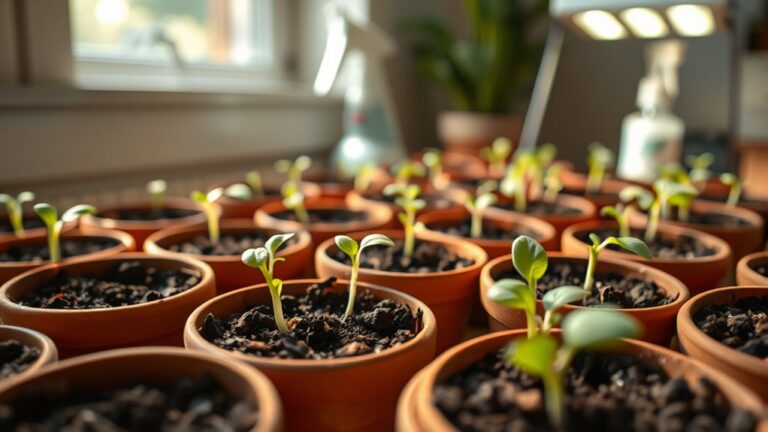
Once the cotyledon leaves open and the first true serrated leaves develop, the cannabis plant enters the seedling stage. This lasts 2-3 weeks, characterized by rapid root expansion and delicate stem growth.
At this point, seedlings are highly sensitive to light intensity, humidity, and temperature changes. Properly balancing these helps prevent stress or stunted growth that could reduce the eventual harvest quality.
- Cotyledons appear first
- 2-3 weeks duration
- Rapid root and stem growth
Environmental Needs for Seedlings
Seedlings require high humidity (65-70%) and gentle but ample light to develop chlorophyll and photosynthetic capability. Temperatures between 68-77°F (20-25°C) are ideal.
Overwatering or nutrient overdose is common at this stage. Applying very diluted nutrient solutions or plain water ensures roots establish without burning delicate tissues.
Vegetative Stage in Cannabis Plant Growth Stages
Characteristics of the Vegetative Stage
The vegetative phase is when cannabis plants focus on growing leaves, stems, and roots to build biomass. It can last anywhere from 3 weeks to several months depending on desired plant size and growing conditions.
During this period, the plant develops its structure and energy storage capacity, setting the stage for more robust flowering. This stage responds well to increased light exposure, often 18-24 hours daily.
- Rapid vegetative growth
- Extended light periods required
- Focus on foliage and root expansion
For more on this, see our related guide: How to Grow Cannabis from Seed: A Practical Guide for Beginners.
Optimizing Vegetative Growth
Providing balanced nitrogen-rich nutrients supports leaf development. Maintaining temperatures around 70-85°F (21-29°C) with good airflow prevents mold and heat stress.
Growers often use training techniques like topping or low-stress training at this stage to promote even canopy development and increase light penetration during flowering.
Flowering Stage and Bud Formation
Signs the Plant is Flowering
The flowering stage begins when the light cycle shifts to 12 hours light and 12 hours darkness, triggering differentiation of buds. This can start around weeks 6-8 from germination for many strains.
Pre-flowers appear at node sites signaling reproductive maturity. White pistils extend out as buds gradually swell, eventually developing resinous trichomes.
- Triggered by 12/12 light cycle
- Pre-flowers form at nodes
- Pistils emerge on buds
Managing Flowering for Optimal Yield
Nutrient demand shifts toward higher phosphorus and potassium to support bud growth while reducing nitrogen. Environmental stability is critical; temperature fluctuations or light leaks can stress plants causing hermaphroditism.
Proper humidity (40-50%) minimizes mold risk on dense flowers. Monitoring trichome development helps determine the best harvest window for desired potency and flavor profiles.
Harvesting and Post-Harvest Stages
Determining the Perfect Harvest Time
Harvest timing depends largely on trichome color: clear indicates immaturity, milky white suggests peak THC, and amber signals some THC degradation into CBN for a more sedative effect. Most growers harvest during a mix of milky and amber for balanced effects.
Pulled pistils also provide clues, with darkening and curling indicating maturation. The goal is to harvest before mold or over-ripeness degrade quality.
- Inspect trichomes with magnifier
- Observe pistil color and position
- Harvest before bud rot onset
For more on this, see our related guide: Cannabis Growing Guide for Beginners: How to Start Cultivating Your Own Plants.
Drying and Curing Techniques
After cutting, buds must dry slowly in dark, ventilated spaces at about 60-70°F and 50-60% humidity over 7-14 days to preserve cannabinoids and terpenes.
Subsequent curing in airtight containers for several weeks enhances flavor and potency by allowing chemical stabilization. Proper drying and curing prevent harsh smoke and maximize enjoyment.
Challenges During Cannabis Plant Growth Stages
Common Pests and Diseases
Cannabis plants can fall prey to spider mites, aphids, powdery mildew, and root rot throughout different growth stages. Preventive hygiene, maintaining proper humidity, and using organic treatments help control infestations.
Identifying early symptoms such as leaf discoloration or webbing is critical for quick response to avoid yield loss.
- Spider mites cause tiny yellow spots
- Powdery mildew appears as white powder
- Overwatering increases risk of root rot
For a more detailed overview of cannabis plant biology and growth phases, refer to the Cannabis growth stages Wikipedia entry. Cannabis growth stages Wikipedia.
Nutrient Deficiency and Environmental Stress
Deficiencies in nitrogen, phosphorus, potassium, or micronutrients manifest as yellowing leaves, stunted growth, or spots. Each growth stage requires tailored nutrient mixes matching shifting plant demands.
Excessive heat, improper light intensity, or poor ventilation can cause stress slowing growth or triggering bud malformations, demanding careful monitoring and adjustment.
Cannabis Plant Growth Stages Category Comparison
This table summarizes the key features and requirements of each cannabis plant growth stage to help you understand their differences.
| Stage | Duration | Light Requirements | Nutrient Focus | Key Care Tips |
|---|---|---|---|---|
| Germination | 1-7 days | Indirect, low | None or minimal | Keep moist, warm environment |
| Seedling | 2-3 weeks | 16-24 hours gentle light | Low nutrients | High humidity, avoid overwatering |
| Vegetative | 3 weeks to months | 18-24 hours strong light | High nitrogen | Airflow, pruning, training |
| Flowering | 6-10 weeks | 12 hours light, 12 hours dark | High phosphorus & potassium | Stable environment, pest control |
| Harvest/Post-Harvest | 1-3 weeks | No light during drying | None | Slow drying, proper curing |
Frequently Asked Questions
How long does the complete cannabis growth cycle take?
The full growth cycle typically lasts 3 to 5 months, depending on the strain and cultivation methods, with flowering being the longest phase.
What is the role of light during cannabis growth stages?
Light controls when cannabis transitions between vegetative and flowering phases; proper intensity and duration influence growth rate and bud development.
Can nutrient needs vary between cannabis growth stages?
Yes, seedlings require minimal nutrients, vegetative plants need more nitrogen, while flowering plants benefit from higher phosphorus and potassium levels.
How can I identify the start of the flowering stage?
Flowering begins when cannabis plants develop small pre-flowers at nodes and when growers switch to a 12-hour light, 12-hour dark daily schedule.
Why is curing important after harvesting cannabis?
Curing enhances the flavor, reduces harshness, and stabilizes cannabinoid potency by allowing chemical changes in the dried buds over time.
Key Takeaways
- Cannabis growth stages guide proper care from seed to harvest.
- Environmental conditions and nutrients must be adjusted for each stage.
- Flowering requires precise light cycles and nutrient shifts.
- Proper drying and curing are essential for quality final product.
Conclusion
Understanding cannabis plant growth stages is fundamental for any cultivator aiming to produce healthy plants and maximize yield quality. Each stage—from germination through flowering and harvest—presents specific challenges and care requirements that significantly impact the final results. With careful observation and adaptation to your plant’s changing needs, you can foster vigorous development and potent buds.
For those primarily focused on structure and biomass, extending the vegetative stage while using training methods can be beneficial, whereas growers aiming for quicker turnaround should monitor early signs and transition promptly into flowering. Harvest timing based on trichome maturity is also crucial to tailor potency and desired effects, emphasizing the value of detailed knowledge about these growth phases.
Taking the next step means applying this information practically: implement the proper light cycles, humidity levels, and nutrient schedules according to each stage explained above. Starting with small batches while refining techniques will build confidence and experience, ultimately leading to a successful cannabis cultivation journey.