How Long Do Poppy Seeds Stay in Your System?
Are you worried about accidentally testing positive because of poppy seeds? You’re not alone—many people struggle with understanding how long those tiny seeds can stay in your system.
Whether you’re facing a drug test or just curious, knowing the facts can help ease your mind.
When you eat poppy seeds, traces of opiates like morphine and codeine can stay in your system for about 1 to 3 days, depending on factors like how much you consume, your metabolism, hydration, and body weight.
Regular or large amounts may stay longer, increasing the chance of positive drug test results.
To avoid surprises, it’s best to wait at least 24 hours after eating poppy seeds before testing.
Keep going to learn more about how detection works and ways to minimize risks.
Key Takeaways
- Poppy seeds can be detected in urine for about 1 to 3 days after you’ve eaten them.
- How long they stay detectable depends on your metabolism, how much you ate, your hydration, and your body weight.
- If you eat larger amounts, it might take longer for the seeds to clear and could cause false positives on drug tests.
- To help avoid false positives, it’s best to avoid poppy seeds at least 24 hours before testing.
- Confirmatory tests like GC-MS can tell the difference between poppy seed residues and actual drug use.
How Do Poppy Seeds Enter Your System and Are They Detectable?
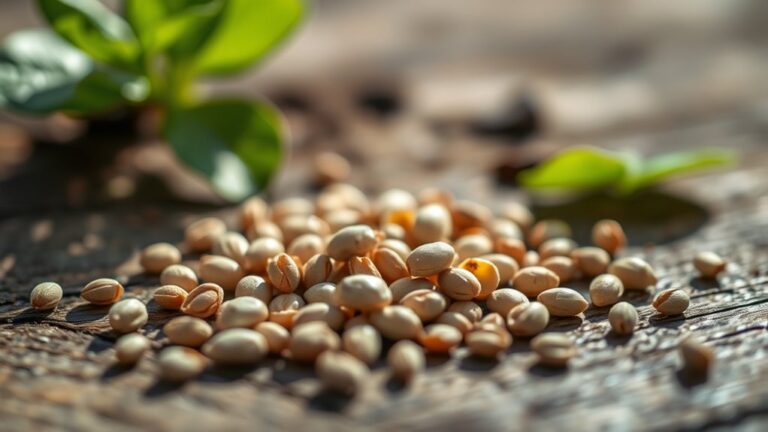
Poppy seeds enter your system mainly through the foods you eat, like baked goods, salads, or other dishes that have them as toppings or ingredients. When you consume these foods, small amounts of opiates like morphine and codeine can be present because of the natural properties of the seeds.
Eating poppy seeds can lead to trace amounts of opiate metabolites getting into your bloodstream. These are processed through your body’s opiate metabolism. Even though poppy seeds are legal and widely used, they can sometimes cause positive drug tests for opiates if eaten in enough quantity.
The amount of opiate metabolites in your system depends on how much and how often you eat foods containing poppy seeds. Detectability mainly depends on your body’s ability to metabolize and eliminate these substances. This process varies from person to person, but generally, the metabolites can be detectable for a certain period after consumption.
How Long Do Poppy Seeds Stay Detectable in Urine?
You might be curious about how long poppy seeds can show up in your urine, right? Well, it really depends on a few different things. Usually, traces of poppy seeds can be detected for a few days after you eat them, but that timeframe can vary. Factors like your metabolism, how much you ate, and even how much water you drink can all play a role in how long those traces stick around.
Basically, if you’re trying to figure out how long poppy seeds might stay in your system, keep in mind that everyone’s different. So, it’s not a one-size-fits-all answer. But generally speaking, a few days is the typical window you might be looking at.
Detection Window Duration
How long poppy seeds stay detectable in urine depends on several factors like how much you ate and your metabolism. Usually, the detection window is short—about 1 to 3 days—but it can vary from person to person.
Your body’s ability to process opiates is a big factor in how quickly these substances clear out. Larger amounts of poppy seeds can make detection last longer.
If you have a faster metabolism, you’ll likely eliminate traces quicker. Hydration levels can also influence how long the detection window stays open.
Regular users might have longer detection times because the seeds can build up in their system. Knowing these points can help you understand how long traces might stay in your urine, especially for drug tests or health reasons.
Factors Influencing Detection
Several factors can influence how long poppy seeds stay detectable in urine, with your body’s metabolic rate playing a crucial role. Faster metabolism speeds up processing and shortens detection times, while slower metabolism can make detection last longer.
Your hydration level, age, and overall health also affect how quickly your body clears opiates from poppy seeds. The more hydrated you are, the faster your body tends to eliminate these substances.
Additionally, the amount of poppy seed exposure and how often you consume them matter. Eating more poppy seeds or using them repeatedly can make detection times longer.
The table below highlights key factors that influence detection:
| Factor | Effect on Detection Time |
|---|---|
| Metabolic Rate | Faster speeds up processing and shortens detection |
| Hydration Level | Higher hydration lowers detection likelihood |
| Age | Older age may extend detection periods |
| Consumption Amount | Larger amounts increase detection time |
| Frequency of Use | Repeated use prolongs detection |
Understanding these elements helps explain why detection times can vary in urine tests.
What Factors Affect How Quickly Poppy Seeds Are Cleared From Your Body?
The speed at which poppy seeds are cleared from your system depends on various factors that influence metabolism and elimination processes. Your dietary habits, such as fiber intake, can speed up or slow down detoxification.
Metabolic rate varies from person to person, impacting how quickly substances are processed. Hydration levels are essential; staying well-hydrated helps flush out residues faster.
Health conditions like liver or kidney issues can slow clearance, while the frequency and amount of consumption also matter. More frequent or larger doses take longer to eliminate.
The type of drug test determines detection windows, and genetic factors influence individual metabolism speeds.
Furthermore, the time of consumption relative to testing is key. The sooner after ingestion, the more likely traces are detectable.
All these factors combined determine how long poppy seeds stay in your system, making each person’s clearance time unique.
How Reliable Are Drug Tests for Detecting Poppy Seed Consumption?
Drug tests can sometimes give mixed results when it comes to detecting poppy seed consumption because the detection window can vary quite a bit. So, it’s not always a straightforward process. You should also keep in mind that false positives can happen, especially if the testing method isn’t very specific. Knowing how accurate different types of tests are can help you get a better idea of how reliable they are when it comes to identifying poppy seed intake.
Detection Windows Variability
Because poppy seeds contain trace amounts of opiates, drug tests can sometimes produce false positives after consumption, but their reliability varies widely. The detection window depends on factors like your poppy seed metabolism and the sensitivity of the test used for opiate detection. Generally, the timing of detection can range from a few hours to several days.
Consider these key points:
- Rapid metabolism speeds up the clearance of opiates, reducing detection time.
- More sensitive tests can detect smaller amounts for longer periods.
- Eating large amounts of poppy seeds extends the detection window.
- Different people metabolize poppy seeds at different rates, which affects detection variability.
Understanding these factors can help you estimate how long poppy seeds might stay detectable in your system.
False Positives Risks
Can you trust drug tests to accurately detect poppy seed consumption? Unfortunately, false positives are a real concern in drug testing. Poppy seeds contain trace amounts of morphine and codeine, which can sometimes lead to a false positive result.
This means you might test positive even if you haven’t used illicit drugs. Several factors influence this risk, including how much seeds you’ve eaten and how sensitive the testing method is. While drug testing is generally reliable, these false positives can cause unnecessary stress or legal issues.
It’s important to be aware that eating large amounts of poppy seeds before a test might trigger a false positive. Informing the testing agency about recent poppy seed intake can help clarify the results.
Testing Method Accuracy
How accurate are drug tests at detecting poppy seed consumption? They can be surprisingly unreliable because of testing limitations and detection challenges. Poppy seeds contain tiny amounts of opiates, which can sometimes cause false positives or be missed entirely. Here’s what you should know:
- Cross-reactivity: Tests might mistake poppy seed residues for real opiate use.
- Detection windows: Small amounts may only be detectable for a short period.
- Testing sensitivity: Different labs have different thresholds, which can affect accuracy.
- False positives: Certain foods or medications can interfere and make results confusing.
Understanding these limitations helps explain why results aren’t always clear, especially when poppy seeds are involved.
Can Eating Poppy Seeds Cause False Positives on Drug Tests?
Have you ever wondered if eating poppy seeds could lead to a false positive on a drug test? Poppy seed consumption can actually impact drug tests because the seeds often contain small amounts of morphine and codeine.
When you eat foods with poppy seeds, these substances can be absorbed into your system, sometimes enough to trigger a positive result on standard drug screenings. This is especially true if the test is very sensitive or if you eat a lot of poppy seeds.
Labs usually know about this possibility and may request a confirmatory test, like GC-MS. This test can tell the difference between poppy seed residues and actual drug use.
Even small amounts of poppy seeds can sometimes cause concern, so it’s a good idea to inform the testing personnel if you’ve recently consumed them.
Does Body Weight, Age, or Metabolism Change Detection Times?
Your body’s characteristics, including weight, age, and metabolism, influence how quickly substances like poppy seed residues are processed and eliminated. If you have a higher body weight, it may take longer for your body to clear the opiates, which can increase detection variability.
Body traits like weight, age, and metabolism impact how quickly your body clears substances like poppy seed residues.
Age also matters: younger people tend to metabolize faster, while older individuals might process substances more slowly. Your metabolism plays a key role—faster metabolisms speed up elimination and reduce detection times.
On the other hand, slower metabolisms mean longer detection windows. Personal factors like these cause differences from person to person, making exact detection timing hard to predict.
Keep in mind that heavier bodies might retain residues longer, affecting test results. Younger individuals often process substances more quickly than older adults.
A high metabolism shortens detection times, while a slow one extends them. Knowing these factors can help you understand why detection times vary among individuals.
How Do Different Drug Tests Detect Poppy Seed Opiates?
Different drug tests use different methods to find poppy seed opiates, mainly by looking for specific metabolites in your system. Basically, they’re trying to spot the chemical byproducts that your body produces after you’ve eaten poppy seeds.
Now, here’s the tricky part: poppy seeds can contain tiny traces of opiates, which can sometimes lead to false positives. That’s because even a small amount can show up on a drug test, making it seem like you’ve used illicit substances when you actually haven’t.
Understanding how these tests detect metabolites helps explain why false positives happen and how they can sometimes mistake poppy seed consumption for drug use.
Testing Methods Overview
Drug tests detect poppy seed opiates by analyzing samples like urine, blood, or hair for specific opioid metabolites. These tests look for substances related to the natural compounds in poppy seeds, which can contain trace amounts of opiates.
Different testing methods target various stages of opiate metabolism, so they can detect these substances at different times.
Urine tests are the most common and detect metabolites like morphine and codeine. Blood tests focus on recent ingestion by identifying active opiates.
Hair tests can trace long-term use because they detect metabolites embedded in hair strands. Saliva tests are less common but useful for quick, on-the-spot detection.
Each method varies in sensitivity and detection window, depending on how your body processes poppy seed-related opiates.
Poppy Seed Metabolites Detection
Various drug tests detect poppy seed opiates by analyzing biological samples for specific metabolites like morphine and codeine. These tests look for the byproducts of poppy seed metabolism, which happen as your body breaks down opiates.
When you eat poppy seeds, your system processes them into these metabolites, which can stay in your urine, blood, or hair for a while. Drug screening methods like immunoassays and confirmatory tests such as GC-MS identify these substances to check for recent opiate exposure.
Because poppy seed metabolism produces detectable levels of morphine and codeine, even small amounts can lead to positive results. Understanding how drug tests detect these metabolites helps explain why innocent consumption can sometimes cause false positives.
This highlights the importance of being aware of poppy seed intake before undergoing testing to avoid unexpected results.
False Positives Explanation
Because poppy seed metabolites like morphine and codeine can stay in your system for a while, some tests are designed to detect even tiny traces of these substances. This can cause false positives in drug tests, where eating poppy seeds might make it look like you’ve used opiates.
Immunoassay tests are common but can mistake poppy seed traces for illicit opiates. Confirmatory tests like GC-MS are more specific and help reduce false positives.
Cross-reactivity happens when other substances interfere with test accuracy. Timing also matters—tests taken soon after eating poppy seeds are more likely to produce false positives.
Knowing these factors can help you interpret drug test results correctly and avoid unnecessary worries.
How Can You Reduce the Risk of Testing Positive After Eating Poppy Seeds?
Wondering how to reduce the chances of testing positive after eating poppy seeds? The key is understanding how your body processes poppy seeds and planning accordingly. To lower your risk, avoid eating poppy seeds at least 24 hours before a drug test.
Hydrate well and consider eating fiber-rich foods to help your body eliminate traces faster. Here’s a helpful chart to guide you:
| Time Before Test | Action | Effect |
|---|---|---|
| 24 hours or more | Limit poppy seed intake | Lower opiate residue levels |
| 12-24 hours | Hydrate and eat fiber-rich foods | Speed up elimination |
| Less than 12 hours | Avoid poppy seeds entirely | Minimize testing risk |
| Day of test | Use drug test strategies cautiously | Maximize safety |
While you can’t completely control poppy seed consumption, strategic timing and hydration can help. These steps are essential for reducing the risk of testing positive.
What Are the Legal and Employment Risks of Poppy Seed Test Results?
Testing positive for opiates due to poppy seed consumption can lead to serious legal and employment consequences. You might face legal issues if a drug test is used as evidence in court, especially in cases involving driving under the influence or legal disputes.
On the employment side, a positive result could threaten your job security or future job prospects. Here are some key risks:
- Legal implications: You could face fines, license suspension, or even criminal charges if the test is used in court.
- Employment consequences: Employers may suspend, terminate, or refuse to hire you based on positive drug test results.
- Insurance issues: A positive test might affect your insurance coverage or lead to higher premiums.
- Reputation damage: A positive result could harm your personal and professional reputation, especially if falsely linked to poppy seed ingestion.
Knowing these risks helps you make better choices when it comes to consuming poppy seeds before testing.
How Long Should You Wait Before Taking a Drug Test After Eating Poppy Seeds?
After consuming poppy seeds, it’s important to think about how long they might stay detectable in your system before taking a drug test. Poppy seed consumption can cause trace amounts of opiates to show up in your urine, which may lead to a positive result.
To avoid this, consider the recommended timing for a drug test after eating poppy seeds. Usually, it’s best to wait at least 24 hours, especially if you’ve eaten a lot.
This waiting period gives your body enough time to metabolize the opiates and helps reduce the chance of a false positive. Keep in mind that factors like your metabolism, body weight, and how much poppy seeds you ate can influence detection times.
If you can, plan your drug test at least a day or two after consuming poppy seeds. Doing so can help ensure accurate results and prevent any issues related to poppy seed consumption.
Frequently Asked Questions
Can Cooking or Processing Poppy Seeds Affect Their Detectability?
Cooking or processing poppy seeds can reduce their detectability because some methods, like boiling or grinding, break down the seeds and may lower opiate levels.
However, these techniques don’t eliminate all traces, especially if large quantities are used.
If you’re concerned about detection, it’s best to avoid consuming processed or cooked poppy seeds before testing, as these methods might lessen but not completely remove their presence.
Are There Specific Brands of Drug Tests More Prone to False Positives?
Imagine a sneaky poppy seed slipping into your morning muffin, then causing chaos at your drug test.
Yes, some brands of drug tests are more prone to false positives, especially when tiny poppy seed residues trick the system.
You might think you’re clean, but the test’s quirks could label you guilty.
Always opt for reputable testing brands and let your tester know about recent consumption to avoid unnecessary drama.
How Does Hydration Influence the Elimination of Poppy Seed Metabolites?
Hydration levels directly influence how your body clears metabolites, so drinking plenty of water can help speed up the elimination of poppy seed metabolites.
When you’re well-hydrated, your kidneys work more efficiently, which can make the detox process faster.
However, while staying hydrated can support metabolite clearance, it doesn’t guarantee a negative drug test result.
The best approach is to stay consistently well-hydrated to support your body’s natural elimination processes.
Do Prescription Medications Interfere With Poppy Seed Detection?
Yes, prescription medications can interfere with poppy seed detection during drug testing. Some medications may cause false positives or change test results because of drug interactions, making it harder to detect poppy seed metabolites accurately.
Testing protocols vary, and certain drugs in your system could affect the results. Stay aware—medications might mask or mimic substances, so always tell testing authorities about your prescriptions beforehand to avoid surprises.
Can Secondhand Exposure to Poppy Seed Products Cause Positive Test Results?
Secondhand exposure to poppy seed products generally won’t cause positive test results because the amount of opiates absorbed is minimal.
However, if you eat large quantities of poppy seeds, it could affect the accuracy of the test. Usually, you’d need to consume a lot for a positive result.
Casual exposure isn’t likely to trigger a false positive, but it’s a good idea to let testing authorities know if you’ve recently been exposed to large amounts.
Conclusion
Remember, patience is a virtue, especially when it comes to drug testing after eating poppy seeds. They can cause false positives, but many factors influence how long they stay in your system.
Understanding these factors and giving your body time to clear the seeds can help you avoid unnecessary complications. Sometimes, it’s better to wait a little longer than to rush and face the consequences.
When it comes to poppy seeds, knowing how long they stay in your system is key. Being patient can make all the difference in ensuring accurate results.