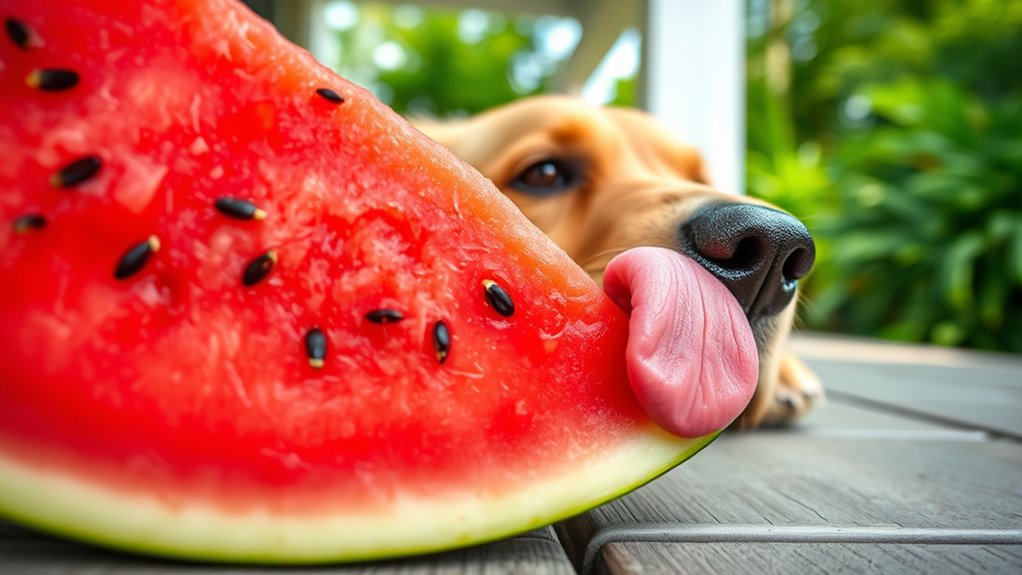
Can Dogs Have Watermelon Seeds?
Are you always on the lookout for healthy treats to share with your furry friend? Many dog owners want to give their pups a taste of something fresh and tasty, but worry about what’s safe. You’re not alone—figuring out what’s okay can be tricky.
No, you should avoid giving your dog watermelon seeds, as they can pose choking risks and cause digestive blockages.
Dogs have a different digestion system and may struggle to pass seeds intact, which can lead to discomfort or health issues.
To keep your pup safe, always remove the seeds before sharing watermelon and offer small, manageable pieces.
If you want to learn more about safe feeding tips and alternatives, keep exploring these helpful details.
Key Takeaways
- Watermelon seeds can be a choking hazard and cause digestive blockages for dogs.
- They might also irritate or inflame a dog’s digestive tract.
- That’s why it’s important to remove seeds before giving watermelon to your dog.
- Small, seedless pieces of watermelon are safer and okay for dogs to enjoy in moderation.
- You can also offer vegetables or seedless fruits as healthier, safer treats for your pup.
Are Watermelon Seeds Safe for Dogs?
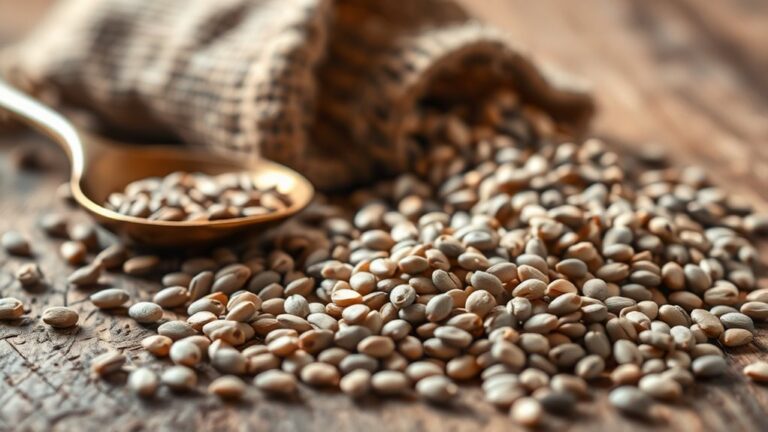
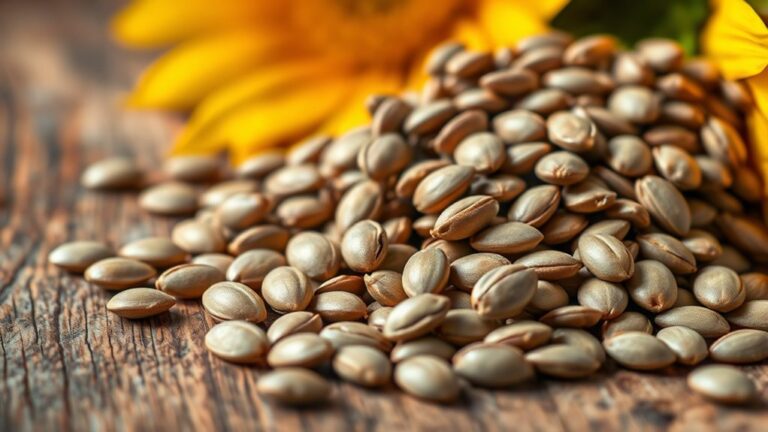
Are watermelon seeds safe for dogs? While small amounts of watermelon flesh are generally safe, the seeds can pose risks. Watermelon seeds aren’t considered safe for your dog’s consumption, as they may cause digestive issues or blockages, especially if eaten in larger quantities.
Even if some folks think seeds are harmless, it’s best to avoid giving them to your dog to prevent potential problems. If you want to share watermelon with your pup, try removing the seeds first or just giving them the fleshy parts.
These options make sure your dog enjoys the treat without choking or internal blockages. Always prioritize safe feeding by preparing fruits carefully, especially when sharing with your pet.
Keeping seeds out of reach and choosing seed-free options helps protect your dog’s health while letting them enjoy tasty snacks safely.
How Do Dogs Digest Watermelon Seeds Compared to Humans?
Dogs have a different digestive system compared to humans, so they handle watermelon seeds a bit differently. For us, swallowing a seed usually isn’t a big deal—you might even swallow them without thinking much about it. But with dogs, it’s a different story. Their digestive systems aren’t built to break down seeds as easily as ours.
Because of that, watermelon seeds can sometimes cause problems for dogs. They might not digest the seeds properly, which could lead to stomach upset or, in some cases, even blockages. That’s why it’s a good idea to be cautious and avoid giving dogs watermelon seeds. It’s always better to keep their health in mind and stick to safe treats!
Digestive System Differences
While humans can usually digest watermelon seeds without any problems, dogs’ digestive systems handle them quite differently. Their shorter, less acidic digestive tracts affect how they process seeds.
Unlike humans, dogs produce fewer digestive enzymes that can break down seed shells. So, watermelon seeds might pass through their system mostly intact.
Their stomachs aren’t as good at dissolving tough seed shells, which can increase the risk of blockages or incomplete digestion. These differences mean dogs are less capable of safely digesting watermelon seeds.
Feeding them seeds could then pose potential health risks.
Seed Breakdown Efficiency
Compared to humans, dogs are less efficient at breaking down watermelon seeds because their digestive systems lack the specialized enzymes needed to dissolve seed shells effectively. This means seeds often pass through their system intact, making seed digestion less thorough.
While humans can break down and digest seed components more completely, dogs risk seed toxicity if the seeds aren’t fully processed.
To illustrate:
| Aspect | Humans | Dogs |
|---|---|---|
| Seed digestion | Efficient, breaks down shells | Less efficient, shells often pass intact |
| Seed toxicity risk | Low, seeds digestible enough | Higher, shells may cause blockages or toxicity |
Understanding this difference can help you decide whether to feed watermelon seeds to your dog or remove them to prevent digestive issues.
Potential Digestive Risks
Because dogs lack the enzymes needed to break down seed shells effectively, watermelon seeds can pose serious digestive risks. Their limited digestive ability means seeds often pass through without proper digestion, which can lead to blockages or discomfort.
Unlike humans, who can usually digest seed shells or spit them out without issues, dogs are more vulnerable to seed toxicity and internal obstructions. Seeds may cause choking or blockages in the gastrointestinal tract, which can be dangerous.
Shells can also irritate your dog’s stomach lining or intestines. Incomplete digestion might result in discomfort or vomiting, making your dog feel quite unwell.
Some seeds contain toxic compounds that could harm your dog if ingested. Larger seeds or seed fragments are especially risky because they have a higher chance of causing impaction or obstruction.
Always think about these risks before offering watermelon seeds to your dog. It’s better to be safe and avoid potential health issues.
Can Watermelon Seeds Cause Choking or Digestive Blockages?
Watermelon seeds can actually be a choking hazard if your dog swallows them whole, especially if your pup tends to be a bit aggressive or tends to eat quickly. It’s always best to keep an eye on them when they’re enjoying some watermelon.
There’s also a chance that the seeds could cause a digestive blockage if your dog eats a lot of them or if many seeds get stuck together inside their tummy. So, to keep your furry friend safe, it’s a good idea to remove the seeds before giving them watermelon.
Choking Hazards Potential
While watermelon seeds are generally small, they can still pose a choking risk or cause digestive blockages in dogs if swallowed whole or in large amounts. The size of the seeds varies, but even small seeds can be dangerous if your dog tries to swallow many at once.
Choking risks go up when dogs chew quickly or tend to gulp their food, making seed inhalation more likely. Larger seed sizes are more prone to blocking airways, so keep that in mind.
Dogs that eat fast are at higher risk, as are puppies and small breeds. Seeds can get lodged in the throat, leading to choking. To stay safe, avoid giving your dog whole seeds to prevent accidental ingestion.
Being cautious helps prevent emergencies related to seed ingestion and keeps your dog safe.
Digestive Blockage Risks
Swallowing watermelon seeds can sometimes lead to more than just choking; they may cause digestive blockages in your dog. While small seeds often pass through, larger or multiple seeds can obstruct the digestive tract, creating serious concerns.
These blockages can cause discomfort, vomiting, or even require surgery. Some owners worry about seed toxicity, but watermelon seeds are generally non-toxic. Still, the physical presence of seeds in the digestive system is a real risk.
If your dog shows signs of vomiting, constipation, or abdominal pain after eating watermelon, seek veterinary help immediately. To avoid these risks, it’s safest to remove seeds before offering watermelon so your dog can enjoy the fruit safely.
What Are the Health Risks of Giving Your Dog Watermelon Seeds?
Although watermelon seeds are generally harmless to humans in small amounts, they can pose health risks to dogs if ingested. Seed toxicity is a concern because large quantities or sharp seeds can cause physical issues or blockages.
To keep your pet safe, be aware of potential dangers like digestive blockage, which occurs when seeds swell and block the intestines. This can lead to discomfort or require an emergency vet visit.
Choking is another risk, especially with small seeds that can become lodged in your dog’s throat. Seeds might also irritate or inflame the digestive tract, causing further issues.
While rare, some seeds contain compounds that could be toxic if eaten in large amounts. Dogs may also develop habits of chewing or swallowing seeds, increasing the chances of health problems.
Being cautious with watermelon seeds helps prevent unnecessary health issues, keeping your dog safe and happy. Always watch what your dog is eating to avoid seed toxicity and other safety concerns.
Should You Remove Watermelon Seeds Before Sharing?
You should remove watermelon seeds before sharing with your dog because, despite their small size, they can pose health risks. Seed removal is a simple step that guarantees your dog’s safety and prevents potential choking or digestive issues.
While a seed might seem harmless, it can cause an intestinal blockage or upset stomach if swallowed whole.
Consider this table to understand the importance of seed removal:
| Seed Removal | Dog Safety |
|---|---|
| Prevents choking | Avoids digestive blockage |
| Reduces risk of upset stomach | Protects from potential health issues |
| Guarantees easy digestion | Maintains overall health |
| Keeps snack safe | Promotes responsible feeding |
How Much Watermelon Is Safe for Your Dog?
While watermelon is a refreshing and healthy treat for dogs, it’s important to serve it in moderation to avoid health issues. Paying attention to portion control helps keep your dog safe.
Too much watermelon can upset your dog’s stomach or cause diarrhea, especially if they’re not used to it. Offer small, manageable pieces to prevent choking and make it easier to digest.
Feeding small pieces helps prevent choking and aids digestion for your dog.
Limit watermelon to about 10% of your dog’s daily calories and use it as an occasional treat, not a main part of their diet. Always remove seeds to prevent any digestive blockages.
Watch for any adverse reactions after your dog eats watermelon. Knowing how much is safe helps you balance treats with regular meals.
Remember to consider your dog’s size, age, and health when deciding on portion sizes. When in doubt, ask your veterinarian for guidance on the right amount for your pet.
How Can You Prevent Choking or Digestive Issues When Feeding Watermelon?
To prevent choking or digestive issues when feeding watermelon to your dog, always serve it in appropriately sized pieces. Cutting the fruit into small, manageable chunks helps guarantee choking prevention and makes it easier for your dog to chew and swallow safely.
Avoid giving large or whole slices, which can pose a risk of obstruction. Remove seeds thoroughly, as they can cause digestive health problems or blockages if ingested.
Keep an eye on your dog while they eat, especially if it’s their first time with watermelon, to spot any signs of discomfort. Introducing watermelon gradually can also help prevent digestive upset, such as diarrhea or an upset stomach.
Tips for Safely Feeding Watermelon to Your Dog
Ensuring your dog enjoys watermelon safely involves a few simple yet important tips. Start with proper watermelon preparation: remove the rind and seeds, and cut the fruit into manageable pieces to prevent choking. Instead of using seeds, consider seedless watermelon or carefully removing seeds yourself.
Always introduce watermelon gradually to see how your dog reacts and watch for any signs of digestive upset. Keep portions small to avoid stomach discomfort and prevent overfeeding.
Here are some tips to keep in mind:
- Use seedless or seed-altered watermelon for safety.
- Cut watermelon into bite-sized pieces for easy digestion.
- Remove the rind, which can upset your dog’s stomach.
- Avoid feeding too much at once, moderation is key.
- Watch for any adverse reactions after feeding watermelon.
Following these tips will help you share watermelon with your dog safely and make treat time enjoyable without risks.
What Are Good Alternatives to Watermelon Seeds for Treating Your Dog?
If you’re looking for safe, healthy alternatives to watermelon seeds for your dog, consider options that provide both nutrition and enjoyment without the risk of choking or digestive issues. There are plenty of healthy treats you can give your pup instead of seed alternatives.
Fresh vegetables like carrots, green beans, or cucumber slices are low in calories and high in vitamins, making them excellent choices. Small pieces of cooked chicken or turkey offer protein and are easy for dogs to digest.
You can also try dog-friendly fruits like blueberries or apple slices (without seeds). They provide antioxidants and fiber. Furthermore, commercial dog treats made with natural ingredients are designed to be safe and nutritious.
When Should You Consult Your Veterinarian About Watermelon and Seeds?
Wondering when it’s time to talk to your vet about watermelon and its seeds? You should seek a vet consultation if you notice any signs of discomfort or unusual behavior after your dog eats watermelon, especially seeds. While seeds are generally safe in small amounts, some dogs may have seed concerns, such as choking or gastrointestinal blockages.
Keep an eye out for these warning signs: vomiting or diarrhea, loss of appetite, lethargy or restlessness, difficulty swallowing or choking sensations, and abdominal pain or swelling.
If your dog shows any of these symptoms, it’s important to contact your veterinarian promptly. Also, if you’re unsure about how much watermelon is safe or if your dog has a history of swallowing non-food items, a vet can give you personalized advice.
Addressing seed concerns early can help prevent complications and keep your dog safe.
Frequently Asked Questions
Are Watermelon Seeds Toxic to Dogs?
Watermelon seeds aren’t toxic to dogs, but they can cause digestive issues if your pup eats a lot of them.
While watermelon is great for hydration and vitamins, seed digestion might lead to stomach discomfort or blockages.
To keep your dog safe, it’s best to remove seeds before sharing watermelon. Small amounts usually won’t harm, but moderation and seed removal help keep your dog healthy and happy.
Can Dogs Develop Allergies From Watermelon Seeds?
Like a detective searching for clues, you wonder if watermelon seeds can cause allergies in your dog. While it’s rare, some dogs might develop allergy symptoms from seed ingestion, especially if they have sensitive digestion.
Seeds are tough to digest, and if your dog eats many, it could upset their stomach or trigger allergy symptoms. Watch for signs like itching, swelling, or vomiting.
If you notice anything unusual, it’s best to consult your vet.
Do Watermelon Seeds Contain Harmful Chemicals or Pesticides?
Watermelon seeds generally don’t contain harmful chemicals or pesticides, especially if you wash the fruit thoroughly.
While seed nutrition is beneficial, you should think about the risks of digestion. Small seeds might pass through your dog’s system without any problems, but larger ones could cause discomfort or even a blockage.
It’s safer to remove the seeds before sharing watermelon with your dog to make sure they enjoy the fruit without any potential risks.
How Many Watermelon Seeds Are Safe for Dogs to Consume?
Think of your dog’s stomach as a busy train station—only a few seeds can pass through safely. Generally, one or two watermelon seeds are safe, but larger amounts might cause blockages or upset tummies.
Watermelon has benefits like hydration and vitamins, but how seeds are digested varies. To keep your pup safe, remove most seeds before sharing watermelon.
Always watch for signs of discomfort after treats. A little caution goes a long way in keeping your dog happy and healthy.
Are There Specific Dog Breeds That Should Avoid Watermelon Seeds?
Some breeds might be more sensitive to seed digestion, so you should be cautious. Small or brachycephalic breeds like Bulldogs or Pugs could have trouble with watermelon seeds, as their digestive systems are more delicate.
While most dogs can handle seeds in moderation, it’s best to avoid giving seeds to breeds with breed sensitivity issues. Always supervise your dog and consult your vet if you’re unsure about seed consumption.
Conclusion
While watermelon seeds are generally safe for dogs in small amounts, it’s best to remove them to prevent choking or digestive issues. Think of seeds as tiny landmines hidden in a juicy watermelon field—most dogs can navigate around them, but a misstep can cause trouble.
By taking simple precautions, you guarantee your pup enjoys a revitalizing treat without the risk of hidden dangers. Always consult your vet if you’re unsure. It’s the best way to keep your animal companion safe.