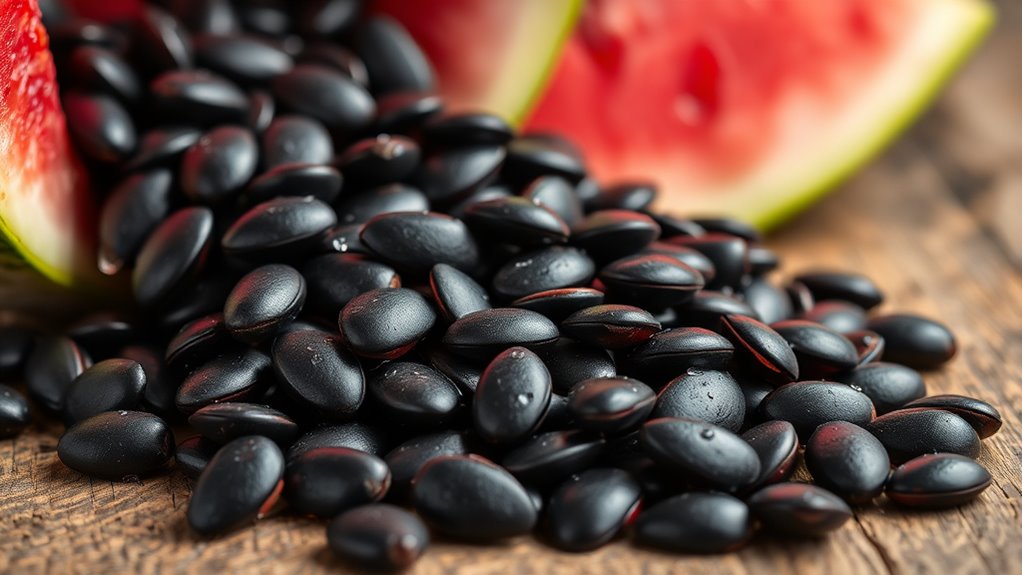
Nutrients in Watermelon Seeds: What’s Good for Your Health?
Are you tired of trying countless ways to boost your health without seeing real results? You’re not alone—many people struggle to find simple, tasty ways to improve their well-being.
Luckily, watermelon seeds offer a small but powerful boost you can easily add to your diet.
Watermelon seeds are packed with essential nutrients like magnesium, zinc, iron, and healthy fats. They provide plant-based protein that supports muscle repair and immune health.
Their healthy fats help improve heart health by lowering bad cholesterol. Magnesium boosts nerve and muscle functions, while zinc strengthens your immunity.
Adding these versatile seeds to your diet can boost your overall health. Keep exploring to find easy ways to make the most of their many benefits.
Key Takeaways
- Watermelon seeds are packed with essential minerals like magnesium, zinc, and iron, which support your overall health.
- They also contain healthy fats and plant-based protein that are great for your heart and muscle recovery.
- Their high antioxidant content helps fight free radicals and lower oxidative stress.
- Nutrients like magnesium and zinc help keep your nerves functioning well and boost your immune system.
- Plus, they’re versatile and can be added to meals, smoothies, or snacks for a healthy boost.
What Nutrients Make Watermelon Seeds a Superfood
Watermelon seeds are considered a superfood because they pack a powerful nutritional punch. They boast high nutrient density, offering essential minerals like magnesium, zinc, and iron that support your overall health.
These tiny seeds also contain healthy fats and protein, making them a valuable addition to your diet. Their antioxidant properties help fight free radicals, reducing oxidative stress and promoting cell health.
You can enjoy watermelon seeds in various ways, from roasted snacks to added crunch in salads and baked goods. Despite some health myths, they are safe and nutritious when prepared properly.
There are different seed varieties, each with unique flavors and nutritional profiles, broadening your options. For sustainable sourcing, choosing responsibly farmed seeds ensures you’re supporting eco-friendly practices.
Adding watermelon seeds to your meals can boost your nutrient intake while helping promote a more sustainable food system.
How Protein in Watermelon Seeds Supports Your Body
Protein in watermelon seeds is great because it helps your body repair and build muscle after you work out. So, if you’re hitting the gym, snacking on these seeds can give your muscles the support they need to recover and grow stronger.
Plus, watermelon seeds are packed with essential amino acids that your body can’t make on its own. That means eating them helps keep your overall health in check.
Incorporating these seeds into your diet is a simple way to give your body the nutrients it needs for recovery and growth.
Muscle Repair and Growth
Consuming watermelon seeds gives your body a good source of protein essential for muscle repair and growth. The seed protein provides the amino acids needed to rebuild damaged muscle tissue after exercise or injury.
By adding watermelon seeds to your diet, you support quicker muscle recovery, helping you bounce back faster from workouts. The high-quality protein in the seeds helps maintain muscle mass, especially when combined with regular activity.
Since seed protein is easy to digest, your body can quickly absorb and use it for muscle building. Regular intake helps keep your muscles strong and healthy, boosting overall performance and endurance.
In short, watermelon seeds are a convenient, nutrient-rich way to support muscle repair and promote growth.
Essential Amino Acids
Since your body needs specific building blocks to function at its best, the protein in watermelon seeds provides essential amino acids that are important for overall health. These amino acids are the basic components your body can’t produce on its own, so you need to get them from food.
Watermelon seeds are a good source of these vital nutrients, supporting muscle repair, immune function, and energy production. Including them in your diet can help improve your metabolism and promote better tissue health.
Eating a variety of foods rich in essential amino acids ensures your body stays in top shape. Overall, watermelon seeds help maintain a balanced diet by supplying the amino acids your body needs for growth, repair, and overall well-being.
Why Healthy Fats in Watermelon Seeds Matter
Healthy fats in watermelon seeds are pretty amazing because they help support your heart health. They do this by reducing inflammation and boosting circulation, which are both super important for keeping your heart happy.
Plus, these fats give you essential fatty acids that your body can’t make on its own. That means you really need to get them from your diet. Including watermelon seeds in what you eat is a simple way to make sure you’re getting these important nutrients. It helps keep your body running smoothly and at its best.
Heart Health Benefits
Watermelon seeds are a small but powerful source of healthy fats that support your heart. These fats help lower bad cholesterol levels, reducing your risk of heart problems.
Including watermelon seeds in your diet offers great benefits, especially for heart health. They contain monounsaturated and polyunsaturated fats that improve blood flow and reduce inflammation.
Eating these seeds regularly helps keep your arteries healthy and supports your overall cardiovascular system. The nutrients also help maintain healthy blood pressure levels, which is good for your heart.
Adding this tasty snack to your diet is a simple way to boost your heart health naturally. Their benefits make watermelon seeds a smart choice for a heart-healthy lifestyle.
Essential Fatty Acids
Essential fatty acids are nutrients your body can’t make on its own, so it’s important to get them through your diet. Watermelon seeds are a great source of these healthy fats, which support your overall health.
These fats, especially omega-3 and omega-6, are key for keeping your heart healthy. They help reduce inflammation, lower bad cholesterol, and improve blood flow, all of which protect your cardiovascular system.
By adding watermelon seeds to your diet, you can easily increase your intake of these crucial fats. Remember, a balanced amount of essential fatty acids is vital for your heart and overall wellness.
Magnesium in Watermelon Seeds and Its Benefits for Muscles and Nerves
Magnesium, an essential mineral found abundantly in watermelon seeds, plays a big role in supporting muscle and nerve function. It helps regulate muscle contractions, preventing cramps and soreness, and supports nerve health by facilitating proper signal transmission.
By incorporating watermelon seeds into your diet, you’re naturally boosting your magnesium intake. This can lead to improved overall muscle performance and better nerve efficiency.
Consider these benefits:
- Improves muscle function and reduces fatigue
- Prevents muscle cramps and spasms
- Supports nerve signal transmission
- Aids in muscle recovery after exercise
- Maintains electrolyte balance for ideal nerve activity
Zinc in Watermelon Seeds and How It Boosts Immunity
Zinc, an essential mineral found in watermelon seeds, plays a key role in strengthening your immune system. Its benefits include supporting the development and function of immune cells, helping your body fight off infections.
When you eat watermelon seeds, you’re giving your body a natural source of zinc that can boost your immune support. Zinc activates T-cells, a type of white blood cell that’s important for immune response, making you better equipped to fight viruses and bacteria.
Zinc’s antioxidant properties also help reduce inflammation and oxidative stress, which further strengthens your immune defenses. Regularly including watermelon seeds in your diet can help keep your immune system strong, especially during cold and flu season.
Watermelon Seeds and Their Role in Heart Health
Watermelon seeds can play a surprising role in supporting your heart health, thanks to their rich nutrient profile. These tiny seeds contain heart-healthy nutrients like magnesium, healthy fats, and antioxidants that help keep your cardiovascular system in check.
Regular seed consumption can reduce inflammation, improve blood circulation, and help maintain healthy cholesterol levels. Incorporating watermelon seeds into your diet might just give your heart a little extra love.
Imagine adding watermelon seeds to your meals to enjoy these benefits. They can boost magnesium intake for better heart rhythm and provide monounsaturated fats that support cholesterol balance.
Plus, they offer antioxidants that fight oxidative stress and supply zinc and other minerals essential for vascular health. Overall, they can enhance circulation and help reduce heart risk factors.
Easy Ways to Add Watermelon Seeds to Your Diet
Want to incorporate watermelon seeds into your diet? It’s pretty straightforward! Tossing them into your salads is a great way to add a crunchy texture and some extra nutrients. You can also blend them into smoothies—just throw a handful in and enjoy the nutty flavor plus their health benefits. And if you’re looking for a quick snack, roasted watermelon seeds are perfect for munching on the go. They’re simple, tasty, and a nutritious addition to your meals!
Incorporate Into Salads
Adding watermelon seeds to salads is an easy and nutritious way to elevate your meal. They make great salad toppings, adding a satisfying crunch that enhances every bite.
You can sprinkle them over mixed greens, grain bowls, or fruit salads for extra flavor and health benefits. Their subtle nutty taste pairs well with fresh vegetables and fruits without overpowering other ingredients.
To keep it simple, lightly toast the seeds for a richer flavor or enjoy them raw for maximum nutrients. Including watermelon seeds as a salad topping adds crunch and provides essential nutrients like magnesium, zinc, and healthy fats.
Try experimenting with different salads—each bite will be more satisfying and nourishing. Your salads will never be boring again!
Use in Smoothies
Incorporating watermelon seeds into smoothies is an easy way to boost their nutritional value while enjoying a tasty drink. Just add a tablespoon of raw or roasted seeds to your favorite smoothie recipes.
The seeds provide healthy fats, magnesium, and protein that support your overall health. Blending them creates a creamy texture and adds nutrients without overpowering the flavor.
Feel free to experiment by mixing seeds with fruits like berries, bananas, or mango for a colorful, nutritious boost. Using watermelon seeds in smoothies makes it simple to include these nutrient-packed seeds in your daily diet.
It’s a quick, portable, and delicious way to enjoy their health benefits every day.
Snack on Roasted Seeds
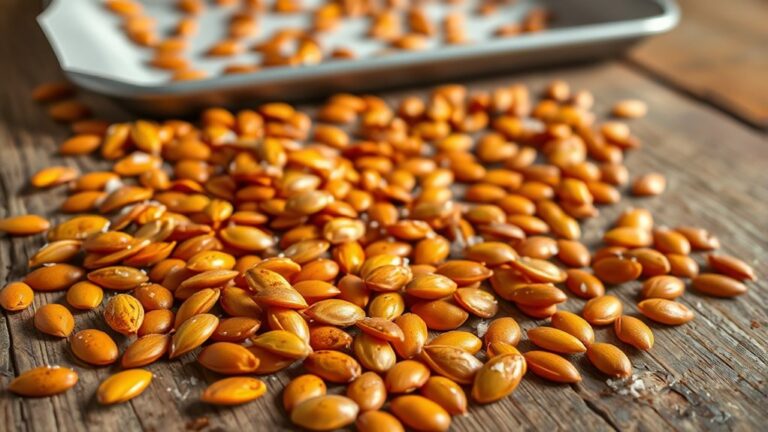
Roasted watermelon seeds make a crunchy, savory snack that’s easy to enjoy on the go. They’re versatile, delicious, and packed with seed benefits, making them a great snack idea.
You can sprinkle them over salads, mix into trail mixes, or eat them straight from the bag. Their nutty flavor pairs well with both sweet and savory dishes, giving you plenty of snack options.
Roasting brings out their flavor and crunch, making them even more appealing. Plus, they’re portable and require no prep, so they’re perfect for busy days.
Imagine grabbing a handful at work, during a hike, or as a quick pick-me-up. Their seed benefits make roasted watermelon seeds a smart addition to your snack lineup.
They offer a satisfying, nutritious way to boost your diet while satisfying your snack cravings.
Are Watermelon Seeds Suitable for Different Dietary Needs?
Watermelon seeds can be a nutritious addition to many diets, but whether they’re suitable depends on your individual needs and restrictions.
If you’re vegan, watermelon seeds are a great source of plant-based protein, healthy fats, and minerals. They naturally contain no animal products, so they fit well with vegan diets.
For those avoiding gluten, watermelon seeds are naturally gluten-free. Just be sure to check labels if you’re buying packaged seeds, as some processed versions might have additives or flavorings that contain gluten.
If you have nut allergies, note that watermelon seeds are not nuts. Still, they could cause sensitivities in some people, so it’s good to be cautious.
Watermelon Seeds vs. Other Nut and Seed Snacks: What’s the Difference?
When comparing watermelon seeds to other nut and seed snacks, you’ll notice that each offers a unique nutritional and flavor profile. Watermelon seeds are a good source of magnesium, zinc, and healthy fats, making them a nutritious snack alternative. They tend to be lower in calories and fat compared to nuts like almonds or cashews.
Consider these differences:
- Watermelon seeds are rich in plant-based protein and magnesium.
- Nuts like almonds provide vitamin E and fiber.
- Seeds such as sunflower or pumpkin are high in antioxidants.
- Watermelon seeds have a milder, nutty flavor.
- Snack options vary in texture, from crunchy to chewy.
This nutrient comparison shows how watermelon seeds can be a versatile, healthy snack choice, especially if you’re looking to try something different from traditional nuts and seeds.
Unlocking the Full Health Potential of Watermelon Seeds
To unlock the full health benefits of watermelon seeds, it’s important to know how to prepare and consume them properly. This helps maximize their nutritional value.
Roasting or sprouting the seeds can make a big difference. Roasting enhances flavor and makes them easier to digest, while sprouting increases how well your body can absorb nutrients.
Proper storage is also key to keeping their nutrients intact. You can enjoy watermelon seeds by adding them to smoothies, salads, or snacks for regular intake.
| Preparation Method | Nutritional Impact |
|---|---|
| Roasting | Improves flavor and aids digestion |
| Sprouting | Boosts nutrient absorption and bioavailability |
| Raw | Keeps maximum nutrient content |
Frequently Asked Questions
Are Watermelon Seeds Safe for Children to Consume Regularly?
Watermelon seeds are safe for children to consume regularly if eaten in moderation. They offer nutritional benefits like healthy fats, protein, and minerals.
You can serve them roasted, sprouted, or ground into smoothies for added crunch and nutrients. Just make sure your child chews them well and that you monitor portion sizes.
Incorporating these seeds into their snacks can be a tasty way to boost their nutrition without any health risks.
Can Watermelon Seeds Help With Weight Loss Efforts?
Yes, watermelon seeds can support your weight loss efforts. They have a low calorie count, so you can enjoy them without consuming too many calories. Plus, their fiber content helps you feel full longer, which can cut down on cravings and overeating.
Try adding a small handful into your snacks. You’ll get the nutrition benefits while staying on track with your weight goals. Just remember, moderation is key.
How Should Watermelon Seeds Be Stored to Maintain Freshness?
Did you know that properly stored seeds can stay fresh for up to six months? To keep them fresh, store watermelon seeds in an airtight container in a cool, dark place, away from direct sunlight and moisture.
Use good storage methods and follow these tips to prevent spoilage. Make sure your seeds are dry before storing, and consider refrigeration if you want them to last longer.
This way, they’ll stay crunchy and nutritious for future snacking or planting.
Do Watermelon Seeds Contain Any Allergens?
Watermelon seeds can cause allergic reactions in some people, especially those with nut or seed allergies. It’s good to be cautious if you’re trying them for the first time.
Think about how the seeds are prepared, because roasted or seasoned seeds might trigger sensitivities. If you’ve never eaten watermelon seeds before, start with a small amount to see how your body reacts.
Always check labels and talk to a healthcare professional if you notice symptoms like itching, swelling, or trouble breathing after eating them.
What Is the Recommended Daily Intake of Watermelon Seeds?
You should aim for about a small handful, roughly 1-2 tablespoons, of watermelon seeds daily. Their nutrient breakdown includes healthy fats, protein, magnesium, and zinc.
For serving ideas, you can roast the seeds for a crunchy snack or sprinkle them over salads and yogurt. Just keep moderation in mind because seeds are calorie-dense.
Incorporating them into your diet can boost your nutrient intake effectively without overdoing it.
Conclusion
By adding watermelon seeds to your diet, you’re opening a treasure chest of nutrients that fuel your body like a well-oiled machine. Think of each seed as a tiny powerhouse, whispering secrets of health and vigor.
Welcome this crunchy, nutrient-packed gift from nature, and watch your well-being blossom like a vibrant garden. With every handful, you’re planting seeds for a healthier, more energized you.
Eating watermelon seeds regularly can boost your energy and support your overall health. Incorporate them into your snacks and enjoy the benefits of these nutrient-rich watermelon seeds.