How You Can Safely Eat Watermelon Seeds
Many people love snacking on watermelon seeds but worry about how to enjoy them safely. You’re not alone—navigating the best way to eat these seeds without upsetting your stomach can be tricky.
Luckily, with a few simple tips, you can enjoy watermelon seeds in a healthy, tasty way.
To safely enjoy watermelon seeds, start by thoroughly rinsing and drying them to remove any dirt or residue. Roasting or sprouting the seeds makes them easier to digest and boosts their nutrition.
Avoid seeds from questionable sources and stick to moderation—about 1-2 tablespoons daily—to prevent digestive issues.
Chew seeds well, especially if you have sensitivities. You can also experiment with seasoning or baking them for added flavor.
Keep exploring to uncover more tips for safe, tasty seed snacking.
Key Takeaways
- Roast or sprout seeds to make them safer, easier to digest, and more nutritious.
- Rinse seeds thoroughly and dry them before eating or cooking to get rid of dirt and bacteria.
- Eat seeds in moderation—about 1 to 2 tablespoons daily—to avoid stomach issues.
- Chew seeds well to help digestion and lower the risk of choking.
- Stay away from seeds from questionable sources or moldy seeds to ensure they’re safe to eat.
Are Watermelon Seeds Safe to Eat?
Many people wonder whether watermelon seeds are safe to eat, and the good news is that they generally are. The safety depends on seed varieties and how you consume them.
Most watermelon seeds are edible and safe, especially when roasted or sprouted, but some health myths suggest they could be harmful. These myths often come from misconceptions about seed toxins or choking hazards, but these worries are mostly unfounded.
Most watermelon seeds are safe to eat, especially when roasted or sprouted, despite common myths.
In reality, watermelon seeds contain nutrients and are safe in moderation. You should avoid seeds from questionable sources or those that are moldy or spoiled, as they might pose health risks.
When prepared properly, seed varieties like roasted watermelon seeds make a healthy snack. Overall, eating watermelon seeds is safe if you use common sense and stick to reputable seed sources.
This way, you can enjoy their benefits without unnecessary worries.
What Are the Nutritional Benefits of Watermelon Seeds?
Watermelon seeds are a hidden treasure of nutrition, packed with essential nutrients that can benefit your health. These seeds offer numerous benefits, including healthy fats, protein, magnesium, and zinc, which support your immune system, boost energy, and improve skin health.
Eating watermelon seeds can give your health a nice boost, helping with digestion and heart health. They’re a simple, tasty way to add nutrition to your diet.
Here’s a quick look at their nutritional profile:
| Nutrient | Benefits | Daily Value (%) |
|---|---|---|
| Magnesium | Supports muscle function | 20% |
| Zinc | Boosts immune response | 15% |
| Protein | Repairs tissues, builds muscles | 8% |
| Healthy fats | Heart health, energy source | High in monounsaturated fats |
Adding watermelon seeds to your snacks is a smart move to maximize these health benefits.
How to Prepare Watermelon Seeds for Snacking
Preparing watermelon seeds for snacking is simple and lets you enjoy their health benefits in a tasty way. First, identify different seed varieties, like raw, dried, or roasted, to pick your favorite type.
If you’re storing seeds for later, keep them in an airtight container in a cool, dry place to stay fresh and prevent spoilage. To prepare seeds, rinse them thoroughly to wash away any fruit residue.
Let the seeds dry completely before eating or further processing. For longer storage, you can freeze them in a sealed bag to keep their quality. Keep in mind that different seed types can change the taste and texture, so feel free to experiment and find what you like best.
Proper storage helps your watermelon seeds stay fresh and ready for snacking whenever you want. This simple prep makes enjoying watermelon seeds both safe and delicious.
How to Roast and Season Watermelon Seeds at Home
Roasting and seasoning watermelon seeds at home is easy and lets you customize their flavor to your liking. First, rinse the seeds thoroughly and pat them dry.
Roast and season watermelon seeds at home for a delicious, customizable snack.
Preheat your oven to 350°F (175°C). Spread the seeds evenly on a baking sheet, then toss them with a small amount of oil—olive or coconut works well.
For flavor options, try seasoning with salt and pepper, smoked paprika, garlic powder, or chili powder. You can also get creative with sweeter flavors, like cinnamon and honey or cinnamon and sugar.
Toss the seeds well to ensure they’re evenly coated. Roast for 15-20 minutes, stirring occasionally, until they’re golden brown and crispy.
Let them cool slightly before tasting. Adjust the seasonings as needed to match your preferred flavor profile.
This simple process gives you delicious, customized watermelon seeds perfect for snacking anytime.
Can Kids and People With Digestive Issues Eat Watermelon Seeds?
If you or your kids have digestive issues, you might be wondering if eating watermelon seeds is a good idea. Some people can eat seeds without any trouble and even enjoy some nutritional benefits, but others might find that seeds cause discomfort or other problems. It really depends on the individual and their digestive health.
When it comes to tolerance, some folks can swallow watermelon seeds without any issues, and they might get nutrients like magnesium and healthy fats from them. However, for people with sensitive stomachs or conditions like irritable bowel syndrome, seeds could potentially cause bloating or discomfort. It’s always a good idea to listen to your body and see how it reacts.
As for health benefits, watermelon seeds are actually quite nutritious—they contain protein, vitamins, and minerals. But if seeds tend to bother your digestive system, it’s probably best to avoid eating them whole. Cooking or roasting seeds can sometimes make them easier to digest, but if you’re unsure, sticking to the flesh of the watermelon might be the safer choice.
Digestive Tolerance Levels
While watermelon seeds are generally safe for most people, those with sensitive digestive systems or certain health conditions should be cautious. Your digestive enzymes play a key role in breaking down food, and a sensitive gut might struggle with the fiber in seeds.
Watermelon seeds contain fiber, which can be beneficial but may cause bloating, gas, or discomfort if your digestive system is compromised. If you have conditions like irritable bowel syndrome or other digestive issues, start with small amounts to see how your body reacts.
Chewing seeds thoroughly can help your digestive enzymes process them more easily. Listen to your body—if you feel discomfort, it’s best to limit or avoid watermelon seeds altogether.
Always talk to a healthcare professional if you’re unsure about your specific digestive tolerance.
Nutritional Benefits and Risks
Watermelon seeds are small but full of nutrients, making them a potential snack for both kids and adults. They contain healthy fats, magnesium, and protein that support your overall health.
Some people think seeds might cause digestive issues or be harmful if eaten raw. But roasting them can improve the taste and reduce any worries about eating raw seeds.
If you have digestive issues, be cautious. Your body might have trouble processing the seeds, which could lead to discomfort.
Here’s a visual to help you understand their nutritional value:
| Nutrients in Watermelon Seeds | Benefits for Your Body |
|---|---|
| Healthy fats | Heart health |
| Magnesium | Muscle function |
| Protein | Energy production |
| Zinc | Immune support |
| Iron | Blood health |
How to Incorporate Watermelon Seeds Into Your Daily Diet
You can toss watermelon seeds into your smoothies for a little crunch and a boost of nutrients. It’s a simple way to add some extra health benefits without much effort. If you’re feeling adventurous, try sprouting the seeds – it’s a great way to unlock even more of their nutritional potential.
Another tasty idea is baking watermelon seeds into snacks or bread. It’s a fun and easy way to enjoy their flavor while sneaking in some extra nutrition. Playing around with these different methods makes it easy to include watermelon seeds in your daily diet without much hassle.
Adding Seeds to Smoothies
Adding watermelon seeds to smoothies is a simple way to boost their nutritional value without much effort. You can easily incorporate seeds into your favorite smoothie recipes by adding a spoonful or two during blending.
For the best results, use blending techniques that fully break down the seeds, ensuring a smooth, creamy texture. Start with softer ingredients like bananas or yogurt, then add watermelon seeds along with fruits and liquids.
Blend on high speed for at least 30 seconds until the mixture is smooth. This helps release the seeds’ nutrients while preventing any gritty texture. Experiment with different combinations to find what tastes best.
Sprouting for Nutrients
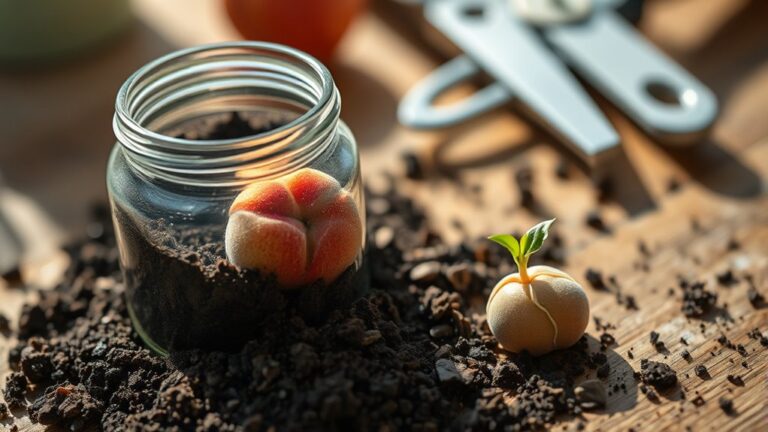
Sprouting watermelon seeds unlocks their full nutritional potential and makes them easier to digest. With simple sprouting techniques, you can reveal essential nutrients and give your health a boost.
When you soak and rinse the seeds regularly, you activate enzymes that improve nutrient absorption. This means more energy and vitality for you. Incorporating sprouted seeds into your meals can be a game-changer, adding crunch and a burst of nutrients.
Imagine fueling your body with more antioxidants, fiber, and minerals—all from a small seed with big benefits. Feel empowered by turning ordinary seeds into superfoods that support your well-being.
Experience a new level of energy and health by nourishing your body with these sprouted treasures. Plus, you’ll enjoy the satisfaction of growing your own health-boosting ingredients at home.
Baking With Watermelon Seeds
Incorporating watermelon seeds into your daily diet through baking is a simple and tasty way to boost your nutrient intake. You can experiment with different watermelon seed recipes, like roasted or seasoned seeds, to add crunch and flavor to salads, snacks, or trail mixes.
To get started, spread the seeds evenly on a baking sheet and bake at 350°F for about 10-15 minutes until they turn golden. Toss the seeds with a little olive oil and your favorite spices for extra flavor.
These baked watermelon seeds are nutritious and versatile, making them a perfect addition to your daily snacks. With a little practice, you’ll master the art of seed baking techniques that bring out the best in watermelon seeds.
Common Mistakes When Eating Watermelon Seeds
While eating watermelon seeds might seem harmless, many people make common mistakes that can lead to health issues or discomfort. One mistake is trying to swallow seeds whole without chewing, which can hinder digestion and cause stomach problems.
Ignoring seed allergies is another risk. Some people might react negatively, experiencing serious allergic reactions. It’s important to be aware if you’re allergic before eating seeds.
Rushing through seed eating without proper preparation can also be problematic. It increases the chance of choking or upset stomachs. Taking your time and chewing thoroughly helps avoid these issues.
Using unwashed seeds is another common mistake. Dirty seeds can expose you to dirt or bacteria, risking infection. Always wash seeds properly before eating.
To stay safe, chew seeds well, be aware of allergies, wash them properly, and avoid eating too many at once. Recognizing these mistakes helps you enjoy watermelon seeds safely and avoid unnecessary health problems.
Paying attention to digestion and allergies makes for a healthier, more enjoyable watermelon seed experience.
How Much Watermelon Seeds Should You Eat for Benefits?
When it comes to eating watermelon seeds for health benefits, it’s best to keep it simple and moderate. A small handful or just a few tablespoons a day should do the trick. You don’t want to go overboard, so it’s best not to eat too many at once.
Eating too many seeds can sometimes cause digestive discomfort or other unwanted effects. So, remember, moderation is key. Enjoy your watermelon seeds as part of a balanced diet, and you’ll be able to reap their benefits without any issues.
Recommended Daily Intake
To get the health benefits of watermelon seeds without overdoing it, aim for a small handful daily—about 1 to 2 tablespoons. This amount gives you enough nutrients like magnesium and zinc without going overboard.
Remember, the best amount depends on your overall diet and health goals. Sticking to this helps you enjoy the benefits safely and comfortably. Moderation is key to avoiding any digestive discomfort.
Start incorporating watermelon seeds gradually to see how your body responds. Choosing roasted or raw seeds ensures you get the most nutritional value.
Stay consistent, and you’ll enjoy the full benefits without risking overconsumption. Feel confident knowing you’re nourishing your body safely, while adding a simple, natural boost to your daily health.
You may notice increased energy and liveliness, plus better digestive health with mindful eating.
Optimal Seed Quantity
Finding the right amount of watermelon seeds to enjoy their health benefits is all about balancing nutrient intake without overdoing it. Seed portioning is key; a small handful, about one to two tablespoons, is usually enough for daily consumption.
Follow clear guidelines to avoid eating too many seeds, as overconsumption can cause digestive discomfort. Most experts suggest eating seeds in moderation—around 10 to 15 grams daily—to get the most benefits like magnesium, zinc, and healthy fats.
Pay attention to how your body responds and adjust your seed portions if needed. Remember, watermelon seeds are healthy but are best enjoyed as part of a balanced diet.
Consistent, moderate intake lets you enjoy the health perks without the risk of eating too much.
Avoid Overconsumption Risks
While watermelon seeds offer health benefits, eating too many can cause digestive issues or other unwanted side effects. To avoid this, practice portion control and pay attention to how your body reacts.
Overloading on seeds can feel overwhelming and lead to discomfort. Be mindful of your intake to prevent bloating or stomach upset.
Excessive consumption might also trigger sensitivities or constipation. Listening to your body helps you enjoy the benefits without any harm.
Troubleshooting Digestive Discomfort From Watermelon Seeds
Digestive discomfort from watermelon seeds can often be managed by paying attention to how your body reacts and making simple adjustments. One effective step is to make sure your digestive system has enough enzymes to process the seeds properly. If you notice bloating or discomfort, try incorporating enzyme-rich foods or supplements to help with digestion.
Practicing portion control is also helpful to prevent overwhelming your stomach. Instead of eating large amounts at once, start with small servings and see how your body responds. Chewing the seeds thoroughly makes digestion easier and reduces discomfort risks.
Drinking plenty of water during and after eating watermelon seeds can support digestion by helping everything move smoothly through your GI tract. Remember, everyone’s digestive system is different, so listen to your body and adjust your intake accordingly.
With these strategies, you can enjoy watermelon seeds without discomfort.
Wrapping Up: Enjoy Watermelon Seeds Safely and Nutritiously
To enjoy watermelon seeds safely and reap their nutritional benefits, it’s important to practice moderation, proper preparation, and attentive eating habits. Choosing the right seed varieties, like roasted or sprouted seeds, can improve flavor and digestibility.
Incorporate simple tips, such as chewing thoroughly and starting with small portions, to avoid discomfort and maximize health benefits. Remember, moderation is key—overdoing it can lead to digestive issues or unnecessary calorie intake.
By following these guidelines, you’ll turn watermelon seeds from a minor snack into a nourishing addition to your diet.
Feel the joy of discovering new seed varieties that excite your palate.
Experience confidence with safe, mindful consumption tips.
Enjoy the satisfaction of nourishing your body with minimal risk.
Adopt the tradition of savoring watermelon seeds responsibly and healthfully.
Frequently Asked Questions
Are There Any Allergies Related to Watermelon Seeds?
Watermelon seed allergies are rare, but some people might have sensitivities that cause reactions. If you notice symptoms like itching, swelling, or trouble breathing after eating watermelon seeds, it could be an allergy.
Always pay attention to how your body responds. If you think you might be allergic, it’s a good idea to see an allergist. Being cautious helps prevent serious reactions so you can enjoy watermelon safely.
Can Watermelon Seeds Cause Choking Hazards?
Watermelon seeds, if swallowed whole or in large amounts, can pose choking risks that are almost as intense as a thriller movie.
To stay safe while enjoying watermelon, make sure to chew the seeds well or choose roasted, shelled seeds instead.
This simple step can greatly lower the risk of choking and make your watermelon experience both fun and safe.
How Long Do Roasted Watermelon Seeds Stay Fresh?
Roasted watermelon seeds stay fresh for about 1 to 2 months if stored properly. To keep them tasty and preserve their health benefits, store them in an airtight container in a cool, dry place.
Follow these storage tips to maintain their crunch and nutrients. Keep in mind, eating them within this time frame means you can enjoy their health perks without worrying about spoilage or losing flavor.
Are There Any Age Restrictions for Eating Watermelon Seeds?
There are no specific age restrictions for eating watermelon seeds, but it’s good to think about their nutritional benefits and how well they digest.
Young kids might have trouble digesting seeds, so it’s best to supervise their eating. For adults, watermelon seeds are a healthy snack full of nutrients like magnesium, zinc, and healthy fats.
Eating seeds responsibly can boost your nutrition, but remember to chew thoroughly to help digestion and avoid choking hazards.
Do Watermelon Seeds Contain Any Harmful Substances?
Watermelon seeds don’t contain harmful substances; instead, they offer nutritional benefits like magnesium, zinc, and healthy fats.
Eating them in moderation can support your digestive health and boost your energy levels. While some worry about choking or digestive effects, chewing seeds thoroughly minimizes risks.
Conclusion
Enjoy watermelon seeds safely, savoring their crunch and nutrition without worry. Welcome moderation, prepare them properly, and listen to your body’s signals.
Whether you snack on roasted seeds or sprinkle them on salads, make mindful choices that improve your health. With knowledge and care, you turn a simple seed into a tasty, nutritious treat.
So, indulge confidently, nourish your body, and delight in the natural goodness that watermelon seeds can bring to your diet.