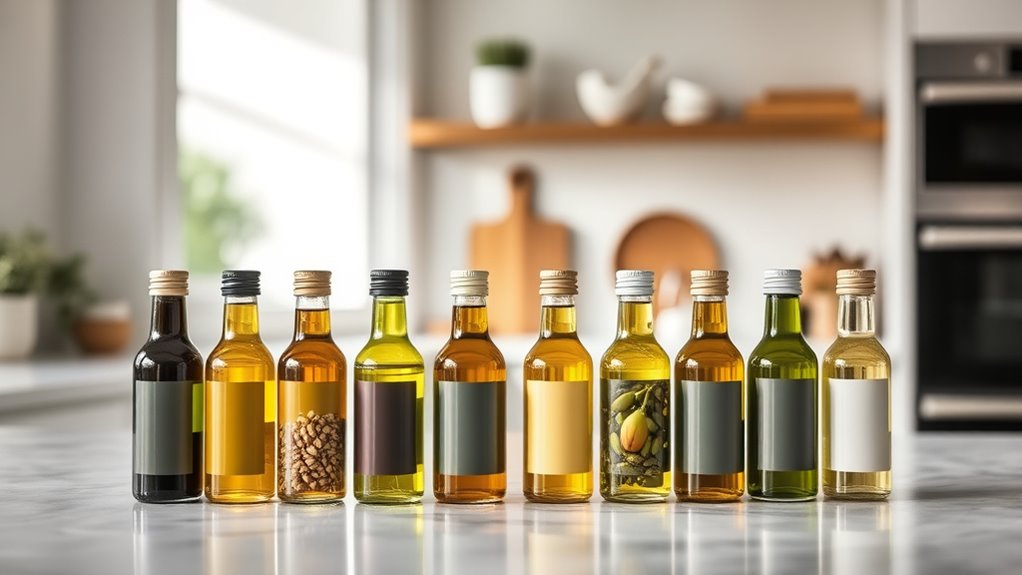
10 Bad Seed Oils You Should Avoid for Better Health
Are you tired of feeling sluggish or concerned about what’s really in the oils you’re using daily? You’re not alone—many people struggle with choosing healthier options amidst so many processed foods.
If you want to improve your health, avoid seed oils like soybean, corn, canola, sunflower, cottonseed, safflower, grape seed, rice bran, sunflower, and peanut oil.
These oils are often highly processed, contain harmful trans fats and excessive omega-6 fats, and are prone to oxidation and rancidity.
Choosing less processed, nutrient-rich oils like extra virgin olive oil or avocado oil can make a big difference.
Stick around to uncover more ways to protect your health with smarter choices.
Key Takeaways
- Avoid highly processed seed oils like soybean, corn, canola, and sunflower. They have high omega-6 levels and can promote inflammation.
- Stay away from oils labeled “zero trans fats” or with trans fats. They might still contain unhealthy omega-6 fats that can be harmful.
- Limit your intake of refined seed oils that have been bleached and deodorized. These lack beneficial nutrients and antioxidants.
- Be cautious of seed oils that tend to oxidize and become rancid. Consuming these can increase free radicals and pose health risks.
- Cut back on seed oils found in fast foods and snacks, as they often contain trans fats and are highly processed.
What Are Seed Oils and Why Are They Popular?
Seed oils are plant-based oils extracted from the seeds of crops like soybeans, corn, canola, and sunflower. They’ve become popular because they’re versatile, affordable, and widely used in cooking and processed foods.
Many people assume these oils offer excellent nutritional benefits, such as healthy fats and vitamins. However, some seed oil myths suggest they’re always a healthy choice, which isn’t necessarily true.
While they do contain polyunsaturated fats, excessive consumption can lead to inflammation or other health issues. It’s important to understand that not all seed oils are created equal, and their popularity often stems from marketing rather than solid science.
How Processing Methods Reduce Nutritional Value in Seed Oils
While the extraction process makes seed oils more accessible and shelf-stable, it often involves methods that strip away much of their natural nutritional content. Cold pressed benefits are significant because this method uses minimal heat, preserving nutrients like antioxidants and essential fatty acids.
However, many commercial seed oils undergo refining effects such as bleaching, deodorizing, and heating at high temperatures. These steps remove impurities but also eliminate valuable nutrients, reducing the oil’s health benefits.
Refining removes impurities but also strips away essential nutrients, diminishing seed oils’ health benefits.
Refining can also create harmful compounds and diminish natural flavors, leaving you with a product that’s more processed and less nutritious. As a result, the nutritional value of seed oils diminishes considerably through these processing methods.
If you want to maximize health benefits, opting for minimally processed options like cold pressed oils helps retain more of their original nutrients and avoids the negative effects associated with refining.
Are Trans Fats in Seed Oils a Heart Risk?
Are trans fats in seed oils a significant heart risk? Yes, they pose serious trans fat risks that can harm your heart health. Many processed seed oils contain artificially hydrogenated fats, which increase trans fat levels.
These fats raise your bad cholesterol (LDL) and lower your good cholesterol (HDL), leading to clogged arteries and a higher risk of heart disease. Consuming trans fats regularly can cause inflammation and damage blood vessels, putting your cardiovascular health in danger.
The FDA has recognized trans fats as unsafe and urges consumers to limit or avoid them. While some seed oils naturally contain small amounts of trans fats, the main concern is processed versions with hydrogenation.
To protect your heart, check product labels carefully and avoid partially hydrogenated oils. Choosing healthier fats from nuts, seeds, and fish can promote better heart health and reduce the dangers linked to trans fats in seed oils.
Omega-6 Fats in Seed Oils and Inflammation
Consuming too many omega-6 fats from seed oils can promote inflammation in your body, which is linked to many chronic health issues. An omega-6 imbalance happens when these fats outnumber omega-3s, upsetting your body’s natural balance.
This imbalance triggers the production of inflammatory compounds, leading to ongoing inflammation. Over time, persistent inflammation damages tissues and raises your risk of heart disease, diabetes, and other illnesses.
Many seed oils like soybean, corn, and sunflower oil are high in omega-6 fats and are common in processed foods. Eating too much of these oils can unknowingly fuel ongoing inflammation.
To improve your health, try reducing your intake of seed oils rich in omega-6s. Focus on balancing your fats with omega-3-rich foods like fatty fish, walnuts, and flaxseeds.
Getting the right omega 6 to omega 3 ratio can help lower chronic inflammation and support overall well-being.
Oxidation and Rancidity Risks in Seed Oils
Seed oils are highly susceptible to oxidation and rancidity because they contain polyunsaturated fats that easily break down when exposed to heat, light, or air. This breakdown reduces their oxidative stability, making them more prone to spoilage.
As oils oxidize, they develop rancidity indicators like off-putting odors, flavors, and discoloration. Rancid seed oils not only lose nutritional value but can also produce harmful free radicals that damage your cells.
Rancid seed oils lose nutrients and produce harmful free radicals that damage your cells.
When exposed to heat during cooking or stored improperly, these oils deteriorate rapidly, increasing health risks. To minimize these dangers, look for oils with high oxidative stability and avoid those showing clear rancidity signs.
Proper storage, such as keeping oils in cool, dark places, also helps slow oxidation. Choosing seed oils with better stability reduces the risk of consuming rancid fats, supporting your overall health and well-being.
Hidden Additives and Chemicals in Seed Oils
Did you know that many seed oils might have hidden chemical additives that you won’t see listed on the label? It’s something that can really impact your health without you even realizing it. Sometimes, manufacturers use processing methods that aren’t fully disclosed, and these can introduce unwanted chemicals or preservatives into the oil.
Being aware of these hidden ingredients is super important. It helps you make smarter, more informed choices about what you’re putting into your body. So, next time you’re shopping for seed oils, take a closer look and ask yourself what might be lurking behind the label.
Hidden Chemical Additives
Even when seed oils seem natural, they often hide chemical additives that can affect your health. During processing, manufacturers sometimes use chemical residues or synthetic additives to improve shelf life, flavor, or appearance.
These chemicals aren’t always listed on labels, so you might unknowingly consume them. Some seed oils are treated with preservatives or bleaching agents that leave behind harmful residues.
Synthetic additives like stabilizers or anti-foaming agents can trigger allergic reactions or disrupt your hormones. By avoiding seed oils with hidden chemicals, you reduce your exposure to potential toxins.
Always check labels carefully and opt for oils labeled as pure, organic, or cold-pressed. This helps minimize the risk of ingesting unwanted chemicals.
Unlabeled Processing Methods
While some seed oils seem natural, their processing methods often hide chemicals and additives not shown on labels. These hidden steps can make the oils more harmful than they appear.
You might think you’re choosing healthy fats, but unscrupulous refining can strip nutrients and add harmful residues. It’s important to be aware of what’s really inside.
To see the emotional impact, consider this table:
| Hidden Additive | Potential Effect | Hidden Processing Method |
|---|---|---|
| Bleaching agents | Skin irritation, allergies | Chemical bleaching |
| Deodorization | Altered flavor, toxins | High-heat processing |
| Solvent residues | Long-term health risks | Chemical extraction |
| Artificial antioxidants | Unnecessary additives | Chemical stabilization |
Be cautious—what’s unseen can be more dangerous than what you see.
Which Seed Oils Are Highly Processed and Unhealthy?
Which seed oils are most processed and unhealthy? Typically, refined soybean oil, corn oil, and cottonseed oil top the list.
These oils go through a lot of processing, like bleaching, deodorizing, and high-heat extraction. This strips away natural nutrients and creates unhealthy oils filled with trans fats and oxidized compounds.
The processing can produce harmful byproducts that promote inflammation, heart disease, and oxidative stress. These oils are often used in processed foods, fast foods, and snacks because they’re cheap and last a long time.
Unfortunately, their highly refined nature means they lack the beneficial nutrients found in less processed oils. Eating these oils regularly can negatively impact your health and contribute to chronic conditions.
To protect yourself, it’s best to limit or avoid oils like soybean, corn, and cottonseed. Instead, choose minimally processed, natural alternatives.
How to Spot and Avoid Deceptively Marketed Healthy Seed Oils
How can you identify seed oils that are marketed as healthy but aren’t? Deceptive marketing often makes these oils seem beneficial, but a closer look reveals the truth. To improve your consumer awareness, learn to recognize misleading labels and claims.
Spot misleading labels on seed oils to make healthier choices and avoid deceptive marketing claims.
Be cautious of oils labeled as “heart-healthy,” “natural,” or “premium.” These terms are often used to attract buyers without any real proof of health benefits.
Check for transparency:
- Ingredient lists should specify cold-pressed or minimally processed oils.
- Labels claiming “zero trans fats” can still contain unhealthy levels of omega-6 fats.
- Look for certifications like USDA organic, which can indicate better quality but aren’t foolproof.
Better Oil Choices for Healthy Cooking and Salad Dressings
When it comes to cooking and making salad dressings, picking the right oils can really impact your health. Things like extra virgin olive oil and avocado oil are fantastic options because they’re heart-healthy. You can use them for a lot of different dishes, whether you’re sautéing veggies or drizzling over a fresh salad.
Not only do these oils boost the flavor of your meals, but they also give you some great nutritional benefits. So, next time you’re at the store, consider reaching for these healthier choices—they’re good for your heart and your taste buds!
Heart-Healthy Oil Options
When choosing oils for healthy cooking and salads, it’s best to pick those high in monounsaturated and polyunsaturated fats. These oils help lower bad cholesterol and support your heart health.
- Extra virgin olive oil is loaded with antioxidants and healthy fats, making it a top pick for heart health.
- Avocado oil is rich in monounsaturated fats, which can help reduce cholesterol and improve circulation.
- Flaxseed oil contains plenty of omega-3 fatty acids, great for reducing inflammation and supporting your heart.
Adding these oils to your diet can make a real difference in keeping your heart healthy and boosting your overall well-being.
Best Oils for Cooking
For healthy cooking and salad dressings, choosing the right oils can really make a difference in your health. Use oils with high smoke points like extra virgin olive oil, avocado oil, or refined coconut oil, which are better suited for different cooking methods.
These oils can handle heat without breaking down and releasing harmful compounds. Proper storage is key—keep bottles in a cool, dark place to prevent oxidation and keep them fresh.
Avoid storing oils near heat sources or in transparent containers that let light in. Picking the right oils and storing them properly helps you get the most health benefits and reduces the risk of eating oxidized fats.
This careful approach supports your goal of healthier, more balanced cooking.
Nutritious Salad Dressings
Opting for the right oils can really boost the nutritional value of your salad dressings. Picking oils with high nutrient density and good flavor makes them both healthier and tastier.
For nutritious dressings, consider extra virgin olive oil, which is packed with monounsaturated fats and antioxidants that support heart health. It has a rich flavor that enhances salads beautifully.
Avocado oil is another great choice. It offers a mild taste and a high smoke point, making it versatile for different recipes. Plus, it’s full of healthy fats.
Walnut or flaxseed oils are excellent for adding omega-3 fatty acids. These boost inflammation control and support brain function, giving your salads an extra health boost.
Tips for Picking Nutritious and Less-Processed Oils
Choosing nutritious, minimally processed oils starts with reading labels carefully. Look for oils labeled as cold-pressed or extra virgin because these retain more nutrients and are less refined. Avoid oils with added chemicals or artificial preservatives.
When selecting oils, think about how you’ll use them in cooking. Some are better for high-heat cooking, while others are great for dressings or finishing dishes. For example, extra virgin olive oil offers a good balance of flavor and health benefits, making it versatile for salads and sautéing.
Nut oils like almond or walnut provide healthy fats and unique flavors. They’re best used raw or lightly heated to preserve their qualities. Be cautious of refined oils that have gone through extensive processing, which strips away beneficial nutrients.
Always check that bottles are dark and opaque. This helps protect the oil from light and keeps it fresh longer. By choosing minimally processed oils with high nutrient density, you’re supporting better health and enhancing your dishes’ flavor.
Frequently Asked Questions
Are There Natural Seed Oils That Are Still Unhealthy?
Yes, some natural seed oils can still be unhealthy because of how they’re processed. Even if the seeds are natural, the extraction methods matter a lot.
Techniques like using chemical solvents or high heat can introduce harmful compounds into the oil. These methods can degrade quality and cause oxidation.
That can lead to unhealthy byproducts in the oil. So, even if the seeds are natural, the way the oil is made makes a big difference.
Choosing oils that are cold-pressed or processed with safer methods is usually better for your health.
How Can I Tell if Seed Oil Is Heavily Refined?
Think of seed oil refinement like filtering water—if it’s heavily refined, most impurities are gone, but so are beneficial nutrients.
To tell if an oil is heavily refined, check the label for terms like “refined” or “bleached.” During oil extraction, high heat and chemicals are used, which strip away nutrients and can produce harmful trans fats.
Less refined oils often retain more of their natural color and flavor.
Do Organic Seed Oils Eliminate Health Risks?
Organic seed oils don’t completely eliminate health risks, but they can reduce some concerns like pesticide exposure. When you choose organic, you avoid synthetic chemicals, which is better for your health.
However, even organic oils can be heavily refined or high in omega-6 fats. So, it’s important to check labels and opt for cold-pressed, minimally processed varieties.
Being mindful of quality helps you minimize health risks associated with seed oils.
Which Seed Oils Have the Highest Antioxidant Content?
You’ll find that hemp seed oil and chia seed oil lead the way in antioxidant benefits among seed oils. They’re packed with antioxidants like vitamin E and polyphenols that help fight free radicals.
Adding these oils to your diet can boost your overall health. Other oils, like sunflower or soybean, have lower antioxidant levels.
Can Homemade Seed Oils Be Healthier Than Store-Bought?
Homemade seed oils can be healthier than store-bought ones because you control the oil extraction process, ensuring minimal processing and preserving nutrients. By making your own, you avoid additives and preservatives often found in commercial oils, maximizing homemade benefits.
Plus, fresh, homemade oils retain more antioxidants and healthy fats, which can contribute to better health overall. Just make sure to use proper techniques to extract oil efficiently and safely.
Conclusion
Stay vigilant about your seed oil choices, as they can be a wolf in sheep’s clothing, lurking behind healthful labels. Understanding how they’re processed, their risks, and any hidden additives can help you avoid potential pitfalls and protect your well-being.
Choose less-processed, nutrient-rich oils that actually nourish your body instead of burdening it. Your health is your most valuable asset, so pick oils that support your energy and keep your wellness journey on the right track.
When it comes to seed oils, being informed makes all the difference. Avoid the bad seed oils to maintain better health and feel your best every day.