Is Safflower Oil a Seed Oil?
Are you trying to find healthier cooking oils but feel overwhelmed by the options? You’re not alone—many people struggle to choose the right oils for their diet and skin care routines.
Luckily, understanding what makes an oil healthy can help you make smarter choices.
Yes, safflower oil is definitely a seed oil because it’s extracted from the seeds of the safflower plant. You use it in cooking and cosmetics, and it’s high in unsaturated fats, especially linoleic acid.
The extraction method, like cold-pressing or solvent extraction, doesn’t change its seed oil status.
If you want to understand more about its types, benefits, and uses, there’s plenty more to uncover.
Key Takeaways
- Safflower oil is derived specifically from the seeds of the safflower plant.
- It is classified as a seed oil because it comes from seed extraction.
- The extraction process involves cold pressing or using solvents on the seeds.
- Its high polyunsaturated fat content is typical of seed oils.
- The oil’s classification as a seed oil matches its botanical source.
What Is Safflower Oil and How Is It Made?
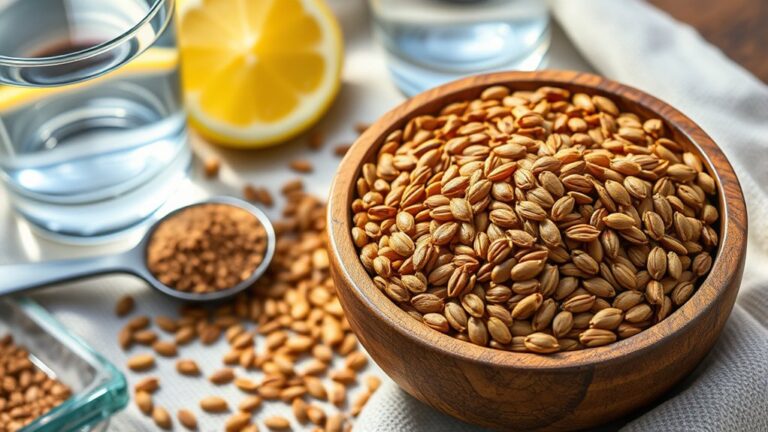
Safflower oil is a popular vegetable oil made from the seeds of the safflower plant, a flower that looks like a thistle and comes from the Middle East and India. It’s usually extracted through cold-pressing or solvent methods, which help keep its nutrients and flavor intact.
This oil is known for its high levels of unsaturated fats, making it a healthy choice for your heart. It can help lower bad cholesterol and support overall cardiovascular health.
In the kitchen, safflower oil is super versatile. You can use it for frying, sautéing, baking, or just drizzling over salads. Its mild flavor won’t overpower your dishes, so it’s great for many recipes.
Because it stays stable at high temperatures, safflower oil is perfect for high-heat cooking. Its health benefits and flexibility in recipes make it a handy addition to your pantry.
Is Safflower Oil Derived From Seeds?
You might be curious whether safflower oil actually comes straight from the seeds of the safflower plant. Well, it really does! The main source of safflower oil is, in fact, the seeds of the plant. These seeds are where all the oil’s key components are stored.
Safflower Plant Origins
- Safflower plant history dates back over 3,000 years.
- It was traditionally used for medicinal purposes and dyeing.
- The seeds contain high levels of oil, which is extracted for culinary and cosmetic use.
- The plant thrives in arid climates, making it quite adaptable.
- Its oil’s health benefits have been recognized in folk medicine for centuries.
You can see how the safflower plant’s origins are deeply intertwined with its seeds and historical significance.
Seed Extraction Process
The process of extracting oil from safflower seeds is straightforward and involves several key steps. First, seed processing begins with cleaning and dehulling the seeds to remove dirt and debris.
Next, the seeds are prepared for extraction through methods like cold pressing or solvent extraction. Cold pressing involves mechanically crushing the seeds to release the oil, which helps preserve nutrients and flavor.
Solvent extraction uses chemicals such as hexane to dissolve the oil, then separates it from the seed material. After extraction, the oil undergoes refining to remove impurities.
These extraction methods guarantee you get pure safflower oil, whether for culinary, cosmetic, or industrial use. The choice of method impacts the oil’s quality and nutrient profile.
Oil Composition Details
Safflower oil is derived from the seeds of the safflower plant (Carthamus tinctorius). Its composition is mainly made up of unsaturated fats, which are good for your heart and overall health.
It contains a high amount of linoleic acid, an essential omega-6 fatty acid, along with some varieties also have oleic acid. This mix affects how you can use it in cooking, especially for dressings and frying.
The oil’s stability, flavor, and health benefits depend on its fatty acid balance. Knowing these details helps you pick the right safflower oil for your needs.
It’s rich in polyunsaturated fats and low in saturated fats, making it a heart-friendly choice. Plus, it contains vitamin E antioxidants that support your health.
Safflower oil is suitable for high-heat cooking, so you can use it for frying or sautéing. Overall, it’s a great addition to a heart-healthy diet.
What Are the Chemical Components of Seed Oils?
Seed oils are mainly made up of a complex mix of chemical components that influence their nutritional and functional qualities. These include things like antioxidants, phospholipids, and minor compounds that help with stability and health benefits.
At the core of their composition are fatty acids, which make up most of the oil. These are essential for cell function and energy, and their types—saturated, monounsaturated, and polyunsaturated—affect both the oil’s stability and health effects.
For example, safflower oil has high levels of polyunsaturated fatty acids, especially linoleic acid, which is good for heart health. Trace amounts of vitamins like E and phytochemicals also contribute to the oil’s antioxidant properties.
Understanding these chemical components helps you see how seed oils can impact your diet, how long they last, and what cooking methods they’re best suited for.
Are There Different Types of Safflower Oil?
You might have seen that there are actually different types of safflower oil out there. They each have their own unique chemical makeup and are used for different things, depending on how they’re processed.
Getting to know these differences can really help you pick the right safflower oil for whatever you need, whether it’s cooking, skincare, or other uses.
Types of Safflower Oil
Different types of safflower oil exist, each with unique properties and uses. These differences affect cooking methods and health benefits.
The two main types are high-oleic and linoleic safflower oil. High-oleic oil has more monounsaturated fats, making it better for frying and longer shelf life.
Linoleic safflower oil contains more polyunsaturated fats, which are great for salads and dressings. It’s lighter and has a milder flavor.
Think about how each type performs when cooking at high temperatures, your health goals, flavor preferences, shelf stability, and nutritional content.
Knowing these differences helps you pick the right safflower oil for both your kitchen and your health.
Differences in Oil Varieties
While safflower oil is derived from the seeds of the safflower plant, not all safflower oils are the same. They come in various types, each with unique characteristics and uses.
You’ll find high-oleic and polyunsaturated varieties, which differ in nutritional value. High-oleic oils are heart-healthy and stable at high temperatures, while polyunsaturated oils are lighter and more delicate.
Extraction methods also affect the oil’s quality. Cold-pressed oils preserve nutrients and flavor, whereas solvent extraction produces larger quantities but may reduce nutritional value.
Understanding these differences helps you choose the best safflower oil for cooking, baking, or health benefits. This way, you get the most from each variety based on its unique composition and processing method.
Does the Extraction Method Affect Safflower Oil’s Classification?
The extraction method plays a big role in whether safflower oil is classified as a seed oil. Different techniques, like cold pressing or solvent extraction, affect the oil’s purity and chemical makeup, which impacts its classification.
Cold pressing keeps more nutrients and natural flavors. It’s often seen as minimally processed seed oil. On the other hand, solvent extraction uses chemicals that can change the oil’s composition, but it still results in seed oil.
Your choice of extraction method can influence the oil’s label, purity, and health benefits. For example, cold pressing retains nutrients better, while solvent extraction might leave chemical residues.
Refining also matters because it can remove natural antioxidants, affecting the oil’s stability and shelf life. Overall, how the oil is extracted determines its quality and classification.
How Does Safflower Oil Compare to Other Seed Oils?
When you compare safflower oil to other seed oils, you’ll find that they each have their own unique nutritional profiles. For example, some might be higher in healthy fats like monounsaturated or polyunsaturated fats, while others could pack more antioxidants. It’s pretty interesting to see how these differences can impact your health and cooking choices.
Plus, each oil tends to be better suited for certain types of cooking. Safflower oil, for instance, has a high smoke point, making it great for frying or sautéing. Other seed oils might be better for salad dressings or finishing dishes because of their flavor or lower smoke points. Knowing these little differences can really help you pick the right oil for whatever you’re cooking or your dietary goals.
Nutritional Content Differences
Safflower oil stands out among seed oils because of its unique fatty acid profile, which influences its nutritional benefits and oil comparisons. It’s low in saturated fats and rich in polyunsaturated fats, especially linoleic acid. Compared to other seed oils, safflower oil often has a higher omega-6 content, boosting its anti-inflammatory properties.
Its vitamin E levels support antioxidant benefits. When evaluating nutritional content differences, consider:
- Higher polyunsaturated fat levels
- Lower saturated fat content
- Increased vitamin E concentration
- Omega-6 dominance in the fatty acid profile
- Reduced trans fats and cholesterol
These factors make safflower oil a heart-healthy option, but understanding its oil comparisons helps you choose the best fit for your dietary needs.
Cooking and Usage Varieties
Among seed oils, safflower oil is known for its versatility in cooking, offering high smoke points that make it suitable for various methods like frying, sautéing, and baking. Its neutral flavor allows it to blend seamlessly into different dishes without overpowering other ingredients.
Compared to other seed oils, safflower’s stability at high temperatures makes it ideal for many cooking techniques. Plus, its health benefits include a high content of unsaturated fats, which can support heart health.
You’ll find it helpful for preparing everything from stir-fries to baked goods. Its light texture and mild taste make it a popular choice for those seeking a healthy, all-purpose oil.
Is Safflower Oil a Seed Oil or Not?
Is safflower oil classified as a seed oil? Yes, it is. It’s made from the seeds of the safflower plant, so it falls squarely into the seed oil category.
Its classification matches how it’s made—by pressing the seeds to extract the oil—and its composition. When you look into safflower oil benefits, you’ll find that its varieties—such as high-oleic and linoleic—offer different health profiles, but both are seed oils.
Knowing safflower oil comes from seeds helps you better understand its nutritional and culinary uses. Some key points include:
- Safflower oil is obtained from the plant’s seeds, not its flowers or leaves
- It shares typical seed oil traits, like high polyunsaturated fat content
- Its different varieties influence how it’s used in cooking and health routines
- Recognizing its seed origin clarifies its role in your diet
- Understanding its background helps you evaluate its benefits and limitations
What Are the Nutritional Benefits of Safflower Oil?
Because it’s rich in healthy fats, safflower oil offers several notable nutritional benefits that can support your overall health. Its high nutrient density means you get a good amount of essential fatty acids with each use.
These healthy fats, especially monounsaturated and polyunsaturated fats, can help reduce bad cholesterol levels and promote heart health. Safflower oil also contains vitamin E, an antioxidant that protects your cells from damage and supports immune function.
The oil’s anti-inflammatory properties may help lower the risk of chronic diseases linked to inflammation. Furthermore, its low saturated fat content makes it a heart-friendly choice.
Incorporating safflower oil into your diet can boost your intake of beneficial fats and antioxidants, enhancing your overall nutrient profile. Overall, the health benefits of safflower oil make it a valuable addition to a balanced diet focused on improving long-term health.
How Do You Use Safflower Oil in Cooking and Health?
Safflower oil is versatile in the kitchen and offers health benefits when incorporated into your daily routine. Its neutral flavor and high smoke point make it perfect for various cooking methods.
To get the most out of it, try using it for sautéing vegetables or frying since it’s stable at high temperatures. Drizzle it over salads for a light, heart-healthy dressing or swap it in baking recipes as a substitute for other oils.
You can also add a spoonful to smoothies to boost your healthy fat intake or toss some into soups to enhance flavor and nutrition.
Besides cooking, safflower oil supports your health by promoting heart health and reducing inflammation. Its light, mild taste won’t overpower dishes, making it easy to include daily.
What Factors Should You Consider When Choosing Safflower Oil?
When selecting safflower oil, it’s important to consider the quality and how it’s processed. These factors directly affect its nutritional value and safety.
Look for cold-pressed or expeller-pressed oils, which keep more of the health benefits and natural antioxidants. Avoid refined oils that contain artificial additives or bleaching agents, as they can reduce nutritional content.
Choose cold-pressed or expeller-pressed safflower oil to maximize health benefits and natural antioxidants.
Think about the flavor and smoke point to match your cooking needs. High-oleic varieties are great for frying and sautéing because they’re more stable, while linoleic types work well in salad dressings.
Checking the label for purity and sourcing info can help ensure you’re getting a quality product. The right safflower oil can boost your dishes and provide health perks like healthy fats and antioxidants.
Ultimately, choosing a minimally processed, reputable product helps you get the most health benefits and culinary versatility.
Frequently Asked Questions
Can Safflower Oil Be Classified as a Vegetable Oil?
Yes, safflower oil can be classified as a vegetable oil. You’ll find safflower oil offers numerous benefits, such as supporting heart health and skin nourishment. Its uses are versatile, from cooking and salad dressings to skincare products.
When you choose safflower oil, you’re getting a plant-based oil rich in healthy fats, making it a popular choice for those seeking nutritious, plant-derived options in their diet and beauty routines.
Is Safflower Oil Suitable for All Dietary Restrictions?
You might think safflower oil suits everyone, but it doesn’t fit every dietary restriction. While its benefits include heart health and anti-inflammatory properties, those with allergies to seeds or on low-fat diets should be cautious.
Safflower oil’s versatility in dietary uses is clear, but it’s not universally suitable. Always check ingredients and consult your diet plan to verify safflower oil aligns with your specific needs and restrictions.
Does the Color of Safflower Oil Indicate Its Quality?
The color of safflower oil can give you some clues about its quality, but it’s not the only indicator. A lighter, clear oil usually means it’s more refined, while a darker shade might indicate less refining or natural compounds.
However, color alone isn’t a foolproof way to judge quality. It’s also important to check for freshness, aroma, and packaging to make sure you’re getting a good product.
How Long Does Safflower Oil Last Before It Goes Rancid?
Safflower oil typically lasts about 6 to 12 months before it goes rancid if stored properly. To keep it fresh longer, store it in a cool, dark place and make sure the bottle is tightly sealed.
Proper storage helps prevent rancidity by limiting exposure to light, heat, and air. It’s a good idea to check regularly for off odors or a sour taste.
If you notice any signs of rancidity, discard the oil to ensure you’re using a safe and quality product.
Are There Any Potential Allergens in Safflower Oil?
Safflower oil can contain safflower allergens, which might cause reactions in sensitive people. While it’s generally safe, some could experience skin irritation or breathing issues.
If you have nut or seed allergies, it’s a good idea to check with your healthcare provider before trying safflower oil. Always read labels carefully for possible cross-contamination or added ingredients that could trigger allergies.
Conclusion
In the end, understanding that safflower oil is definitely a seed oil helps you make smarter choices in your kitchen. Like a hidden treasure chest, it’s packed with nutrients and versatility, perfect for cooking or health benefits.
Just remember, the quality depends on how it’s extracted. So, whether you’re drizzling it over salads or using it for wellness, choosing the right safflower oil is like finding the perfect key to unlock its full potential.