How Much Black Seed Oil Should You Take Daily?
Many people struggle with finding the right amount of black seed oil to take daily. If you’re curious about how to incorporate this popular supplement safely into your routine, you’re not alone. Knowing the proper dosage can feel confusing at first.
You should typically take about 1 teaspoon (5 ml) of black seed oil daily, but the exact amount depends on factors like your age, health goals, and the form of oil you choose, such as capsules or liquid.
Start with smaller doses and gradually increase if needed, paying attention to how your body responds.
If you’re unsure or have special health considerations, checking with a healthcare provider is wise. Staying informed can help you use black seed oil safely and effectively.
Key Takeaways
- Typical daily intake is about 1 teaspoon (5 ml) of liquid oil or 500-2000 mg of capsules or powder.
- Children aged 1-12 usually take between 0.5 and 1 teaspoon daily, depending on their age and size.
- Pregnant women should check with a healthcare provider before using black seed oil.
- Always follow the instructions on the product label and avoid taking more than the recommended dose.
- Keep an eye on how your body reacts and adjust the amount gradually for safety and the best results.
What Is Black Seed Oil and Its Health Benefits
Black seed oil, derived from the seeds of the Nigella sativa plant, has been used for centuries for its medicinal properties. It’s celebrated for its many health benefits, making it a popular natural remedy.
People use it to support immune health, reduce inflammation, and improve digestion. Its antioxidant compounds help fight free radicals, which could lower the risk of chronic diseases.
Supporting immune health, reducing inflammation, and boosting digestion with powerful antioxidants for overall wellness.
Many turn to black seed oil to boost skin and hair health because of its nourishing qualities. It’s appreciated for offering a holistic approach to wellness without synthetic ingredients.
You might find it helpful for respiratory issues, as it has been traditionally used to ease coughs and congestion. Overall, black seed oil combines traditional use with modern appreciation for its health properties.
It’s a versatile supplement that could support your overall health naturally and effectively. Incorporating it into your routine might be a simple way to boost your wellness.
Recommended Daily Black Seed Oil Dosage
Determining the right daily amount of black seed oil depends on factors like age, health, and the form you’re using. Usually, daily doses range from 500 mg to 2,000 mg of black seed oil extract or seed powder.
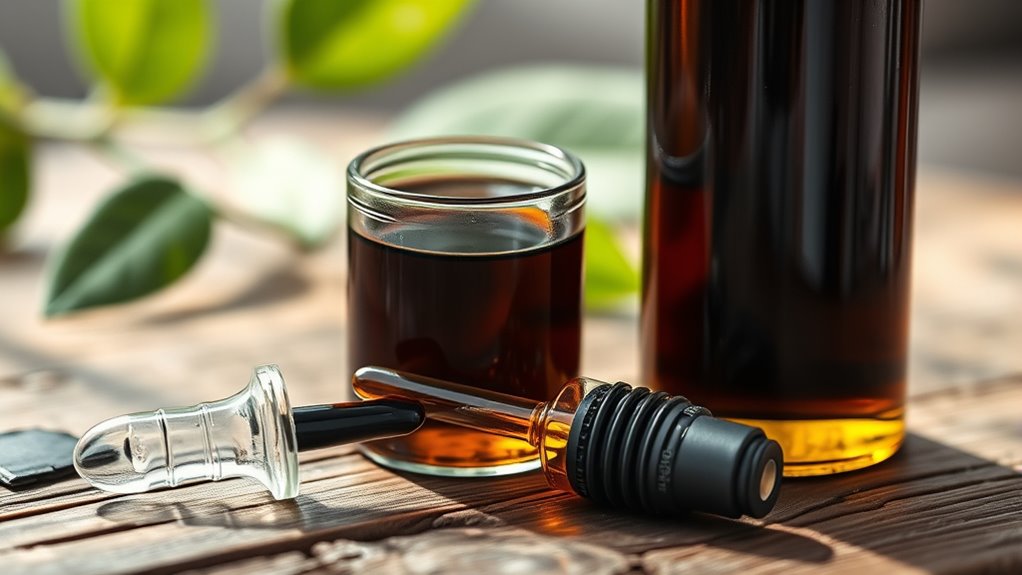
For oils, a common dose is about 1 teaspoon (around 5 ml) each day. Start with a lower amount and gradually increase as needed to find what works best for you. Always check the product label for specific dosage instructions.
| Form of Black Seed Oil | Typical Daily Dose | Notes |
|---|---|---|
| Oil (liquid) | 1 teaspoon (5 ml) | Best taken with food |
| Capsules | 1-2 capsules (500-1000 mg) | Convenient, follow label instructions |
| Powder | 1-2 grams | Mix into foods or drinks |
| Topical | As directed | For skin or hair applications |
| Extracts | As recommended | Consult your healthcare provider |
Stick to these guidelines to ensure an ideal intake tailored to your needs.
Factors That Affect Your Black Seed Oil Dose
Your ideal black seed oil dosage can vary widely based on several personal factors. Your individual health status plays a big role, as some conditions may require different amounts.
Age is also important; younger people might tolerate higher doses, while older adults should start with smaller amounts. Your lifestyle choices and dietary habits influence how your body processes the oil, affecting absorption and effectiveness.
The specific health goals you’re targeting also help determine the right amount. Plus, the quality of the product matters—high-quality, pure black seed oil may need smaller doses compared to cheaper options.
Personal tolerance varies from person to person, so it’s best to start with a lower dose and see how your body reacts. Always consider these factors to tailor your intake safely and effectively, and check with a healthcare professional if you’re unsure about the right amount for you.
Different Forms of Black Seed Oil and Serving Sizes
Black seed oil comes in several forms, each with different serving sizes that can influence how much you should take. The extraction methods, like cold pressing or steam distillation, impact the potency and purity of each form.
Common options include liquid oils, capsules, and soft gels, each offering unique benefits and recommended serving sizes.
Here’s a quick overview:
| Dosage Form | Typical Serving Size | Notes |
|---|---|---|
| Liquid oil | 1-2 teaspoons | Best for topical or internal use |
| Capsules | 500-1000 mg | Convenient for daily intake |
| Soft gels | 1-2 gels | Easy to swallow, consistent dose |
Choosing the right form depends on your preferences and health goals. Just make sure to pay attention to the recommended serving sizes based on the oil extraction methods used.
Starting Small and Increasing Black Seed Oil Gradually
Since everyone’s body reacts differently, it’s best to start with a small dose of black seed oil and gradually increase it over time. Begin with a modest amount, like half a teaspoon or 1 teaspoon daily, to see how your body responds.
This initial amount helps you gauge tolerance and minimizes potential side effects. After a week or so, if you experience no adverse reactions, consider gradually increasing the dosage.
You can add a little more each week, for example, moving to 1 teaspoon or up to 2 teaspoons daily. Listening to your body is key—if you notice any discomfort, reduce your dose or pause.
This gradual increase approach ensures you’re not overwhelming your system and helps you find the best amount for your needs. Remember, patience is essential in this process to safely incorporate black seed oil into your routine.
Black Seed Oil Dosage for Children and Pregnant Women
When considering black seed oil for children or pregnant women, it’s important to recognize that their bodies react differently to supplements. Children’s safety requires lower doses, and pregnancy precautions mean consulting your healthcare provider before use.
Typically, children should start with very small amounts, such as 1 teaspoon or less daily, depending on age and size. Pregnant women should be especially cautious, with some experts recommending avoiding black seed oil altogether or using only under medical supervision.
Here’s a quick guide:
| Group | Recommended Dosage |
|---|---|
| Children (1-12 years) | 0.5 to 1 teaspoon daily, based on age and size |
| Pregnant Women | Consult healthcare provider; generally avoid |
| General Advice | Always prioritize children’s safety and pregnancy precautions |
Signs You’re Taking Too Much Black Seed Oil
Taking too much black seed oil can lead to noticeable side effects, signaling that your body is reacting negatively to an overdose. Common signs include stomach upset, nausea, or diarrhea, which show your system is overwhelmed.
You might also experience allergic reactions like skin rashes, itching, or swelling, especially if you’re sensitive to the oil. Headaches and dizziness are other possible overdose signs, indicating your body is struggling to handle too much.
If you notice a bad taste in your mouth or unusual fatigue, these could also be signs you’ve gone overboard. Consuming excessive amounts over time may increase the risk of more serious health issues.
What to Do If You Overdose or Experience Side Effects
If you notice side effects after taking black seed oil, it’s important to act quickly to protect your health. Be aware of overdose signs like nausea, dizziness, or allergic reactions, and don’t ignore them.
If you experience severe symptoms or think you’ve overdosed, seek emergency help right away. Call your local emergency number or poison control center for advice. While waiting, stop taking black seed oil and stay calm.
Seek emergency help immediately if you overdose or experience severe symptoms; stay calm and stop taking black seed oil.
If you’re having trouble breathing or swelling, try to keep your airway clear and sit in a comfortable position. Don’t try to make yourself vomit unless a healthcare professional tells you to.
Keep the container or label nearby so emergency responders know what was ingested. Quick action can help prevent serious complications.
Always check with a healthcare professional after experiencing side effects or overdose symptoms to ensure proper care and recovery.
Tips for Safe and Effective Black Seed Oil Use
Wondering how to get the most benefit from black seed oil while staying safe? Start by following proper usage guidelines. Always stick to the recommended dosages on the label or advice from your healthcare provider.
Avoid exceeding the suggested amount, as higher doses don’t necessarily mean better results and could increase the risk of side effects. Be aware of potential interactions with medications, especially blood thinners or diabetes drugs, since black seed oil may influence their effectiveness.
If you’re pregnant, nursing, or on medication, it’s a good idea to check with your doctor before adding black seed oil to your routine. Store the oil in a cool, dark place to keep its potency.
Pay attention to how your body responds and stop using it if you notice any adverse effects. By following these tips, you can enjoy the benefits of black seed oil while minimizing risks for a safe and effective experience.
Final Tips for Incorporating Black Seed Oil Into Your Routine
Incorporating black seed oil into your daily routine can boost your health benefits, but doing so thoughtfully makes all the difference. Start by considering meal pairing—adding a teaspoon to salads, smoothies, or yogurt can improve absorption and flavor.
If you prefer, take it directly or mix it with honey for easier consumption. For skin application, clean your face thoroughly and then gently massage a few drops of black seed oil onto your skin, focusing on areas needing extra care.
Consistent use can enhance skin health and provide anti-inflammatory benefits. Remember, moderation is key. Sticking to recommended doses maximizes benefits and minimizes risks.
Keep track of how your body responds and adjust your routine accordingly. Incorporate black seed oil gradually into your daily habits, whether through meals or topical use, to develop a sustainable and effective routine that supports your overall wellness.
Frequently Asked Questions
Can Black Seed Oil Interact With Medications I’M Taking?
Black seed oil can interact with medications, so you should be cautious. It may affect blood sugar, blood pressure, or clotting, leading to medication interactions.
If you’re on blood thinners or diabetes meds, talk to your healthcare provider before using black seed oil. Monitoring how you respond is important to avoid any adverse effects.
Always let your doctor know about any supplements you’re taking to ensure your treatment stays safe and effective, especially if you’re on other medications.
How Long Does It Take to See Health Benefits From Black Seed Oil?
Imagine planting a tiny seed and watching it grow; your health benefits from black seed oil follow a similar timeline.
Typically, you’ll start noticing effects within a few weeks, but it varies based on your dosage and body.
Consistent use helps your body absorb the nutrients, gradually revealing health benefits.
Patience and proper dosage are key to making this natural remedy work its magic over the dosage timeline.
Is Black Seed Oil Safe for Long-Term Daily Use?
Yes, black seed oil is generally safe for long-term daily use when you follow dosage recommendations. It can provide long-term benefits like immune support and anti-inflammatory effects.
However, you should start with a small dose and gradually increase it, watching how your body responds. Always talk to a healthcare professional before using it long-term, especially if you’re pregnant, nursing, or taking medication, to ensure it’s safe for you.
Are There Any Specific Health Conditions That Require Different Dosages?
Yes, some health conditions may require different dosage guidelines for black seed oil. If you have specific issues like hypertension or diabetes, it’s best to talk to your healthcare provider to find out the right dosage.
Certain conditions might need you to take lower or higher amounts for safety and effectiveness. Always follow professional advice, since everyone’s needs can be different.
Avoid self-medicating with black seed oil, especially if you have underlying health problems. This helps prevent any potential adverse effects.
Can Black Seed Oil Be Used Topically or Only Ingested?
You can use black seed oil both topically and through ingestion.
For topical benefits, apply it directly to your skin or mix it with carrier oils for massages. It can help with skin conditions or inflammation.
For internal use, follow recommended dosages to support your immune system or overall health.
Both methods offer unique benefits, so choose based on your specific needs.
Always check with a healthcare professional if you’re unsure.
Conclusion
While black seed oil offers many health benefits, there’s no one-size-fits-all dose. Starting small and gradually increasing your intake can help you avoid side effects.
Some believe it can boost immunity or improve skin, but scientific evidence remains mixed. Trust your body’s signals and consult a healthcare professional if you’re unsure.
When used wisely and responsibly, black seed oil can be a valuable addition to your wellness routine.