How Many Apricot Seeds Should You Eat Each Day?
Many people are curious about the health benefits of apricot seeds but worry about safety. You’re not alone in wondering how much is too much. It’s common to want to enjoy their potential perks without risking your health.
It’s safest to limit yourself to 4-6 apricot seeds each day, as consuming more can increase the risk of cyanide poisoning. Experts recommend starting with just 1-2 seeds, monitoring how your body reacts, and avoiding bitter seeds that likely contain higher toxin levels.
Remember, individual health factors matter, so consulting a healthcare professional is wise. Stay cautious, and if you’re curious about safe preparation methods, there’s more to explore with further information.
Key Takeaways
- Limit your intake to 1-2 seeds per day to reduce the risk of cyanide poisoning.
- Do not go over 4-6 seeds a day, especially if you’re an adult or in good health.
- Start small to see how your body responds, and avoid bitter seeds since they contain higher toxin levels.
- It’s a good idea to talk to a healthcare professional before eating apricot seeds, especially if you have health concerns.
- Always prepare the seeds properly by soaking, drying, and roasting to help reduce toxicity.
What Are Apricot Seeds and Why Do People Eat Them?
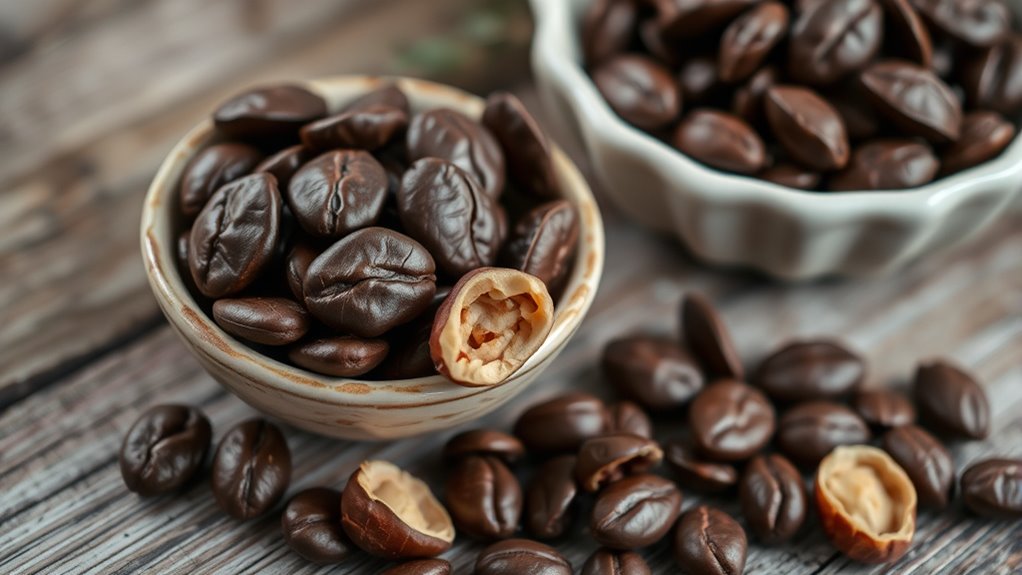
Apricot seeds are the small, hard kernels found inside the pit of an apricot fruit. People often eat them for their supposed health benefits, but there are many health myths surrounding these seeds.
Some believe that apricot seeds can cure cancer or boost immunity, but scientific evidence doesn’t fully support these claims. You should also know that seed varieties differ; some are naturally more bitter or contain higher levels of compounds like amygdalin, which can release cyanide when processed.
Claims that apricot seeds cure cancer lack scientific support; some varieties contain harmful compounds like cyanide.
While some choose to snack on apricot seeds for their unique flavor or as a natural remedy, it’s important to understand what you’re consuming. Not all seeds are created equal—certain varieties may pose health risks if eaten in large amounts.
Always research seed varieties carefully and talk to health professionals before making apricot seeds a regular part of your diet.
What’s in Apricot Seeds? Their Nutritional Breakdown
Apricot seeds are quite interesting because they pack a variety of nutrients. They’re rich in healthy fats, protein, and fiber, which all play a role in supporting your overall nutrition.
But here’s the thing — they also contain a compound called amygdalin. When you eat apricot seeds, amygdalin can break down into cyanide in your body. So, while they do have some benefits, it’s important to be aware of the potential risks involved with consuming them.
Nutrient Composition Overview
At the core of apricot seeds lies a complex nutritional profile that offers a variety of compounds, both beneficial and potentially harmful. These seeds are nutrient-dense, providing a concentrated source of fats, proteins, vitamins, and minerals.
Their healthy fats include monounsaturated and polyunsaturated fatty acids, which support heart health. Apricot seeds also contain dietary sources of vitamin B17, along with small amounts of vitamin E, magnesium, potassium, and fiber.
While they’re prized for their nutrient density, it’s essential to recognize that some components, like amygdalin, can pose health risks. Understanding the nutritional breakdown helps you appreciate their potential benefits while being mindful of the risks associated with excessive consumption.
Amygdalin Content Levels
Amygdalin is the key compound responsible for many of the health considerations associated with apricot seeds. It contains significant levels of amygdalin, a naturally occurring compound that can release cyanide when broken down during digestion.
The amygdalin benefits include potential cancer-fighting properties and anti-inflammatory effects, but it’s essential to understand the risks. Consuming too many apricot seeds can lead to cyanide poisoning, which might cause symptoms like nausea, dizziness, and more serious health issues.
The amygdalin content varies depending on the seed type and how it’s processed, so moderation is important. It’s a good idea to weigh the potential health benefits against the risks, especially since high amygdalin intake can be dangerous.
Always talk to a healthcare professional before adding large amounts of apricot seeds or other sources of amygdalin to your diet.
What Are the Health Benefits of Eating Apricot Seeds?
Eating apricot seeds can be a great way to boost your health since they’re packed with important nutrients. Some research even suggests they might have cancer-fighting properties, which is pretty interesting. Plus, they can help support your immune system, helping you stay healthier overall.
Rich in Nutrients
Apricot seeds are packed with a variety of nutrients that can boost your health. They offer high nutrient density, meaning you get a lot of essential nutrients in a small amount. Their vitamin content includes B-vitamins and vitamin E, which support energy production and skin health.
Here are four key benefits:
- Rich in healthy fats that promote heart health.
- Contains antioxidants that fight free radicals.
- Provides dietary fiber to support digestion.
- Supplies minerals like magnesium and potassium for muscle function.
Potential Cancer-Fighting Properties
While research is ongoing, many believe that compounds found in apricot seeds may offer cancer-fighting properties. Some studies suggest that amygdalin, a compound in these seeds, could help target cancer cells, making apricot seeds a potential addition to alternative therapies.
However, cancer research remains inconclusive, and evidence supporting these claims is limited. It’s important to approach these benefits with caution, as scientific consensus has yet to confirm their effectiveness.
While some believe apricot seeds could provide supplementary support in cancer prevention or treatment, they shouldn’t replace conventional medical care. Always consult healthcare professionals before considering apricot seeds as part of your health strategy.
Supports Immune Function
The compounds in apricot seeds may also help support your immune system. Their immune-boosting effects come from powerful antioxidants that protect your cells from damage. Eating apricot seeds regularly can strengthen your body’s natural defenses. Here are four ways they support immune function:
- They contain antioxidants that neutralize harmful free radicals.
- Vitamin B17, found in apricot seeds, may help boost immune responses.
- The seeds’ phytochemicals can reduce inflammation, supporting overall health.
- Eating them may improve your body’s ability to fight off infections.
While these benefits look promising, remember to enjoy apricot seeds in moderation. Their immune-boosting and antioxidant properties can be a helpful addition to a balanced diet.
How Much Apricot Seeds Is Safe to Eat Daily?
Determining a safe amount of apricot seeds to eat daily depends on factors like your body weight and overall health. There’s no one-size-fits-all answer, but health guidelines recommend limiting your intake to reduce potential risks. Most experts suggest no more than 1 to 2 seeds per day, mainly because of the natural amygdalin they contain, which can release cyanide.
If you’re sensitive or have health concerns, it’s best to stick to the lower end of this range. Keep in mind that eating more than this can increase your risk of toxicity. Always talk to your healthcare provider before adding apricot seeds to your routine, especially if you’re pregnant, nursing, or taking medication.
What Are the Risks of Eating Too Many Apricot Seeds?
Eating too many apricot seeds can be risky because they contain amygdalin, which releases cyanide when you eat them. Consuming a lot of these seeds can cause dangerous cyanide exposure, affecting how your body uses oxygen.
Some of the main risks include cyanide poisoning, with symptoms like dizziness, headaches, and confusion. Eating too many can overwhelm your body’s ability to detox, leading to nausea or vomiting.
Cyanide also interferes with cellular respiration, making it hard to breathe properly. In severe cases, this exposure can be fatal.
Because everyone’s sensitivity varies, it’s important to limit your intake and stick to safe guidelines to avoid these health dangers.
How Age, Health, and Medications Affect Apricot Seed Safety
Your age, overall health, and any medications you take can significantly influence how safely you consume apricot seeds. Age matters because children and older adults may be more vulnerable to cyanide poisoning, which apricot seeds contain.
Your age, health, and medications critically impact the safety of consuming apricot seeds.
Younger people often have lower tolerance, while seniors might process toxins differently because of decreased metabolic function. Your health status also plays a role—if you have liver issues or other health conditions, your body’s ability to detoxify cyanide could be affected.
Medications are important to consider too. Some drugs, especially those affecting the liver or blood clotting, can increase your risk of side effects when combined with apricot seeds. Always talk to a healthcare professional before adding apricot seeds to your diet, especially if you have health conditions or are on medication.
Staying informed about how age, health, and medications influence safety helps you make better choices.
Proper Preparation and Safe Ways to Eat Apricot Seeds
Proper preparation is essential to safely enjoy apricot seeds and minimize health risks. To guarantee safe consumption, follow these preparation methods carefully:
- Remove the shells gently to access the kernel, avoiding damage that could release harmful compounds.
- Soak the seeds in water for a few hours to reduce bitterness and potentially lower toxin levels.
- Dry thoroughly after soaking to prevent mold growth before eating or storing.
- Roast or bake the kernels at a low temperature (around 150°C/300°F) for about 15 minutes, which may help deactivate some toxins and improve flavor.
Always use safe preparation methods to reduce the risk of ingesting harmful substances. Remember, moderation is key, and proper handling can help you enjoy apricot seeds safely. If you’re unsure about the safety of your preparation, consult health guidelines before consuming large quantities.
Signs You’re Eating Too Many Apricot Seeds
Consuming too many apricot seeds can lead to noticeable health issues because your body reacts to the naturally occurring toxins like amygdalin.
If you start experiencing symptoms of toxicity, it’s a clear sign you’re eating too many seeds. Common signs include nausea, dizziness, and abdominal pain.
You might also notice a rapid heartbeat or headaches, which show your body is struggling to process the toxin load. Severe symptoms like difficulty breathing or vomiting need immediate medical attention.
Pay attention to how your body responds when you eat seeds. If you notice any of these signs, it’s a warning to cut back on your seed intake.
Overdoing it can cause dangerous toxicity symptoms, so moderation is key. Recognizing these signs early helps prevent serious health problems linked to eating too many seeds.
What Do Experts Say About Safe Apricot Seed Consumption?
Experts agree that moderation is key when it comes to eating apricot seeds. They stress that following expert advice helps ensure you consume them safely. While some believe small amounts might offer health benefits, eating too much can be risky.
Here are four expert tips for safe apricot seed intake:
- Limit your daily intake to a few seeds, usually no more than 4-6.
- Talk to a healthcare professional before adding apricot seeds to your diet, especially if you have health issues.
- Avoid seeds that taste bitter, as this indicates higher levels of amygdalin.
- Be aware of symptoms like nausea or dizziness, and stop eating if you notice them.
Always prioritize safety and listen to your body. Apricot seeds can be part of your diet, but sticking to these guidelines helps prevent adverse effects and follows expert advice.
Tips for Including Apricot Seeds Safely in Your Diet
If you’re thinking about adding apricot seeds to your diet, it’s best to start slow. Just take a small amount at first and see how your body responds. Pay attention to any signs of discomfort or unusual symptoms along the way.
And remember, if anything feels off, don’t hesitate to stop and check in with your healthcare provider. It’s always a good idea to chat with a professional before making any significant changes to your diet, especially when it involves something like apricot seeds.
Gradually Increase Intake
Because apricot seeds contain compounds that can be harmful in large amounts, it’s important to start with small portions and gradually increase your intake. This helps your body adapt safely and ensures proper dosage.
To do this, consider these tips: Begin with just 1-2 seeds per day. Wait at least a week before increasing your intake.
Pay attention to how your body responds during each increase. Adjust the amount based on your comfort and any side effects you notice.
Monitor Body Reactions
As you start increasing your apricot seed intake, paying close attention to how your body reacts becomes really important. Everyone’s body sensitivity is different, so watch for any unusual symptoms or discomfort.
Digestive reactions like nausea, stomach pain, or diarrhea might mean you’ve eaten too many seeds or that your body isn’t tolerating them well. Keep a mental or written note of how you feel after eating apricot seeds, especially in the first few days.
If you notice any adverse reactions, cut back on your intake right away. Being aware of these signs helps you figure out your personal limit safely. Remember, even natural foods can cause reactions, so keeping an eye on how your body responds is key to including apricot seeds in your diet responsibly.
Consult Healthcare Professionals
Wondering how to include apricot seeds safely in your diet? Consulting healthcare professionals is essential to understand the health implications and follow professional guidelines. They can help determine safe consumption levels based on your health status and guide you on avoiding potential risks.
Consider these steps:
- Schedule a consultation before adding apricot seeds to your routine.
- Share your medical history and any medications you’re taking.
- Ask about safe quantities and frequency based on your individual needs.
- Follow their advice strictly, especially if you’re pregnant or have health conditions.
Frequently Asked Questions
Are Apricot Seeds Safe for Children to Eat?
Apricot seeds aren’t safe for children to eat because of their potential toxicity and health risks. Their nutritional content includes healthy fats and vitamins, but they also contain amygdalin, which releases cyanide when digested.
You should be cautious about potential allergies, too. It’s best to talk to a healthcare professional before giving apricot seeds or anything similar to children to ensure their safety and avoid adverse reactions.
Can Apricot Seeds Help With Cancer Prevention?
Apricot seed benefits are often claimed to include cancer prevention, but current cancer research doesn’t support this. Studies haven’t proven that apricot seeds can effectively prevent or treat cancer, and consuming them may pose health risks due to their cyanide content.
You should be cautious and consult healthcare professionals before considering apricot seeds for cancer prevention. Relying on them could delay proven medical treatments.
How Do Apricot Seed Consumption Guidelines Differ Worldwide?
You find that apricot seed consumption guidelines vary worldwide due to cultural practices and health regulations. In some regions, people eat small amounts, considering traditional uses, while others restrict intake because of safety concerns.
Countries with stricter health regulations, like the US, warn against high consumption due to potential cyanide toxicity. Always follow local guidelines and consult healthcare professionals to avoid health risks, respecting regional customs and regulations.
Are There Any Natural Alternatives to Apricot Seeds for Health Benefits?
Yes, you can find natural alternatives to apricot seeds that offer health benefits. For example, flaxseeds, chia seeds, and sunflower seeds provide similar benefits like omega-3s, fiber, and antioxidants.
These alternative seeds are safer and easier to add to your diet. By choosing a variety of them, you can enjoy their nutritional perks without the risks linked to apricot seed consumption.
What Should I Do if I Experience Side Effects From Apricot Seeds?
If you experience side effects from apricot seeds, stop eating them immediately. It might seem funny, but you’re risking apricot toxicity, which can be serious.
Seek medical help right away, especially if your symptoms get worse or include nausea, dizziness, or trouble breathing. Never ignore signs of apricot toxicity; your health is more important than any supposed benefit.
Trust healthcare professionals to guide you safely back to wellness and help you avoid future risks.
Conclusion
Remember, while apricot seeds offer tempting health benefits, moderation is your best ally—like a gentle hand guiding you through a storm.
Too much can turn a potential treasure into a hidden danger. Trust the experts, listen to your body, and savor these seeds responsibly.
Your health is a precious garden; nurture it wisely, and let each mindful choice blossom into well-being and peace.
When it comes to how many apricot seeds you should eat each day, moderation is key.