What Is Crop Rotation and Why It Matters for Sustainable Farming
Crop rotation is the agricultural practice of growing different types of crops sequentially on the same land across seasons or years. This method helps break pest and disease cycles, improves soil fertility, and boosts overall crop productivity without relying heavily on chemical inputs.
This technique is essential because continuously planting the same crop in a field can deplete specific nutrients and lead to increased pest populations. Crop rotation addresses these issues by varying crop types, which supports balanced soil nutrients and reduces the buildup of harmful organisms.
In this article, we will explore the principles behind crop rotation, the advantages it offers, different rotation patterns used worldwide, practical steps for implementation, and compare crop rotation with other soil management practices.
Understanding Crop Rotation: Principles and Goals
Fundamental Concepts of Crop Rotation
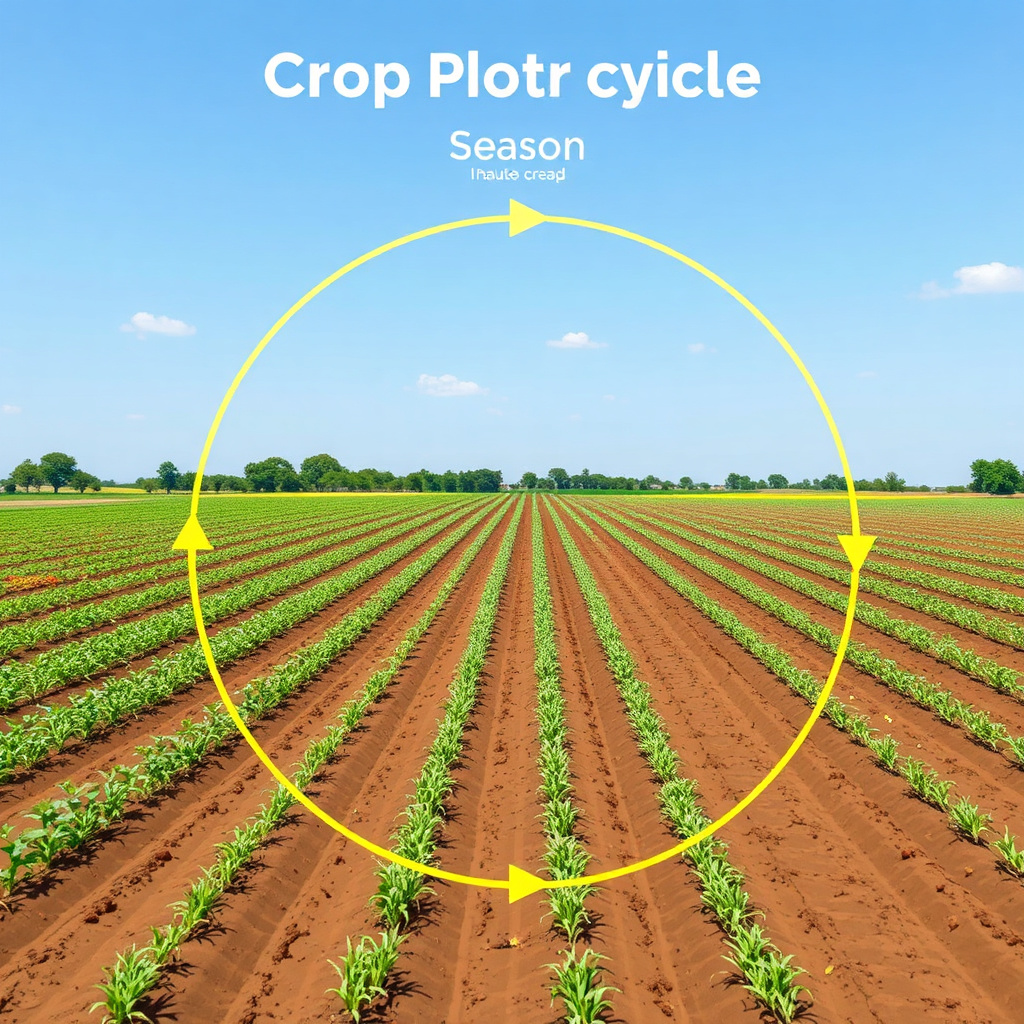
Crop rotation involves alternating crop types, such as legumes, cereals, and root vegetables, across planting seasons. The goal is to prevent the continuous use of the same nutrient pool and disrupt the habitat for pests and diseases.
Rotation schedules are often designed to suit local climate and soil conditions, with choices that align with crop nutrient needs and residue contributions, enabling natural soil recovery.
Primary Objectives of Crop Rotation
The main objectives include enhancing soil fertility by incorporating nitrogen-fixing crops like legumes, interrupting pest and disease cycles, and improving soil structure by varying root depths and residue types.
These goals collectively support sustainable yield improvements and reduce dependency on synthetic fertilizers and pesticides, contributing to environmentally friendly farming.
Benefits of Crop Rotation for Soil and Crop Health
Improving Soil Fertility
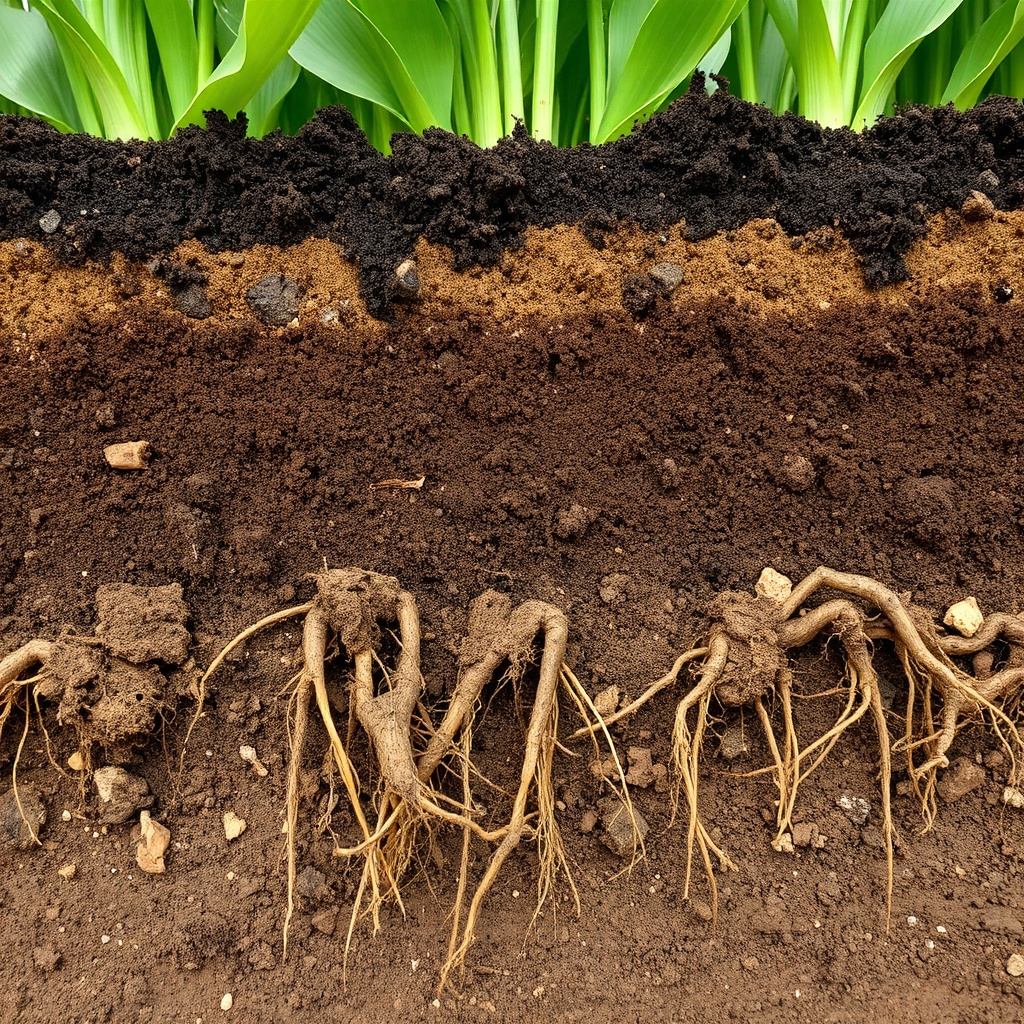
Crop rotation boosts soil fertility by alternating crops that utilize and replenish different soil nutrients. For example, legumes enrich nitrogen levels, while deep-rooting crops help cycle minerals from lower soil layers to the surface.
This process minimizes nutrient depletion and promotes a balanced soil nutrient profile, supporting healthy crop growth season after season.
- Reduces soil nutrient depletion
- Increases organic matter through varied crop residues
- Enhances soil microbial diversity
Controlling Pests and Diseases
By changing crops regularly, crop rotation disrupts the life cycles of pests and pathogens specialized on certain crops. This reduces the buildup of harmful organisms without heavy pesticide use.
Crop diversification also encourages beneficial insects and microorganisms that help suppress pest populations naturally.
- Breaks pest reproduction cycles
- Limits disease spread linked to continuous cropping
- Supports natural pest control agents
Common Crop Rotation Patterns and Practices
Two- and Three-Crop Rotations
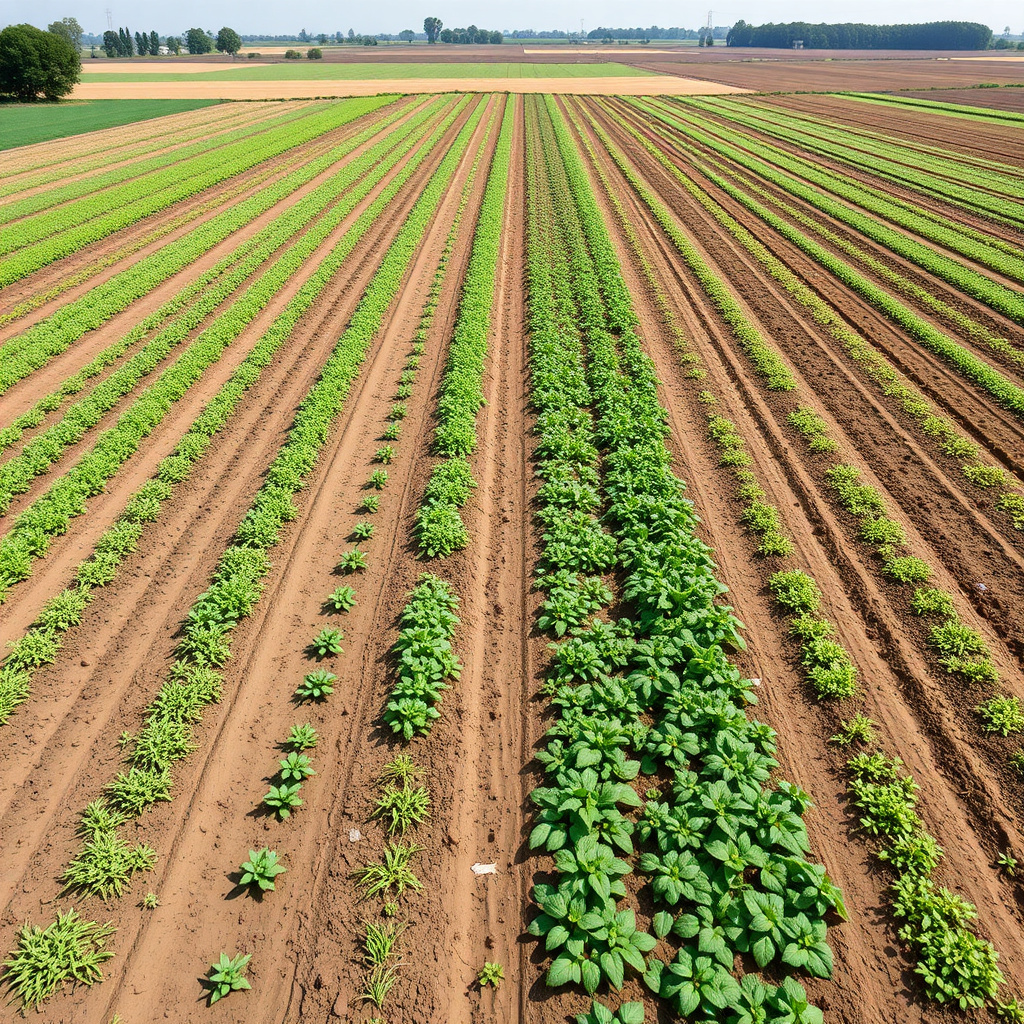
A two-crop rotation alternates between a nitrogen-fixing legume and a cereal crop each season to maintain soil nitrogen balance. Three-crop rotations often add a root or leafy vegetable to diversify nutrient use and pest control further.
These patterns are widely used due to their simplicity and effectiveness in many climates and farm sizes.
- Soybean – corn rotation
- Corn – wheat – clover rotation
- Potato – barley – clover rotation
For more on this, see our related guide: How to Read a Seed Catalog: A Complete Guide for Gardeners.
Complex and Intensive Rotations
More complex rotations can include four or more crops and incorporate cover crops and green manures for additional soil benefits. These schedules are common in diversified farming systems aiming to optimize production and sustainability.
Intensive rotations require careful planning but significantly boost soil health and reduce external input needs.
- Including cover crops like rye or vetch
- Alternating deep-rooted and shallow-rooted crops
- Integrating horticultural crops in rotation
Implementing Crop Rotation on Your Farm
Assessing Your Land and Resources
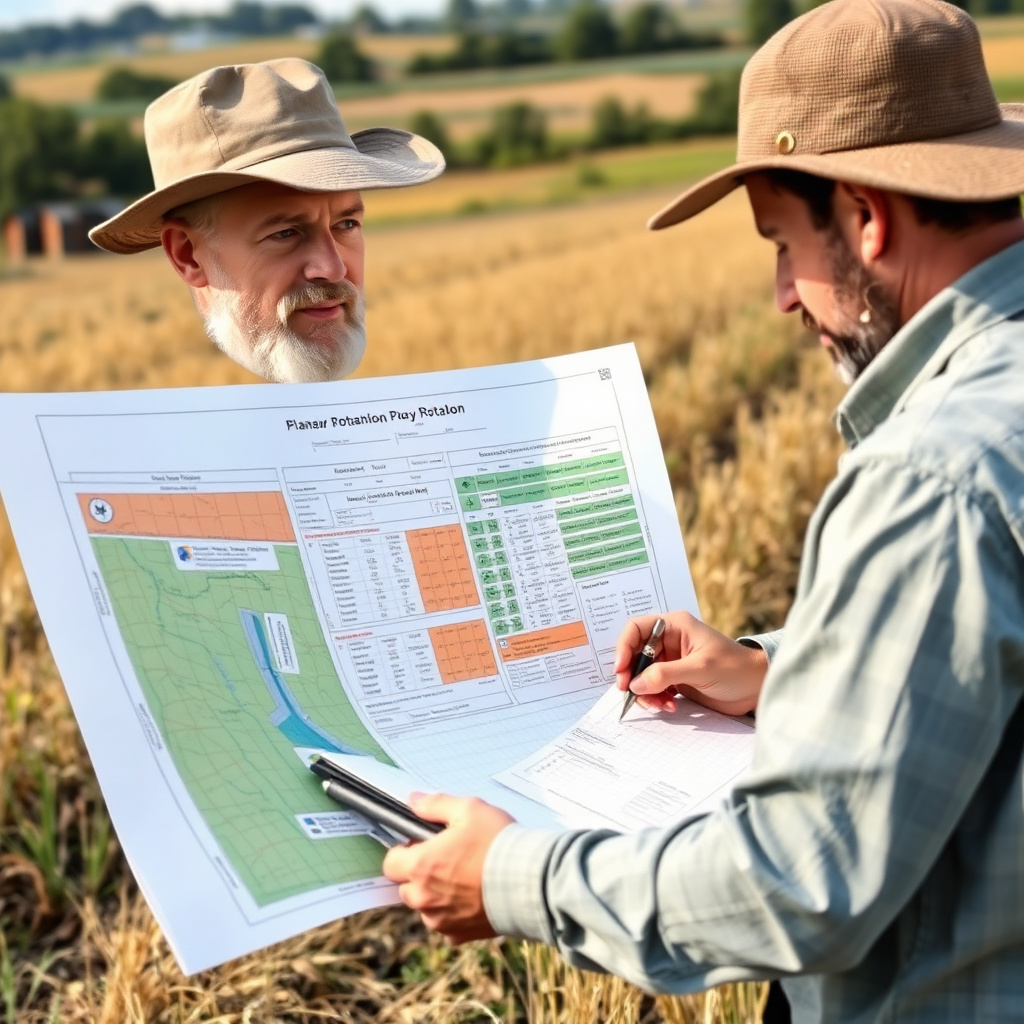
Understanding your soil type, climate, and available crop options helps design a practical crop rotation plan. Soil tests provide insights into nutrient levels, guiding the selection of crops that replenish deficient nutrients.
Consider local pest pressures and market demands to balance ecological benefits with economic viability.
Planning and Monitoring Rotation Schedules
Develop a multi-year calendar to track crop sequences and adjust as needed based on crop performance and soil health indicators. Monitoring yields, pest presence, and soil conditions informs improvements over time.
Flexibility allows adaptation to unexpected challenges like weather or market changes while maintaining rotation goals.
- Keep detailed records of crops and outcomes
- Adjust rotations annually to address soil and pest feedback
Challenges and Considerations With Crop Rotation
Logistical and Economic Challenges
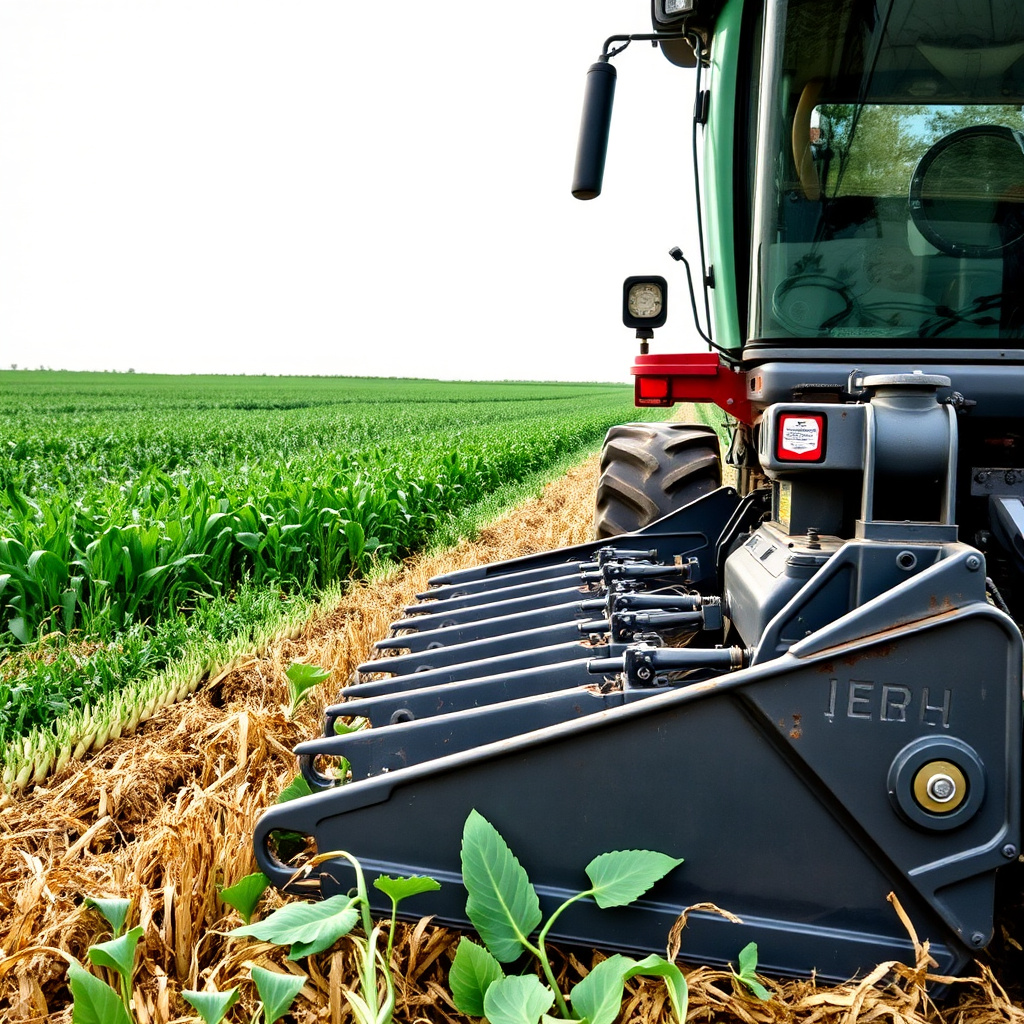
Crop rotation can demand more complex planning, machinery, and labor adjustments. Limited market options for diverse crops may impact profitability, especially on smaller farms or monoculture-dependent systems.
Farmers must weigh these factors and seek support or education to optimize the benefits while managing costs.
- Increased management complexity
- Possible market and labor constraints
For more on this, see our related guide: How to Identify and Manage Cannabis Plant Pests and Diseases Effectively.
Environmental and Crop Compatibility Issues
Some crops are less compatible with certain rotations due to soil or pest considerations, and immature or poorly planned rotations can lead to unintended soil compaction or nutrient imbalances.
Proper research and consultation help create synergistic crop sequences to prevent such risks.
Alternative and Complementary Soil Management Practices
No-Till and Reduced Tillage Methods
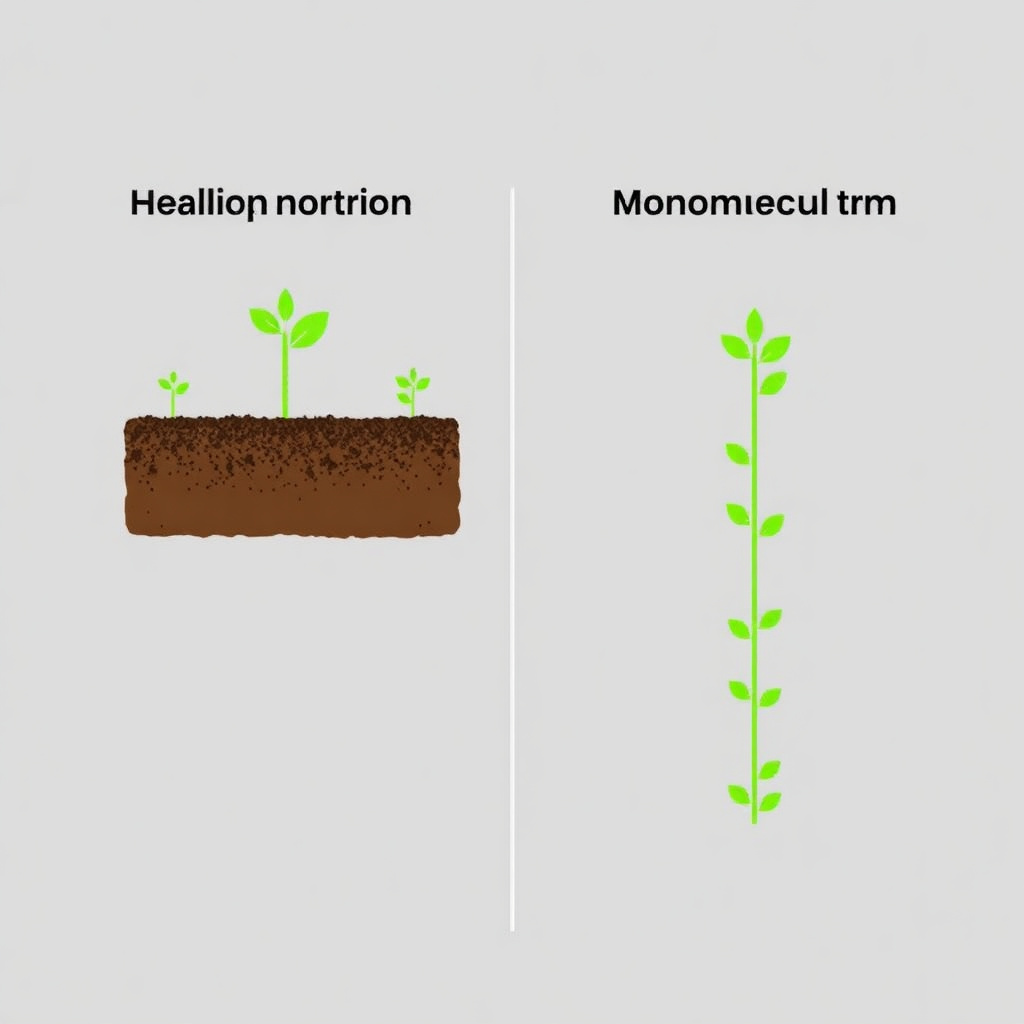
No-till farming maintains soil structure and organic matter by minimizing disturbance. Combined with crop rotation, it greatly enhances soil health and moisture retention, reducing erosion risk.
This combination supports long-term sustainability but may require adapted equipment and weed control strategies.
For a thorough overview of crop rotation principles and history, see Crop Rotation on Wikipedia. Crop Rotation on Wikipedia.
Cover Cropping as a Complement
Using cover crops during fallow periods adds organic matter, protects soil from erosion, and suppresses weeds. When aligned with crop rotations, cover cropping cycles nutrients and benefits soil microbiota.
This practice enhances the benefits of crop rotation and can be tailored to local farming systems.
- Leguminous covers add nitrogen
- Non-leguminous covers improve soil structure
Crop Rotation Patterns Category Comparison
The table below compares common crop rotation patterns based on complexity, benefits, and suitability for different farming systems.
| Pattern Type | Complexity Level | Soil Fertility Impact | Pest Control Effectiveness | Recommended Farm Size |
|---|---|---|---|---|
| Two-Crop Rotation | Low | Moderate | Moderate | Small to Medium |
| Three-Crop Rotation | Moderate | High | High | Medium to Large |
| Complex Multi-Crop Rotation | High | Very High | Very High | Large Diversified Farms |
| Two-Crop with Cover Crops | Moderate | High | High | Small to Large |
Frequently Asked Questions
How often should crops be rotated in a crop rotation system?
Crop rotation typically follows a yearly or seasonal schedule, changing the crop planted on a field each growing period. Some systems rotate every season, while others use multi-year sequences depending on crop types and objectives.
Can crop rotation reduce the need for chemical fertilizers?
Yes, by alternating crops that replenish nutrients naturally, such as legumes fixing nitrogen, crop rotation can reduce reliance on synthetic fertilizers and promote healthier soil nutrient balance.
Is crop rotation effective for controlling all pests?
Crop rotation is effective against many pests tied to specific crops but might not control generalist pests or diseases that affect multiple crops. It should be combined with other integrated pest management strategies for best results.
Can crop rotation be used in small-scale or urban farming?
Crop rotation can be adapted for small gardens or urban farms by planning different crops in succession or in limited spaces, helping maintain soil health even in constrained environments.
What crops are best for crop rotation to improve soil nitrogen?
Leguminous crops such as beans, peas, and clover are excellent choices because they fix atmospheric nitrogen into the soil, enriching nutrient content for subsequent crops.
Key Takeaways
- Crop rotation involves alternating different crops to improve soil and control pests.
- It reduces nutrient depletion and helps maintain balanced soil fertility.
- Different rotation patterns suit various farm sizes and goals.
- Combining crop rotation with practices like cover cropping enhances soil health.
Conclusion
Choosing the right crop rotation strategy involves understanding your soil's current condition, pest pressures, and economic goals. The practice offers a natural way to improve soil fertility and break pest cycles by diversifying plant types over time. Careful planning and monitoring allow farmers to adjust rotations for maximum soil and crop health benefits.
Simple two- or three-crop rotations provide accessible options for small to medium farms, helping maintain nutrient balance and pest control effectively. For larger or more diversified operations, complex multi-crop rotations combined with cover crops and reduced tillage methods can further enhance sustainability and resilience. Consider integrating nitrogen-fixing crops to enrich soil nitrogen levels naturally.
If you're interested in adopting crop rotation, start by assessing your land's characteristics and experimenting with rotation sequences on a manageable scale. Monitor results closely and adapt over time. This approach fosters healthier soil, reduces chemical inputs, and supports long-term productivity for your farm or garden.