Understanding the Seedling Stage: What It Means and Why It Matters
The seedling stage is the early phase of a plant's life cycle, beginning right after a seed germinates and continues until the plant develops its first set of true leaves. During this stage, the plant establishes its root system and starts photosynthesis, which is critical for survival. Seedlings are particularly vulnerable to environmental stress, pests, and diseases at this point.
Understanding the seedling stage matters because it sets the foundation for a plant’s overall health and productivity. Adequate care during this time can influence future growth, flowering, and fruiting potential. This phase often requires optimal moisture, temperature, and light conditions to ensure successful development.
This article will explore the characteristics of the seedling stage, common challenges faced by seedlings, and effective methods to support young plants. We'll also cover practical tips for indoor and outdoor seedling care and how to transition seedlings to mature plants.
The Biological Features of the Seedling Stage
What Defines a Seedling?
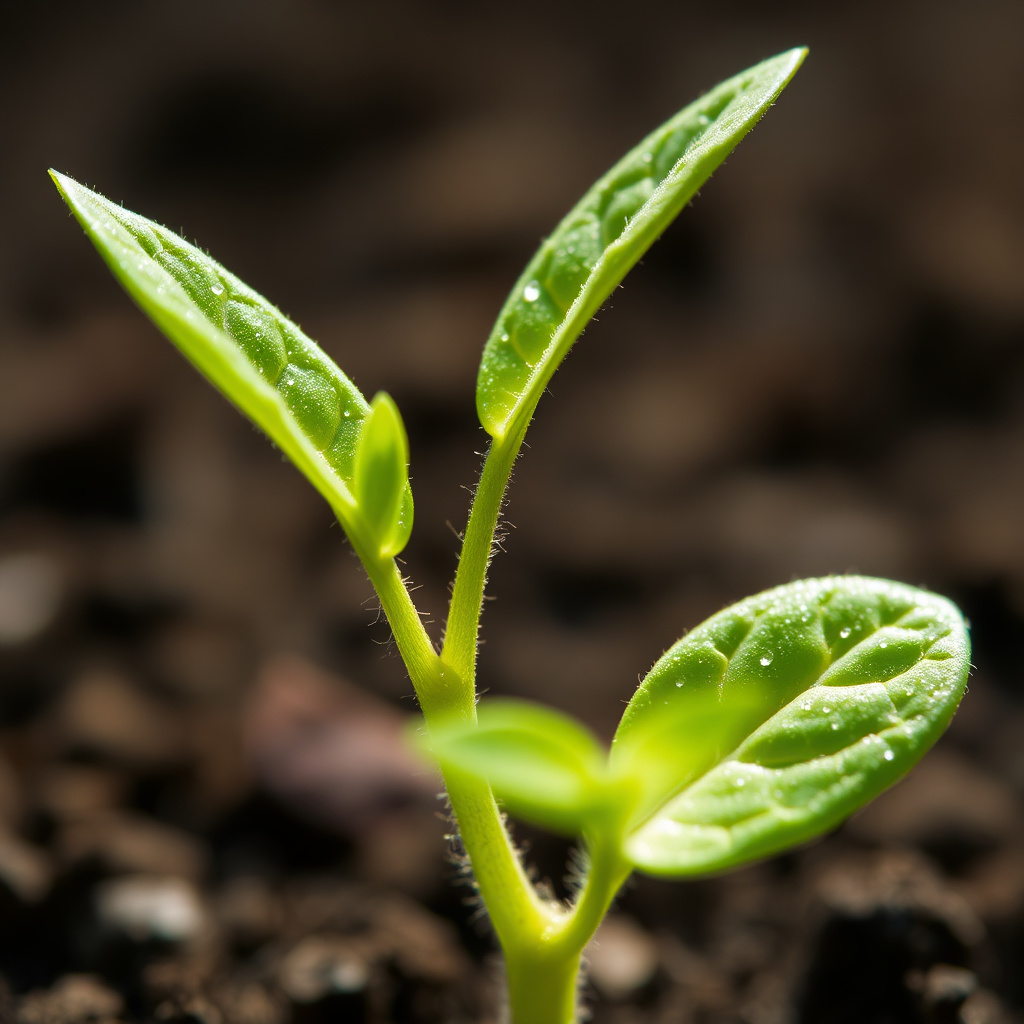
A seedling is defined as a young plant that has emerged from a germinated seed and is growing its initial leaves and roots. At this phase, the plant relies on stored seed nutrients until its photosynthesis fully activates. The seedling typically has its cotyledons, or seed leaves, followed by the emergence of true leaves that resemble the mature plant’s foliage.
During this stage, the seedling develops essential structures: a root system anchors it in soil and absorbs water and nutrients, while the stem supports upward growth. The characteristics during this phase vary among species but fundamentally involve rapid growth and preparation for further development.
Key Physiological Processes
Photosynthesis begins when the seedling’s true leaves emerge, allowing it to produce energy from light. At this stage, metabolic activity intensifies to support cell division and elongation. Hormones like auxins and cytokinins regulate growth direction and tissue differentiation.
Moisture uptake is critical, as seedlings are susceptible to drying out due to their shallow roots. Temperature also influences enzymatic reactions necessary for growth. Seedlings are sensitive to external factors and often have limited defense mechanisms against stress and pathogens.
Challenges Seedlings Face During Early Plant Growth
Environmental Stressors Impacting Seedlings
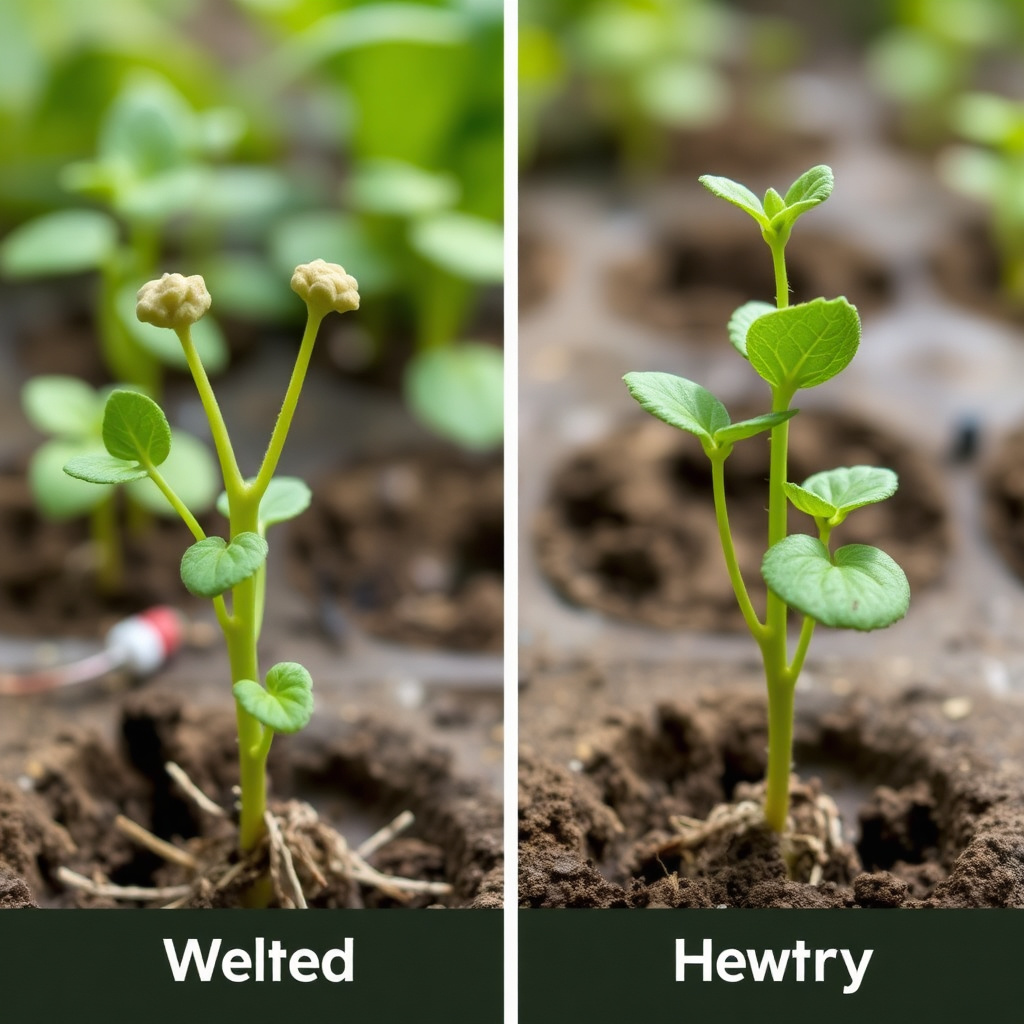
Seedlings can be highly sensitive to fluctuations in temperature, moisture, and light. Too much direct sunlight can cause scorching, while too little light slows growth. Inadequate watering leads to either desiccation or root rot. Cold snaps can halt physiological processes and damage tissues.
Seedlings also face threats from soil conditions such as compaction or poor drainage, which hinder root development. Because seedling structures are fragile, even minor environmental imbalances can stunt growth or lead to mortality.
Common Pests and Diseases
Young plants are vulnerable to pests like aphids, fungus gnats, and cutworms that can cause significant damage by feeding on roots or foliage. Fungal diseases such as damping-off can rapidly destroy seedlings by infecting stems at the soil line.
Proper hygiene, control of moisture, and use of sterile growing media can reduce disease risk. Monitoring early signs of infestations and employing organic or chemical treatments when necessary helps protect seedling health.
Optimizing Conditions for Seedlings
Light Needs During the Seedling Stage
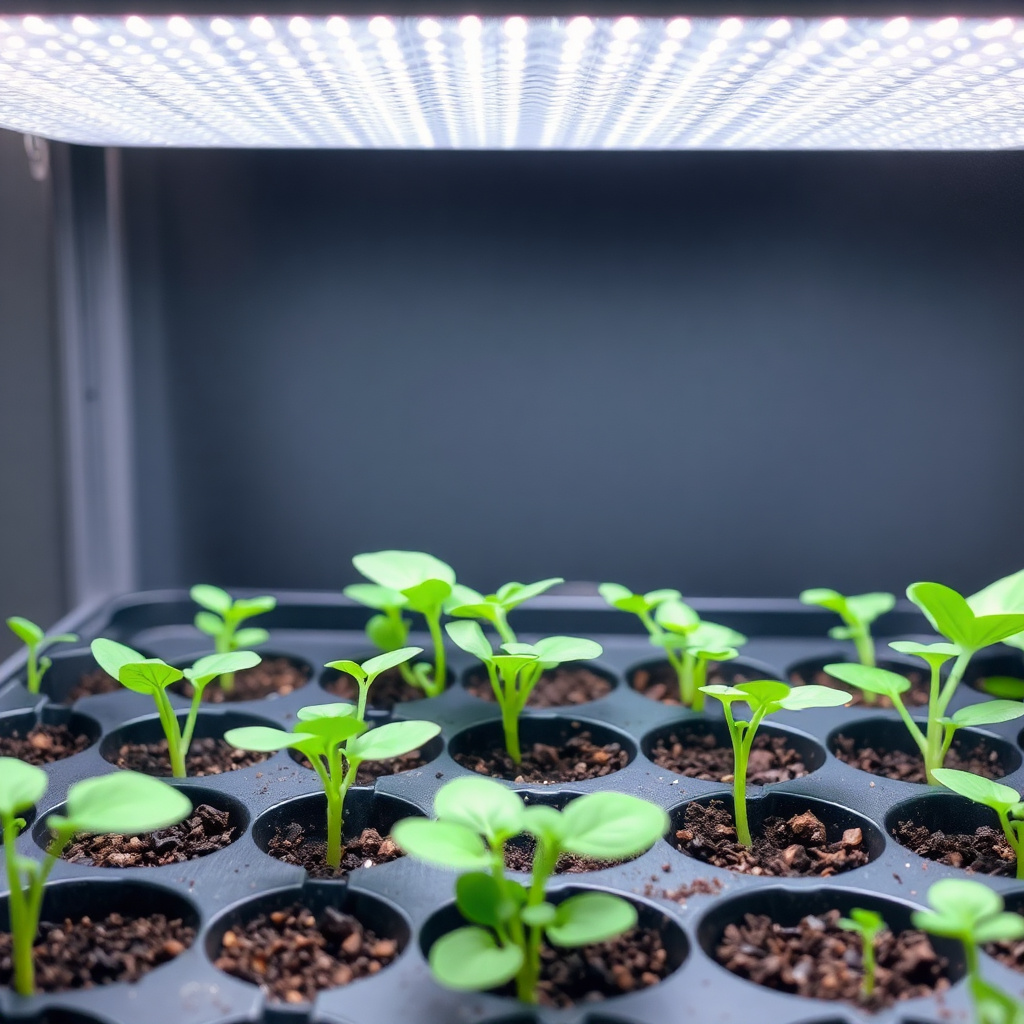
Seedlings require moderate, consistent light to fuel photosynthesis without overheating or drying out. Fluorescent or LED grow lights placed a few inches above the seedlings provide ideal intensity and spectrum indoors. Outdoors, partial shade may protect seedlings from intense midday sun.
A photoperiod of 12 to 16 hours daily usually supports optimal growth. Adjusting light distance and duration prevents leggy growth caused by insufficient illumination.
- Use full-spectrum grow lights indoors
- Rotate seedlings to promote even growth
- Avoid harsh midday sun outdoors
For more on this, see our related guide: How to Transplant Seedlings Without Stressing Your Plants.
Watering and Soil Requirements
Seedlings thrive in moist but well-drained soil. Overwatering can suffocate roots and promote disease, while underwatering stresses the plant. Using a fine mist or bottom watering keeps soil evenly moist without disturbing delicate roots.
Soil should be light, sterile, and rich in organic matter to promote aeration and nutrient uptake. Seed-starting mixes typically avoid heavy or coarse components that can impede root growth.
- Use sterile, light seed-starting mix
- Water gently and regularly
- Ensure adequate drainage to prevent root rot
Transitioning From Seedling Stage to Mature Plant
When and How to Transplant Seedlings
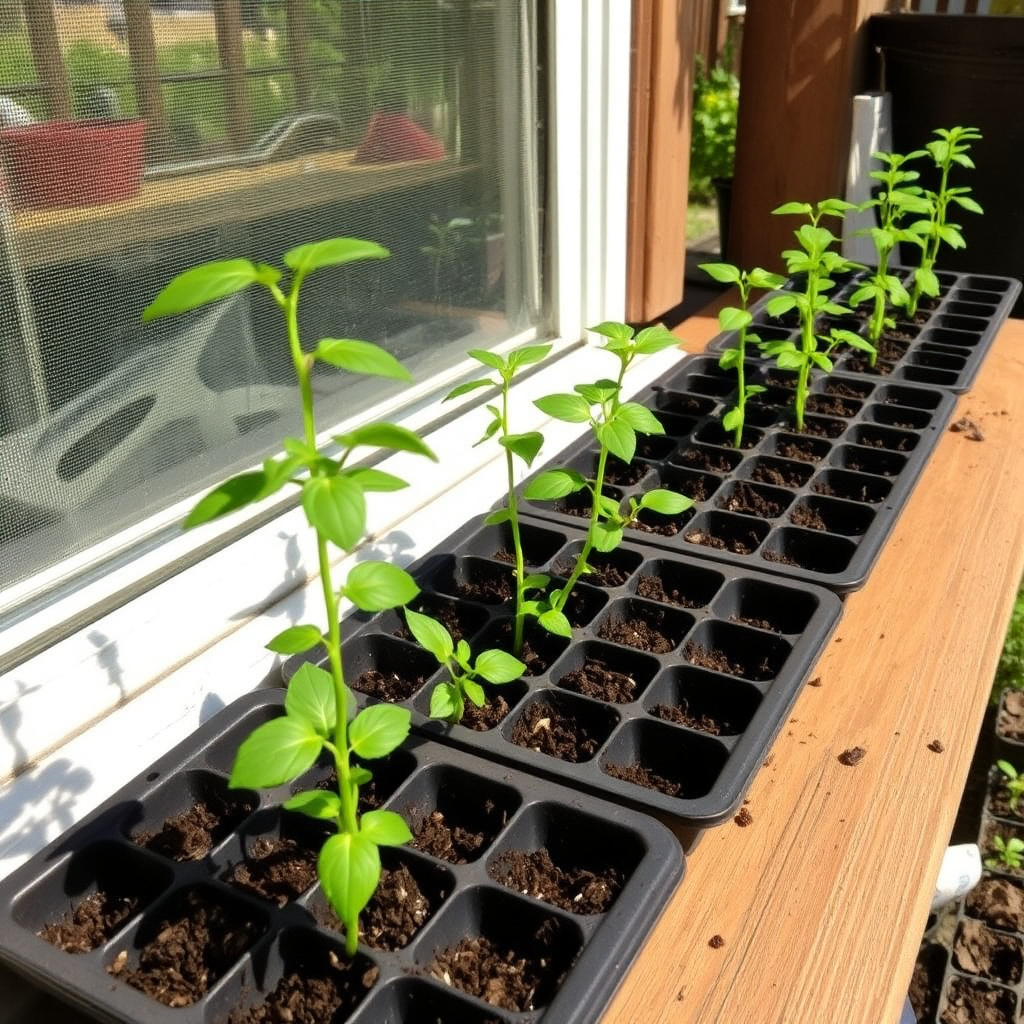
Transplanting usually occurs once seedlings develop several sets of true leaves and a sturdy root system. Timing depends on the species and environmental conditions. It's critical to harden off seedlings by gradually exposing them to outdoor conditions over a week or more before planting in the garden.
Careful handling avoids damaging roots or stems. Transplants require consistent watering and protection from wind or pests immediately after planting to reduce shock and promote establishment.
- Harden off seedlings gradually
- Transplant on a cloudy day or in late afternoon
- Space plants according to species requirements
Signs Seedlings Are Ready to Move On
Seedlings showing vigorous growth, multiple true leaves, and a robust root system indicate readiness to transplant. The plant should stand upright without staking. Leaves appear healthy, typically dark green with no signs of yellowing or wilting.
Stunted seedlings or those that remain small with pale leaves may benefit from additional time in controlled conditions or nutrient supplementation before transplanting. Observing these signals ensures successful progression beyond the seedling stage.
Seedling Stage in Different Plant Types
Vegetable Seedlings
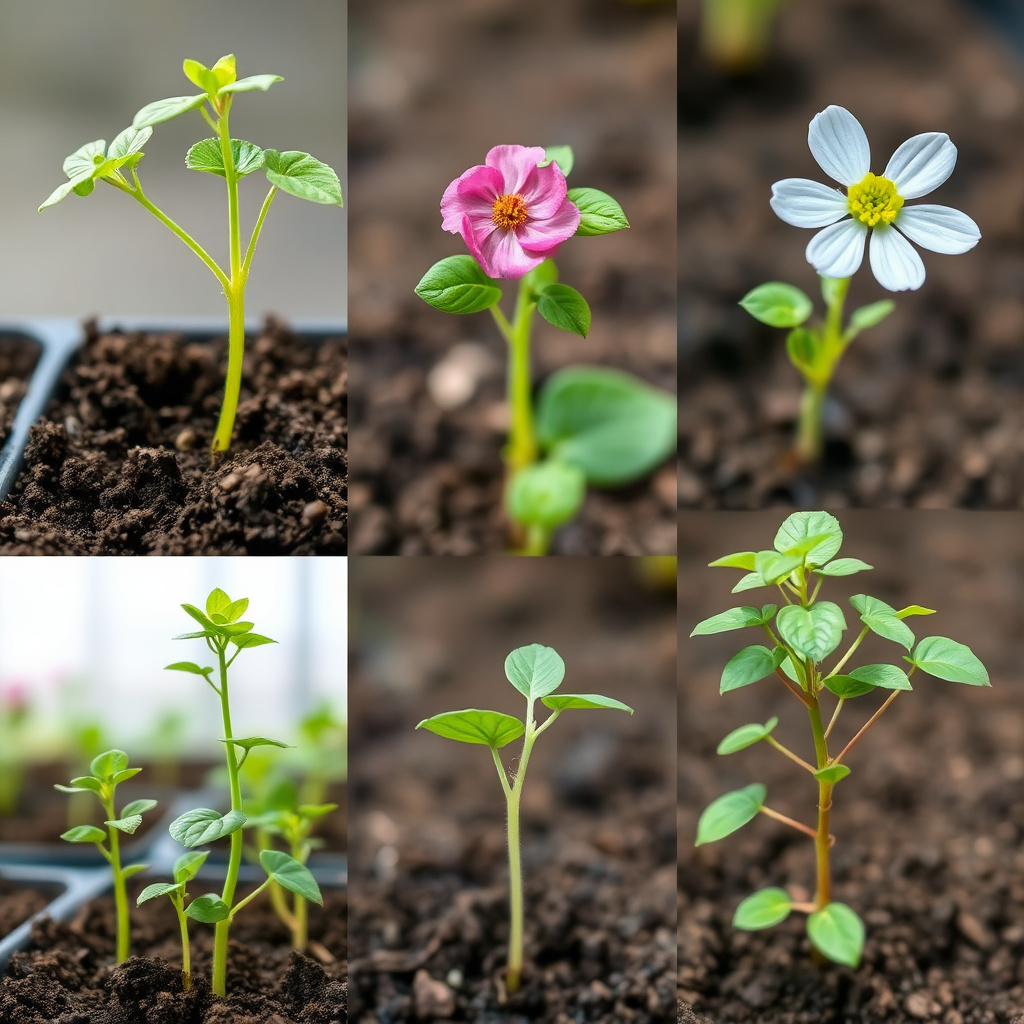
Vegetable seedlings such as tomatoes, peppers, and lettuce require warm soil temperatures around 70-75°F for rapid germination. They typically grow quickly and should be thinned to prevent competition. Some crop-specific needs include providing support for early vine growth or ensuring consistent moisture.
Commercial growers often use trays or flats with controlled watering to standardize seedling quality. Managing light intensity prevents leggy or weak seedlings, which affects yield and transplant success.
For more on this, see our related guide: Understanding Cannabis Plant Growth Stages: A Complete Guide.
Seedlings of Trees and Perennials
Tree and perennial seedlings tend to grow more slowly and are sensitive to root disturbance, which makes transplanting more delicate. These seedlings often require cooler temperatures and longer growing periods in nurseries before outplanting.
Providing adequate space in containers supports healthy root expansion, and gradual acclimation helps reduce transplant shock. Some species germinate in specific seasonal windows aligned with environmental conditions.
Common Mistakes and How to Avoid Them
Overwatering and Underwatering Issues
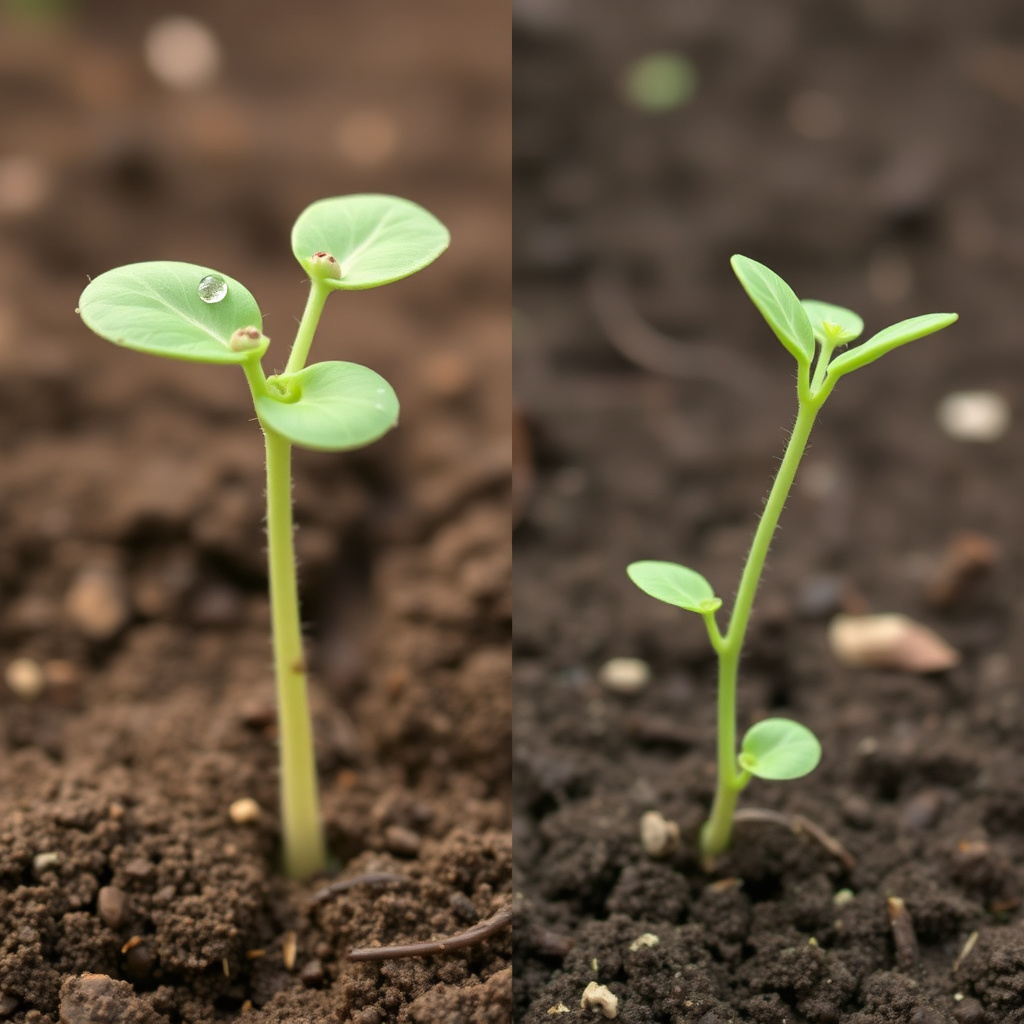
One frequent mistake during the seedling stage is inconsistent watering. Overwatering leads to root rot and fungal diseases, while underwatering causes wilting and slows growth. Both negatively impact seedling survival.
To prevent this, monitor soil moisture carefully using finger tests or moisture meters and provide water only when necessary. Use pots with drainage holes to avoid waterlogging.
For a detailed botanical overview of the seedling stage, you can visit the Seedling stage information on Wikipedia. Seedling stage information on Wikipedia.
Improper Light and Temperature Management
Insufficient light causes seedlings to become leggy, tall, and weak, making them prone to falling over. Excessive heat or cold can also stunt growth or kill seedlings. Balancing light intensity and temperature is crucial for healthy development.
Selecting grow lights with adjustable brightness or placing seedlings in appropriately sheltered spots outdoors can mitigate these risks. Using a thermostat-controlled environment supports stable temperatures.
Seedling Stage Growth Medium Comparison
Here’s how different growth media compare for supporting seedlings during the seedling stage.
| Growth Medium | Water Retention | Aeration | Nutrient Content | Best Use Case |
|---|---|---|---|---|
| Sterile Seed Starting Mix | High | High | Low | Ideal for germination and early seedling care |
| Peat Moss | High | Moderate | Low | Good moisture retention but needs supplementation |
| Coconut Coir | Moderate | High | Low | Environmentally friendly alternative with good aeration |
| Vermiculite | Very High | Moderate | Low | Excellent moisture retention, used in mixes |
| Perlite | Low | Very High | None | Improves aeration and drainage in soil mixes |
Frequently Asked Questions
How long does the seedling stage last?
The seedling stage typically lasts from about two to six weeks, depending on the plant species and growing conditions, until the plant develops several true leaves and a strong root system.
What is the difference between cotyledons and true leaves?
Cotyledons are the initial seed leaves that often look different from mature leaves and serve as nutrient sources. True leaves develop next and resemble the plant’s adult foliage, enabling full photosynthesis.
Can seedlings survive without light?
Seedlings can briefly survive using stored seed nutrients, but they need light soon after germination to perform photosynthesis and continue healthy growth; prolonged darkness causes weak, elongated growth.
How do I protect seedlings from damping-off disease?
Using sterile soil, avoiding overwatering, ensuring good airflow, and applying appropriate fungicides when necessary can reduce damping-off risk, a fungal disease that kills seedlings at the soil line.
When should I start fertilizing seedlings?
Fertilizing should begin once seedlings show a few sets of true leaves, using a diluted, balanced fertilizer to support growth without damaging delicate roots.
Key Takeaways
- The seedling stage is critical for establishing plant structure and function.
- Proper light, water, and soil conditions are essential for seedling growth.
- Seedlings are vulnerable to environmental stress and diseases like damping-off.
- Transition timing to mature plants depends on seedling vigor and leaf development.
Conclusion
Successfully guiding a plant through the seedling stage requires attentive care of its developing roots, leaves, and overall health. This phase shapes the plant’s ability to thrive long term by establishing sturdy tissues and effective energy capture through photosynthesis. Observing seedlings closely and adjusting light, water, and temperature can prevent many common problems and encourage vigorous early plant growth.
Depending on your plant type, specific approaches will vary: vegetable seedlings often need warm, moist conditions with carefully managed light to avoid legginess, while trees and perennials grow more slowly and need gentle hardening before transplantation. Selecting the right growth medium and timing fertilizer applications also impacts seedling success. Understanding these needs helps hobbyists and professionals alike grow resilient young plants.
Once seedlings demonstrate healthy true leaves and stable growth, you can plan their transition to larger containers or outdoor sites. Paying attention to environmental changes during this shift minimizes transplant shock. If you’re starting seeds indoors, using quality seed-starting mixes and grow lights tuned to seedling needs makes a notable difference. By applying these insights and techniques, you set your plants up for a productive life beyond the seedling stage.