Understanding the Difference Between THC and CBD
THC (tetrahydrocannabinol) and CBD (cannabidiol) are two prominent compounds found in cannabis, but they affect the body in very different ways. THC is psychoactive and produces the 'high' sensation commonly associated with marijuana, while CBD is non-psychoactive and is often used for therapeutic benefits without causing intoxication.
Knowing the difference matters because many users seek cannabis-based products for specific effects—THC for recreational use and mind alteration, and CBD for wellness purposes such as pain relief, anxiety reduction, or inflammation control. Understanding how each compound works can help you choose the right product for your needs.
This article will explore how THC and CBD differ chemically and functionally, highlight their effects, potential benefits and side effects, legal status, and guide you in selecting products that suit your health goals or recreational preferences.
Chemical Structure and Interaction with the Body
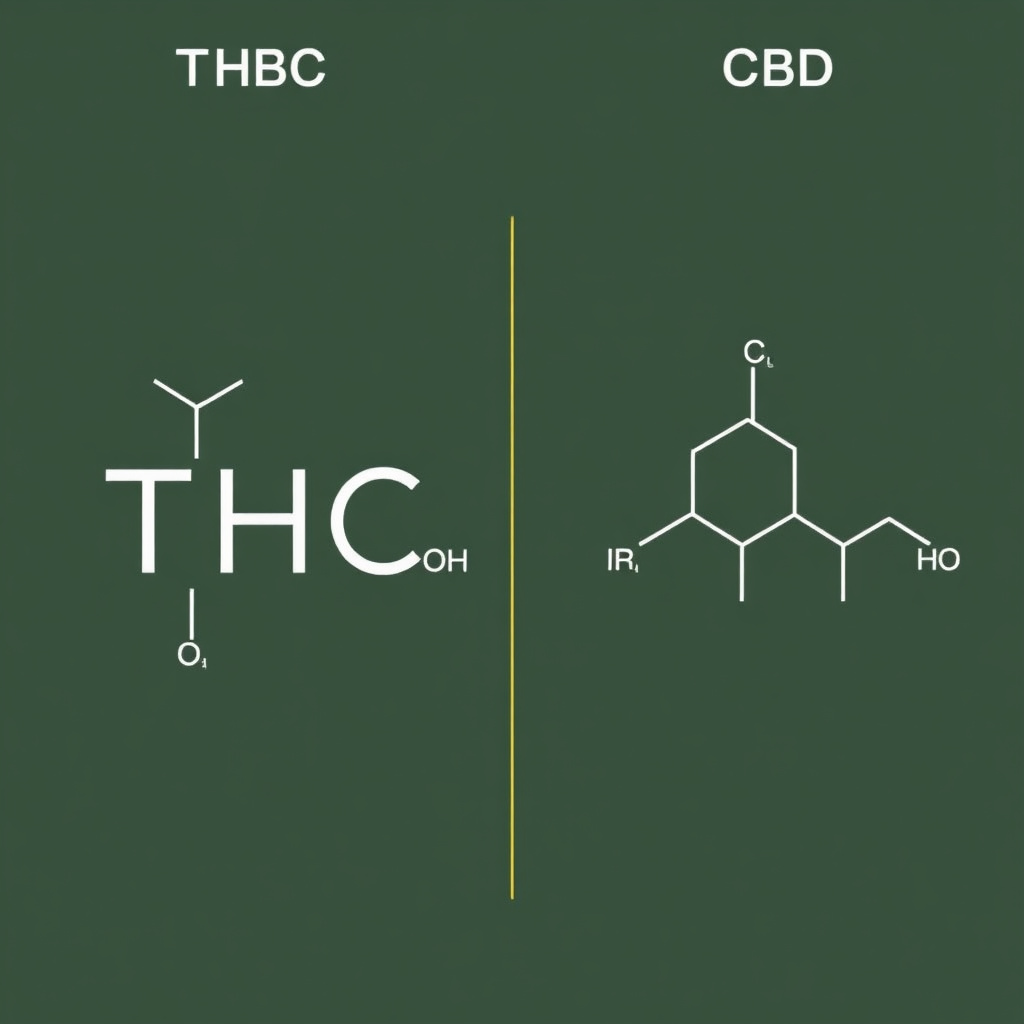
Differences in Molecular Composition
THC and CBD share the same molecular formula (C21H30O2) but differ in the arrangement of atoms, causing them to interact differently within the human body. THC has a cyclic ring structure, while CBD possesses a hydroxyl group, affecting their binding capabilities with cannabinoid receptors.
This subtle chemical difference explains why THC binds directly to CB1 receptors in the brain, causing psychoactive effects, whereas CBD has a weak affinity for CB1 and modulates receptor activity indirectly, resulting in therapeutic benefits without intoxication.
How They Affect the Endocannabinoid System
The endocannabinoid system (ECS) regulates mood, pain, appetite, and memory, among other functions. THC activates CB1 receptors in the ECS, triggering the release of dopamine and eliciting the characteristic euphoric or mind-altering effects.
Conversely, CBD influences the ECS without activating CB1 receptors directly; instead, it modulates receptor signaling, reduces inflammation, and can counteract some of THC's psychoactive effects, providing a calmer, more balanced experience.
Effects and Therapeutic Uses of THC and CBD
Psychoactive Effects of THC
THC induces psychoactive effects such as euphoria, altered perception of time, increased appetite, and relaxation. However, it can also cause anxiety or paranoia in some users if taken in high doses or if sensitive to psychoactive experiences.
Medicinally, THC has been utilized to help with nausea in chemotherapy patients, appetite stimulation in those with wasting diseases, and pain management, but its intoxicating nature can limit its use in certain settings.
Non-Psychoactive Benefits of CBD
CBD is prized for its non-intoxicating properties and has been studied for reducing anxiety, managing chronic pain, and lowering inflammation. It is also used in epilepsy treatment as evidenced by FDA-approved medications.
Because CBD does not cause a high, it is generally well-tolerated and is often preferred by individuals seeking relief without altering mental clarity or daily functioning.
Legal Status and Availability
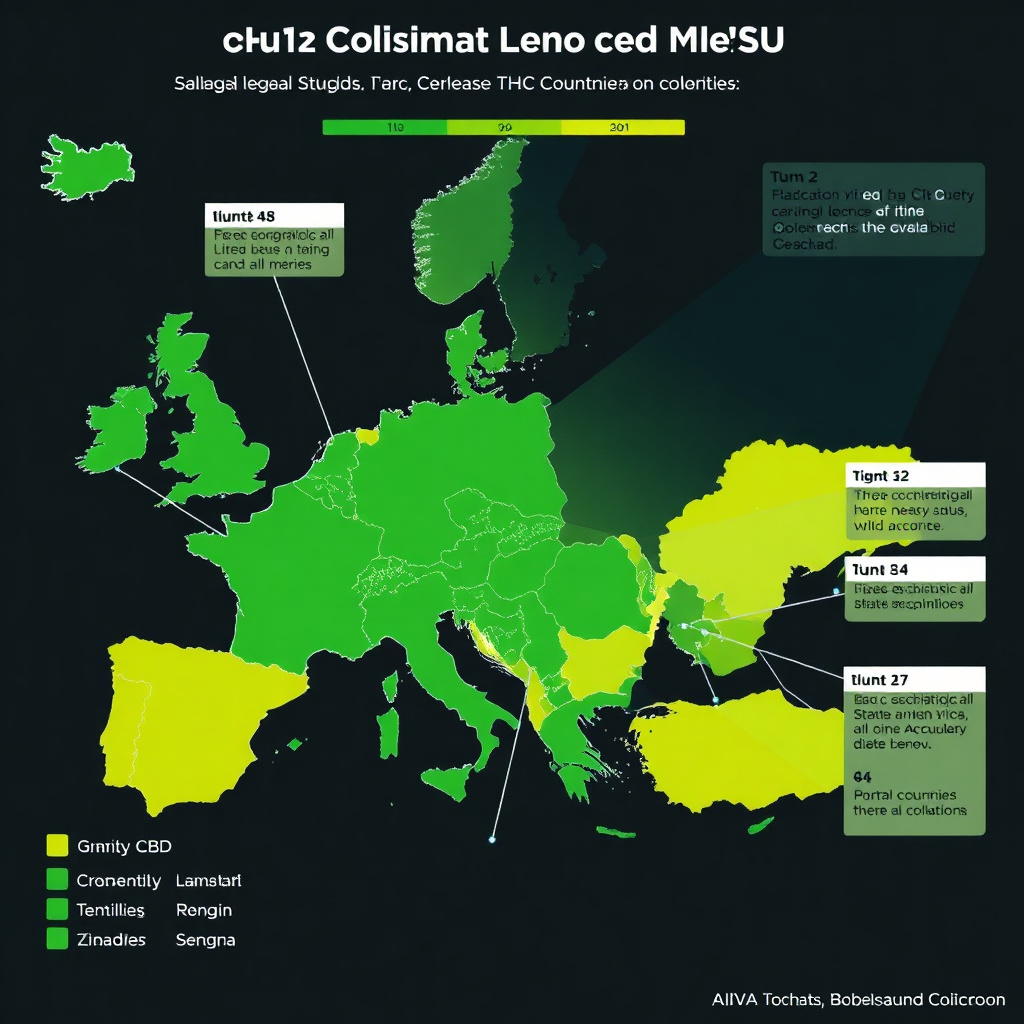
THC Legal Restrictions
THC is classified as a controlled substance in many countries due to its psychoactive effects and potential for abuse. Some regions allow THC for medical or recreational use, but possession limits and regulations vary widely.
Because of legal restrictions, products containing high levels of THC are less accessible, and consumers must verify the legality based on their location to avoid penalties.
For more on this, see our related guide: Are Cannabis Seeds Legal in the USA? Understanding the Legal Landscape.
CBD's More Permissive Legal Landscape
CBD derived from hemp with less than 0.3% THC is legal in many areas and widely sold in oils, creams, edibles, and supplements. However, regulation is still evolving, and product quality or labeling may vary.
Consumers often turn to CBD products for therapeutic uses without legal concerns associated with THC, but should check both federal and local laws due to ongoing changes to regulations.
Side Effects and Safety Considerations
Potential Side Effects of THC
THC can cause side effects including dizziness, dry mouth, paranoia, memory impairment, and increased heart rate. These effects tend to be dose-dependent and can be more pronounced in inexperienced users.
Because of its psychoactive nature, THC can impair motor skills and judgment, making it unsafe to drive or operate machinery under its influence.
Safety Profile of CBD
CBD is generally well-tolerated with few side effects. Some users report fatigue, changes in appetite, or diarrhea when consuming high doses.
It can interact with certain medications by affecting liver enzymes, so consultation with a healthcare provider is recommended before starting CBD, particularly for those on prescription drugs.
Choosing Products Containing THC or CBD
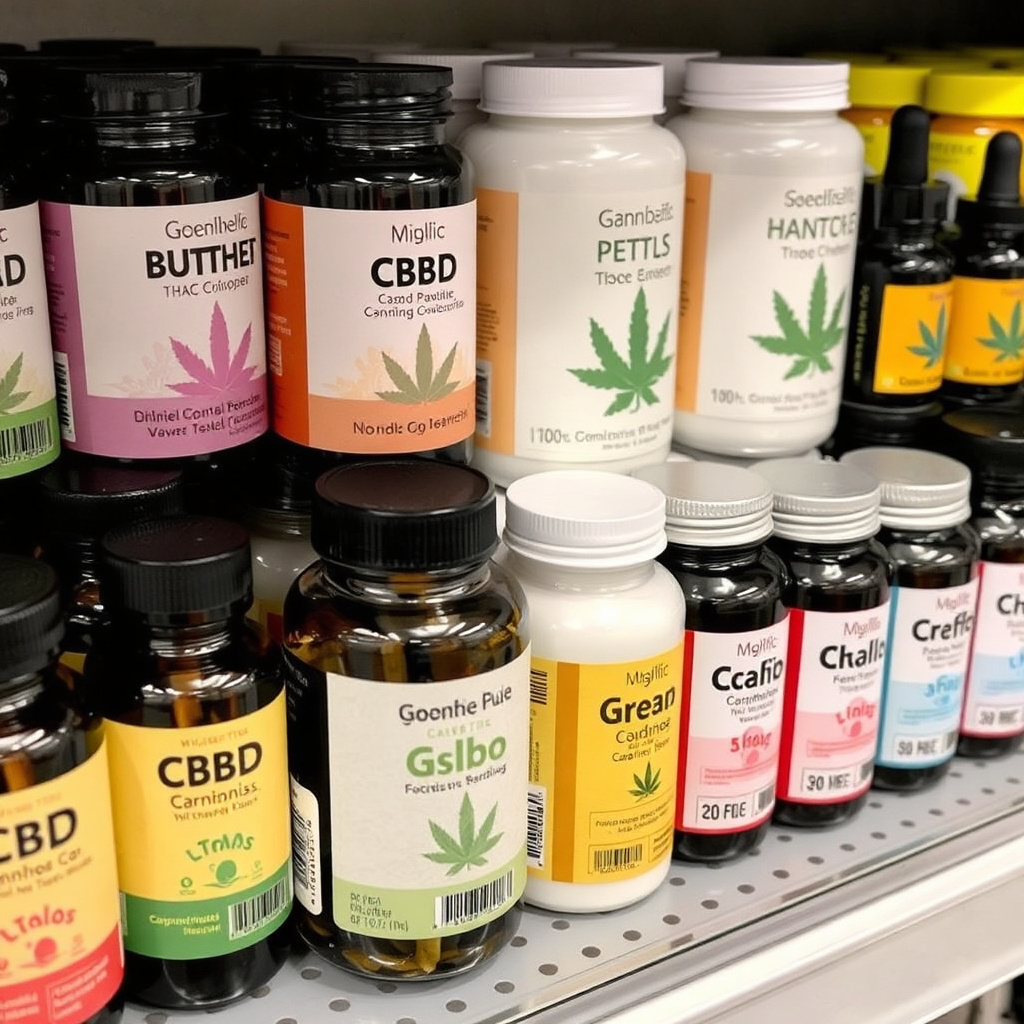
Factors to Consider for THC Products
When selecting THC products, consider potency, method of ingestion (smoking, edibles, tinctures), and intended use. Start with low doses to assess tolerance and avoid unwanted side effects.
Pay attention to the THC concentration indicated, as higher percentages lead to stronger effects and a longer duration of action.
- Start with low doses
- Check THC percentage
- Choose preferred ingestion method
For more on this, see our related guide: Cannabis Strain Lineage Explained: Understanding Origins and Genetics.
Guidelines for Selecting CBD Products
Look for third-party lab testing to verify CBD content and ensure products are free from contaminants. Decide between full-spectrum (includes trace THC), broad-spectrum (THC-free), or CBD isolate forms based on tolerance and legal considerations.
Consider product type based on absorption preference: oils and tinctures for fast effects, topical creams for local relief, or edibles for longer-lasting but slower onset.
- Verify third-party testing
- Choose spectrum type
- Select preferred product form
Interactions and Combined Use of THC and CBD
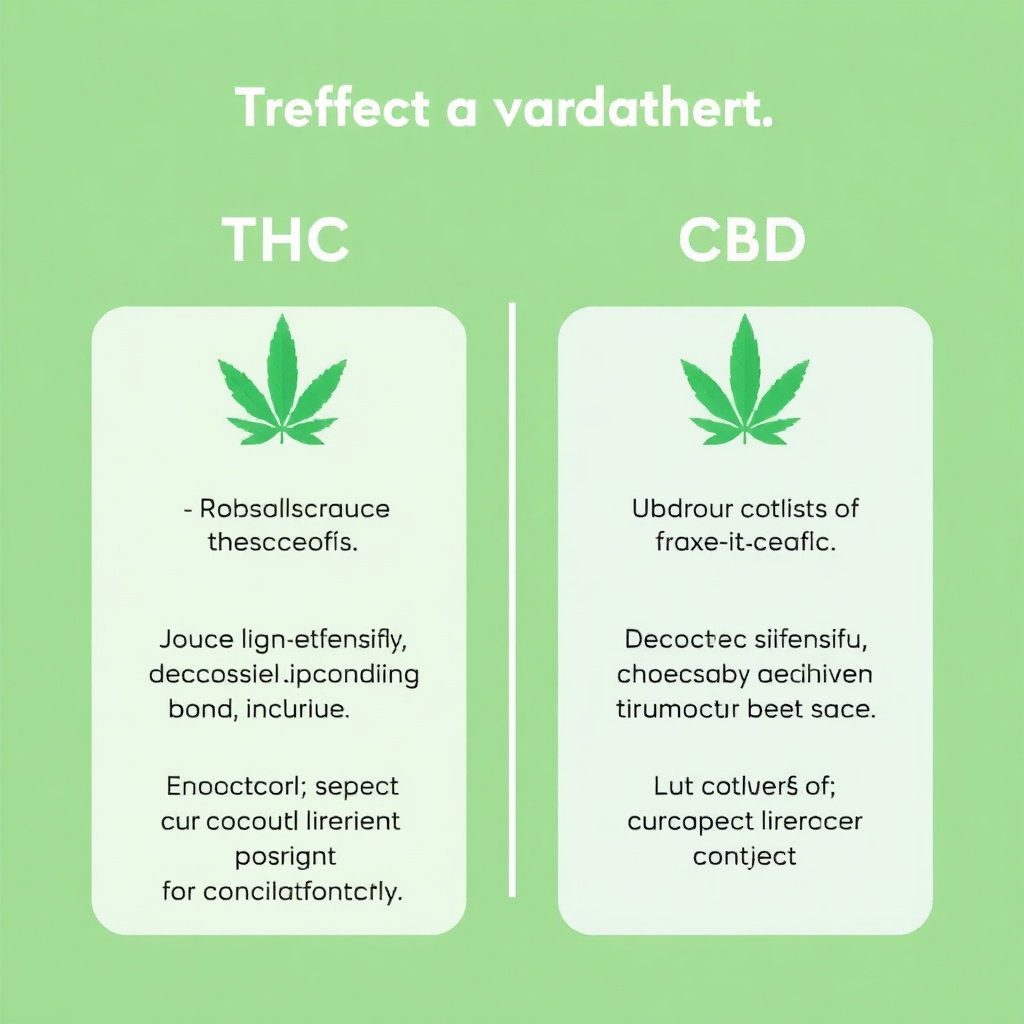
How CBD Modifies THC Effects
CBD can mitigate some psychoactive effects of THC, reducing anxiety or paranoia induced by THC consumption. This occurs because CBD influences the way THC binds to cannabinoid receptors.
Combining both compounds in balanced ratios may provide therapeutic benefits with fewer unwanted side effects, a principle used in medical cannabis formulations.
For a detailed scientific overview of THC, CBD, and other cannabis compounds, refer to Cannabinoids on Wikipedia. Cannabinoids on Wikipedia.
Considerations for Using Both Together
Users combining THC and CBD should start with low doses and observe the effects carefully, as individual tolerance varies. The entourage effect hypothesizes that cannabinoids working together can provide enhanced benefits.
Consulting healthcare professionals familiar with cannabis therapies can guide optimal dosing and product selection for combined THC and CBD use.
THC vs. CBD: Cannabinoid Category Comparison
This table compares key factors between THC and CBD to help clarify their differences and uses.
| Characteristic | THC | CBD |
|---|---|---|
| Psychoactive Effects | Produces euphoria and mind-altering effects | Non-psychoactive, no high |
| Common Uses | Recreational, pain relief, nausea control | Anxiety reduction, inflammation, seizure management |
| Legal Status (US) | Controlled substance; legal in some states for medical/recreational use | Legal if derived from hemp and below 0.3% THC |
| Side Effects | Anxiety, paranoia, dry mouth, dizziness | Generally mild: fatigue, appetite changes |
| Interaction with ECS | Binds mainly to CB1 receptors | Modulates CB1 and other receptor activity indirectly |
| Product Forms | Flower, edibles, oils, concentrates | Oils, capsules, topicals, edibles |
Frequently Asked Questions
Can CBD get you high like THC?
No, CBD does not cause intoxicating effects or alter your mental state like THC does. It is non-psychoactive and won't produce a high.
Is it safe to use THC and CBD together?
Yes, many people combine THC and CBD for combined effects. CBD may reduce some side effects of THC, but dosing carefully is important.
Will THC show up positive on a drug test?
Yes, THC use can result in positive drug test results because most standard tests look for THC metabolites.
Does CBD have any side effects?
CBD is generally well tolerated but can cause mild side effects like fatigue, appetite changes, or diarrhea in some users.
Are CBD products legal everywhere?
Not everywhere. CBD legality varies by country and region, especially depending on THC content and local laws.
Key Takeaways
- THC produces psychoactive effects, while CBD does not.
- Both cannabinoids interact differently with the body's endocannabinoid system.
- THC is more restricted legally; CBD is widely available from hemp sources.
- Combining THC and CBD may provide balanced therapeutic effects.
Conclusion
Choosing between THC and CBD depends on your goals: whether you seek psychoactive effects or therapeutic benefits without intoxication. Understanding their distinct chemical structures and how they interact with cannabinoid receptors in your body helps clarify why their effects differ so notably. This foundation supports making informed decisions for health or recreational use.
If you want relief from conditions like anxiety, inflammation, or epilepsy symptoms without the feeling of being 'high,' CBD products derived from hemp offer an accessible and legally permissible option. On the other hand, if you desire mood elevation, pain relief linked to muscle spasms, or appetite stimulation, THC-containing products may be appropriate—especially where legally available. For some, combining both cannabinoids yields enhanced therapeutic value through their interplay.
Before trying THC or CBD products, research local laws, verify product quality, and consider consulting a healthcare professional to tailor choices safely. Starting with low doses and monitoring effects is advisable to find what best suits individual needs. Approach this with awareness that each cannabinoid influences your body's chemistry uniquely, shaping your personal experience.