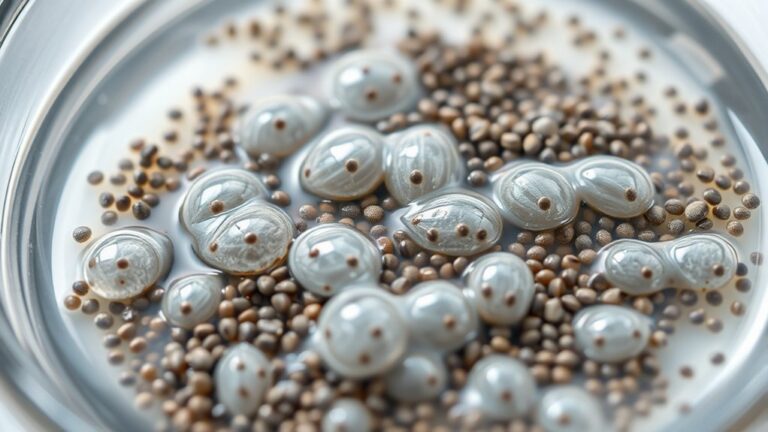
Can Dogs Have Sesame Seeds?
Many dog owners worry about giving their furry friends new treats or snacks and often wonder, “Are sesame seeds safe for my dog?”
You’re not alone—navigating what’s safe and what’s not can be confusing.
Yes, dogs can have small amounts of plain sesame seeds, but you should introduce them carefully and watch for any signs of allergies or digestive issues.
Make sure the seeds are free of salt, sugar, or seasonings, and serve in moderation—about a teaspoon for small dogs or a bit more for larger ones.
It’s important to monitor your dog’s reaction and consult your vet for personalized advice if you’re unsure.
Keep going to learn more about keeping your pup safe and healthy.
Key Takeaways
- Sesame seeds are generally safe for dogs in small, plain amounts without seasonings or salt.
- Keep an eye out for signs of allergies like itching, swelling, or upset stomach after giving them.
- Serve in moderation to prevent choking or stomach issues, especially for small dogs.
- Remove shells and avoid giving whole seeds to lower the choking risk.
- It’s always best to check with your vet before adding sesame seeds to your dog’s diet, especially if your dog has allergies.
Are Sesame Seeds Safe for Dogs?
Sesame seeds are generally safe for dogs to eat in small amounts, but it’s important to consider a few key factors. First, be aware of sesame allergies. Some dogs can develop allergic reactions, which may include itching, swelling, or difficulty breathing. If your dog shows any signs of allergies, avoid giving sesame seeds altogether.
Second, think about how sesame seeds affect your dog’s digestion. While they contain beneficial nutrients, too many can cause stomach upset or diarrhea. Always start with a small amount to see how your dog handles them. Also, make sure the seeds are plain and free of added salt, sugar, or seasonings, which can be harmful.
What Are Sesame Seeds?
Sesame seeds are tiny, oil-rich seeds from the sesame plant, which comes from parts of Asia and Africa.
These small seeds are packed with nutrition, providing protein, healthy fats, fiber, vitamins, and minerals like calcium and magnesium.
Sesame seeds offer essential nutrients like protein, healthy fats, fiber, calcium, and magnesium for a nutritious boost.
Because they’re so nutritious, people often add sesame seeds to their diets for extra health benefits.
You’ll see them used in many ways—sprinkled on salads, mixed into baked goods, or as toppings for sushi and bread.
Their nutty flavor adds richness to both sweet and savory dishes, making them very versatile in the kitchen.
Sesame seeds are also pressed to make sesame oil, a popular ingredient in cooking and dressings.
Do Sesame Seeds Benefit Your Dog’s Health?
Are sesame seeds good for your dog? Well, they do have some nutrients like healthy fats, vitamins, and minerals that might give your pup a little boost. But before you start sprinkling them on your dog’s food, it’s smart to think about both the good and the bad.
You see, while sesame seeds can offer certain health perks, there are also some risks to keep in mind. Knowing a bit about these factors can help you decide if sesame seeds are a safe and beneficial treat for your furry friend.
Nutritional Content of Sesame
Rich in healthy fats, protein, and essential nutrients, sesame seeds pack a nutritional punch that can benefit your dog’s health when given in moderation. They offer notable benefits like fiber, calcium, magnesium, and B vitamins, which support overall wellness.
Different seed varieties, such as white, black, and hulled sesame seeds, contain similar nutrients but vary slightly in flavor and texture. White sesame seeds are the most common, while black sesame seeds have higher antioxidant levels.
Including small amounts of these seeds can add nutritional value to your dog’s diet, but always be mindful of portion size. Remember, sesame seeds should complement a balanced diet, not replace your dog’s regular food.
Always consult your vet before introducing new foods to ensure they’re safe for your pet.
Potential Health Benefits
Incorporating small amounts of sesame seeds into your dog’s diet can offer several health benefits. These seeds are packed with nutrients that support your dog’s overall well-being.
Sesame seeds contain healthy fats, antioxidants, and minerals like calcium, magnesium, and zinc, which can promote healthy bones, a shiny coat, and strong teeth. They also have anti-inflammatory properties that may help reduce joint discomfort.
Plus, the antioxidants help fight free radicals, contributing to your dog’s immune health. While sesame seeds aren’t a main food source, including them in moderation can complement a balanced diet and boost your dog’s health.
Just remember, moderation is key, and it’s always best to check with your vet before adding new foods to your pet’s routine.
Risks and Precautions
Although sesame seeds can provide health benefits for your dog, they also come with some risks you should be aware of before feeding them. Sesame seed toxicity is rare but can happen if your dog eats a large amount, possibly causing stomach upset or allergic reactions.
Overfeeding sesame seeds may upset your dog’s digestion, leading to diarrhea or vomiting. To stay safe, start with small amounts and watch for any adverse effects.
To reduce risks, serve sesame seeds in moderation and avoid giving your dog large quantities. Keep an eye out for signs of upset or allergic reactions, and consult your vet if you’re unsure.
Are There Risks of Giving Sesame Seeds to Dogs?
Giving sesame seeds to your dog might seem like a harmless treat, but there are some risks you should keep in mind. For example, your dog could have an allergic reaction, which might cause discomfort or even more serious health problems. It’s always good to watch for any signs of allergy, like itching, swelling, or difficulty breathing.
You also want to be careful about choking, especially if your dog tends to swallow treats whole without chewing. Sesame seeds are small and can be a choking hazard if your dog bites off a large amount at once. Knowing these potential risks can help you decide if sesame seeds are a safe treat option for your furry friend.
Potential Allergic Reactions
While sesame seeds are generally safe for many dogs in small amounts, some pets can develop allergic reactions that pose health risks. If your dog shows signs of allergy symptoms, it’s important to act quickly.
Certain dog breeds may be more prone to allergies, but any dog can have a reaction. Watch for symptoms like itching, swelling, difficulty breathing, vomiting, or diarrhea. An allergic response can get worse if not addressed promptly.
Key points to remember:
- Not all dogs react the same way
- Breeds with sensitive immune systems are at higher risk
- Allergic reactions can be mild or severe
- Immediate vet attention is crucial if symptoms appear
- Avoid giving sesame seeds if your dog has a history of allergies
Choking Hazard Concerns
Sesame seeds can pose a choking risk for dogs, especially if they’re given in large amounts or without watching them closely. Their small size makes it easy for dogs to accidentally swallow them whole, which increases the risk of choking.
If your dog tries to gulp down a handful at once, it could get stuck in their throat, making it hard for them to breathe. Always keep an eye on your dog when offering sesame seeds, and try to give them in small, manageable amounts.
Breaking the seeds into even smaller pieces can help lower the risk further. Remember, every dog is different—size and chewing habits vary. Be cautious, especially if your dog tends to swallow quickly or has trouble chewing.
Avoid giving sesame seeds if your dog shows signs of rushing or difficulty chewing. Safety is always the top priority when trying new foods.
How Much Sesame Seed Is Safe for Your Dog?
A small amount of sesame seeds is generally safe for dogs, but moderation is key. The safe serving size depends on your dog’s size and overall health. Usually, a teaspoon or less works for smaller dogs, while bigger dogs can handle a bit more.
It’s best to give sesame seeds as an occasional treat instead of daily snacks. Overdoing it might upset your dog’s stomach or lead to weight gain.
Keep these points in mind:
Always monitor your dog’s response and consult your vet for safe serving sizes.
- Stick to small portions to prevent stomach issues.
- Use sesame seeds as an occasional treat, not a regular addition.
- Watch for any signs of discomfort after feeding.
- Consult your vet if you’re unsure about serving sizes.
- Remember, moderation helps avoid potential health risks.
Recognizing Allergies or Digestive Issues in Dogs
Even small amounts of sesame seeds can cause unexpected reactions in some dogs. Watch for allergy symptoms like itching, swelling, or redness around the face and ears.
If your dog starts scratching or develops hives, it could be a sign of an allergic response. Digestive upset is common too, so keep an eye out for vomiting, diarrhea, or excessive gas after trying sesame seeds.
These signs may mean your dog is sensitive or intolerant. Symptoms can show up quickly or develop over time, so paying attention is important.
If you notice any reactions, stop giving sesame seeds right away and contact your vet. Recognizing allergy signs and digestive issues early can help prevent more serious problems.
Always remember, even foods that seem harmless can cause problems. Be cautious when introducing new treats or snacks to your dog’s diet.
Preparing Sesame Seeds for Your Dog Safely
To guarantee your dog safely enjoys sesame seeds, it’s essential to prepare them properly before offering them as a treat. Start by choosing plain, unsalted sesame seeds.
Use safe sesame preparation methods, such as roasting lightly or serving raw, but avoid adding oils, salt, or spices. Always keep dog serving sizes small—about a teaspoon for small dogs or a tablespoon for larger ones—to prevent digestive issues.
Remember, moderation is key, and too many seeds can upset your dog’s stomach.
- Use plain, unsalted sesame seeds
- Roast lightly or serve raw, avoiding seasoning
- Always measure portions for dog serving sizes
- Remove any shells if they seem difficult to digest
- Observe your dog for any adverse reactions after trying sesame seeds
Alternatives to Sesame Seeds for Healthy Dog Snacks
If you’re looking for healthy seed alternatives for your dog, there are plenty of options to consider. Chia seeds, flax seeds, and pumpkin seeds can all be good choices in moderation, offering beneficial nutrients without any harm. Just remember, moderation is key to keep your pup safe.
You might also want to try some safe snack options like sliced fruits or vegetables. Things like apple slices, carrots, or green beans can be a great way to add some essential vitamins to your dog’s diet. They’re tasty and healthy, and most dogs love them!
For homemade treats, simple recipes using ingredients like peanut butter or oats are always a hit. You can make easy, nutritious snacks that your dog will enjoy, knowing you’re giving them something wholesome and delicious.
Nutritious Seeds Alternatives
When looking for nutritious seeds to include in your dog’s diet, there are healthy alternatives to sesame seeds that can give them essential nutrients without causing digestion issues. These options are great seed substitutes, offering health benefits without any adverse effects.
You might consider chia seeds, which are packed with omega-3s and fiber, or flaxseeds, rich in healthy fats and lignans. Pumpkin seeds are high in zinc and magnesium, making them a nutritious choice.
Sunflower seeds are loaded with vitamin E and selenium, while hemp seeds provide complete protein along with omega fatty acids. Incorporating these seeds can boost your dog’s diet with important nutrients while still being safe and easy to digest.
Safe Snack Options
Looking for healthy snack options for your dog that are safe and tasty? You can choose from a variety of dog treats that promote health without risking allergies or digestion issues.
These alternatives are easy to prepare and satisfy your pup’s cravings. Consider options like plain cooked carrots, apple slices (without seeds), or small pieces of cooked chicken.
These healthy snacks provide nutrients and are generally well-tolerated. Here’s a quick comparison:
| Snack Option | Benefits | Serving Tips |
|---|---|---|
| Carrots | Low calorie, high fiber | Serve raw or lightly cooked |
| Apple Slices | Vitamin C, antioxidants | Remove seeds, serve in small pieces |
| Cooked Chicken | Protein-rich, lean | Remove bones, serve plain |
These treats are safe, nutritious, and perfect for rewarding your dog.
Homemade Treat Ideas
For pet owners interested in homemade treats, there are plenty of nutritious and tasty options that serve as great alternatives to sesame seeds. You can experiment with treat recipes that use safe, dog-friendly ingredients, making snack time both healthy and enjoyable. When creating treat recipes, consider ingredient substitutions like pumpkin, blueberries, or shredded carrots to add flavor and nutrients. These options provide variety and are easy to incorporate into your baking.
Mashed sweet potatoes, cooked pumpkin or squash, finely chopped spinach, unsweetened apple sauce, and plain Greek yogurt are great alternatives. Using these ingredients, you can craft delicious, healthy treats tailored to your dog’s preferences. These substitutions help you avoid sesame seeds while still offering tasty snacks that support your pet’s well-being.
What Veterinarians Say About Dogs and Sesame Seeds
Veterinarians generally agree that sesame seeds are not toxic to dogs, but they advise caution when introducing them into your pet’s diet. According to veterinary insights, small amounts of sesame seeds are safe and can even offer nutritional benefits like healthy fats and minerals.
However, they warn against overfeeding, as too many seeds may cause digestive upset or pose a choking hazard. Many pet owners have misconceptions about sesame seed safety, often fearing toxicity where none exists.
Veterinarians emphasize that moderation is key and that sesame seeds should only be an occasional treat, not a regular part of your dog’s diet. They also advise consulting your vet before adding sesame seeds or any new food to your dog’s meals, especially if your pet has underlying health issues or allergies.
Sharing Human Food With Your Dog: Tips and Guidelines
Sharing human food with your dog can be a great way to bond and add some variety to their diet. Just remember, it’s important to be cautious and thoughtful about what you share.
Always follow human food guidelines and think about your dog’s specific dietary needs before offering any treats. Not all human foods are safe—they can cause allergies or even be toxic.
Keep these tips in mind to keep your dog healthy: give small portions and avoid overfeeding. Make sure to remove any seasoning, salt, or additives from the food you share.
Stay away from foods that are known to be toxic, like chocolate or onions. When trying new foods, introduce them slowly and watch for any reactions.
And don’t hesitate to ask your vet for advice tailored to your dog’s diet. It’s the best way to keep your furry friend safe and happy.
Frequently Asked Questions
Can Sesame Seeds Cause Choking in Dogs?
Yes, sesame seeds can pose a choking risk for dogs, especially if they’re not chewed well. Small seeds might get stuck in their throat or windpipe, which can cause choking.
Plus, sesame seeds are tough to digest. Eating a lot of them could lead to digestive problems. Always supervise your dog when giving treats and avoid giving large amounts of sesame seeds.
If you think your dog is choking, get veterinary help right away.
Are Roasted Sesame Seeds Safer Than Raw Ones for Dogs?
You might notice that roasted sesame seeds are a bit safer than raw ones because roasting reduces some risk factors like bacteria.
But keep in mind that sesame seeds do have health benefits, like healthy fats and nutrients.
Still, sesame seeds can pose risks such as choking or digestive issues if given in large amounts.
Always give small portions, watch for allergies, and check with your vet before adding roasted sesame seeds to your dog’s diet.
How Do Sesame Seeds Compare to Other Dog Treats?
Sesame seeds offer some nutritional benefits like healthy fats, calcium, and protein, making them a decent alternative treat.
However, they’re small and can be tricky to portion safely.
Compared to other treats, they’re lower in sugar and additives but lack the flavor variety most dogs enjoy.
Use sesame seeds sparingly, and think of them more as a supplement rather than a primary treat.
Always keep an eye out for allergies or digestive upset when giving them to your dog.
Can Sesame Seeds Help With a Dog’s Coat Health?
Sesame seeds can support your dog’s coat health with their rich nutritional benefits. Imagine a glossy, shimmering coat that reflects sunlight. Those tiny seeds pack healthy fats, vitamins, and minerals like calcium and zinc, which nourish and strengthen fur.
Incorporating sesame seeds in small amounts may promote coat nourishment, making your dog’s fur softer, shinier, and more resilient. Just remember to consult your vet for proper dosage and suitability.
Are Organic Sesame Seeds Better for Dogs Than Non-Organic?
Organic sesame seeds are generally better for your dog because they offer superior nutritional benefits and are free from pesticides and chemicals. When you choose organic, you’re giving your pet a cleaner, more wholesome snack that keeps the natural nutrients intact.
These nutrients include healthy fats, calcium, and fiber, which can support your dog’s overall health and coat. Choosing organic options makes for a smarter way to include sesame seeds in your dog’s diet.
Conclusion
Think of sesame seeds as tiny treasures—small but meaningful. When given with care and awareness, they can be a safe treat, adding a sprinkle of variety to your dog’s diet.
Just like a key opens a door, moderation creates the path to healthy snacking. Remember, your vigilance is the guiding light that keeps your beloved companion safe and happy.
With thoughtful choices, you’re the gardener nurturing a vibrant, balanced life for your dog. And when it comes to sesame seeds, it’s best to consult your vet to ensure they fit into your pup’s diet safely.