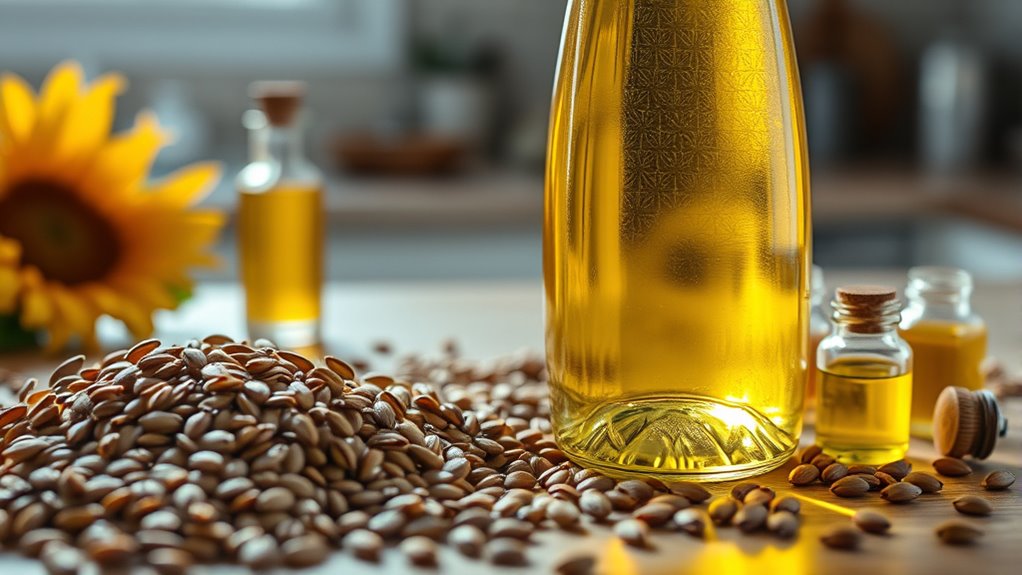
What Makes Seed Oils Bad for You?
Many people struggle with making healthy food choices, especially when it comes to oils. You’re not alone in wondering which oils are best for your health and which ones might be doing more harm than good.
Seed oils are often harmful because they contain high levels of omega-6 fatty acids, which can promote inflammation when consumed excessively.
Most seed oils undergo heavy processing, stripping away nutrients and creating harmful compounds like trans fats and oxidation byproducts that can damage your cells.
This imbalance and refined nature may increase your risk of chronic diseases and heart problems.
To learn how to make healthier choices and protect your health, keep exploring the facts behind seed oils.
Key Takeaways
- High omega-6 fatty acid content in seed oils can promote chronic inflammation when eaten in excess.
- Processing methods like refining and chemical extraction may strip away nutrients and leave behind harmful residues.
- Oxidized seed oils produce free radicals, which increase oxidative stress and can damage cells.
- Partial hydrogenation during processing can create trans fats, linked to inflammation and heart disease.
- Relying too much on seed oils might mess up your omega-3 to omega-6 balance, hurting your overall health.
Are Seed Oils Harmful? What You Need to Know
Are seed oils truly harmful to your health? The history shows they’ve been widely used for decades, especially in processed foods.
Some experts argue that their high omega-6 fatty acid content may promote inflammation and potentially increase health risks. When you compare nutrition labels, seed oils often have more polyunsaturated fats than traditional fats like butter or lard.
Some experts warn that high omega-6 levels in seed oils may promote inflammation and health risks.
This might seem good, but the imbalance between omega-6 and omega-3 fats can be a problem. Seed oils are calorie-dense and often used for frying or baking.
Their health impacts depend on your overall diet and how much you consume. Some studies suggest that overusing seed oils can contribute to chronic inflammation and related diseases.
However, moderate use within a balanced diet might not pose significant risks for everyone. To make smart choices, consider the history, composition, and your personal health needs when evaluating seed oils.
How Are Seed Oils Made, and Are They Safe?
You might be surprised to learn how seed oils are actually made. Usually, they’re extracted either by pressing the seeds or using chemical solvents. It’s a bit of a process, and each method has its own implications.
These methods can sometimes affect the oil’s healthfulness. For example, chemical extraction might leave behind residues, and the processing can change some of the natural nutrients in the oil. Understanding how these oils are made can help you decide whether to include them in your diet or not.
Extraction Methods Explained
Seed oils are extracted through different methods that can affect their purity and safety. One common way is cold pressing, which uses minimal heat and chemicals, helping to keep more nutrients and avoid harmful residues. This method results in cold pressed oils, which are often seen as more natural and less processed.
On the other hand, refining involves heating, chemical solvents, and bleaching to get more oil and make it look better. These steps can strip away nutrients and may introduce contaminants. Some refining techniques can also create trans fats or leave residual chemicals that might be harmful.
Understanding these methods helps you judge the quality of seed oils. Cold pressing offers a gentler extraction process, while highly refined oils go through extensive processing. This can reduce their nutritional value and possibly add unwanted substances.
Health Impact of Processing
The way seed oils are processed directly impacts their safety and health effects. Harsh methods like chemical extraction and high-heat refining can create health risks by forming trans fats and harmful compounds.
These processes often strip away beneficial nutrients, reducing the oils’ natural antioxidants and vitamins. As a consumer, being aware of processing methods helps you make better choices about oil quality.
Many processed seed oils contain residual solvents or oxidation products linked to inflammation and chronic diseases. Understanding how processing affects seed oils highlights the importance of choosing minimally processed options.
Ultimately, the health risks associated with heavily processed oils emphasize the need for better consumer awareness and more transparent labeling.
Omega-6 Fatty Acids in Seed Oils and Inflammation
Omega-6 fatty acids, prevalent in many seed oils, play an essential role in the body’s inflammatory response. However, an omega-6 imbalance can tip the scale toward excessive inflammation, which is linked to chronic diseases like heart disease and arthritis.
When you consume too many seed oils high in omega-6s, your body produces inflammatory compounds more frequently. While these fats are necessary for cell function and immune response, too much can trigger a persistent inflammation that damages tissues over time.
This imbalance disrupts the healthy omega-3 to omega-6 ratio, which is vital for maintaining balanced inflammation. If your diet is heavy on seed oils, you might unknowingly promote a state of chronic, low-grade inflammation.
Recognizing this, reducing intake of omega-6-rich seed oils can help restore balance and lower the risk of inflammation-related health issues. It’s about finding the right ratio to support overall health.
How Processing Creates Harmful Compounds in Seed Oils
When seed oils go through processing, they can end up with some pretty harmful compounds. For example, during high-heat refining, trans fats might form, which aren’t great for your heart health.
Plus, the process can cause oxidation, leading to unstable compounds that can trigger inflammation and even damage your cells. So, it’s like the very process meant to make oils more stable can sometimes turn them into something less healthy.
Formation of Trans Fats
During the processing of seed oils, high heat and chemical treatments can trigger chemical reactions that produce trans fats, which are harmful to your health.
Trans fat formation happens when unsaturated fats are exposed to intense heat, causing their molecules to rearrange into a more stable, unnatural shape.
These trans fats are linked to increased bad cholesterol levels and a higher risk of heart disease.
Eating trans fats regularly can also lead to inflammation and insulin resistance, making your overall health worse.
Many processed seed oils go through refining at high temperatures, so they often contain trans fats without you even realizing it.
Understanding this process can help you make smarter choices, cut back on these harmful compounds, and protect your heart health.
Generation of Oxidized Compounds
Processing seed oils at high temperatures can create harmful oxidized compounds that impact your health. These compounds form when oils are exposed to heat, light, or air during refining, leading to free radicals that cause oxidative stress in your body.
Oxidized compounds boost your levels of inflammatory markers, promoting chronic inflammation linked to serious issues like heart disease and insulin resistance. Eating these damaged molecules can overwhelm your body’s antioxidant defenses, causing cellular damage.
Over time, increased oxidative stress and inflammation can weaken your immune response and speed up aging. To stay healthier, it’s best to limit your intake of highly processed seed oils and opt for minimally refined, cold-pressed options whenever possible.
Do Seed Oils Increase Your Risk of Chronic Diseases?
Many experts question whether consuming large amounts of seed oils actually raises your risk of chronic diseases. Research shows that high intake may contribute to chronic inflammation, which underlies conditions like metabolic syndrome and cardiovascular risks.
Seed oils often have an imbalanced fatty acid ratio, rich in omega-6s, which can promote inflammation markers in your body. This imbalance may disrupt your dietary balance and increase the likelihood of developing health issues over time.
Seed oils high in omega-6s can promote inflammation and disrupt your dietary balance over time.
However, some health studies suggest that moderate consumption of seed oils isn’t necessarily harmful, especially if paired with nutritional alternatives like olive oil or avocados. The key is moderation and understanding how seed oils fit into your overall diet.
If you focus on maintaining a healthy fatty acid ratio and include anti-inflammatory foods, you can reduce potential risks. Ultimately, your diet’s quality and balance play a big role in managing chronic inflammation and related diseases.
What Happens When Seed Oils Are Oxidized or Contain Trans Fats?
When seed oils are exposed to heat, light, or air, they can become oxidized, forming harmful compounds that may damage your cells. Oxidized oils generate free radicals, which increase oxidative stress in your body. This stress can overwhelm your cells’ defenses, leading to cellular damage and speeding up aging.
Furthermore, trans fats often form during partial hydrogenation of seed oils. Eating trans fats triggers a strong inflammatory response. This inflammation can contribute to chronic health problems like insulin resistance and metabolic syndrome.
When your body detects these harmful compounds, it activates inflammation to repair damage. But if this inflammation persists, it can harm tissues and organs. Regularly consuming oxidized seed oils and trans fats may weaken your health, promoting inflammation and oxidative stress linked to many chronic diseases.
Avoiding these oils can help reduce cellular damage and support better long-term health.
Are Seed Oils Good or Bad for Heart and Brain Health?
Are seed oils beneficial or harmful for your heart and brain health? The answer depends on how they influence your cholesterol levels, inflammation response, and overall dietary balance.
Some seed oils, high in omega-6 fatty acids, can promote inflammation if eaten excessively, which might harm your heart. But they can also support brain function by providing essential fats needed for thinking and memory.
Seed oils high in omega-6 fats can promote inflammation but also support brain health through essential nutrients.
The effects of seed oils are complex. They can help your body absorb nutrients better or, if overused, contribute to unwanted weight gain. When used in moderation as part of a balanced diet, seed oils may help keep your cholesterol levels healthy and support brain activity.
However, eating too much can lead to oxidative stress, which might impair thinking skills and increase heart risks. Understanding how seed oils affect these factors helps you make smarter choices for your heart and brain health.
In the end, moderation and variety in your diet are key. They help you enjoy the potential benefits of seed oils while avoiding potential downsides.
What Are the Best Cooking Fats Instead of Seed Oils?
If you’re looking for healthier alternatives to seed oils for cooking, you’ll want to consider fats that offer nutritional benefits without potential downsides. Good options include extra virgin olive oil, which is high in monounsaturated fats and antioxidants that support heart health.
Avocado oil is another great choice—it’s stable at high temperatures and packed with healthy fats. Coconut oil can be used sparingly; it contains saturated fats, but some studies suggest it may have unique benefits when enjoyed in moderation.
Grass-fed butter provides healthy fats and fat-soluble vitamins, making it a flavorful option. For plant-based choices, nut oils like walnut or almond oil offer omega-3 fatty acids and a pleasant flavor.
These healthy fats not only boost the nutritional profile of your meals but also help reduce inflammation linked to seed oils. Switching to these alternatives can help you maintain a more balanced, health-conscious diet.
Debunking Common Myths About Seed Oils
Many people assume seed oils are inherently unhealthy because of widespread negative headlines, but those claims often oversimplify the facts. This is where myth busting becomes essential. Not all seed oils are the same, and their health effects depend on factors like processing and how we consume them.
Some myths say seed oils are full of harmful trans fats, but in reality, most contain very little trans fats, especially if minimally processed. Nutritional comparisons show that seed oils like sunflower or canola provide important fatty acids and vitamin E, making them comparable to other cooking fats.
The idea that seed oils are universally bad ignores their role in a balanced diet. Instead of demonizing all seed oils, it’s more accurate to look at how they fit into your overall nutrition. Knowing the facts helps you make better choices rather than getting caught up in myths or sensational headlines.
Simple Ways to Reduce Seed Oil Consumption
Reducing your seed oil intake can be simple when you make a few easy swaps and changes in your daily routine. Start by planning your meals with recipes that use olive oil, coconut oil, or butter instead of seed oils. Cooking at home gives you more control over what’s in your food and helps you avoid hidden oils.
When grocery shopping, pay attention to labels. Look for products that don’t contain soybean, canola, or corn oil. Many processed foods have seed oils as preservatives or fillers, so try to choose whole, unprocessed options whenever you can.
Eat more fresh fruits, vegetables, and lean proteins. This naturally helps you rely less on packaged foods that often contain seed oils. Cooking with healthier fats not only makes your meals better but also supports your overall health.
These small, consistent changes can add up over time. They help you cut back on seed oils without sacrificing flavor or convenience.
Frequently Asked Questions
Can Seed Oils Cause Weight Gain or Obesity?
Yes, consuming seed oils can contribute to weight gain and increase the risk of obesity. Their high omega-6 fatty acid content may cause inflammation that disrupts your metabolism, leading to fat storage.
When you regularly eat a lot of seed oils, it can cause hormonal imbalances and increase your appetite. This makes it harder to manage your weight.
Cutting back on these oils might help support a healthier metabolism and lower your chances of becoming obese.
Are Organic Seed Oils Any Safer Than Conventional Ones?
Are organic seed oils safer than conventional ones? They often boast higher organic purity, meaning fewer pesticides and synthetic additives.
However, safety also depends on extraction methods. Cold-pressed oils retain more nutrients and avoid chemical solvents, making them a healthier choice overall.
While organic labels suggest better quality, it’s important to evaluate processing techniques, not just label claims, for truly safer seed oils.
Do Seed Oils Contain Harmful Pesticides or Chemicals?
Seed oils can contain harmful pesticide residues because they’re often exposed to chemicals during processing. While organic seed oils are less likely to have pesticides, conventional ones might still carry residues if they aren’t thoroughly cleaned.
How Do Seed Oils Affect Hormonal Balance?
Did you know that seed oils are linked to increased inflammation response, which can disrupt your hormonal balance? When you consume seed oils high in omega-6 fatty acids, they may promote hormonal disruption by triggering inflammation in your body.
This imbalance can affect your mood, energy, and overall health. To support better hormonal health, consider reducing your intake of seed oils and choosing healthier fats like olive oil or avocados.
Are There Any Benefits to Moderate Seed Oil Consumption?
Moderate seed oil consumption can offer some benefits, such as providing essential fatty acids and a decent nutrient profile that support overall health.
However, it’s important to be aware of the potential health impacts of excess intake, like inflammation or hormonal imbalances.
Conclusion
As you navigate your kitchen, imagine replacing the endless stream of seed oils with vibrant, whole foods—fresh fruits, nuts, and hearty oils like olive or avocado.
Picture your body as a thriving garden, free from the weeds of inflammation and chronic illness. Choosing better fats helps plant seeds for a healthier tomorrow.
Turn off the conveyor belt of processed seed oils and adopt natural, nourishing alternatives. Your health will flourish like a well-tended garden.