How to Stay Compliant with Cannabis Laws: A Practical Guide
Staying compliant with cannabis laws means strictly following federal, state, and local regulations governing the cultivation, distribution, sale, and use of cannabis products. Compliance involves having proper licenses, adhering to purchase limits, maintaining accurate records, and meeting packaging and marketing standards. Achieving compliance helps businesses operate legally and consumers avoid penalties.
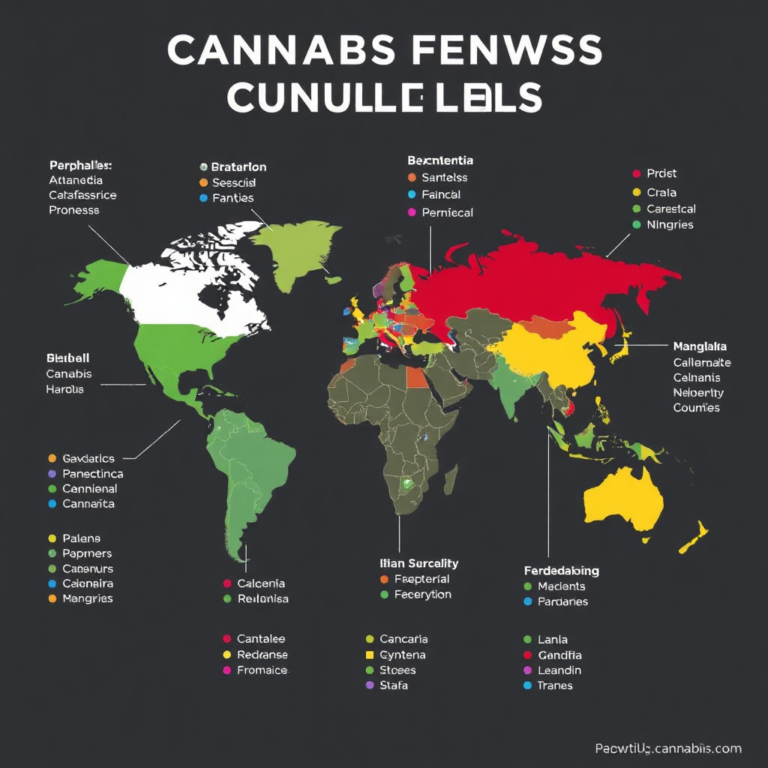
Cannabis laws vary widely depending on the jurisdiction, with some states allowing recreational use, others only medical use, and some prohibiting it completely. Compliance matters because violations can result in heavy fines, license revocations, or even criminal charges. Industries and consumers alike benefit from knowing and respecting these rules to prevent costly legal incidents.
This guide covers key aspects of how to stay compliant with cannabis laws, including licensing requirements, record-keeping, security protocols, packaging regulations, and how to navigate varying local rules. It will also explore best practices for businesses and individuals to maintain legal standing in this rapidly evolving legal landscape.
Understanding Licensing and Registration Requirements
Types of Licenses in Cannabis Businesses
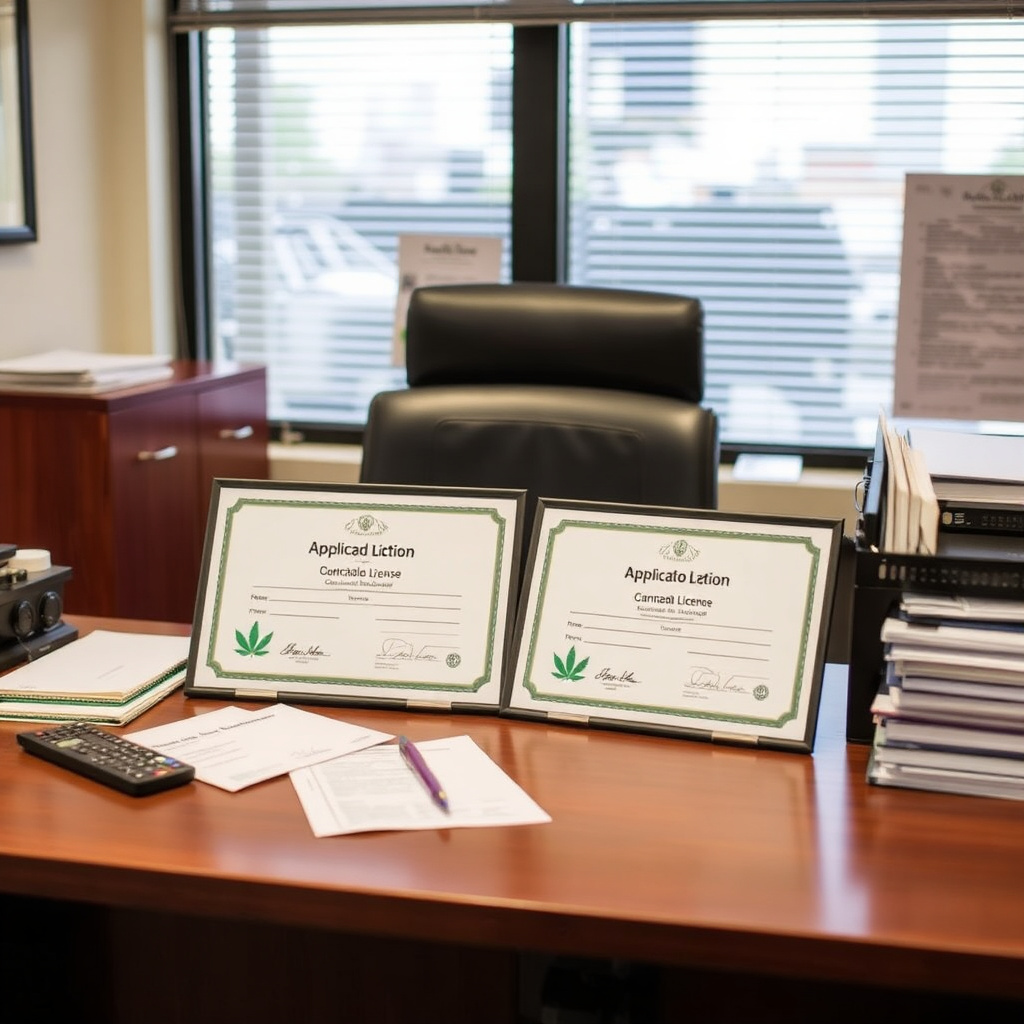
Cannabis laws require specific licenses for activities such as cultivation, manufacturing, distribution, and retail. Each license type has unique criteria, costs, and renewal periods that must be met. For example, a cultivation license differs significantly from a retail dispensary license in terms of operational rules and oversight.
Obtaining the correct license begins with researching your state’s cannabis control board or regulatory agency. Submitting detailed applications and meeting security and health standards are common steps. Operating without a proper license can lead to severe penalties or business closure.
- Cultivation licenses for growing cannabis plants
- Manufacturing licenses for creating marijuana products
- Distribution licenses for transporting cannabis
- Retail licenses for selling cannabis to consumers
Registration and Local Compliance
Besides state licenses, many local governments require separate registration or permits. Zoning laws dictate where cannabis businesses can operate, often limiting proximity to schools or residential areas. Checking local ordinances alongside state laws is necessary to avoid conflicts.
Maintaining up-to-date records with local authorities and adhering to conditions like community impact fees or operating hour restrictions supports ongoing compliance and fosters good relationships with local communities.
- Local zoning and land use permits
- Community or city-specific cannabis business registrations
- Local fees and tax reporting obligations
Record-Keeping and Reporting Obligations

Inventory and Sales Tracking
Cannabis regulation compliance involves meticulous tracking of all inventory from seed to sale. Businesses must record plant counts, product batches, transfers, and sales daily. This traceability deters diversion to the black market and helps detect discrepancies.
Using state-approved seed-to-sale tracking software is often mandatory. These platforms provide real-time inventory updates and generate reports automatically for regulators.
- Daily inventory audits
- Sales transaction logs
- Batch tracking by product
- Disposal records for wasted or unusable product
For more on this, see our related guide: Cannabis Cultivation Laws by State: What You Need to Know in 2024.
Financial Reporting and Tax Compliance
Cannabis businesses face complex tax obligations, including special cannabis taxes and standard sales taxes depending on jurisdiction. Accurate financial reporting ensures timely tax payments and reduces audit risks.
Maintaining transparent accounting records and consulting cannabis-specialized accountants can help navigate unique federal tax restrictions since cannabis remains federally illegal in the U.S.
- Preparation of tax returns specific to cannabis activities
- Documentation of tax payments and financial audits
- Compliance with payroll tax requirements
Security Measures and Facility Requirements
Physical Security Protocols
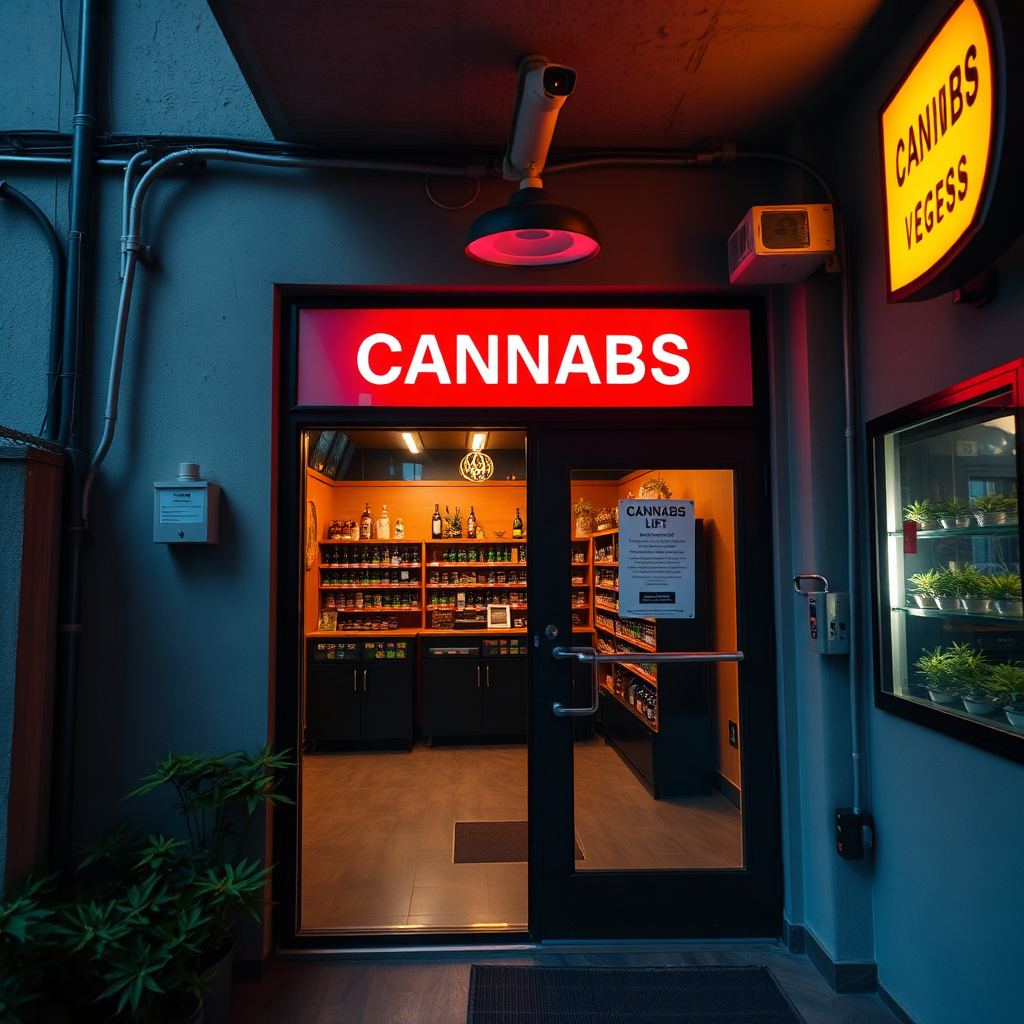
Security is critical for cannabis law compliance to prevent theft and unauthorized access. Most regulations require 24/7 surveillance cameras covering all sensitive areas, alarm systems, and restricted entry controls to comply with licensing standards.
Security personnel and secure storage for cannabis products during and after business hours are common requirements. Failure to meet security expectations often results in penalties or license suspension.
- Continuous video surveillance
- Qualified security staff during business hours
- Secure vaults or safes for cannabis stock
- Alarm systems linked to local police or security firms
Facility Design and Operational Guidelines
State regulations also govern facility design including proper ventilation, sanitation, and waste disposal to protect worker safety and public health. Compliance with fire codes and environmental regulations is also mandatory.
Documenting operational procedures and training employees on compliance-related protocols ensures consistent implementation of security and safety standards.
- Compliance with local building and fire codes
- Proper ventilation systems
- Waste disposal methods for cannabis byproducts
Packaging, Labeling, and Product Testing Standards
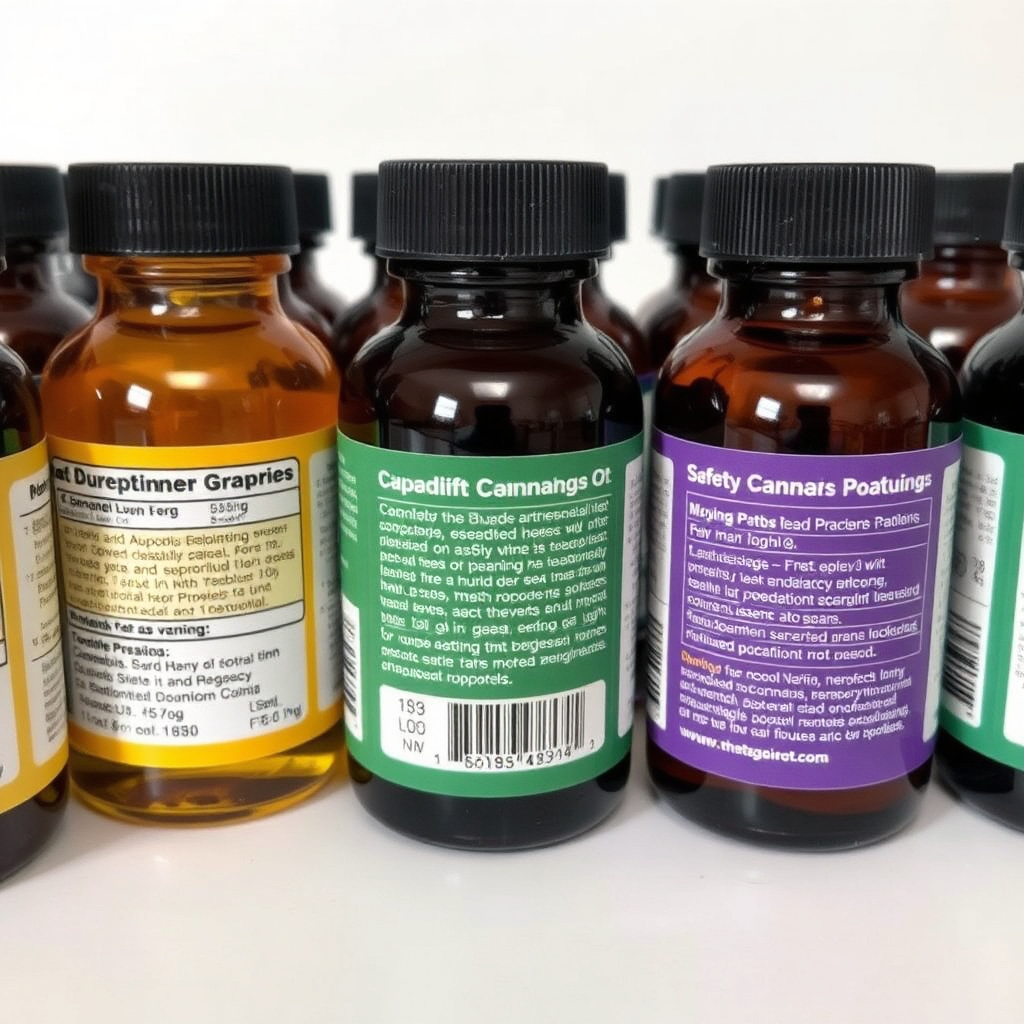
Packaging and Labeling Compliance
Cannabis products must be packaged in child-resistant, tamper-evident containers that protect product quality. Labels must include clear information such as THC/CBD content, origin, batch number, and health warnings according to state mandates.
Strict guidelines prevent misleading claims and require standardized font sizes and symbols to ensure consumer safety and informed choices.
- Child-resistant and tamper-proof packaging
- Accurate potency and ingredient disclosures
- Government warning labels
- Universal symbols for cannabis content
For more on this, see our related guide: How to Choose Fast Flowering Cannabis Seeds for Quick Harvests.
Mandatory Product Testing
Before sale, cannabis products undergo required lab testing for potency, contamination, pesticides, and molds. State-licensed labs provide certification ensuring the product meets safety standards.
Businesses must retain test results and make them available to regulators or consumers if requested, reinforcing quality assurance and compliance.
- Third-party lab testing for contaminants
- Verification of cannabinoid potency
- Batch-specific test certificates
Navigating Changing Cannabis Law Enforcement and Updates

Staying Up-to-Date with Regulatory Changes
Cannabis laws evolve rapidly, with new rules frequently introduced at state or local levels. Regularly monitoring official cannabis regulatory websites and industry news sources helps businesses stay compliant.
Joining industry associations or attending conferences can also provide early insights into upcoming regulation changes and compliance strategies.
- Subscription to official cannabis regulatory alerts
- Participation in cannabis industry networks
- Periodic legal consultations
For a broader understanding of varying cannabis regulations globally and within the U.S., refer to this comprehensive cannabis regulations overview. Cannabis regulations overview.
Preparing for Inspections and Audits
Regulators conduct routine and surprise inspections focusing on licensing, record-keeping, product quality, and security. Being well-prepared involves keeping documentation organized and training staff on compliance procedures.
Promptly addressing any identified deficiencies shows good faith effort and can prevent enforcement actions such as fines or license suspensions.
- Maintaining audit-ready records at all times
- Training employees on compliance protocols
- Implementing corrective actions swiftly
Cannabis Law Compliance: License Types Comparison
Here’s a comparison of common cannabis license categories, highlighting their scope, costs, and key compliance requirements.
| License Category | Scope | Avg. Cost (USD) | Key Compliance Focus |
|---|---|---|---|
| Cultivation License | Growing cannabis plants for wholesale | $5,000 – $50,000 | Plant tracking, security, environmental controls |
| Manufacturing License | Producing infused cannabis products | $10,000 – $75,000 | Sanitation, product testing, labeling |
| Distribution License | Transporting cannabis between facilities | $2,000 – $20,000 | Transport security, inventory tracking |
| Retail License | Selling cannabis products to consumers | $10,000 – $100,000 | Point-of-sale tracking, packaging, marketing restrictions |
| Microbusiness License | Small-scale cultivation and retail combined | $5,000 – $25,000 | Combined regulations from multiple categories |
Frequently Asked Questions
What happens if I don’t stay compliant with cannabis laws?
Non-compliance can lead to fines, license suspension or revocation, product recalls, and even criminal charges depending on the severity of violations.
Do cannabis laws differ between states?
Yes, cannabis laws vary significantly by state, including differences in legal use, licensing requirements, taxation, and enforcement practices.
Are cannabis businesses required to test their products?
Most states mandate third-party testing for potency and contaminants to ensure consumer safety and legal compliance.
How often do cannabis businesses need to renew their licenses?
License renewal periods usually range from one to three years, depending on the state and license type, with renewal applications requiring updated compliance documentation.
Can I operate a cannabis business without a license if it’s a small-scale operation?
No, operating without the appropriate license is illegal regardless of scale and can result in severe penalties.
Key Takeaways
- Cannabis law compliance requires meeting licensing, security, packaging, and record-keeping standards.
- State and local cannabis regulations differ substantially and must both be followed carefully.
- Meticulous inventory tracking from seed to sale reduces risk of violations.
- Staying informed about evolving cannabis regulations helps maintain ongoing compliance.
Conclusion
Making compliance a priority in cannabis operations involves understanding and adhering to a complex set of regulations that cover licensing, record-keeping, security, and product standards. Deciphering these rules early and structuring business systems accordingly minimizes legal risks and builds trust with regulators. Keeping accurate records and investing in proper security safeguards readiness for audits and inspections, which happen regularly in this industry.
For businesses, choosing the proper license category—be it cultivation, retail, or manufacturing—must align with operational goals while ensuring compliance with both state and local mandates. Small operators may find microbusiness licenses a manageable option, whereas large-scale enterprises require comprehensive security and reporting systems. Consumers also must adhere to possession limits and sourcing from licensed vendors to stay compliant. Both groups must stay alert to changing legal landscapes.
Ultimately, the best way to stay compliant with cannabis laws is to establish transparent practices, keep up-to-date on regulatory changes, and consult legal experts when needed. This approach safeguards your investment and reputation in a highly regulated field and allows you to focus on growth within the boundaries of the law. Start by reviewing your local and state cannabis laws today to ensure your practices align with current requirements.