How to Buy Seeds: A Practical Guide for Gardeners and Beginners
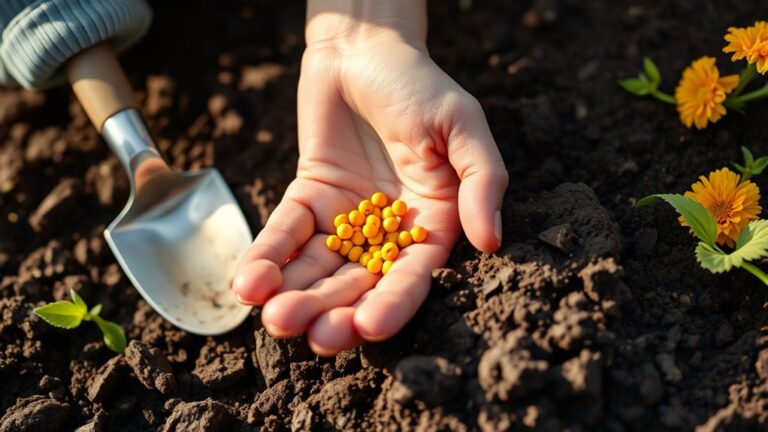
To buy seeds effectively, start by identifying what plants you want to grow and understanding the growing conditions of your garden, such as climate, soil type, and sunlight. Then choose seed varieties that are proven to perform well under those conditions. Look for fresh, high-quality seeds from reputable suppliers to increase your chances of successful germination and healthy plants.
Buying seeds is more than just picking a packet off a shelf; it directly impacts the success of your garden. Seeds come in many types, including heirloom, hybrid, and organic, each with unique characteristics. Choosing correctly means a better harvest, gardening satisfaction, and less wasted effort. Knowing how to evaluate seed quality and understanding labeling can save money and improve results.
This article covers everything you need to know about buying seeds: how to choose the right type, where to purchase them, what to look for in seed packets, and how to avoid common pitfalls. You’ll also find advice on seed storage, germination testing, and selecting the best seed varieties for home gardening to match your goals.
Understanding Seed Types and Their Uses
Heirloom Seeds: Preserving Tradition and Flavor
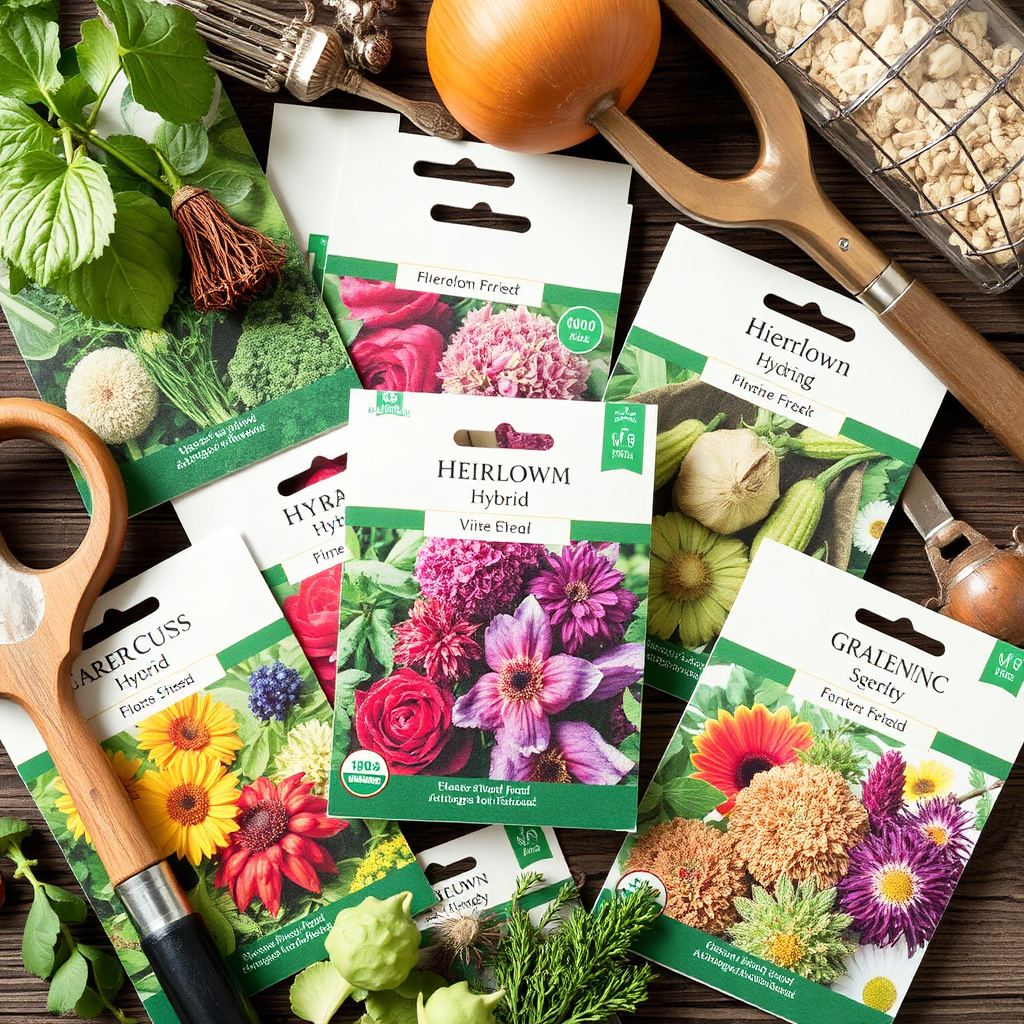
Heirloom seeds come from plant varieties that have been passed down for generations, often prized for their flavor, uniqueness, and genetic diversity. They are open-pollinated, allowing gardeners to save seeds for future planting with consistent traits.
Because heirlooms are not bred for mass production or uniformity, they may be less disease resistant but serve gardeners looking for authentic taste and heritage plants.
- Retain seed for next season
- Known for rich flavors
- Wide variety of colors and shapes
- Sometimes less resilient to pests
Hybrid Seeds: Harnessing Vigor and Uniformity
Hybrid seeds are produced by crossing two different parent plants to create offspring with specific traits like increased yield, disease resistance, or uniform size and color. These seeds often have vigorous growth and better performance.
However, seeds saved from hybrids usually don’t breed true to type, so gardeners must purchase fresh seeds each season if they want consistent results.
- Higher crop yields
- Better resistance to certain diseases
- Uniform plant characteristics
- Not ideal for seed saving
Where to Buy Seeds: Options and Considerations
Local Nurseries and Garden Centers
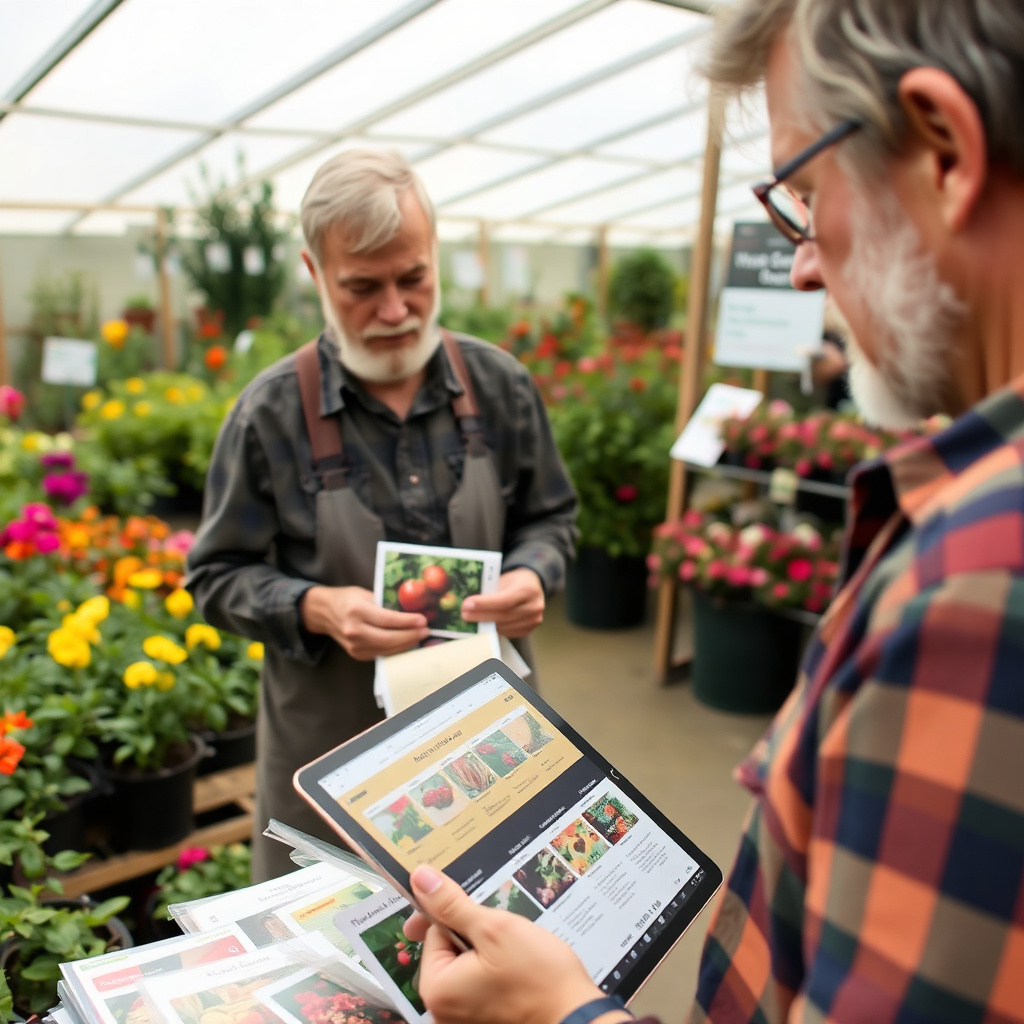
Buying seeds from a local nursery ensures that the varieties offered are usually appropriate for your regional climate and soil. You can often get expert advice and see seed quality firsthand, which helps prevent buying expired or poor seeds.
Nurseries may stock seeds seasonally, focusing on popular and easy-to-grow plants, making them ideal for gardeners wanting immediate support and quick-start options.
- Regionally adapted varieties
- Immediate expert assistance
- Support local businesses
- Seasonal availability
Online Seed Suppliers: Variety and Specialty
Online seed catalogs provide access to a vast range of plant species including rare, heirloom, and specialty seeds not commonly found locally. They offer convenience and detailed descriptions but require trusting the supplier’s reputation and checking delivery times.
Look for reviews and seed viability guarantees from the seed company, and order early in the season to avoid shipping delays and seeds sitting in transit too long.
- Wide selection of seeds
- Access to rare and exotic varieties
- Convenient ordering
- Shipping costs and times vary
Evaluating Seed Quality Before Purchase
Reading Seed Labels for Vital Information
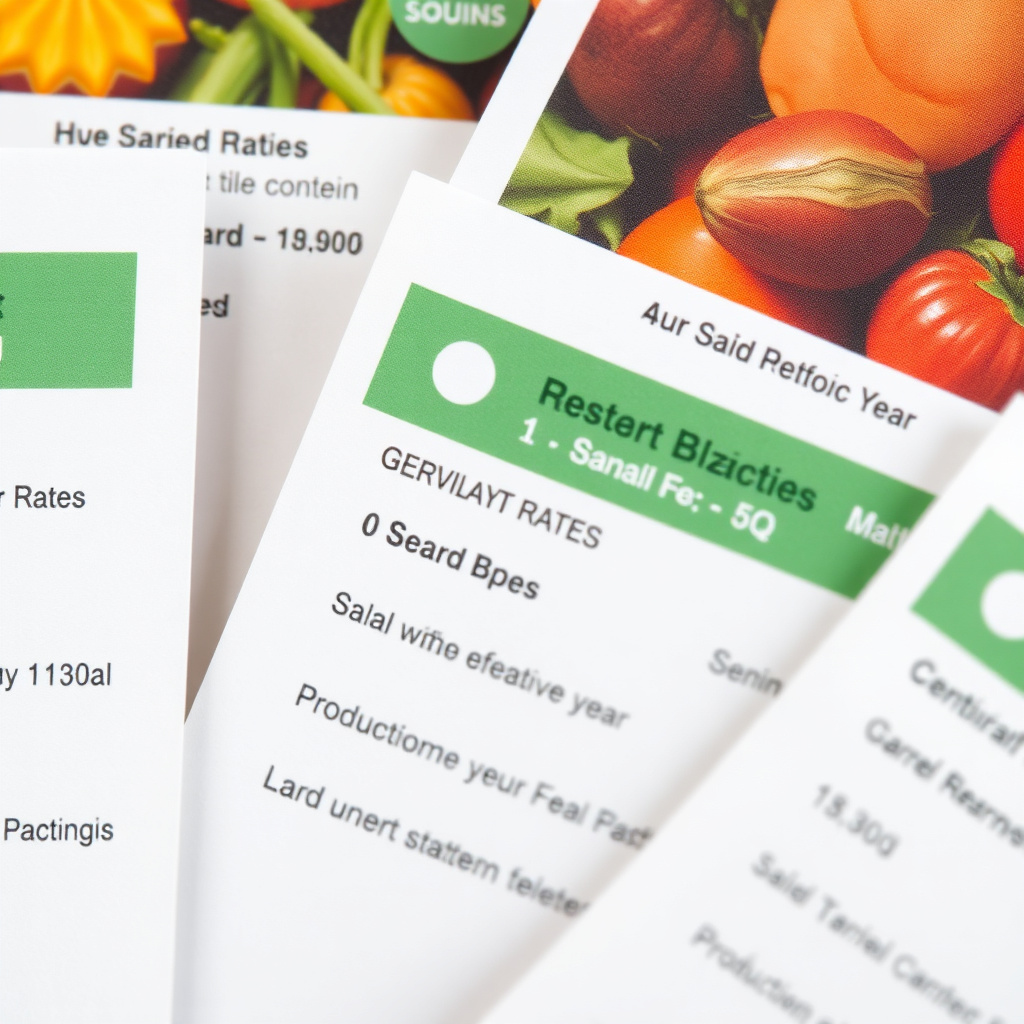
Seed packets provide key details like germination percentage, pack date, seed count, and any certifications such as organic status. Germination rate indicates what percentage of seeds should sprout under ideal conditions, with 70% or above generally considered good.
Always check the pack date to ensure freshness. Older seeds may produce fewer plants or take longer to germinate. Certified organic or non-GMO labels add value for those wanting natural or chemical-free seeds.
- Germination rate percentage
- Pack or harvest date
- Seed lot number or batch
- Certifications: organic, non-GMO
For more on this, see our related guide: Hybrid Cannabis Seeds Explained: What You Need to Know Before Buying.
Visual Inspection and Seed Testing
If purchasing seeds in person, inspect for signs of moisture damage, discoloration, or broken seeds, which reduce viability. Seeds should appear dry and intact. For home testing, a germination test by planting a few seeds in a controlled environment can assess expected performance.
A simple germination test involves placing seeds on a moist paper towel in a warm spot and checking sprout numbers after several days. This helps avoid disappointment, especially when buying expensive or rare seeds.
- Avoid discolored or damaged seeds
- Look for plump, firm seeds
- Perform germination tests at home
- Store seeds properly after purchase
Selecting Seeds Based on Gardening Goals and Climate
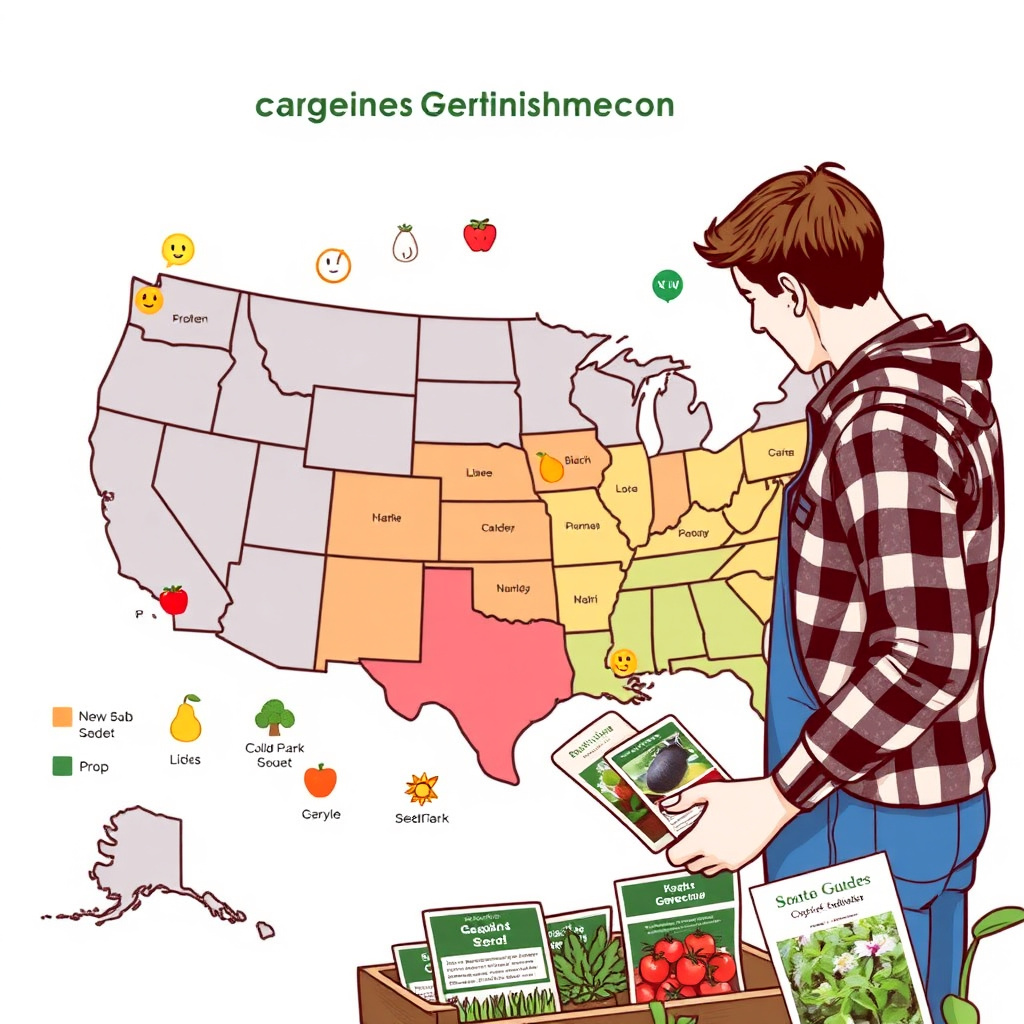
Matching Seeds to Your Climate Zone
Knowing your USDA hardiness zone or local climate conditions guides which seeds will thrive. Some seeds require longer growing seasons or frost-free periods, while others tolerate heat or drought better.
Choose varieties specifically recommended for your zone on seed catalogs or supplier websites for greater gardening success, avoiding those prone to fail in your environment.
- Check local climate requirements
- Consult seed zone recommendations
- Consider frost dates and temperature
- Select drought or shade tolerant types if needed
Choosing Between Annuals, Perennials, and Biennials
Deciding what type of plant you want to grow impacts seed choices. Annuals complete their life cycle in one season, perennials return year after year, and biennials have a two-year cycle. Each type suits different gardening styles and space availability.
Annual seeds typically require reseeding each year but provide quick blooms or harvests. Perennials often need more time but offer long-term rewards, influencing which seeds and quantities to buy.
- Annuals: quick harvest
- Perennials: long-term growth
- Biennials: two-year cycle
- Match plant type to garden plan
Seed Storage and Handling Post-Purchase

Proper Storage Conditions to Preserve Viability
Seeds must be stored in a cool, dry, and dark environment to maintain viability. Heat and humidity accelerate seed aging and mold growth. Use airtight containers with desiccants like silica gel packets and label stored seeds with purchase date to track freshness.
Refrigeration can extend the life of many seed types but avoid freezing unless you are certain the seeds tolerate it. Properly stored seeds can remain viable for multiple years depending on species.
- Store seeds in airtight containers
- Keep seeds cool and dry
- Use moisture absorbers
- Label with date and variety
For more on this, see our related guide: Best Places to Buy Chia Seeds Online.
Handling Seeds Gently to Avoid Damage
Handle seeds with care during sorting or planting to avoid cracking or damaging them, which reduces germination rates. Avoid exposing seeds to prolonged sunlight or moisture before planting, as this can cause premature sprouting or mold.
Use clean tools and wash hands when dealing with seeds to minimize contamination. Keeping seeds clean preserves their health for the upcoming gardening season.
- Avoid crushing seeds
- Keep seeds dry before sowing
- Use clean hands and tools
- Protect seeds from direct sunlight
Understanding the Best Seed Varieties for Home Gardening
Vegetable Seeds That Perform Well for Beginners
Certain vegetable seeds like lettuce, radishes, beans, and cherry tomatoes are known for high germination rates and ease of growth, making them excellent for first-time gardeners. These varieties often tolerate less ideal soil and weather conditions better.
Selecting these starter-friendly seeds helps build confidence and yields quicker harvests, encouraging gardeners to expand their planting in future seasons.
- Lettuce: fast growing
- Radishes: hardy and quick
- Beans: low maintenance
- Cherry tomatoes: prolific fruiting
For more detailed botanical information about seeds, see the Seed (botany) on Wikipedia. Seed (botany) on Wikipedia.
Flower Seeds That Enhance Garden Appeal
Popular flower seeds such as marigolds, zinnias, and sunflowers are easy to grow and can improve garden aesthetics while attracting pollinators. Their seeds are commonly available and germinate reliably, providing color and biodiversity.
Including these varieties encourages a lively garden environment and complements vegetable patches, supporting beneficial insects naturally.
- Marigolds: pest deterrent
- Zinnias: colorful blooms
- Sunflowers: attract pollinators
- Easy germination rates
Seed Types Category Comparison
This table compares popular seed types based on traits relevant to home gardeners to help you decide which seed category suits your needs.
| Seed Type | Ease of Growth | Seed Saving Viability | Disease Resistance | Recommended For |
|---|---|---|---|---|
| Heirloom | Medium | High | Variable | Gardeners valuing flavor and tradition |
| Hybrid | High | Low | High | Growers seeking uniformity and yield |
| Organic | Medium-High | Varies | High | Those avoiding chemicals |
| Open-Pollinated | Medium | High | Moderate | Seed savers and natural gardeners |
Frequently Asked Questions
How long do seeds remain viable after purchase?
Seed viability depends on species and storage but generally lasts one to five years. Proper storage in cool, dry conditions can extend viability, whereas poor storage shortens lifespan.
Can I reuse seeds from hybrid plants?
Seeds saved from hybrid plants usually do not produce plants true to the parent type and can result in variable quality, so it is better to buy fresh hybrid seeds each season.
What does a germination rate indicate on a seed packet?
Germination rate tells the percentage of seeds expected to sprout under ideal conditions; a higher rate suggests better seed viability and reliability.
Are organic seeds more expensive than conventional seeds?
Organic seeds often cost more due to certification costs and organic growing practices, but many gardeners prefer them to avoid synthetic chemicals.
What is the best way to test seed viability at home?
Place seeds on a moist paper towel, keep warm, and check daily for sprouts over 7 to 10 days to estimate germination success before planting.
Key Takeaways
- Choose seed types that fit your garden goals and climate zone
- Buy from trusted sources with clear seed labeling
- Store seeds in cool, dry conditions to prolong viability
- Select beginner-friendly varieties if new to gardening
Conclusion
Buying seeds successfully means balancing your gardening goals, local climate, and the quality of the seeds themselves. Focus on understanding the differences between heirloom, hybrid, and organic seeds, and always check seed packet information for freshness and germination rates. Matching your choices to your specific gardening conditions increases your chances for a thriving garden and rewarding harvests.
For beginners, seeds like lettuce, radishes, and marigolds offer easy success and quick satisfaction, while experienced gardeners may enjoy heirloom or organic seeds to grow unique or chemical-free plants. Local nurseries provide regionally suited options and expert advice, while online suppliers open up rare heirloom and specialty seeds. Selecting proper storage and handling after purchase preserves seed quality.
Next time you prepare to buy seeds, consult seed labels carefully, consider your climate zone, pick varieties fitting your garden layout, and store seeds safely until planting. This approach will help your plants germinate robustly and flourish, making your gardening efforts both enjoyable and fruitful.