What Is the Entourage Effect? Understanding Its Impact in Cannabis Use
The entourage effect is the synergistic interaction of cannabis compounds, chiefly cannabinoids and terpenes, that work together to create a combined effect stronger or different from any individual component alone. This means the therapeutic and recreational impacts of cannabis depend not just on isolated ingredients like THC or CBD but on their collaboration with other molecules found in the plant.
Understanding the entourage effect matters because it explains why whole-plant cannabis products can produce more nuanced and effective outcomes compared to isolated extracts. Rather than focusing on a single compound, this effect highlights the value of the complex chemical profile in cannabis, influencing everything from pain relief to mood enhancement.
This article will explore the science behind the entourage effect, how cannabinoids and terpenes interact, the implications for medicinal and recreational cannabis users, and how to choose products that maximize these benefits.
The Science Behind the Entourage Effect
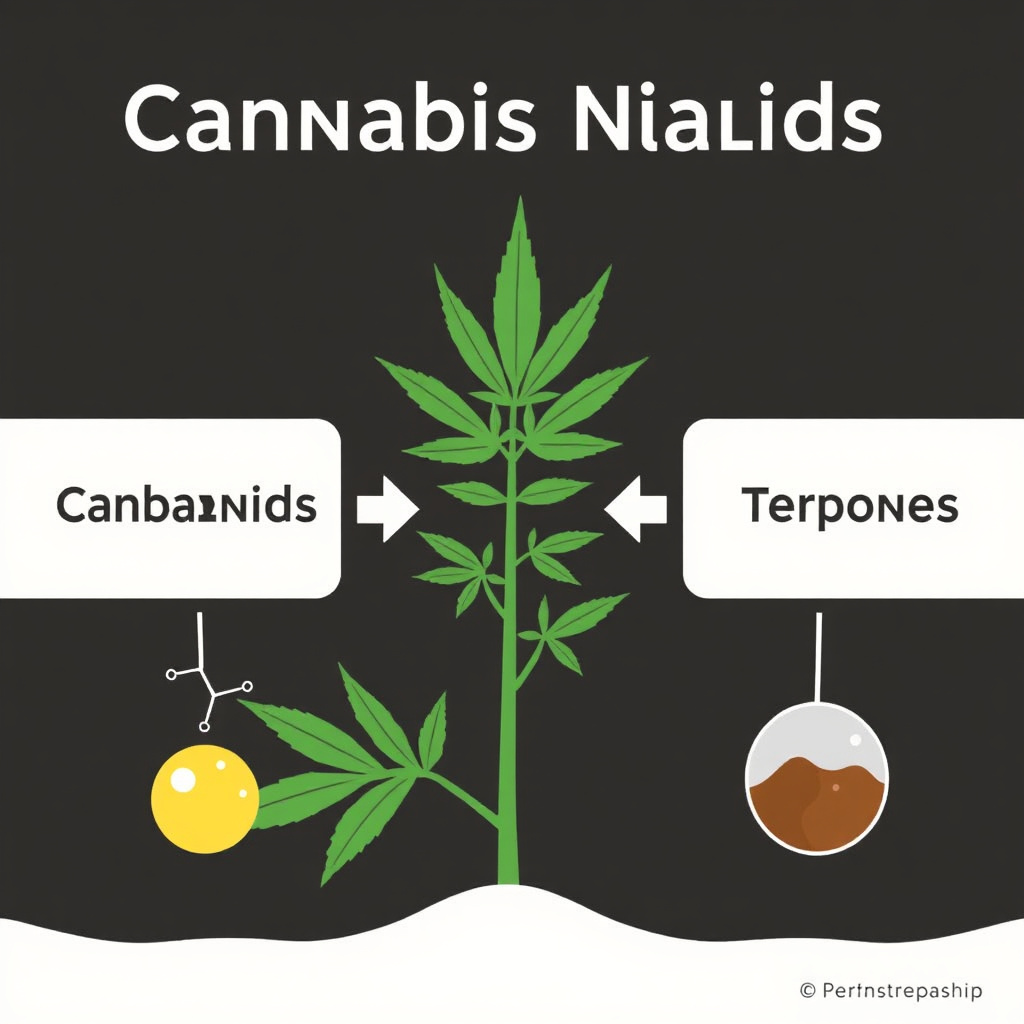
Cannabinoids: The Primary Players
Cannabinoids like THC and CBD are chemical compounds found in cannabis that bind to receptors in the body’s endocannabinoid system. THC is psychoactive and responsible for the 'high,' while CBD is non-intoxicating and often pursued for its anti-inflammatory and anxiety-reducing effects. Alone, each cannabinoid has distinct properties, but they influence each other’s effects when combined.
Beyond THC and CBD, cannabis plants contain minor cannabinoids such as CBG, CBC, and CBN, which contribute subtle effects. These cannabinoids can modulate the potency and duration of the effects, further contributing to the entourage effect by balancing and enhancing the overall experience.
Terpenes: The Aromatic Enhancers
Terpenes are aromatic compounds responsible for the distinct smells and flavors of cannabis strains. Common terpenes include myrcene, limonene, and pinene, each with unique therapeutic properties such as sedation, mood elevation, or anti-inflammatory action. Terpenes interact chemically with cannabinoids and receptors, influencing absorption and effect.
When terpenes combine with cannabinoids, they can alter the way the body processes THC or CBD, intensifying or muting their impact. For example, myrcene may increase THC’s psychoactive effects while limonene might boost mood-related benefits, making terpenes vital contributors to the entourage effect.
How Cannabinoids and Terpenes Create the Entourage Effect
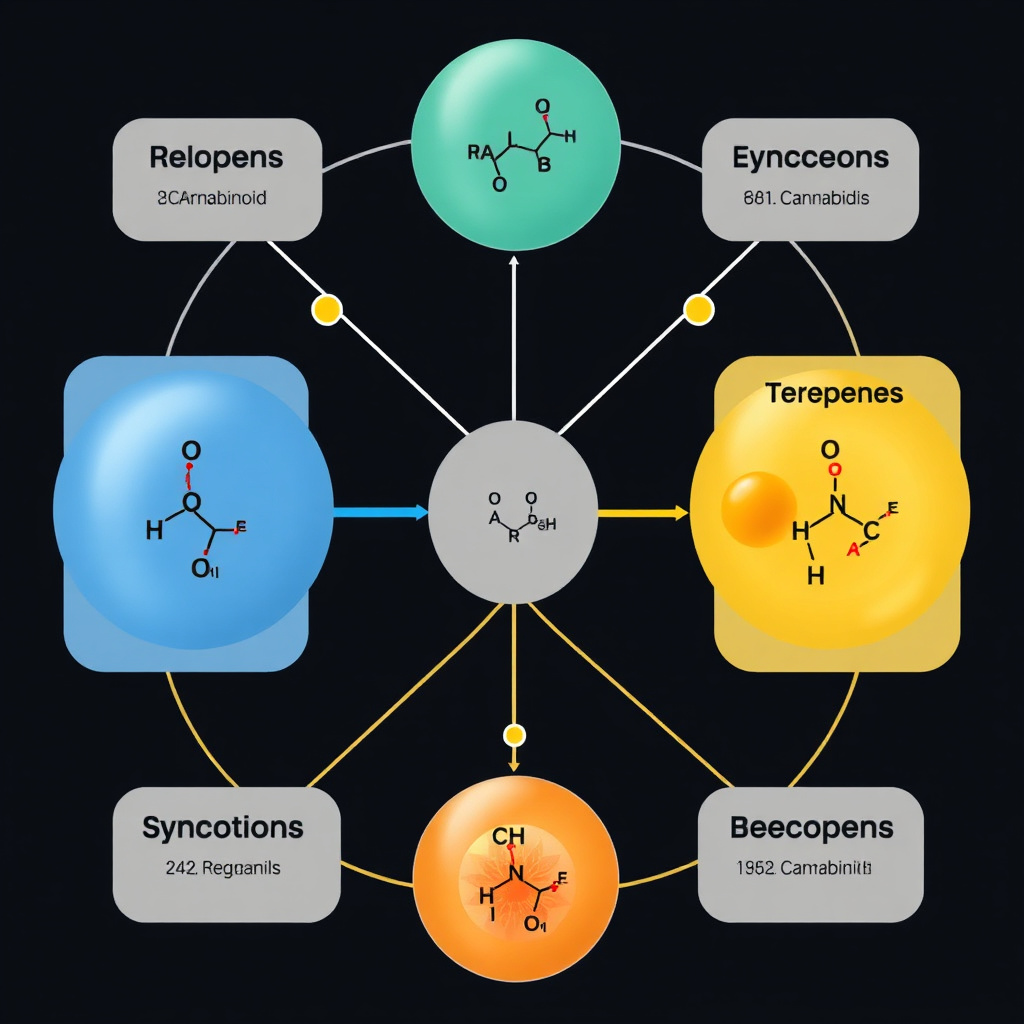
Synergy in Cannabinoid Interactions
When multiple cannabinoids are present together, they modulate each other's effects by influencing receptor binding and downstream signaling pathways. For instance, CBD is known to reduce the anxiety or paranoia sometimes induced by THC, making cannabis products containing both cannabinoids more tolerable and balanced.
The diverse cannabinoid profile in full-spectrum extracts offers a more complex interaction at the receptor level than isolated cannabinoids, prolonging or modifying the therapeutic or psychoactive impact in ways that single-compound products cannot replicate.
Terpene Modulation of Cannabinoid Effects
Terpenes can enhance or modulate the effects of cannabinoids by impacting their bioavailability and receptor affinity. For example, certain terpenes boost blood-brain barrier penetration for cannabinoids, amplifying their effectiveness.
Additionally, terpenes themselves bind to receptors and influence neurotransmitter activity, which combined with cannabinoids provides a layered influence on mood, pain, and inflammation — this complex interaction is the core mechanism behind the entourage effect.
Medical Implications of the Entourage Effect

Pain Management and Inflammation
Many patients find relief from chronic pain and inflammation using whole-plant cannabis extracts that harness the entourage effect. The combination of cannabinoids and terpenes targets multiple pathways, reducing pain more effectively than isolated THC or CBD.
Terpenes like beta-caryophyllene possess anti-inflammatory properties that complement CBD’s actions, while cannabinoids affect pain signaling and immune response. This multidimensional approach has gained clinical interest for conditions such as arthritis and neuropathic pain.
For more on this, see our related guide: Cannabis Strain Comparison: How to Choose the Right Strain for Your Needs.
Mental Health and Neuroprotection
The entourage effect also plays a role in mental health therapies using cannabis. Full-spectrum products can offer anti-anxiety, antidepressant, and neuroprotective benefits by combining calming terpenes and cannabinoids like CBD.
The nuanced interplay reduces adverse side effects often associated with THC alone, helping patients better manage conditions like PTSD, depression, or epilepsy through a more tailored and effective treatment.
Choosing Cannabis Products for the Entourage Effect
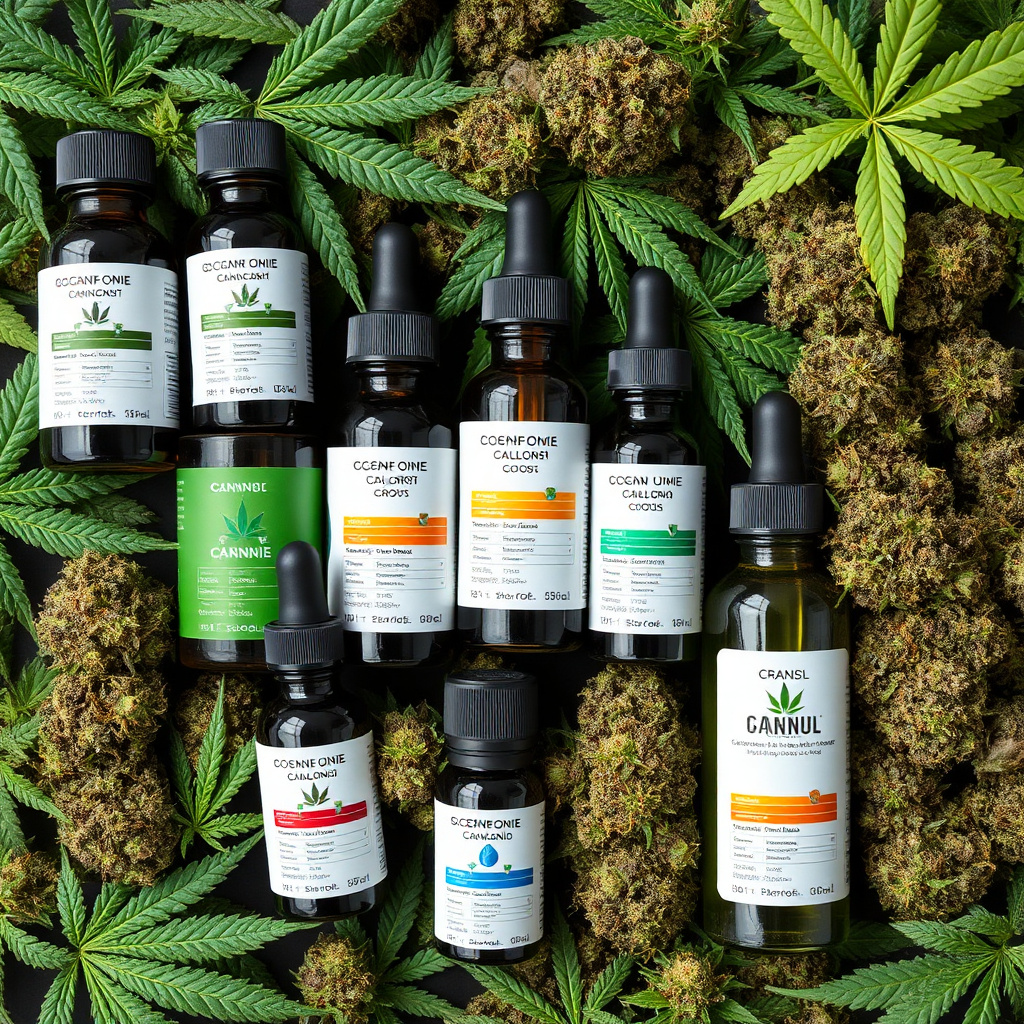
Full-Spectrum Extracts Versus Isolates
Full-spectrum cannabis products contain a complete range of cannabinoids and terpenes, enabling the entourage effect, whereas isolates include only one cannabinoid, typically CBD or THC. Choosing full-spectrum products tends to offer broader benefits and longer-lasting effects.
Isolates can be useful for those sensitive to THC or who require a specific cannabinoid, but they generally lack the complexity of effects generated by cannabinoid and terpene interaction and may not be as effective for certain conditions.
- Full-spectrum contains all cannabinoids and terpenes
- Isolates contain a single cannabinoid
- Broad-spectrum excludes THC but keeps other compounds
Strain and Terpene Profile Considerations
Selecting strains by terpene profiles can tailor the cannabis experience according to desired effects like relaxation, focus, or pain relief. Indica strains often feature sedative terpenes like myrcene, while sativas lean toward uplifting terpenes such as limonene.
Reviewing lab reports for terpene and cannabinoid content allows consumers to predict entourage effects more accurately, making informed choices about what product aligns best with their needs and preferences.
Challenges and Misconceptions about the Entourage Effect
Scientific Evidence and Limitations
While numerous studies support the entourage effect, much of the research remains preliminary or relies on animal models. Human clinical trials are still sparse, leaving some uncertainty about the precise mechanisms and how reliably the effect manifests across different individuals.
The complexity of cannabis chemistry makes isolating specific contributions challenging, so the entourage effect is often inferred from observational data rather than direct causation, prompting ongoing research efforts.
For more on this, see our related guide: Cannabis Strain Lineage Explained: Understanding Origins and Genetics.
Marketing Misuse and Consumer Confusion
Some cannabis vendors exaggerate claims about the entourage effect to differentiate products without substantial proof, leading to misunderstandings. Consumers should critically evaluate product transparency, lab results, and company reputation before expecting entourage-related benefits.
Understanding that not all products labeled 'full-spectrum' are equivalent and that individual biology influences response can guard against disappointment and encourage more informed, realistic expectations.
Future Directions in Entourage Effect Research and Applications

Personalized Medicine and Targeted Therapies
Research is advancing toward identifying the combinations of cannabinoids and terpenes that best suit individual genetic profiles or specific health conditions, potentially leading to bespoke cannabis therapies maximizing entourage effects for precision treatment.
Biotechnological advances in extraction and formulation will likely enable the creation of products with controlled ratios of active compounds, maximizing efficacy and minimizing side effects.
To learn more about the scientific background and history of the entourage effect, you can visit the detailed entry on its Wikipedia page. entourage effect on Wikipedia.
Regulatory and Quality Control Improvements
Improved regulatory standards and mandatory lab testing will enhance product consistency and reliability, allowing consumers and clinicians to better trust entourage effect claims. Standardizing definitions of full-spectrum and broad-spectrum will clarify product labeling.
As cannabis becomes legalized in more jurisdictions, research funding and innovation in extraction methods will drive deeper understanding and broader therapeutic applications of the entourage effect.
Comparison of Cannabis Product Types for the Entourage Effect
Below is a comparison of common cannabis product categories highlighting their engagement with the entourage effect, pharmacological complexity, and user suitability.
| Product Type | Cannabinoid Content | Terpene Profile | Entourage Effect Strength | Best For |
|---|---|---|---|---|
| Full-Spectrum Extracts | All major and minor cannabinoids | Complete terpene profiles | Strong | Users seeking broad therapeutic benefits |
| Broad-Spectrum Extracts | Multiple cannabinoids, THC-free | Most terpenes included | Moderate to Strong | Users avoiding THC but wanting synergy |
| Isolates | Single cannabinoid (CBD or THC) | No terpenes | Minimal | Users needing specific cannabinoid effects |
| Raw Flower | Varies by strain | Natural terpene content | Strong | Recreational users preferring natural product |
| Distillates | High purity single cannabinoids | Terpenes often removed | Low to Moderate | Dabbing or vape use needing potency |
Frequently Asked Questions
Does the entourage effect mean whole cannabis is always better than isolates?
Whole cannabis products often offer enhanced effects due to the entourage effect, but isolates can be preferable for users who need specific cannabinoids or want to avoid THC or certain terpenes.
Can terpenes alone produce effects without cannabinoids?
Yes, terpenes have therapeutic properties and can influence mood or inflammation on their own, although their interaction with cannabinoids enhances overall effects.
Is there scientific proof for the entourage effect in humans?
While evidence from lab and animal studies supports it, human clinical research is limited but growing; many findings are based on observational and anecdotal data.
How can I identify products that will have the entourage effect?
Look for full-spectrum or broad-spectrum labels and review lab reports showing cannabinoid and terpene profiles to find products that preserve multiple active compounds.
Does the entourage effect affect the psychoactive intensity of THC?
Yes, certain cannabinoids and terpenes can amplify or reduce THC's psychoactive impact, influencing the overall user experience.
Key Takeaways
- The entourage effect arises from cannabinoids and terpenes working synergistically in cannabis.
- Full-spectrum products best preserve the entourage effect compared to isolates.
- Terpenes play a crucial role in modulating cannabinoid effects and enhancing benefits.
- Scientific research supports the entourage effect but more human trials are needed.
Conclusion
Choosing cannabis products with the entourage effect in mind requires understanding how cannabinoids and terpenes interact to influence your body's endocannabinoid system. This combined action leads to effects that differ from those of isolated compounds, offering a richer and often more effective experience whether for medical or recreational purposes. Focusing on the full chemical profile rather than a single cannabinoid is key to appreciating cannabis’s therapeutic potential.
For those seeking pain relief, mental health support, or enhanced recreational effects, full-spectrum extracts and raw flower are likely the best options, as they contain diverse cannabinoids and terpene profiles that interact synergistically. Broad-spectrum products can be a middle ground for individuals avoiding THC, while isolates serve situations requiring targeted cannabinoid delivery. Understanding these distinctions helps users select cannabis products aligned with their personal needs and health goals.
If you're new to cannabis or exploring the entourage effect, start by researching product lab results for cannabinoid and terpene content and consult reputable sources or healthcare providers if using cannabis therapeutically. This approach ensures you maximize beneficial effects while minimizing unwanted reactions, helping you find the right product that leverages the entourage effect for your unique preferences.