What is Industrial Hemp? An In-Depth Guide to Its Uses and Benefits
Industrial hemp is a variety of the Cannabis sativa plant species grown specifically for industrial uses of its derived products. Unlike marijuana, industrial hemp contains very low levels of THC, the compound responsible for psychoactive effects. Its fibers, seeds, and oils are harvested for a wide range of applications, making it a versatile crop for agriculture and manufacturing.
The significance of industrial hemp has grown as demand rises for sustainable, eco-friendly materials in textiles, construction, and even food production. Its rapid growth cycle and minimal pesticide requirements make industrial hemp a compelling alternative to traditional industrial crops. Moreover, its legal distinctions allow farmers to cultivate it in many regions where cannabis is regulated differently.
This article will cover the botany of industrial hemp, how it differs from marijuana, the main industrial uses of hemp fiber and seeds, cultivation practices, regulatory factors, and market trends. It will also explore how hemp fiber applications contribute to emerging green industries.
Understanding the Plant: What Defines Industrial Hemp
Botanical Characteristics of Industrial Hemp
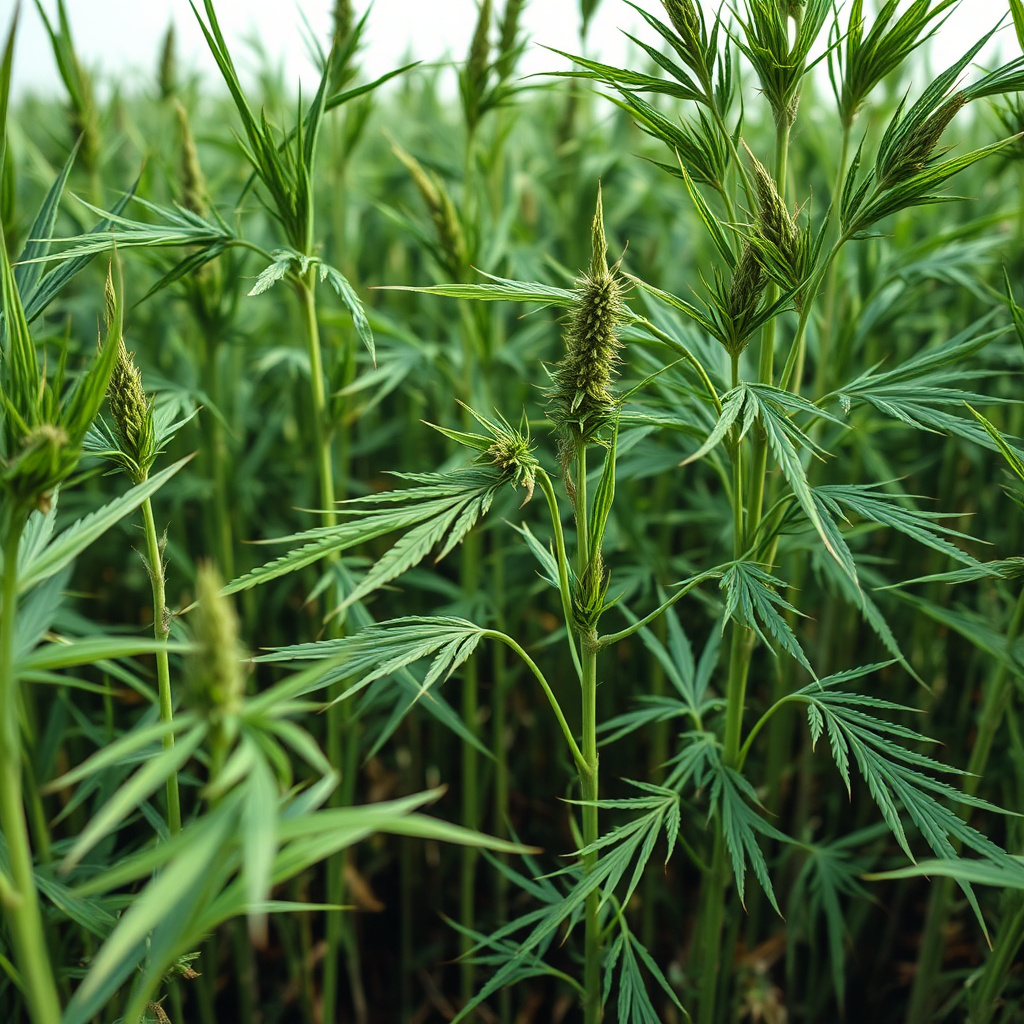
Industrial hemp belongs to the Cannabis sativa species but is bred to have less than 0.3% THC, the psychoactive compound in marijuana. It typically grows tall and slender with fibrous stalks optimized for fiber and seed production rather than flower potency.
The morphology includes long, strong fibers in the stalk's outer layer, while the seeds are harvested for oil and nutrition. These plants generally mature within 3 to 4 months, making them suitable for multiple growing cycles in some climates.
- Tall, fibrous stalks
- Low THC content (<0.3%)
- Seeds rich in oil and protein
- Rapid growth cycle
Differences Between Industrial Hemp and Marijuana
Industrial hemp and marijuana share the same species but differ in chemical composition and purpose. Whereas marijuana is cultivated for its high THC content for recreational or medicinal use, industrial hemp prioritizes fiber and seed yield with minimal THC.
Legal definitions often rest on THC threshold levels, with hemp varieties legally defined as containing less than 0.3% THC. This low THC means industrial hemp does not produce psychoactive effects, making it acceptable to cultivate for industrial purposes.
Primary Uses of Industrial Hemp
Hemp Fiber Applications
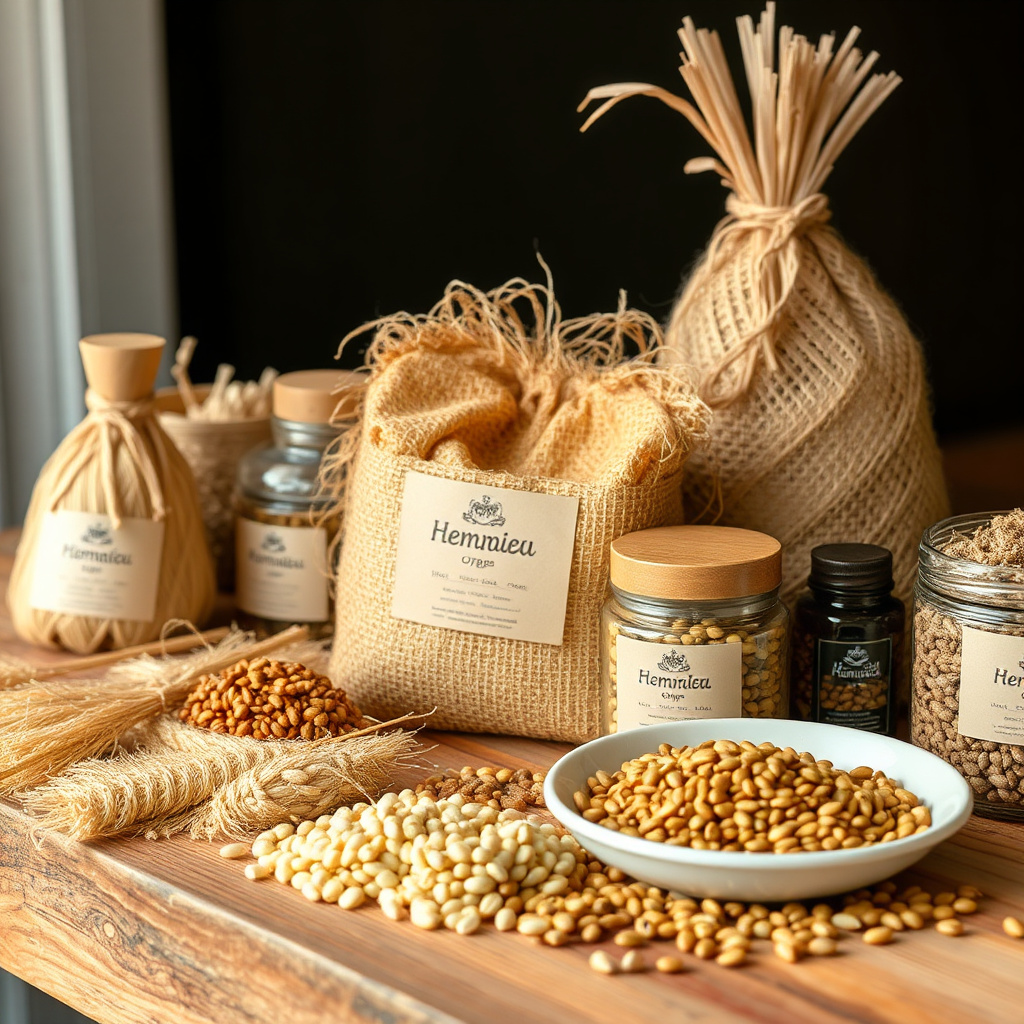
Hemp fibers are among the strongest natural fibers and are used extensively in textiles, paper, biodegradable composites, and ropes. The fibers can replace synthetic materials, offering a sustainable alternative due to hemp’s rapid renewability and biodegradability.
Textile industries use hemp for clothing, upholstery, and canvas, benefiting from its durability and breathability. In construction, hempcrete—a mix of hemp hurds and lime—is gaining popularity as an eco-friendly insulating material.
- Textiles and apparel
- Paper production
- Biodegradable composites
- Construction materials (hempcrete)
Uses of Hemp Seeds and Oils
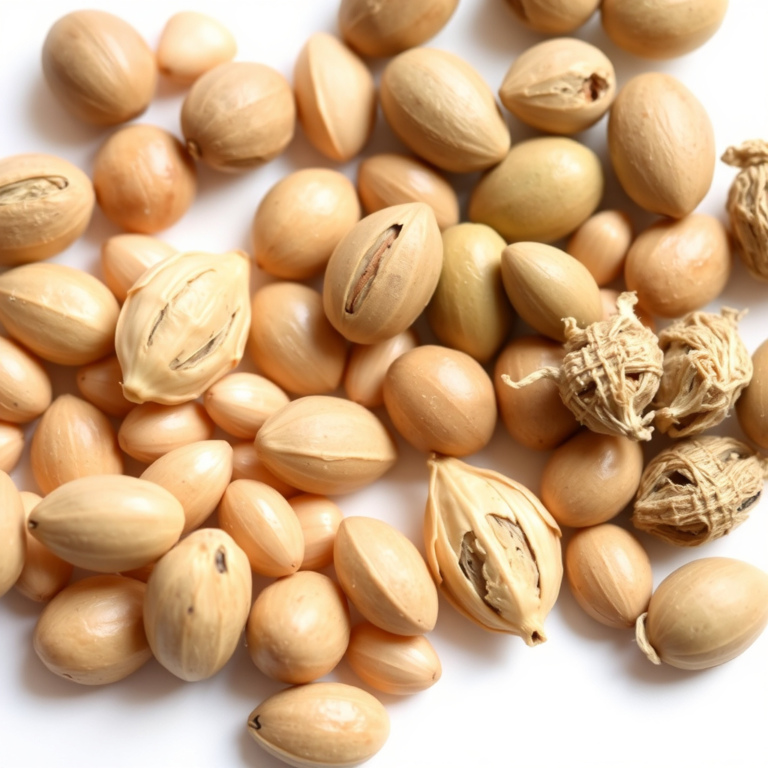
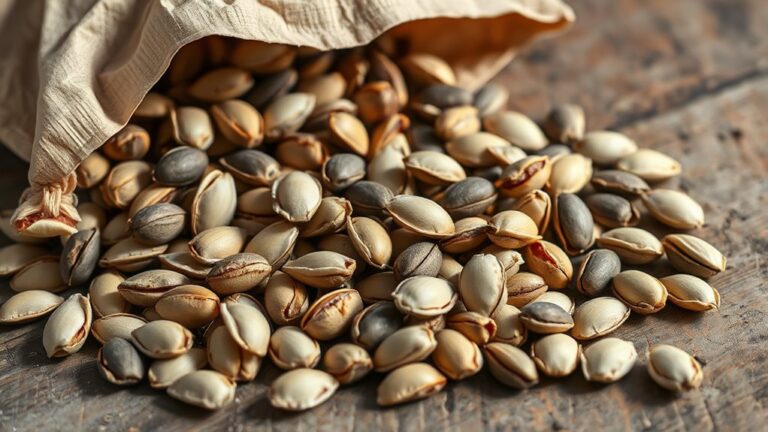
Hemp seeds are nutrient-dense, containing high levels of essential fatty acids, protein, and fiber, making them popular in health foods and supplements. The seeds are pressed to extract hemp seed oil, used in cooking, cosmetics, and skincare products.
Beyond nutrition, hemp oil is valued for its moisturizing properties and rich antioxidant content, which supports skin health. Industrial hemp seed derivatives are also used in animal feed and biofuel development.
Cultivation Practices for Industrial Hemp

Optimal Growth Conditions and Soil Requirements
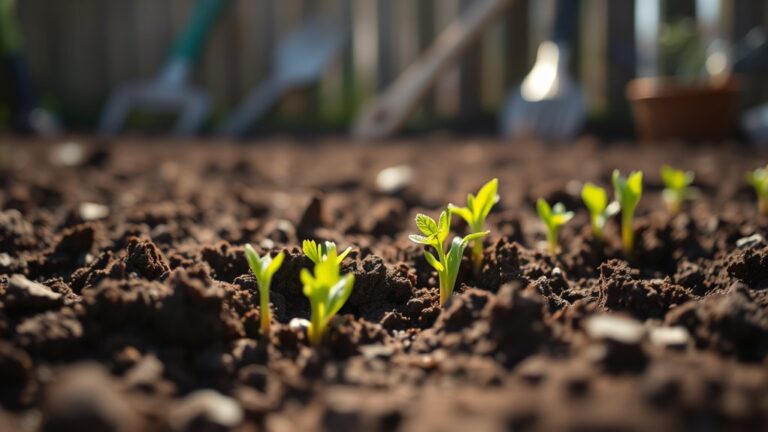
Industrial hemp thrives in well-drained, loamy soil with a pH between 6 and 7.5. It requires moderate rainfall and prefers temperate climates with plenty of sunlight. Hemp plants grow rapidly and can reach heights of 10 to 15 feet within a season.
Proper soil preparation includes ensuring adequate nutrients and avoiding soils with residual herbicides. Crop rotation is advised to maintain soil health and reduce pest pressures.
- Well-drained loam soil
- pH 6.0–7.5
- Moderate rainfall
- Crop rotation recommended
For more on this, see our related guide: What Are Hemp Seeds?.
Planting, Harvesting, and Processing
Industrial hemp is often planted with seed drills at a density depending on the desired product: denser for seed production, sparser for fiber. Harvesting occurs 70-120 days after planting, either by cutting for fiber or seed combines for grain.
Post-harvest processing separates fiber from the stalk via retting—using moisture or microbial action to break down pectins—followed by decortication. Seed cleaning involves drying and de-hulling, preparing them for food or oil extraction.
Legal and Regulatory Aspects of Industrial Hemp
THC Limits and Licensing Requirements
Most countries set legal THC limits for industrial hemp at 0.3% or slightly higher to distinguish it from marijuana. Farmers must usually obtain licenses or permits to cultivate hemp, submit to crop testing, and comply with reporting requirements.
These regulations aim to prevent illegal marijuana cultivation while supporting hemp’s industrial growth. Legal frameworks may vary significantly by country or even by region within countries.
- THC threshold <0.3%
- Licensing required
- Mandatory crop testing
- Compliance reporting
Impact of Regulations on Market Growth
Regulatory clarity has fostered rapid expansion of the industrial hemp market since legalization in many regions. However, inconsistent rules and bureaucratic delays can still hamper farmers and processors.
Recent legal changes have opened new opportunities for innovation in hemp-derived products, but businesses must carefully navigate regulations on marketing and product claims, especially related to CBD content.
Environmental Benefits of Industrial Hemp

Sustainability Advantages of Hemp Cultivation
Hemp is a fast-growing crop that requires fewer pesticides and herbicides than many conventional crops, reducing chemical runoff and soil degradation. Its deep roots improve soil structure and prevent erosion.
Additionally, hemp absorbs CO2 efficiently, offering potential as a carbon sequestration crop. Its ability to grow on marginal lands reduces competition with food crops, helping maintain agricultural biodiversity.
- Low pesticide use
- Improves soil health
- Carbon sequestration potential
- Grows on marginal land
For more on this, see our related guide: Are Cannabis Seeds Legal in the USA? Understanding the Legal Landscape.
Role in Crop Rotation and Soil Regeneration
In crop rotation, hemp helps disrupt pest cycles and replenishes soil nutrients, promoting healthier subsequent crops. Its biomass adds organic matter back to the soil after harvest.
Farmers use hemp to rehabilitate degraded soils, as its robust root system loosens compacted earth and enhances microbial activity. These qualities make hemp an eco-friendly choice in sustainable agriculture.
Industrial Hemp Market Trends and Future Outlook

Current Market Size and Growth Drivers
The global industrial hemp market has expanded significantly due to increasing demand for natural fibers, biodegradable plastics, and health foods. Consumer interest in sustainable products is a key growth driver.
Technological advances in hemp processing and easing legal restrictions contribute to wider adoption. The textile and construction sectors are notable markets with rising hemp fiber applications.
- Rising demand for eco-friendly products
- Advancements in processing technology
- Legal reforms worldwide
- Expanding textile and construction uses
For a detailed botanical and historical overview, the Industrial hemp Wikipedia article offers comprehensive information. Industrial hemp Wikipedia article.
Emerging Opportunities and Challenges
Emerging uses such as hemp-based bioplastics, CBD extracts, and animal feed offer new revenue streams. However, challenges include regulatory ambiguities, supply chain limitations, and fluctuating prices.
Producers focusing on quality and innovation could capitalize on growing consumer trends toward natural, sustainable goods, ensuring that the industrial hemp sector continues evolving positively.
Industrial Hemp Varieties and Their Uses Comparison
Explore how different industrial hemp varieties compare across fiber quality, seed yield, and primary industry applications.
| Variety | Fiber Quality | Seed Yield | Common Applications |
|---|---|---|---|
| Fiber-type Hemp | High tensile strength, long fibers | Low to moderate | Textiles, ropes, composites |
| Dual-purpose Hemp | Moderate fiber quality | Moderate to high | Fiber products, seed oil, food |
| Grain-type Hemp | Lower fiber quality | High seed yield | Food products, oil, supplements |
| CBD-specific Hemp | Varies, often lower fiber focus | Moderate seed yield | CBD extracts, medicinal products |
Frequently Asked Questions
Is industrial hemp the same as marijuana?
No, industrial hemp differs from marijuana primarily in its THC content, which is less than 0.3% for hemp. This low level means it does not produce psychoactive effects and is cultivated mainly for fiber and seeds.
What are the main industrial uses of hemp?
Hemp is used mainly for its fibers in textiles, paper, and construction, and its seeds for oil, food, and cosmetics. Its versatility makes it valuable in many industries seeking sustainable materials.
Can industrial hemp be grown everywhere?
Hemp grows best in temperate climates with well-drained soil. However, its cultivation depends on local regulations, as laws vary widely across regions and countries.
How does hemp cultivation benefit the environment?
Industrial hemp requires fewer pesticides, improves soil health, reduces erosion, and absorbs significant amounts of CO2. These factors make it an environmentally friendly crop choice.
What legal restrictions exist for growing industrial hemp?
Most countries require licenses to grow hemp, enforcing strict THC limits and crop testing. Regulations vary, so growers must comply with regional laws governing industrial hemp cultivation.
Key Takeaways
- Industrial hemp is a low-THC Cannabis sativa cultivated for fiber and seeds.
- Hemp fiber applications include textiles, construction, and biodegradable products.
- Cultivation requires specific soil and climate conditions with legal compliance.
- Hemp offers environmental benefits and growing market opportunities.
Conclusion
Deciding about industrial hemp involves understanding its distinct characteristics and industrial value. It is defined by its low THC and high versatility in fiber and seed production, providing benefits for agriculture and manufacturing. Evaluating cultivation conditions, legal requirements, and product goals helps clarify if industrial hemp suits a particular operation or business plan.
For farmers focusing on fiber production, fiber-type hemp varieties provide the best long, strong fibers for textiles and construction materials like hempcrete. Producers targeting nutrition or oils might choose grain-type or dual-purpose varieties that optimize seed yield and quality. Considering local regulations and market demand guides selection and investment decisions to achieve successful cultivation and product development.
Starting with legal registration and soil tests is a prudent first step for prospective hemp growers. Exploring partnerships with processors specializing in hemp fiber applications or seed processing can provide market access and technical support. As industrial hemp continues gaining traction, informed growers and businesses can benefit from this sustainable crop’s expanding uses and environmental advantages.