How to Get Rid of Mold on Plants: Effective Methods and Prevention Tips
Mold on plants can be removed effectively using physical and chemical methods like pruning affected leaves, improving air circulation, and applying fungicides designed for plant use. Immediate action is necessary to stop mold from spreading and harming your plants.
Mold grows in humid and poorly ventilated environments, which makes plants vulnerable, especially indoors or in damp gardens. Addressing mold promptly lowers the risk of plant diseases, decay, and reduced growth caused by fungal infections.
This article will explain common types of mold on plants, direct treatment options using natural and chemical solutions, preventive practices such as watering adjustments and airflow improvements, and tips for ongoing plant health to avoid future mold outbreaks.
Identifying Mold on Plants
Common Types of Mold Affecting Plants
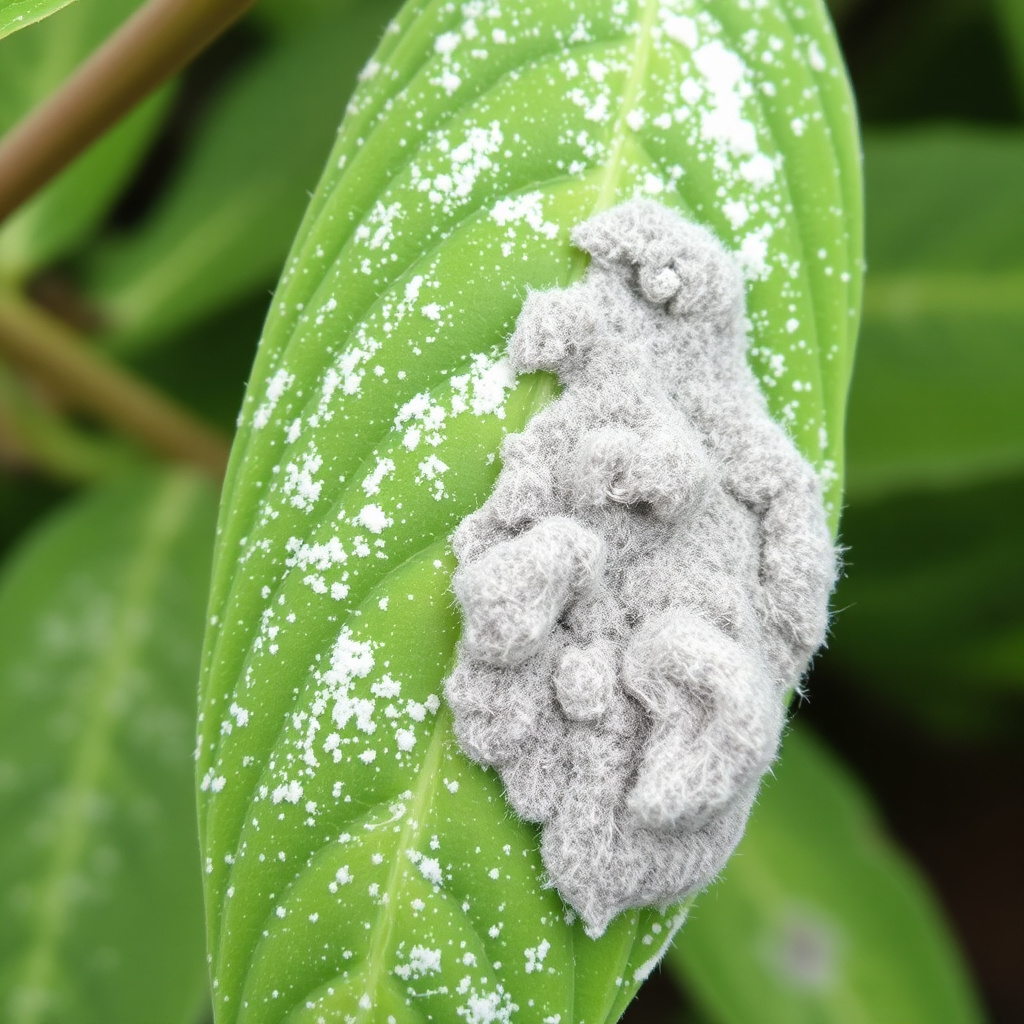
The most frequent molds encountered on plants include powdery mildew, which appears as a white powder coating leaves, and gray mold or Botrytis cinerea, recognized by fuzzy gray spores. Black mold can also develop under certain conditions but is less common on healthy plants.
Each type of mold affects different parts of the plant and may require different management techniques. Knowing the mold type helps select the right treatment and prevention methods.
Symptoms Mold Causes in Plants
Infected plants often show discolored or yellow leaves, reduced growth, leaf curling, and a powdery or fuzzy mold coating. Flowers and fruits may rot or develop spots, which decreases overall plant vitality.
Recognizing symptoms early allows faster intervention, which can prevent irreversible damage and preserve the plant’s aesthetic and health.
Natural Remedies to Get Rid of Mold on Plants
Using Baking Soda and Water Solution
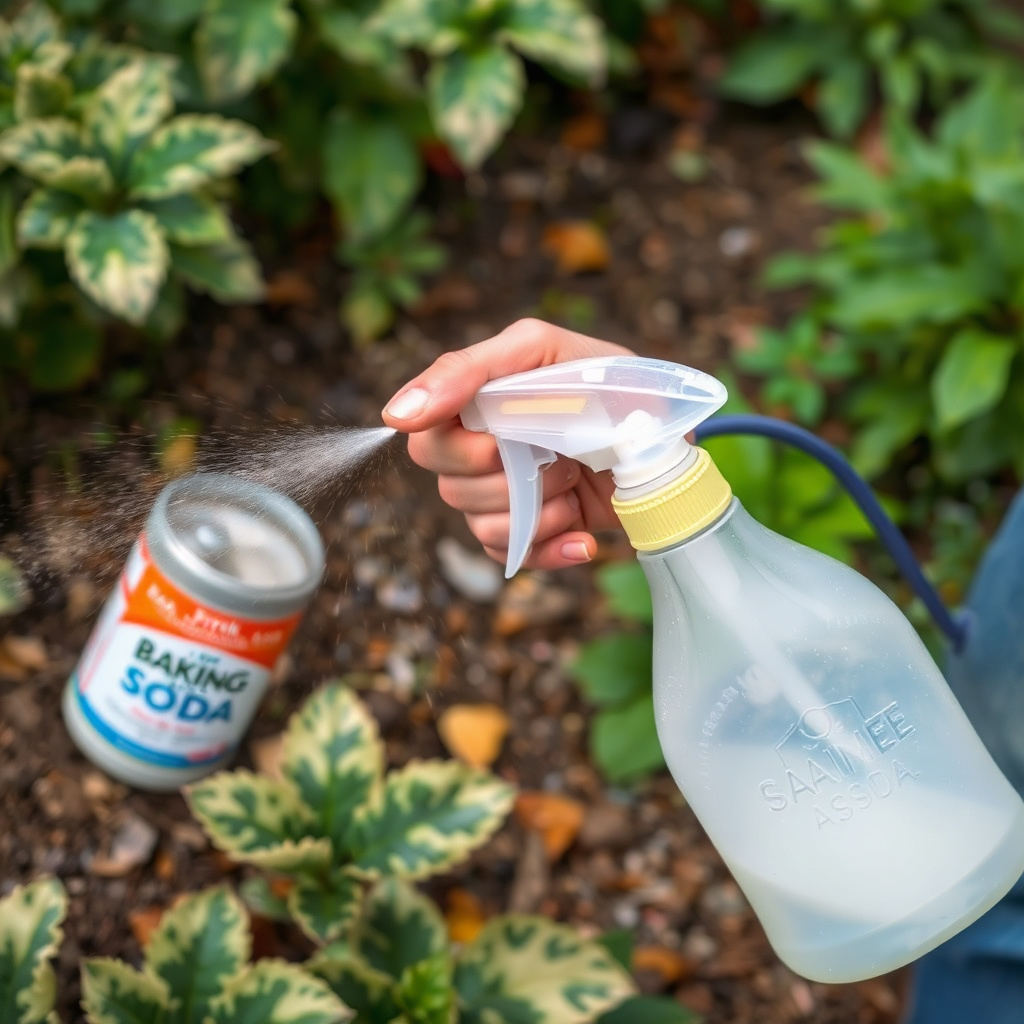
A simple homemade mix of baking soda and water (1 tablespoon soda per quart) sprayed on affected leaves changes the pH, making the surface inhospitable to mold. This method is safe for edible and ornamental plants and can reduce mold spread if applied regularly.
Spray early in the morning or late afternoon to avoid sun damage and repeat every 7-10 days until mold disappears to see good results.
- 1 tablespoon baking soda per quart of water
- Spray thoroughly on all leaf surfaces
- Apply every week until mold is gone
Neem Oil and Other Organic Fungicides
Neem oil is an effective organic option that disrupts fungal growth without harsh chemicals. Diluting neem oil according to label instructions and spraying it on the plant controls mold while being safe for beneficial insects.
Other options include horticultural oils and solutions containing potassium bicarbonate, which also minimize fungal development with minimal environmental impact.
Chemical Treatments and Fungicides
Selecting the Right Fungicide
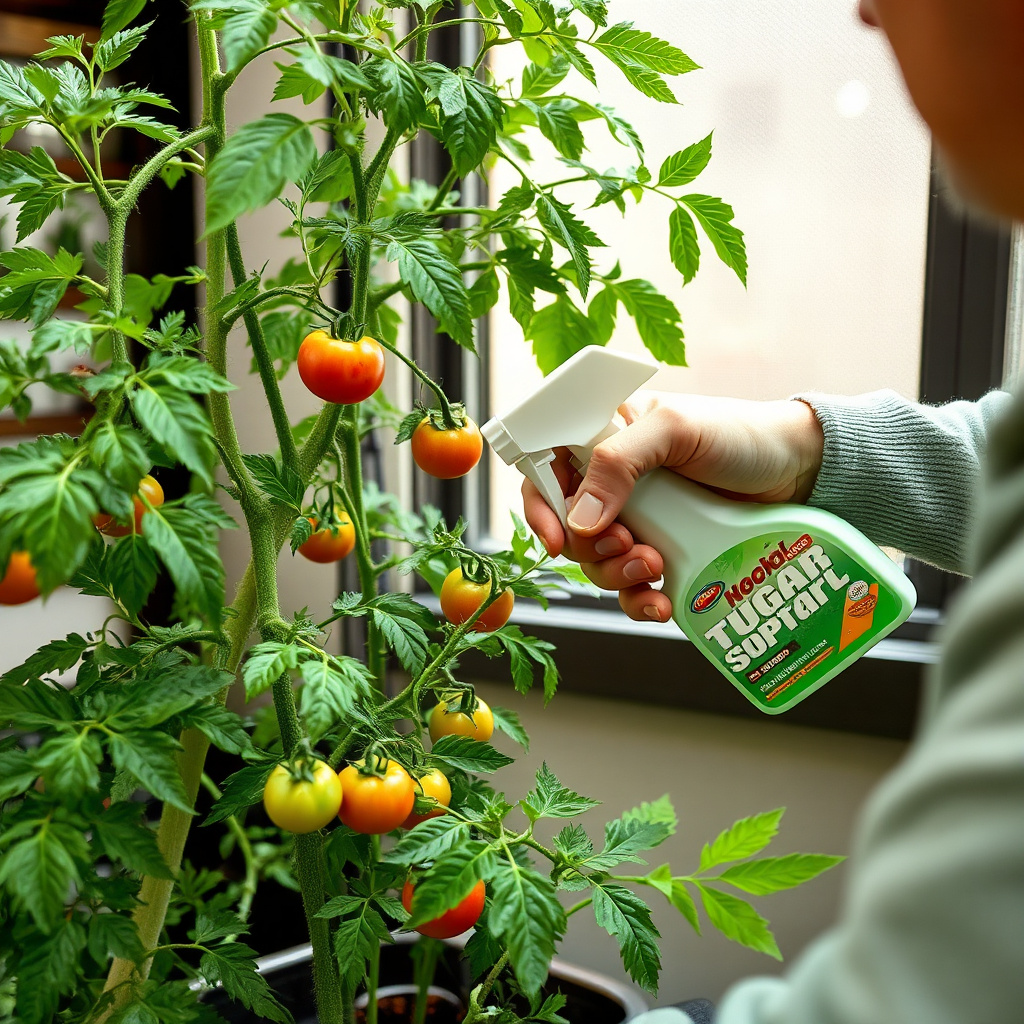
Fungicides labeled for use on specific plants and molds, such as sulfur-based or copper fungicides, offer targeted mold control. It’s critical to follow manufacturer directions concerning dosage and safety to prevent damage to plants or humans.
Chemical fungicides act faster than natural remedies but should be used as part of an integrated approach that includes environmental controls.
- Choose fungicides approved for your plant species
- Follow safety instructions strictly
- Avoid overapplication to prevent resistance
For more on this, see our related guide: Cannabis Growing Guide for Beginners: How to Start Cultivating Your Own Plants.
When to Use Chemical Fungicides
If mold is severe or persistent after natural treatments, chemical fungicides may be necessary. They are also useful in commercial settings where mold could affect crop yield significantly.
Applying chemical treatments defensively after pruning and improving airflow helps maximize their effectiveness.
Preventing Mold Growth on Plants
Improving Air Circulation and Spacing
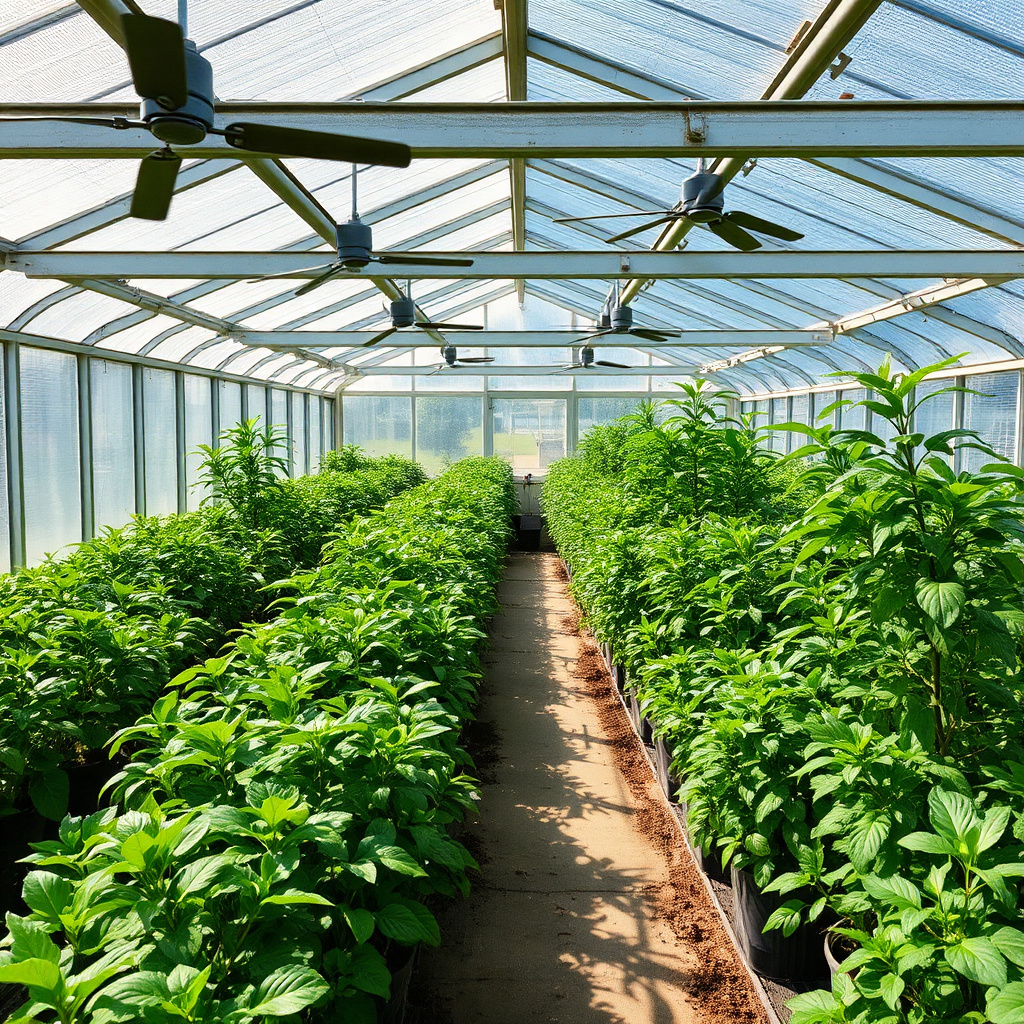
Crowded plant arrangements and stagnant air encourage mold development. Increasing space between plants and using fans indoors promotes airflow and reduces humidity levels that mold depends on.
Regular pruning of dense foliage also helps air penetration and sunlight exposure, further discouraging mold growth.
- Space plants to allow air flow
- Use fans in indoor environments
- Prune dead or excess leaves regularly
Watering Practices to Avoid Mold
Overwatering keeps soil wet and humidity high, creating ideal conditions for mold. Water plants at the soil level rather than overhead to keep leaves dry.
Water early in the day so any moisture on foliage evaporates quickly, reducing the chance for mold spores to germinate.
- Water in the morning, not evening
- Avoid wetting leaves when possible
- Allow soil to dry between watering
Managing Mold in Indoor Plants
Controlling Humidity Indoors
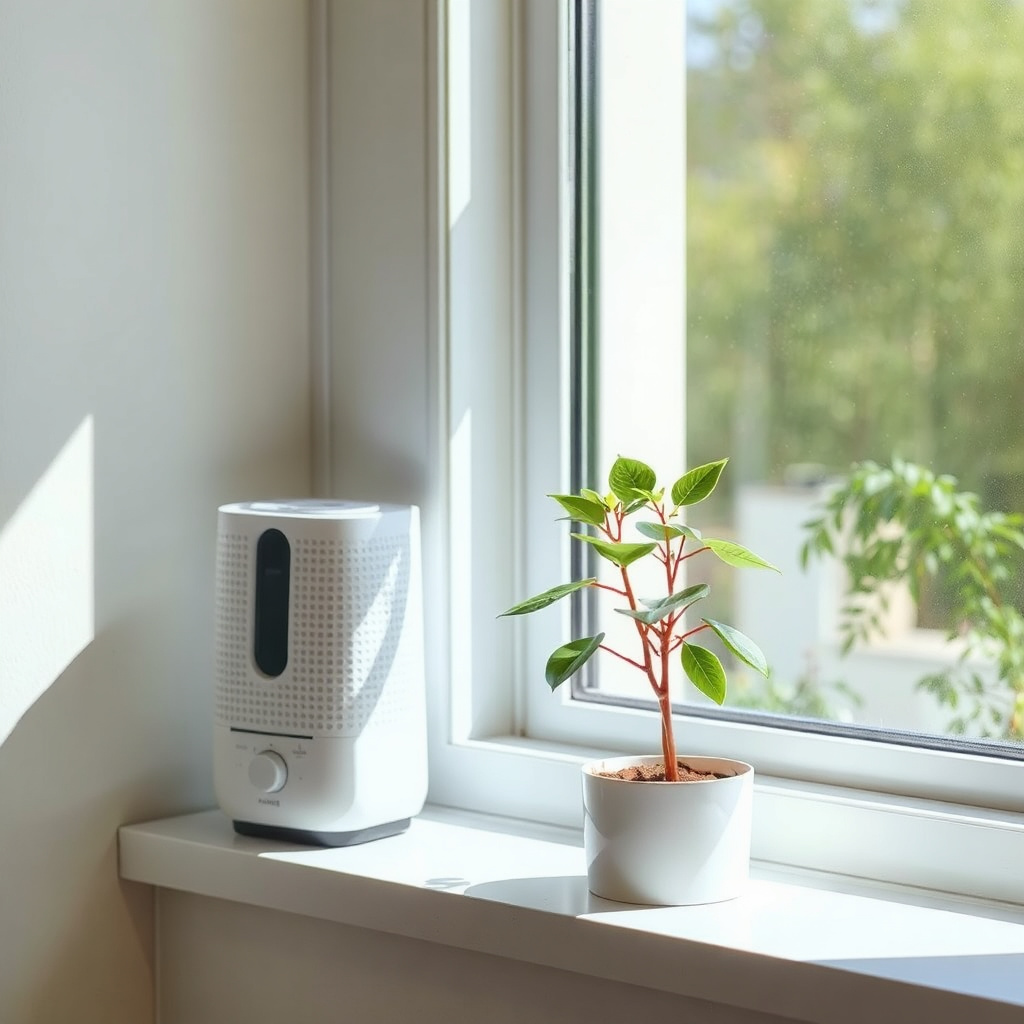
Indoor environments with poor ventilation and high humidity cause frequent mold problems. Using dehumidifiers or opening windows helps maintain lower humidity levels suitable for most houseplants.
Mold-resistant indoor planting mediums and pots with drainage holes improve root health and curb mold formation.
For more on this, see our related guide: Hybrid Cannabis Seeds Explained: What You Need to Know Before Buying.
Cleaning and Maintenance Routines
Regular wiping of leaves and sterilization of pots prevents mold spread. Avoid using contaminated soil or recycled water sources and disinfect tools between uses to stop mold transmission.
Routine checks and early removal of infected parts keep indoor plants mold-free.
- Wipe leaves monthly
- Sterilize pots and tools
- Inspect plants weekly
Long Term Care for Mold-Free Healthy Plants
Soil Health and Drainage
Good drainage prevents waterlogged roots, which attract mold and fungi. Using well-draining soil mixes with organic matter balances moisture retention and air flow around roots.
Soil amendments such as perlite or sand improve drainage and discourage mold-forming conditions.
- Use potting mix with good drainage
- Add perlite or sand for aeration
- Avoid compacted or heavy soils
For a detailed overview of one common plant mold type, see this powdery mildew article. powdery mildew article.
Routine Inspections and Early Intervention
Consistent plant monitoring can catch early mold presence, making treatment more effective. Prompt removal of any infected tissue minimizes mold spread.
A preventive schedule of treatments and environmental adjustments keeps plants healthy even in humid climates.
- Inspect plants regularly
- Remove infected parts immediately
- Apply preventive fungicides during humid seasons
Comparison of Mold Treatment Options for Plants
Here's a quick comparison of various mold treatment methods highlighting effectiveness, safety, and ease of use.
| Treatment Type | Effectiveness | Safety for Plants | Ease of Use | Cost |
|---|---|---|---|---|
| Baking Soda Solution | Moderate | Highly Safe | Easy | Low |
| Neem Oil | High | Safe | Moderate | Moderate |
| Copper Fungicides | Very High | Moderate (can cause leaf burn) | Requires Careful Use | Moderate |
| Sulfur-Based Fungicides | High | Moderate | Requires Precise Application | Moderate |
| Copper Fungicides | High | Moderate | Requires Careful Use | Moderate |
| Potassium Bicarbonate | High | Safe | Easy | Moderate |
Frequently Asked Questions
Can I use baking soda on edible plants safely?
Yes, baking soda solutions are generally safe for edible plants if used correctly. Apply in the morning and rinse the produce before eating to remove residue.
How often should I apply neem oil for mold control?
Neem oil should be applied every 7-14 days on affected plants during active mold growth, following the product instructions for dilution and coverage.
Is it better to remove moldy leaves or treat with fungicides?
Removing moldy leaves immediately reduces the fungal load and should be combined with fungicide treatment for effective control.
Why does mold keep returning even after treatment?
Persistent mold often indicates environmental conditions like high humidity or poor airflow haven't been corrected, allowing mold to regrow.
Are chemical fungicides harmful to beneficial insects?
Some chemical fungicides can harm beneficial insects, so selective use and choosing plant-safe products matter to protect garden biodiversity.
Key Takeaways
- Identify mold type early to target treatment effectively.
- Natural remedies like baking soda and neem oil provide safe mold control.
- Improve airflow and watering habits to prevent mold.
- Use chemical fungicides responsibly for persistent or severe mold.
Conclusion
Getting rid of mold on plants requires a combined approach of identifying the specific fungal issue, applying targeted treatments, and controlling the environment. Because mold thrives in damp, poorly ventilated conditions, modifying these factors alongside treatment prevents recurrent problems. A measured approach—including natural options and chemical fungicides when needed—offers flexibility depending on plant type, mold severity, and indoor or outdoor environments to maintain plant health.
For gardeners looking to clear mold effectively, starting with non-toxic choices like baking soda or neem oil is advisable, especially for edible or young plants. In tougher cases, fungicides containing copper or sulfur can rapidly stop mold growth yet should be applied carefully to avoid plant damage. Preventive strategies such as spacing plants adequately, pruning, and watering early support lasting mold resistance by discouraging conditions favorable to fungal spread.
As a next step, observe your plants closely for early mold symptoms and choose treatment methods tailored to your plant species and the type of mold encountered. Whether managing houseplants or outdoor gardens, balancing treatment, prevention, and routine maintenance establishes a healthier environment free from mold’s negative impact.